Monday, 9 February 2026


Kara Güt and Clare Gatto
Work from Void 0 at SkyLab.
“Void 0 combines a love for clipping through stage geometry with an infinite bath. It is the culmination of work by two artists, Clare Gatto and Kara Gut, who use the machinations of a simulated world to create images of slippery definition. The show plays with various versions of input and output to reveal biology through synthetics and mythology through game design.” – Kara Güt and Clare Gatto
Posted in Uncategorized | Comments Off on Kara Güt and Clare Gatto
Wednesday, 4 February 2026


David Noel
Work from Tactical Aesthetic.
“Close Encounters with Tactical Aesthetic is a participatory installation that guides viewers through various tactical scenarios.” – David Noel
Tags: military, politics, war
Posted in Uncategorized | Comments Off on David Noel
Monday, 2 February 2026


Rick Silva
Work from Dirt Nap.
“Dirt Nap is composed of one-minute excerpts from 46 naps Rick Silva took in nature across the western United States between September 2024 and January 2026, sequenced in the order they were recorded.” – Rick Silva
Tags: dirt, epic, nature, system, typological, video
Posted in Uncategorized | Comments Off on Rick Silva
Sunday, 1 February 2026


Rinko Kawauchi
Work from M/E.
“Some things can only be obtained through moving my body to face my photographic subject head-on.
I have found this an effective way to approach, however incrementally, the unanswerable question of why I find myself alive right here and right now.
After living this way for more than thirty years, I felt the desire to once more confirm the ground on which I stood.
Not in terms of regional or national bounds, but the fact that I was on a planet.
When I visited Iceland in the summer of 2019—I had been there only once before, some twenty years ago—that desire was fulfilled.
I saw geysers like the planet’s breath and glaciers far beyond any human time. And what I saw seemed to illuminate my own existence.
One experience inside a dormant volcano left a particularly strong impression.
When I looked up, I saw light spilling in through the crater above, and its shape was reminiscent of female genitalia. As I gazed at this sight, I had the sense of being a fetus enveloped by the earth, and I felt a connection to this planet I have never felt before.
My plans to visit Iceland again in winter to probe these connections more deeply were thwarted by COVID-19. Partly as a result of this, I visited Hokkaido many times in the winter of last year. There I saw things that could only be seen in the bitterest cold, and recalled how small and frail my own body truly was.
Take the initials of “Mother Earth,” and the result is “M/E.”
When I wrote out those two letters, I felt a connection between things so vast their full form cannot be surveyed with the naked eye and the individuals, and was reminded of that mysterious sensation I experienced beneath the volcanic crater, of inversion and unity between the planet and myself.” – Rinko Kawauchi
Tags: landscape, nature
Posted in Uncategorized | Comments Off on Rinko Kawauchi
Saturday, 31 January 2026


John-David Richardson and Emily Wiethorn.
Work from HERE YOU COME AGAIN.
“As individuals, each of us has experienced profoundly traumatic encounters with masculinity, violence, and misogyny. These experiences have left indelible marks, shaping who we are as artists and how we navigate the world. In our individual practices, we each grapple with these complex dynamics, unpacking the intersections of gender, power, and trauma. The exhibition Here You Come Again emerged from a shared desire to confront these overlapping narratives collectively. Through this collaborative practice, we reflect on how misogyny and violence have permeated our personal histories and familial lines, tracing their reverberations across generations.
The works presented in this exhibition span images, video, found objects, and vernacular photographs, creating a multifaceted narrative that invites both introspection and dialogue. This body of work seeks to balance vulnerability and strength, exposing the weight of harm while honoring moments of resilience. A deliberate tension is established between what is presented openly and what is safeguarded behind a frame. Imagery that evokes tension, violence, aggression, and fear is left unprotected and deliberately exposed to the viewer’s gaze. These works, raw and unshielded, reflect the fragility and neglect that violence imposes, suggesting that such moments do not warrant the same reverence or care.
In contrast, we have chosen to frame and protect images that symbolize care, comfort, and resilience—portraits and moments imbued with tenderness and personal significance. These protected works act as visual sanctuaries, embodying the safeguarding of memory and preserving what remains intact within ourselves, our mothers, and our shared histories. The juxtaposition between defense and exposure mirrors the emotional duality we experience in navigating these traumas: the instinct to shield what we hold dear while confronting what has harmed us.
Here You Come Again is both a refuge and a reckoning. It is a space to process the lingering impacts of violent men while simultaneously preserving the strength, love, and resilience that persist despite them.” – John-David Richardson
Tags: documentary, masculinity, photography, trauma
Posted in Uncategorized | Comments Off on John-David Richardson and Emily Wiethorn
Friday, 30 January 2026


Lisa Barnard
Work from The Canary and the Hammer.
“Photographed across four years and four continents, The Canary and The Hammer details our reverence for gold and its role in humanity’s ruthless pursuit of progress. Through a mix of image, text and archival material, the third book by British artist Lisa Barnard provides a fascinating insight into the troubled history of gold and the complex ways it intersects with the global economy.
Gold is ubiquitous in modern life; the mineral is concealed at the heart of much of the technology we use and is, most fundamentally, a potent symbol of value, beauty, purity, greed and political power. The Canary and The Hammer strives to connect these disparate stories—from the mania of the gold rush and the brutal world of modern mining, to the sexual politics of the industry and gold’s often dark but indispensable role at the heart of high-tech industry.
Prompted by the financial crisis of 2008 and its stark reminder of the global west’s determination to accumulate wealth, Barnard sets out to question gold’s continued status as economic barometer amidst new intangible forms of technological high—finance. By addressing this through photography, Barnard in turn raises the question of how her chosen medium can respond to such abstract events and concepts. The result is an ambitious project, one sketching a personal journey in which she ultimately tackles the complexity of material representation in these fragmented and troubling times.” – MACK
Tags: gold, photography, politics, research
Posted in Uncategorized | Comments Off on Lisa Barnard
Thursday, 29 January 2026
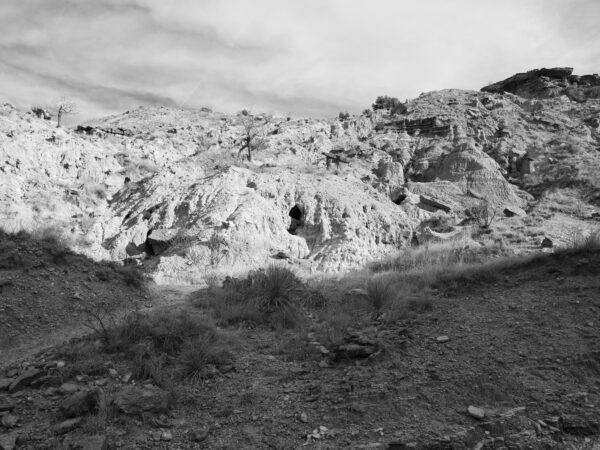
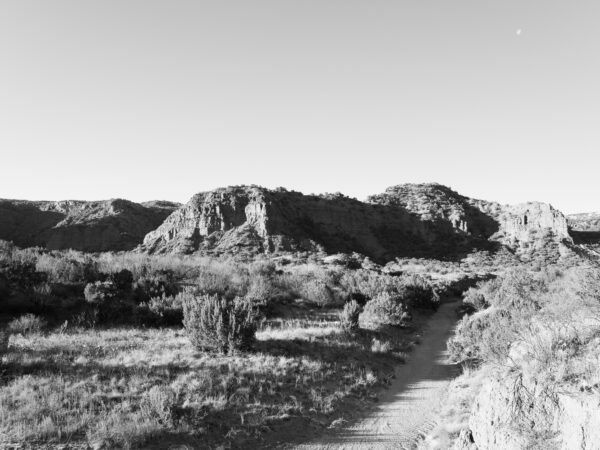
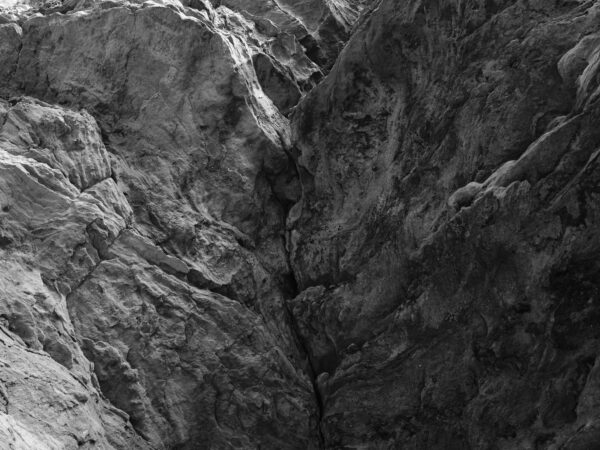
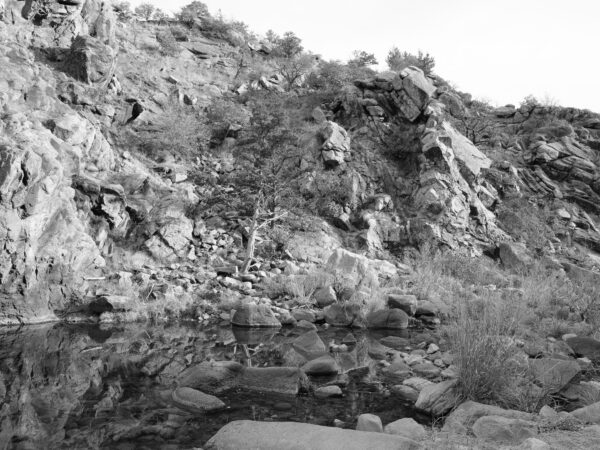
Public Lands Institute
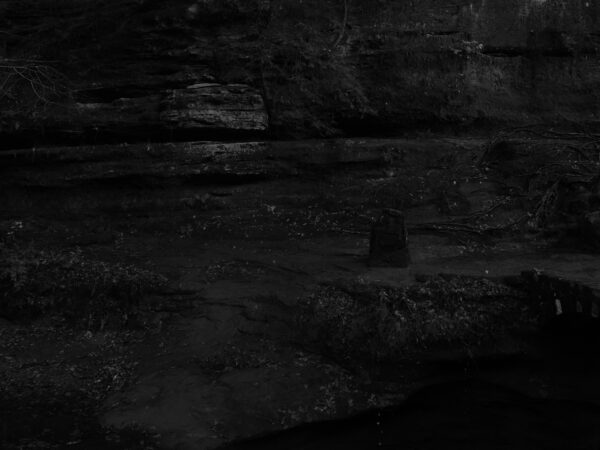
Work from their Archive.
“Public Lands Institute is an ongoing photographic index of public lands. This work is dedicated to the Public Domain under the Creative Commons CC0 (Public Domain Dedication) license.
The term “public domain” encompasses those materials that are not protected by intellectual property laws such as copyright, trademark, or patent laws. No individual owns these works; rather, they are owned by the public.” – Public Lands Institute
Tags: creative commons, gesture, landscape, photography, public
Posted in Uncategorized | Comments Off on Public Lands Institute
Wednesday, 28 January 2026
Zoe Leonard
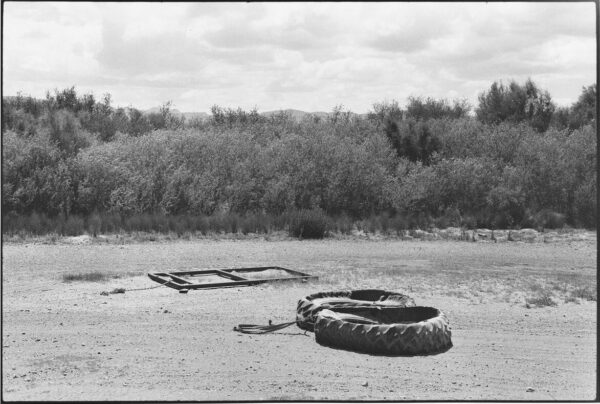
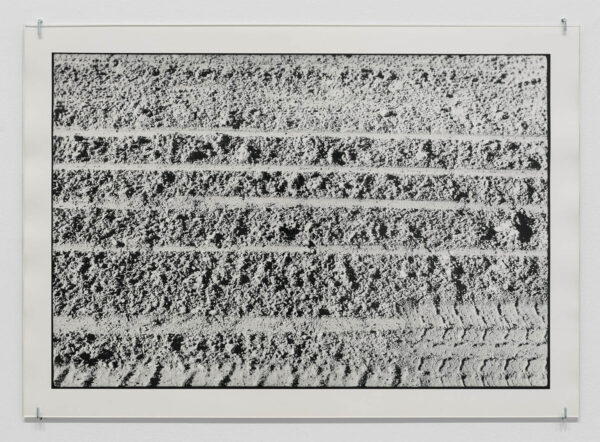
Work from Al río / To the River.
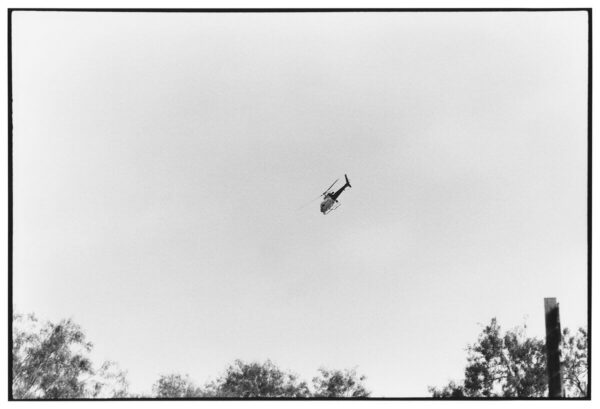
“Following the river’s course from the border cities of Ciudad Juárez and El Paso to the Gulf of Mexico, Leonard considers the conflation of, and boundaries between, nature and politics as they manifest in the landscape.
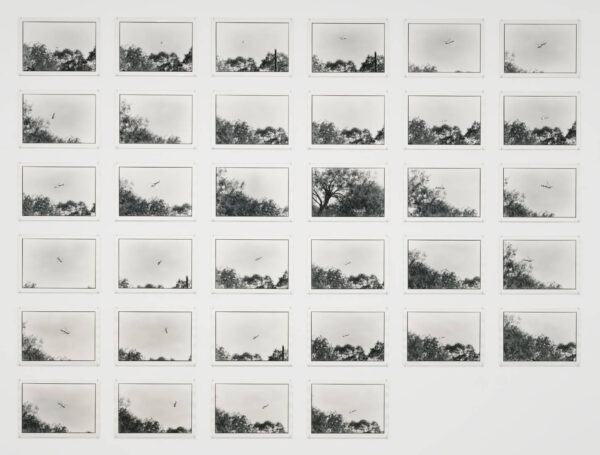
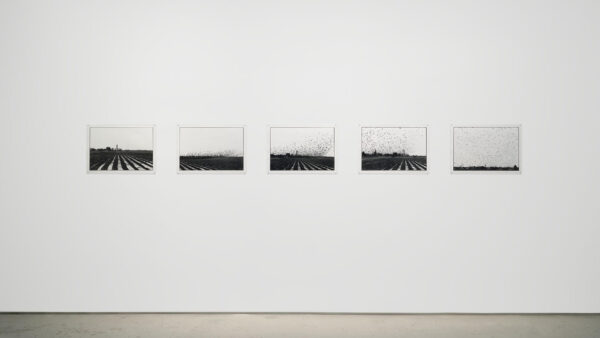
‘Al río / To the River’ is structured through ‘passages,’ sequences of photographs that impart a sense of movement. Pointing to the dynamism of the river, Leonard groups images so that the topography and communities depicted invite associations and interpretations from the viewer.
The artist depicts the river and surrounding borderlands with an eye for the complexity of the various ecosystems, communities, and histories that converge at the river—from families swimming off the riverbank at Ciudad Juárez, to helicopters and border patrol vehicles on sentry; and from dams and irrigation canals, to bridges and boundary markers.
In thoughtfully composed, black-and-white analogue photographs, Leonard reveals the tensions that erupt when a river is made to perform a political task. Like much of Leonard’s work, ‘Al río / To the River’ reflects upon the historical role that photography has played in defining territories and shaping social consciousness as well as its present function as an instrument of surveillance.
By employing a range of perspectives from both sides of the river, her work blurs the various binaries so often ascribed to the border and underscores the often-imposing infrastructure that has been built around the river.
The full work, ‘Al río / To the River,’ encompassing hundreds of photographs, debuted at MUDAM, Luxembourg, in February, and will travel to the Musée d’Art Moderne, Paris this fall. Hauser & Wirth’s exhibition presents excerpts from this epic project for the first time in the United States.” – Hauser and Wirth
Tags: black and white, border, ice, immigration, photography
Posted in Uncategorized | Comments Off on Zoe Leonard
Tuesday, 27 January 2026
Alice Poyzer
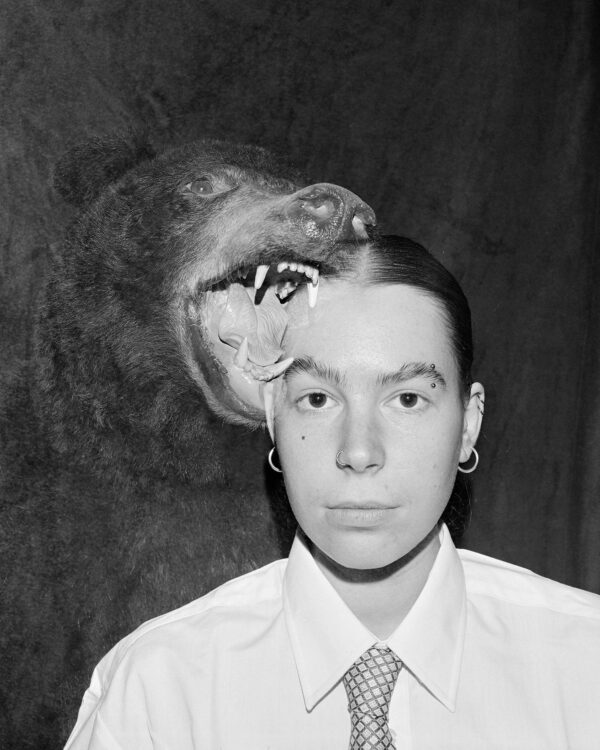
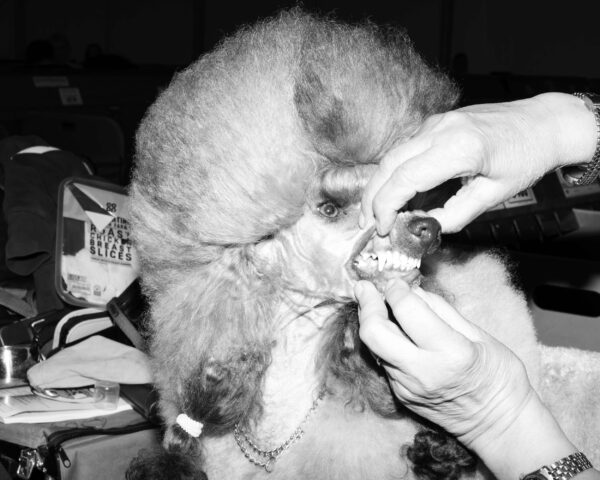
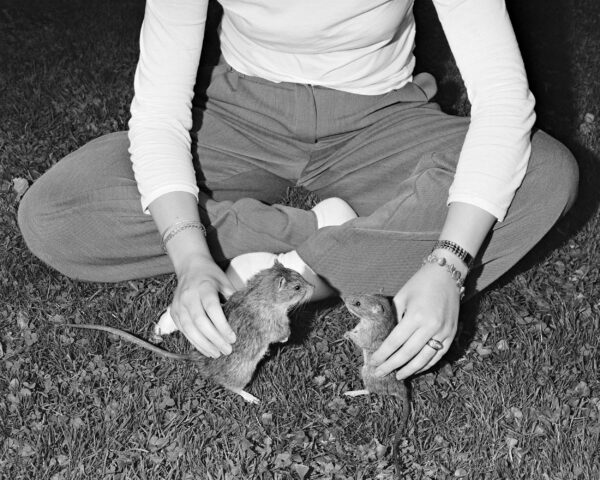
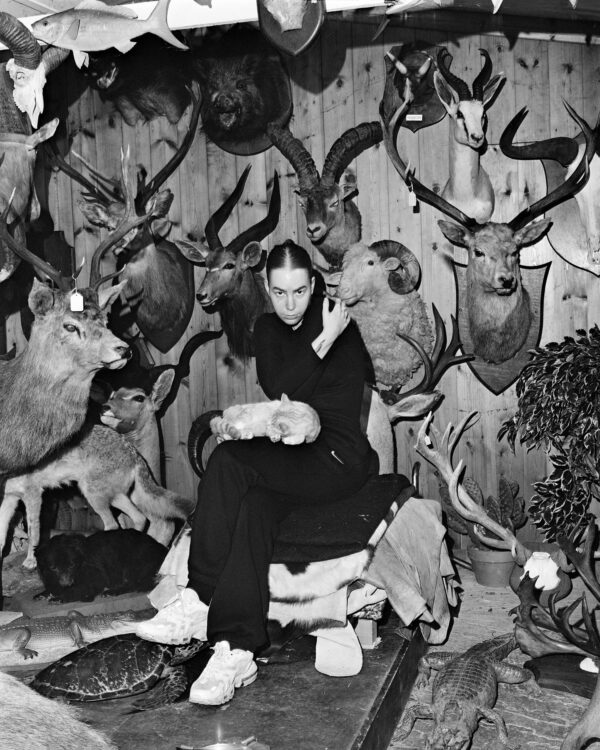
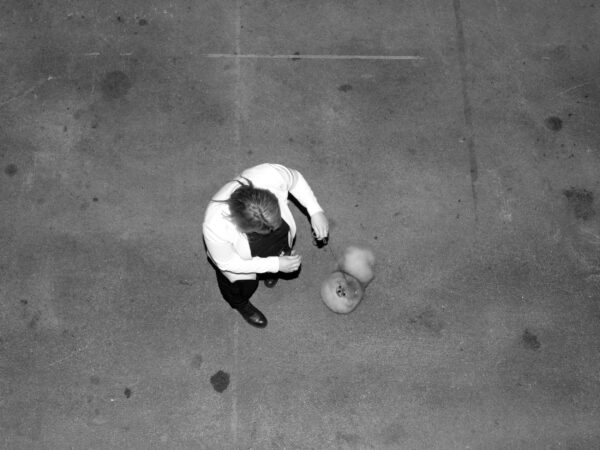
Work from Other Joys.
“Other Joys is an ongoing body of work that highlights my special interests as a woman with autism, through portraits and constructed imagery. Featured are butterflies, animal shows and taxidermy; all of which create an intense feeling of euphoria and excitement that is almost indescribable. Special interests are common within the autistic community and, whilst they may differ from person to person, the joy they provide is one we all understand.
The process of making these photographs provides me with a safe space to feel at ease and to unmask. Either on my own or with a few individuals close to me, in places that give me such excitement, I’ve been able to experience my autistic joy to the fullest throughout this project– something that I cannot always access in day to day life. What was once a fear of being deemed different has now become a celebration of self-acceptance and understanding.
Additionally, throughout the work there are comments on my own autistic traits, such as my need for sensory comfort and how easy it is for me to be overwhelmed. The self-portraits featured, all different in tonality, expression and mood, mirror how I feel in real life; constantly changing myself to fit in with others, whilst the repetition of certain symbols suggests my need for rigid routine.” – Alice Poyzer
Tags: black and white, british, constructed
Posted in Uncategorized | Comments Off on Alice Poyzer
Wednesday, 21 January 2026
Annette Kelm
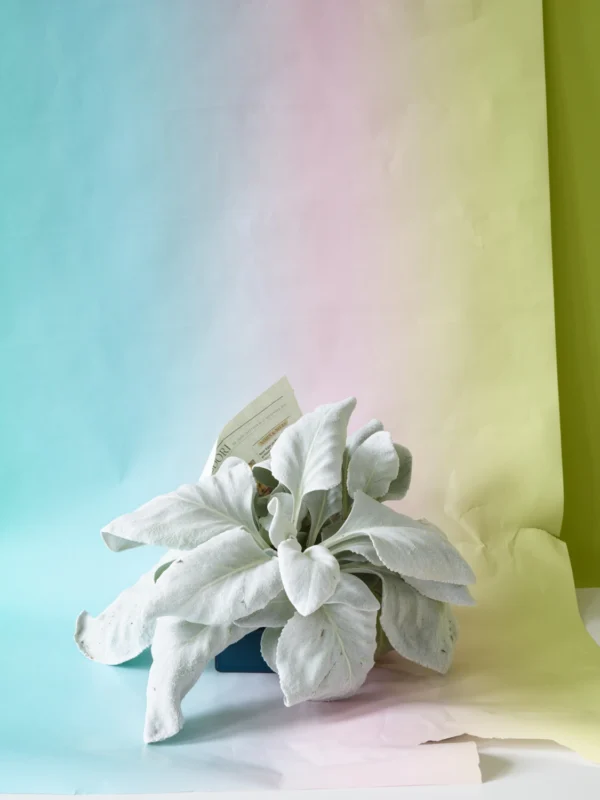
Work from her oeuvre.
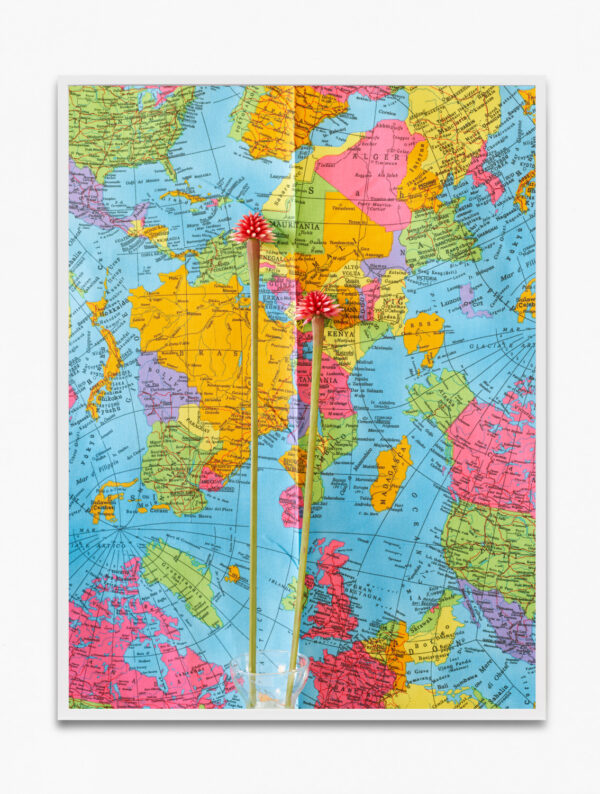
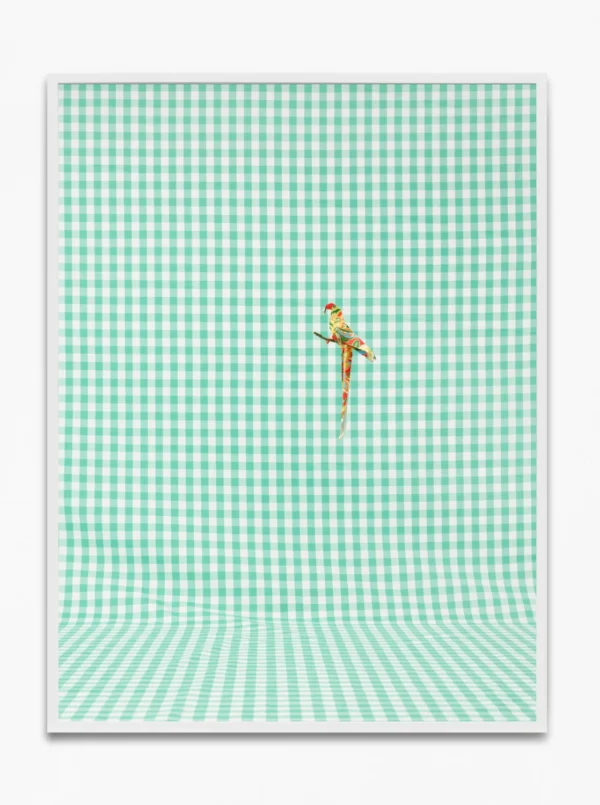
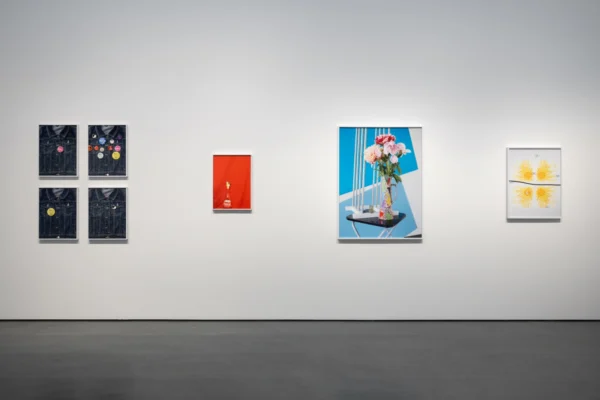
“Annette Kelm’s photographic œuvre offers a unique outlook onto the socio-cultural history of the material world. The artist uses a vast array of motifs as vocabulary to address specific moments in this history, whether it is the commodification of design objects, various forms of political critique or value systems such as money and finance.
Kelm’s exhibitions gather images of floral sculptures, landscapes, portraiture, photographed buildings, and ephemeral objects of all scales. Meticulously picked, the artist’s subjects enter in collision and contrasts where the objective converges with the subjective, the every-day encounters the historical, and the impartial becomes political.
Her practice draws from conventional studio photography techniques: employing a large-format camera and depicting her subjects in front of a backdrop. The arrangements that the artist sets up at her studio are often playful, retain an experimental character or are seemingly captured glimpses of time. Kelm’s distinctive approach to the photographic medium made her a prominent figure of contemporary photography in Germany and worldwide.” – Esther Schipper Gallery
Tags: critique, metaphotography, photography, post internet, superdutch, throwback
Posted in Uncategorized | Comments Off on Annette Kelm