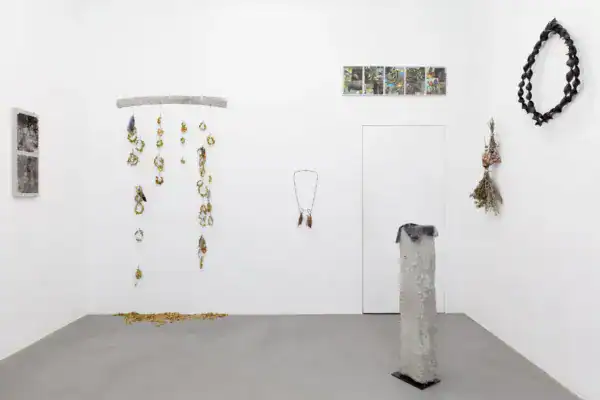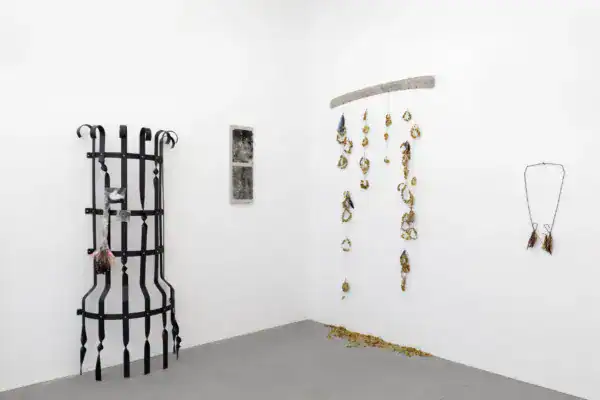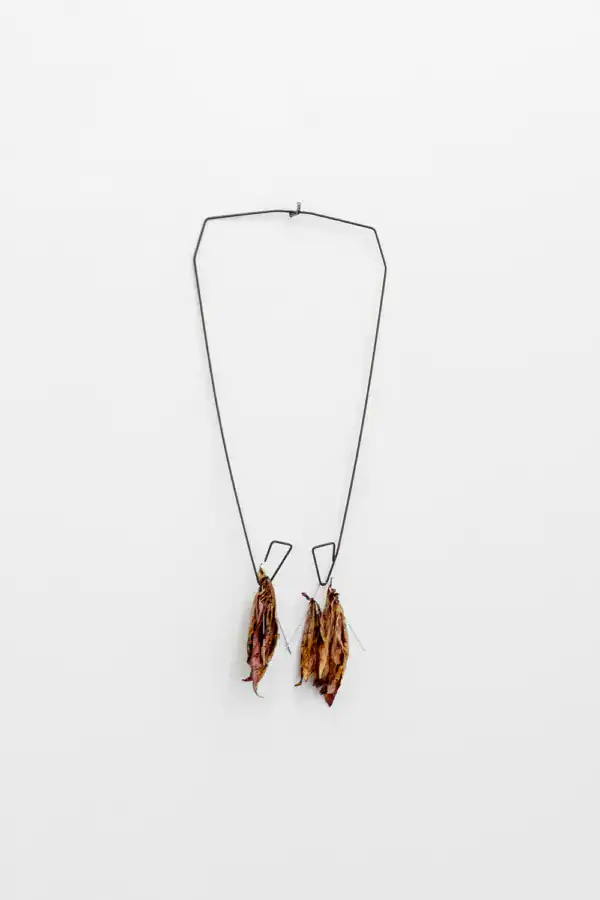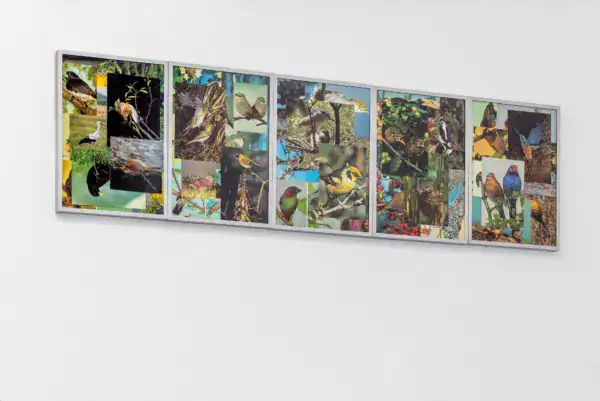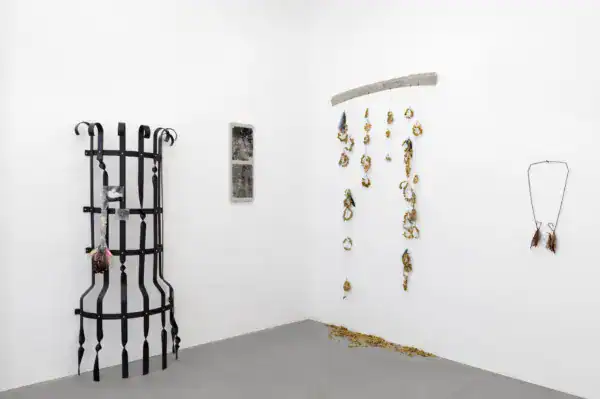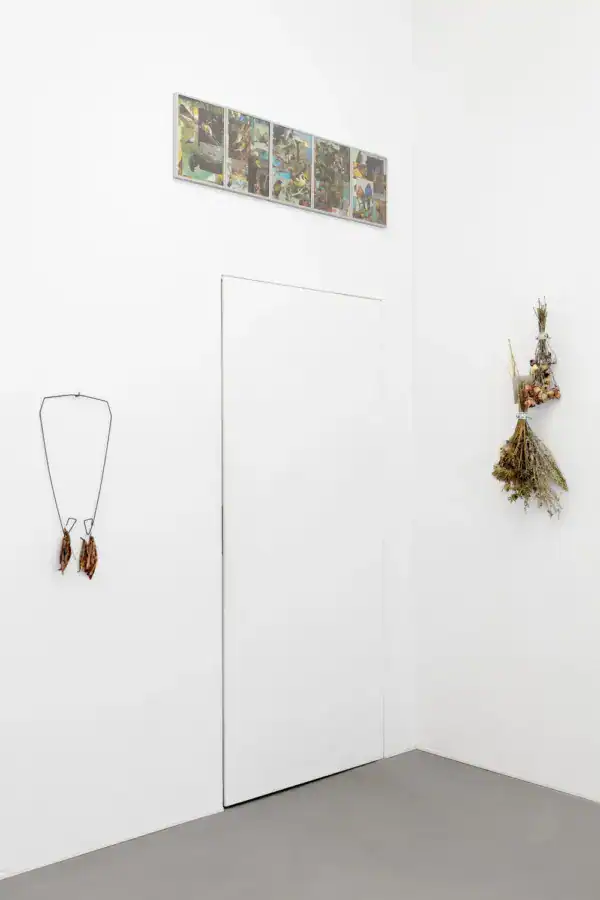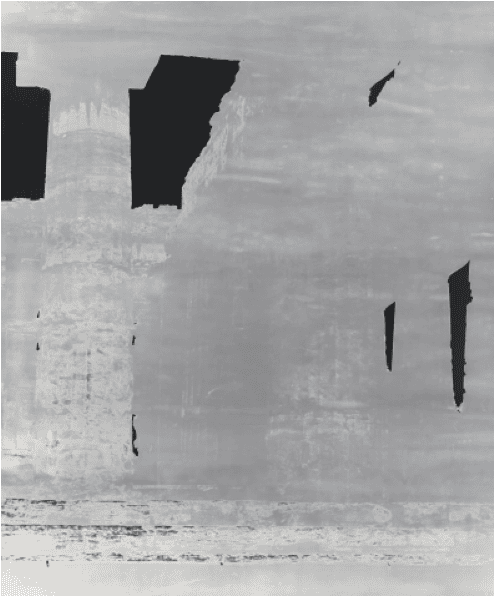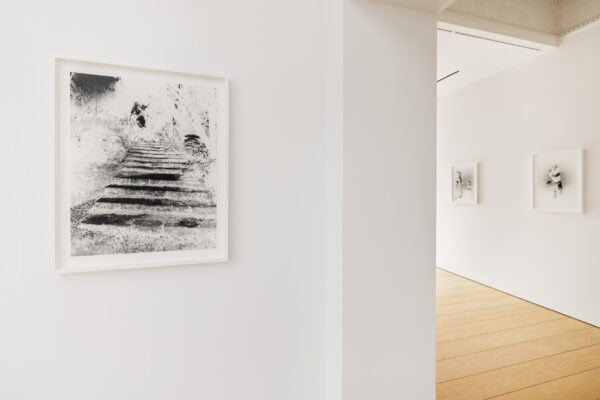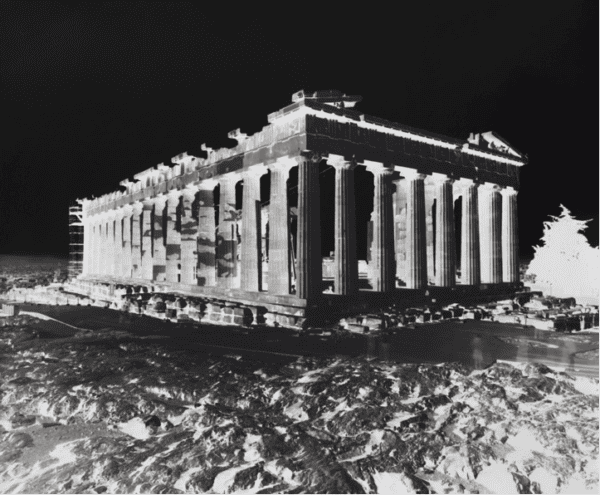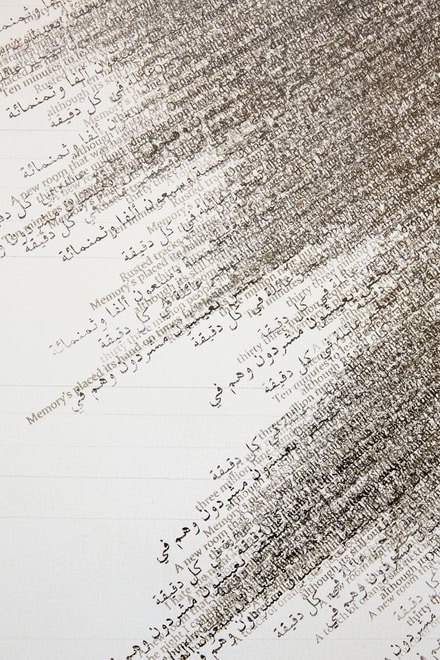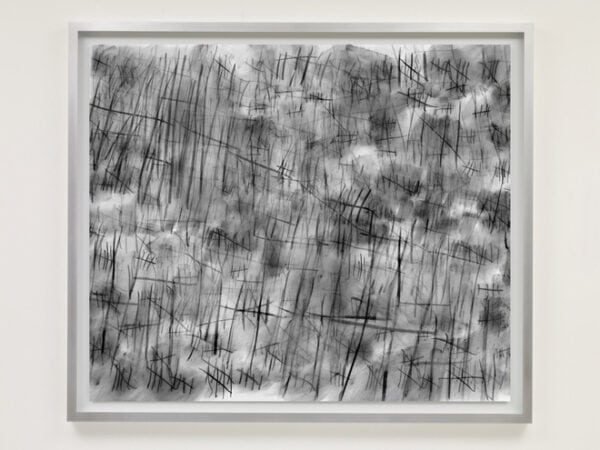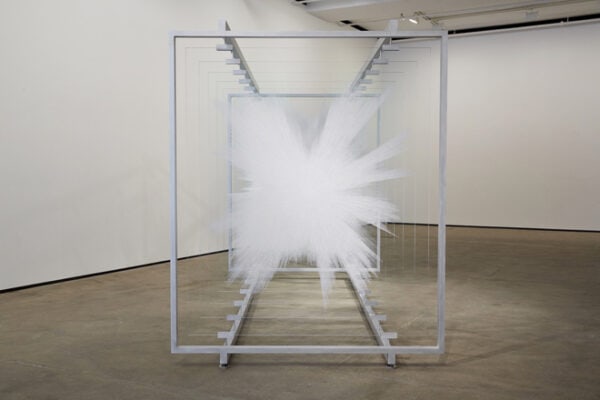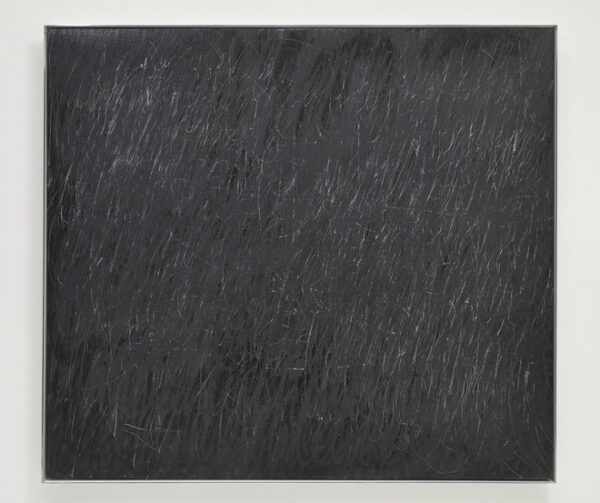
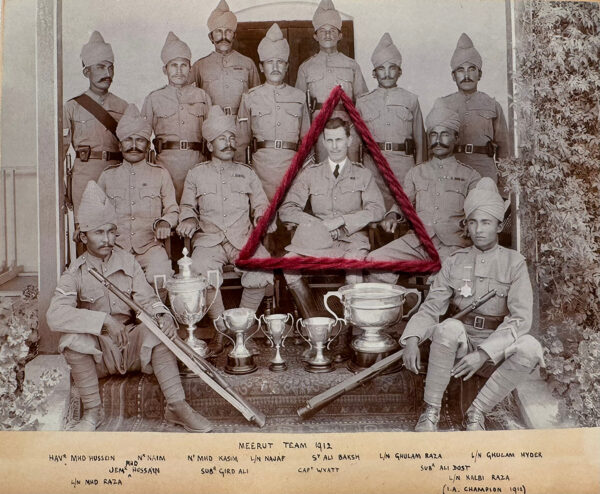
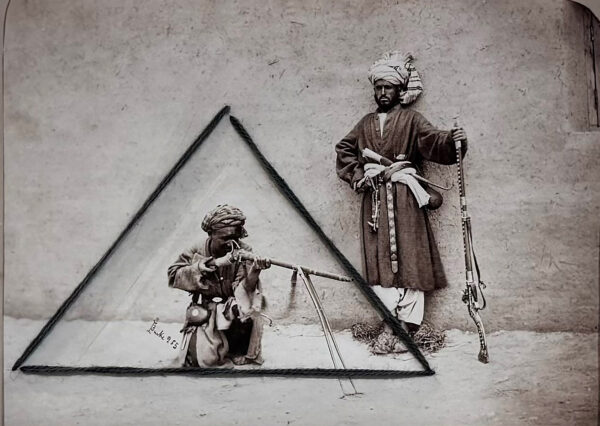
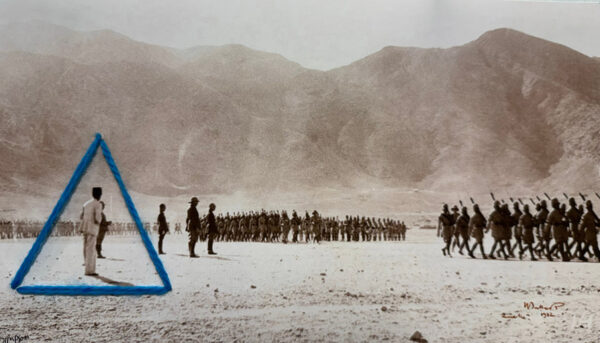
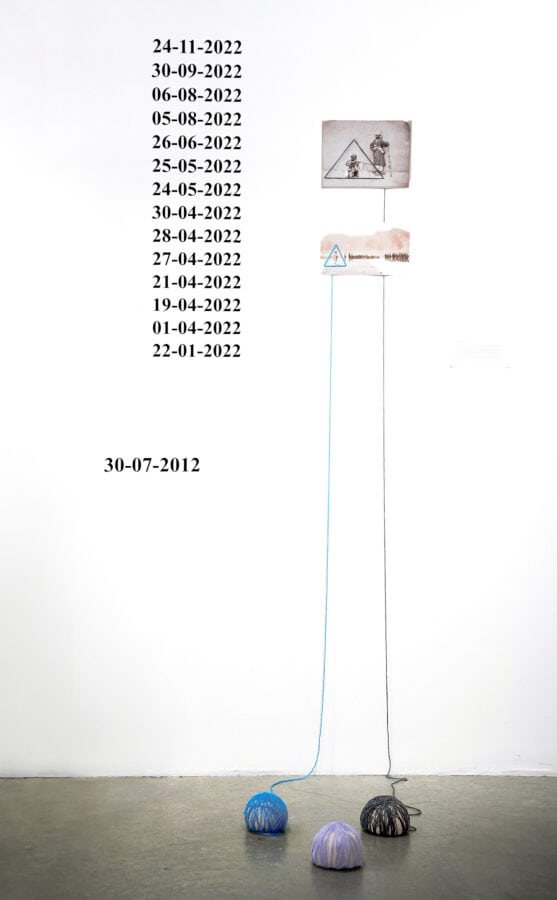
Work from Archive Of Traces: Stitching as A Counter-Archival Practice.
“Archive of Traces is an interdisciplinary research project that examines how institutional archives and the politics of language shape the visibility of Hazara histories in Afghanistan. This project focuses on how archival systems produce historical knowledge through practices of naming, classification, and omission, and on how these same systems leave some histories unseen or only partially legible within official records. I am especially interested in how displacement is translated into institutional categories that often fail to hold the complexity of lived experience.
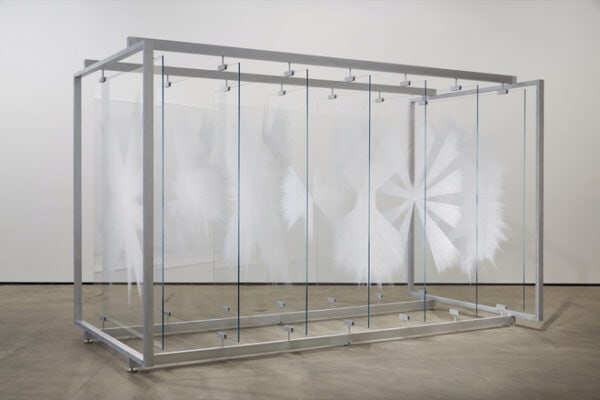
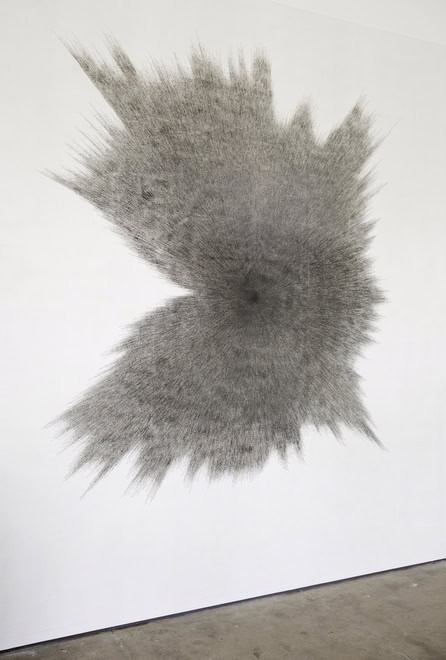
As a member of the community that I research, I use artistic practice to respond to what appears absent from history. Working with archival photographs, documents, and installation, I approach studio practice as a method of research rather than as a separate form of expression. This project understands the archive not as a neutral repository of truth, but as a site where power shapes what can be recognized, recorded, and preserved. In this way, Archive of Traces engages fragments of history through material and affective forms in order to reimagine memory and attend to what remains only partially visible, without claiming a complete restoration of the past.
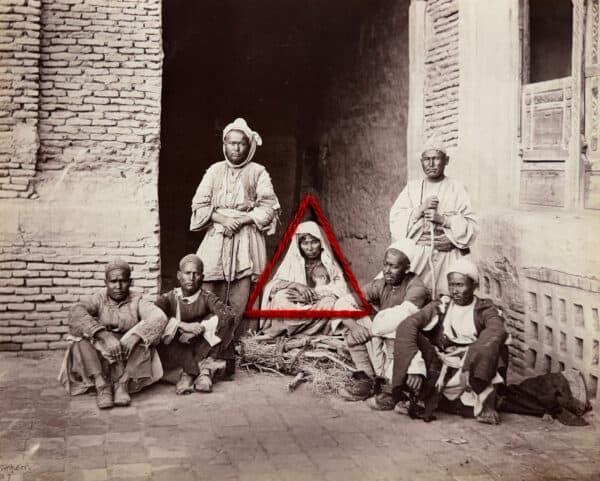
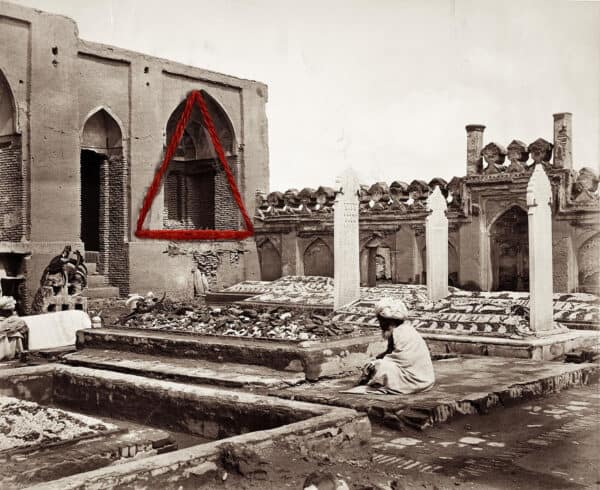
My perspective is shaped by growing up within Iranian and Afghan contexts, where questions of gender, visibility, and belonging were never abstract to me but part of everyday life. Patriarchy strongly influenced women’s access to education, work, and mobility, and class and social position shaped how those restrictions were experienced. Although I come from a working-class family, I was encouraged to study, travel, and imagine a different future, which shaped how I understand both exclusion and possibility. That experience also informs how I approach colonial photographs of Hazaras. I became especially attentive to how Hazara people, and particularly women, appear only briefly and partially within institutional archives. This absence has felt deeply personal to me. The more I searched, the more I realized how little there was. The images in this project are drawn from colonial archives spanning 1880 to 1956, yet the visual record remains limited and fragmented. In my work, I mark this fragile presence with a red triangle, a form connected to Hazara visual culture and the mountainous landscape of central Afghanistan, as a way of linking what appears faintly in the archive to a broader cultural memory that exceeds the limits of the colonial record. In this way, the project becomes not only a response to archival absence but also an effort to hold space for histories and presences that have not been fully recognized.
Questioning the reasons for my parents’ migration to Iran from Afghanistan led me to study more closely the longer history of Hazara displacement and to ask when, how, and under what political conditions this violence began. Although Afghanistan was not formally colonized by Britain, British imperial intervention was central to the formation of the modern Afghan state in the late nineteenth century. After the Second Anglo-Afghan War, Britain recognized and supported Amir Abdur Rahman Khan (the ruler of Afghanistan from 1880 to 1901) with subsidies, weapons, and political backing as part of its buffer-state strategy. It was under Abdur Rahman Khan, who ordered and oversaw the genocidal campaigns against Hazara communities, that anti-Hazara violence intensified in the 1890s through mass killings, enslavement, land confiscation, forced displacement, and the destruction of local autonomy, especially during the campaigns of 1891–1893. Recent legal scholarship argues that these atrocities should be understood as genocide and shows that anti-Hazara violence did not end in the nineteenth century but established a longer structure of persecution whose effects continue into the present. In this sense, British colonial power in Afghanistan operated not through direct rule, but through imperial support for a state whose consolidation was inseparable from the genocide and long-term marginalization of Hazara people.
Archive of Traces is not only a study of archival absence but a practice of reimagining how memory can be carried, materialized, and made felt. I treat the archive as a site where my artistic and feminist choices do not simply try to bring back the past but stay with the forces that have made some lives visible and others invisible over time. This means I do not see my practice as fixing the record or finding one final truth. Instead, I enter the archive knowing it is made by people, marked by gaps and silences, and still full of possibilities for reading and telling these histories differently.’ – Fatemeh Rezaei