Simon Dybbroe Møller

SDM_Aperture-Orifice_view-05 SDM_Aperture-Orifice_view-04 SDM_Aperture-Orifice (1) SDM_Aperture-Orifice_view-01

Simon Dybbroe Møller

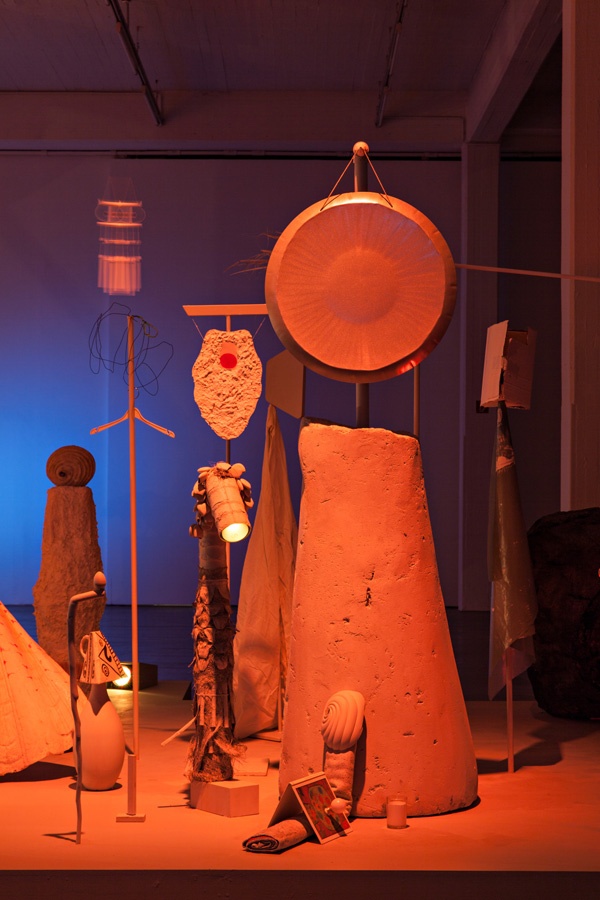
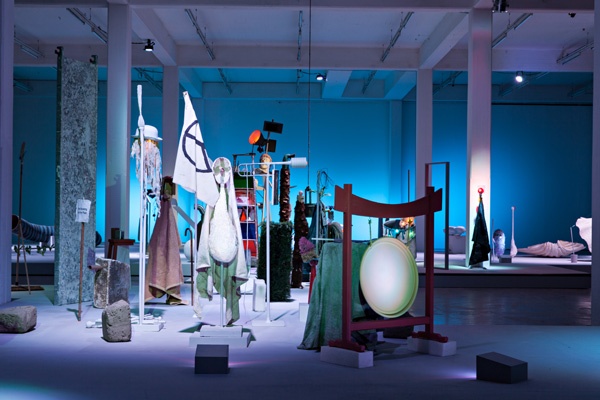
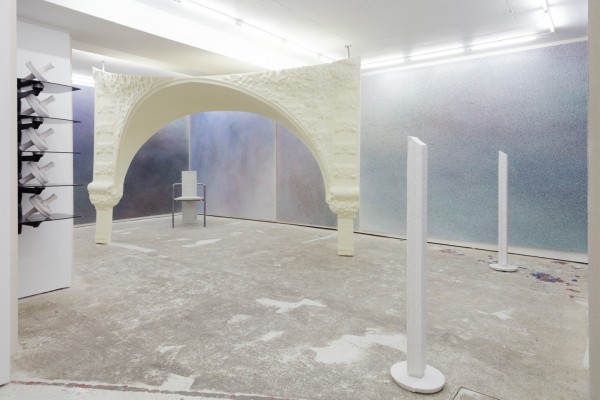
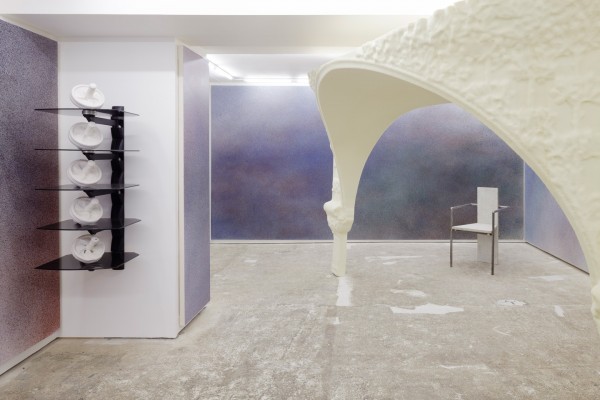
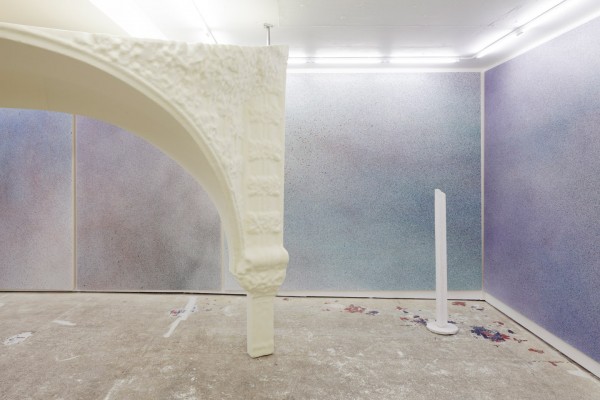
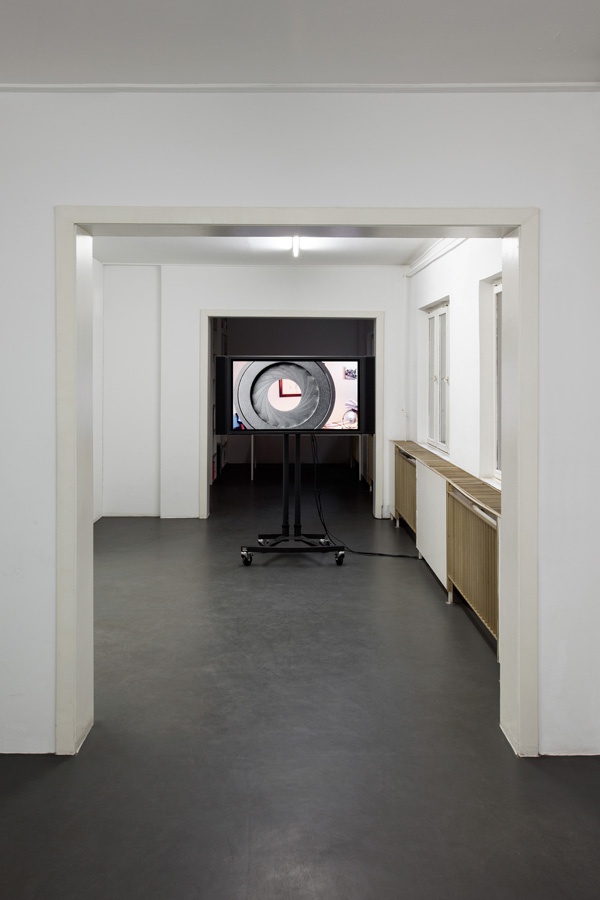
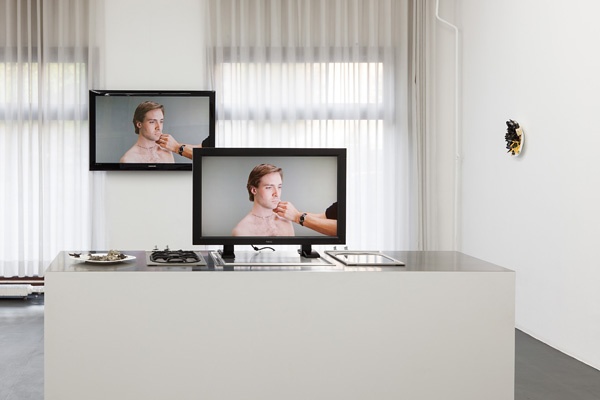
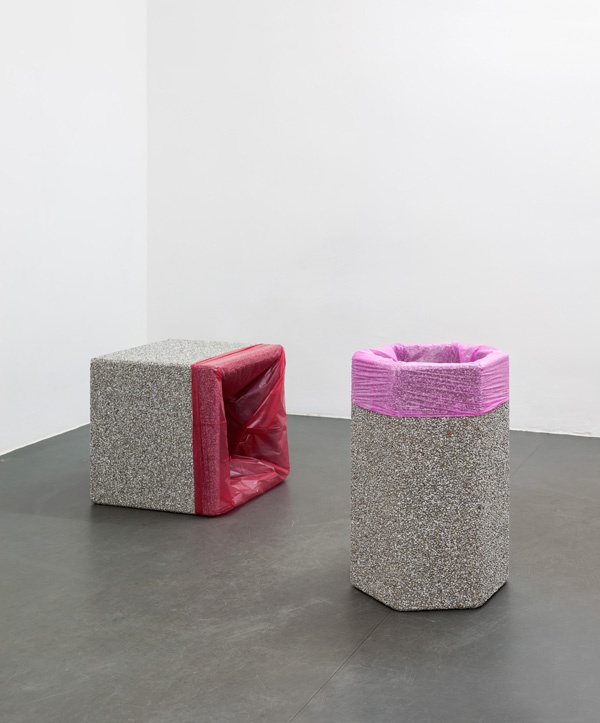
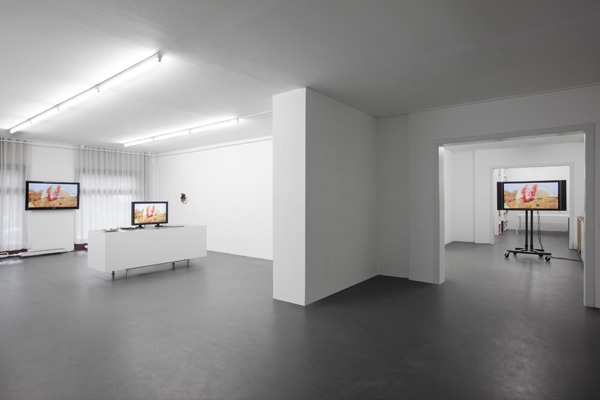
Work from “Aperture & Orifice” at Galerie Kamm, Berlin.

“This is what I would like you to know and how I would like you to know it.

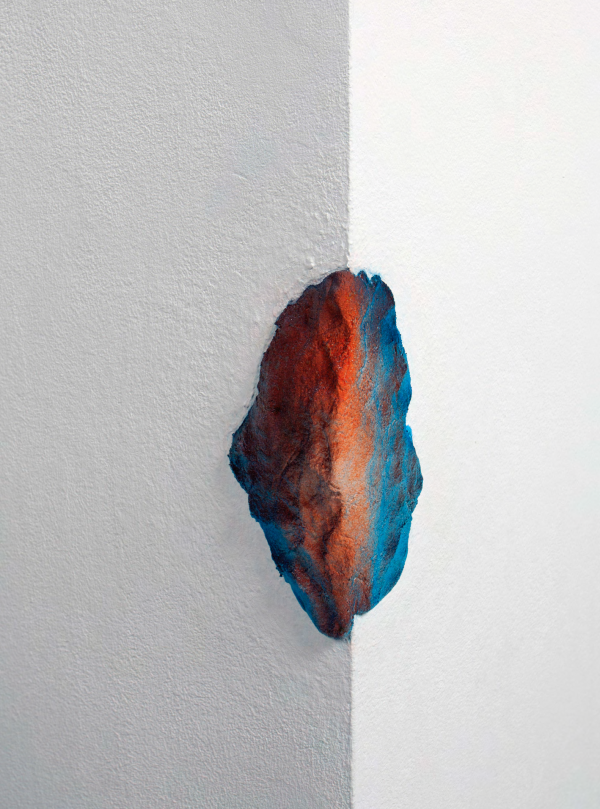
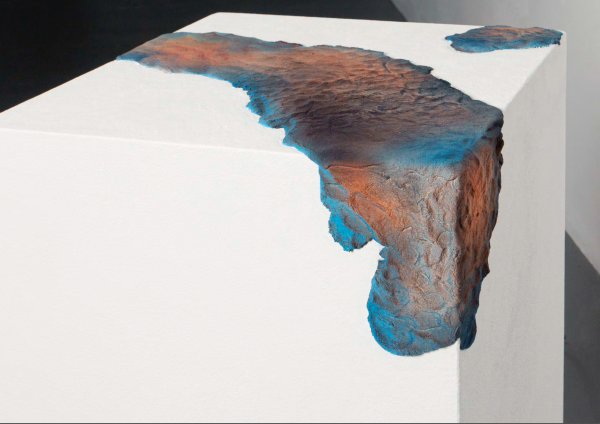
The music video to D’Angelos breakthrough hit “Untitled (How Does It Feel)” could be read as a meditation on the brotherhood between the vulgar and the stylized, the erotic and the pornographic. It features a single long shot of the singer, his unclothed and ripped upper body in a black space. While the camera moves around him capturing the tightening and relaxing of his muscles in ultra close up, it also limits itself to moving within an imaginary frame defined, top, left and right, by the dark emptiness of the studio and at the bottom by what is presumably his naked crotch. In other words, this is the Ken Burns’ style panning and zooming into a photographic image you know from the automated slideshow on your computer, albeit in 3D. The motif actually flexing its muscles is what makes this product a bastard. Or: the perfect crossbreeding between the moving and the still image.

We know it well; The relationship between aperture and shutter, between the eye and the sitter. We have been there and understand that desire. We allow ourselves to think of pelvic floor exercises while choosing our f-stop.

If anything, you should know that the Canon Mark II was produced for a 4-year period ending in 2012, and that it was the first camera to unite professional still picture and moving image making capabilities. An unassuming black plastic thing that cancelled a century long debate on the qualities intrinsic to photography on one side and the moving image on the other. Of course, as we all know, film is just a series of photographs arranged chronologically, making the fusing of the two in this machine seem more like a reunification of twin sisters separated at birth than a daring cross boundary merger. This machine is both real applicable progress and an anachronism at heart. It is the technology-commodity equivalent to launching a passionate attack on religion in the company of nothing but declared atheists.

These days we photograph what we eat. It is as if we are preparing to one day have the edited evidence at hand: This is what I fueled my body with. We turn the mechanics of survival into images of mood-lit wellbeing, into images of choice. The Japanese tradition of fake food called Sampuru, a name derived from the English word “sample”, was developed by candle makers to communicate menus to non-Japanese speaking foreigners. Molds are made of the components of an actual dish, then cast in polyvinyl chloride and hand painted. During the molding process, the ingredients are chopped up and combined in a manner similar to actual cooking.

We are on a cross Atlantic flight and we are thirsty. And then shortly after the drinks have been served, we eat. And then we all go to the toilet. Imagine how paper and urine and feces now slides through the tubing of this incredible machine. What a great experimental model this is. This is where weight is constant. This is where dieting won’t save you.” – Simon Dybbroe Møller
Katinka Bock

IMG_6257 IMG_6287 IMG_6476

Katinka Bock

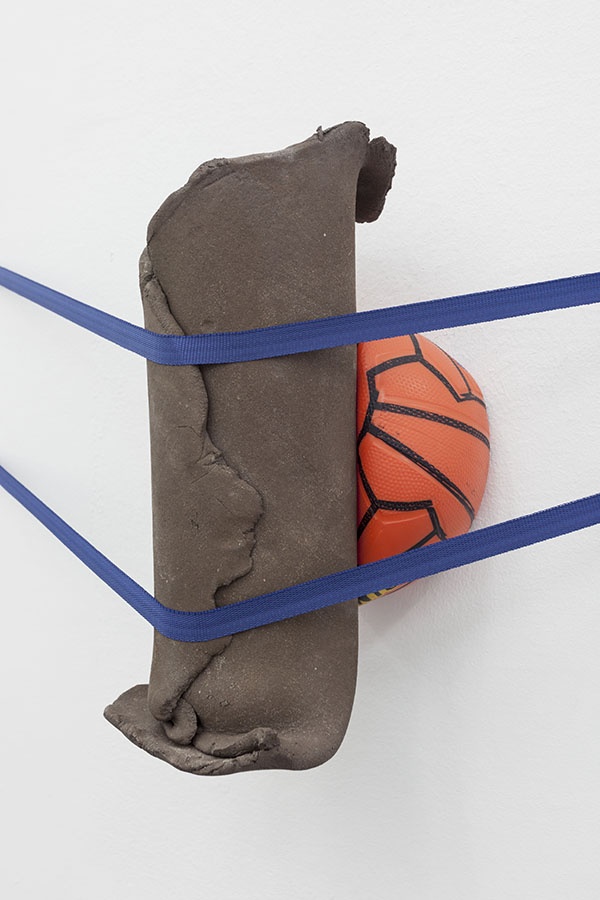
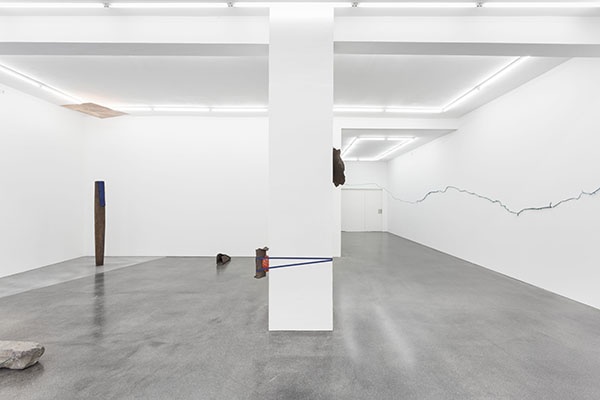
Work from “Februar” at Meyer Riegger, Berlin.

A Conversation between North and February

North: My constant is space, my territory immaterial. But time envelops my limbs. It reaches out for me, while I lay my breath on it. Here I exist in a subtle way. The passing of time is inscribed in the discrepancy between two chairs, one placed on an island in a park for a certain time, weathered and dull-edged, it bears evidence of my presence, my gusting and secret hunting on its skin. I never saw the other one. Would they recognize each other?

February: Their togetherness is destined to last for a certain duration, this duration is my body, I surround them with my definition of time. I am just as caught up in the temporary as you are, but with the period of time that I impart in my invisible demarcation, I also provide space to stay, to pause. A viewer can linger.

North: You are traversed by a horizon line of bronze-cool branches, your borders marked, along the wall, the ceiling, the coordinates that encircle you here and now. The points that mark me remain in the realm of the non-visible, if one even grants me such measuring units. Despite the limitation and definition of place, time, space: I grow continually, as movement. Within a single day, a person can take on my characteristics, climbing up to a balcony and dropping matter from it. The result is shaped by calculation and coincidence, it carries my vibrating, oscillatory driving force, even if we may not see the action nor the material being moulded. It is like an open game.

February: I need these boundaries, the beginning and the end. Without any firm definition I would be lost. That which flows does not lie in my power. You move freely. I develop in the liberty of this cave and surface, which I embrace with my body. I harbour caves like this here too, allegorically shaped out of clay, with wood, cloth and other soft materials… plastic footballs that are crumpled or bit apart by dogs, found or traded. Their jagged form nestles up to to my columns. My hollows are vessels for words. And then the open spaces, you spoke of the horizon. It defined the distance, the landscape, possibly even the border, where I may meet you, where our spirits convene. This blue sfumato line winds between stasis and its trembling dissolution in space. I feel close to you, kindred, although you make the end of my existence clear to me.

North: We are part of flux, we are processes. The transience of the moment and the limit of space; who would be we if they frightened us? They define us, just as we describe and fill them, as what they are and can be. The balls tell us stories, just like the chairs speak of reciprocal absence. Only their dissimiliarity within sameness reveals their shared orientation. They connect the two of us, and yet they are completely themselves.

February: Warmth and cold, light and dark. Space, surface. Time, space. We bear all of this inside ourselves, we reveal it in the counterpart that comes close to us. You selected the performance, I the exhibition. We encounter our roles. Trying them out may soften and sharpen our eye for experiencing time and space as what they are. They are us. Somewhere, children play with balls outside, they do not ask about February and they do not ask about North.

North: Your horizon is the beginning of my act. We will meet again in May” – Christina Irrgang. Translation by Zoe Claire Miller
Heidi Norton

42_140213-838
42_140213-850
42_untitled-1
42_140213-849
42_140213-840
42_140213-4143
42_140213-841
42_6
42_purplesmoke

Heidi Norton

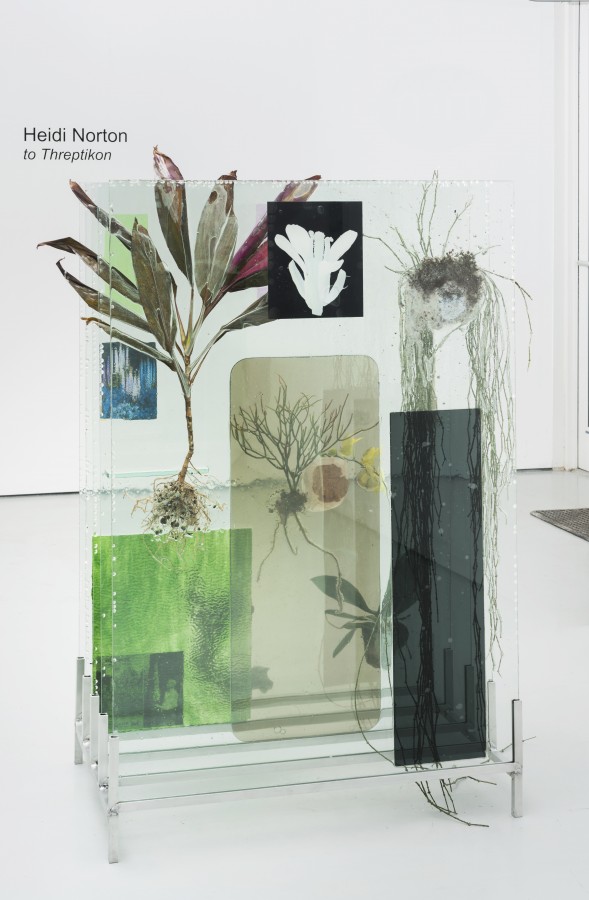
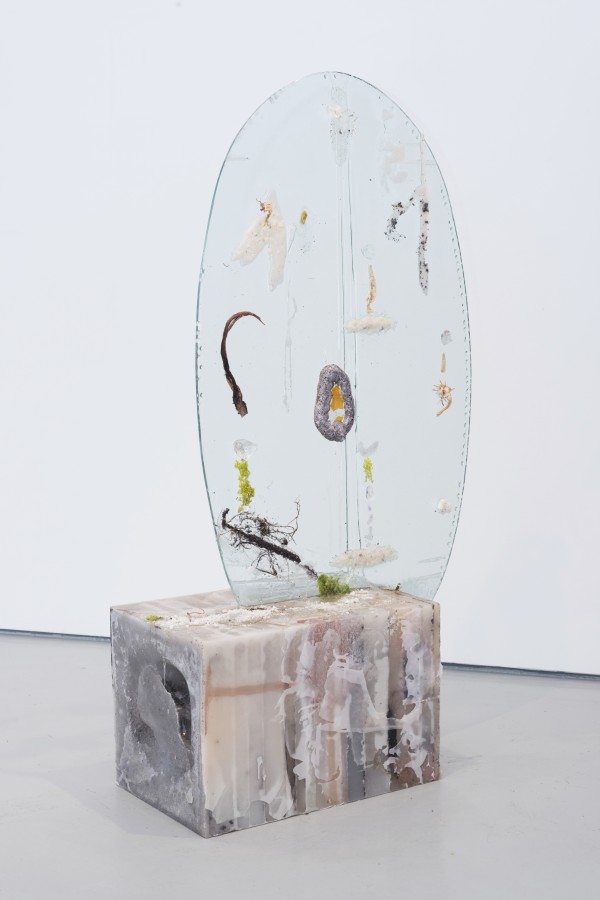
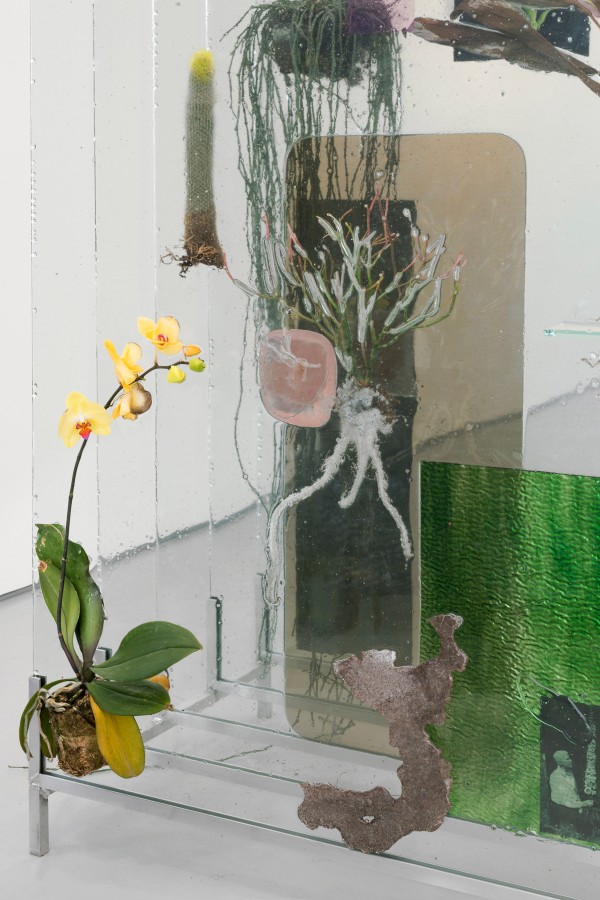
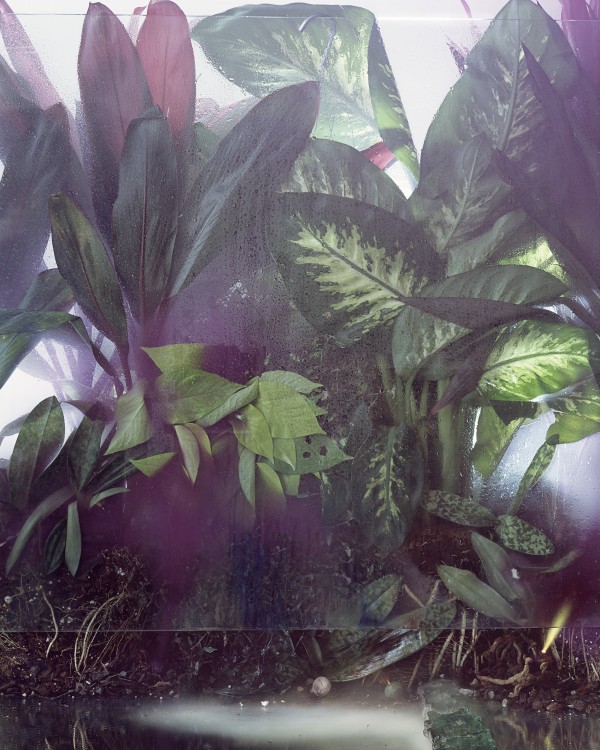
Work from to Threptikon.

“If all continued to grow and grow, if there were no death, the world would be monstrous.

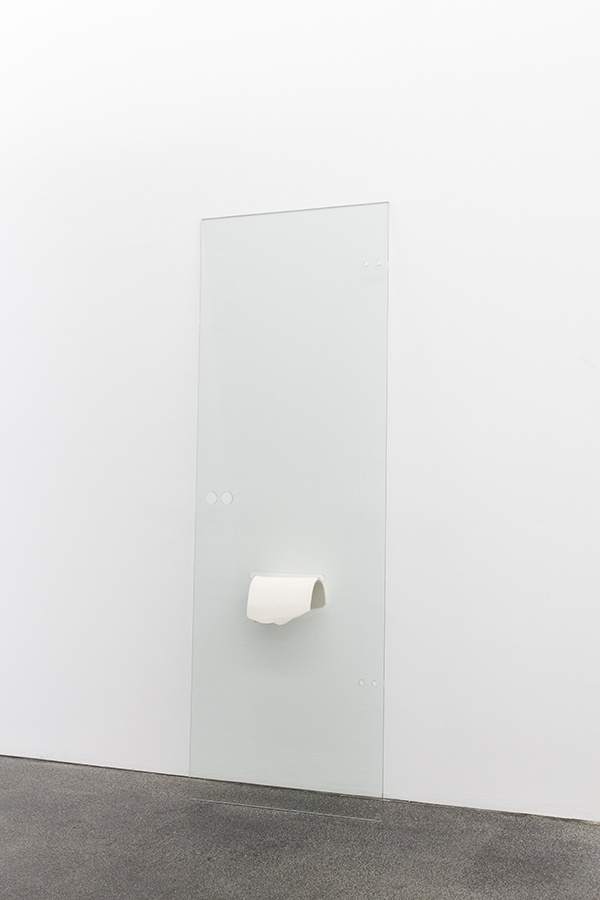
My father wrote a home remedy on a piece of paper in 1977, the year I was born. It was folded and pressed like a dried-up flower in a Fox Fire book he sent me in the mail. It spoke of cobwebs, bacon, and muslin, a supposed natural remedy for a wound made by a rusty nail. A year after I received the note I showed it to him and he refused to believe he wrote it. My parent’s past went missing, they wrote their own self-mythology, retrospectively, using time and space to distance themselves from their previous life as homesteaders. My work is in part an attempt to reclaim their time lost. Through the mediums of photography, sculpture, and painting my work speaks to the instability and liminality of time, while investigating ideas of preservation through material and modes of display.

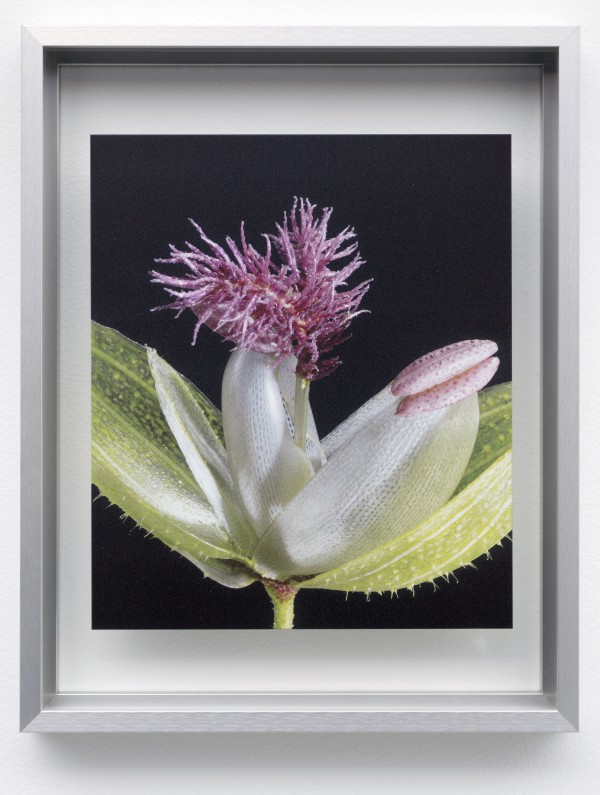
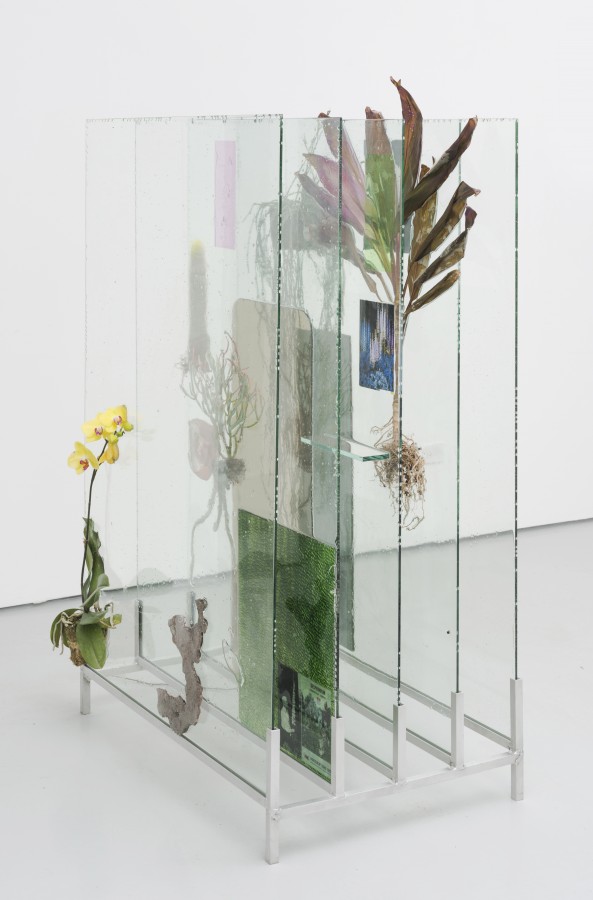
Plants and light become the primary mediums, as does glass, resin, wax and detritus (literally dirt from my studio floor). The plants act as a metaphor for larger, macro ideas of nature and its ecological cycles–of its impermanence and futility. Houseplants are encased, pressed, or “frozen” using materials that speak directly to histories of preservation. Light and it’s phenomenological (via the viewing experience) and physical effect, go hand in hand. The silver halide crystals of a photograph can trap light, just as the photoreceptors of a plant absorb light during photosynthesis. As the plants move through ecological spans of time, the works’ physical form expands and compresses.

The relationship between image and object is cyclical and malleable. Material is deconstructed and folded into new works, objects become photographs and photographs become objects, each activating and demanding a new space. The studio is the activation site. It’s hybridity between plant study and art production is a constant negotiation. It has provided insight into my process, helping me realize that I have different ways of performing and producing. The photographic process is methodical and structured, allowing me to use the lens to distort, skew and disrupt space and time–to fix, to sterilize, to make permanent. The sculptural process is one of improvisation, of reaction, of movement, of change. Glass is broken, resin is recycled, dead plant is plucked, and impressions of the studio are lifted and layered into new works.” – Heidi Norton

Melike Kara

MelikeKara_RealSorbet_Ortloff_5
MelikeKara_RealSorbet_Ortloff_6
MelikeKara_RealSorbet_Ortloff_3
MelikeKara_RealSorbet_Ortloff_1

Melike Kara

Work from Real Sorbet at Kunstraum Ortloff.

Melike Kara’s work makes specific reference to the last remnants of modernism. Her pared back metal sculptural forms illustrate the streamlined potential for poetry within the sleek cool of industrial design. Her use of colour suggests a revisiting of 50’s America, with a nostalgic glimpse at the west coast cool of Californian chic. Her painted works, whilst acknowledging the history of painting which precedes it, alert the viewer to the action of her very specific mark making process, whilst simultaneously they hint at a freedom, cut loose from the trappings of the painting canon. Real Sorbet illustrates the intricate relationship contemporary art has to its past whilst playing with a newer, fresher vision of what we may expect to come.

Lili Reynaud-Dewar

04-dsc6496bearb 03-dsc6507bearb 05-dsc6522bearb
0A-LR_V_8.002.L02-dsc6453bearbeitet

Lili Reynaud-Dewar

Work from “Live Through That ! ?” at Galerie Emanuel Layr, Vienna.

“Lili Reynaud-Dewar’s first solo show at Galerie Emanuel Layr, “Live Through That ? !” is the first of a series of shows similarly titled. All the works in the show, ranging from sculptures, videos, sound pieces and performance documentation are also named Live Through That ? ! no matter their differences (and similarities). Indeed this is Reynaud-Dewar’s habit to name different works and shows with the exact same sentence for a certain period of time.

In 2013, she titled all her exhibitions and works “I Am Intact and I Don’t Care”, after a verse by Arthur Rimbaud in the poem Bad Blood. In 2014 it is “Live Through That ? !” after a text by american poet Eileen Myles which describes the activity of flossing as a kind of survival technique that allows the writer to think about life, death and the politics of the body.

A video opens the exhibition. It shows a black suited man carrying a mirror and walking through the snow-covered woods, his hands covered with black make-up. At times he stops to floss his teeth. Accentuated by progressive Techno music, the video increases its intensity by way of repetitive elements, both in the music and in the flossing scenes. Here we are facing some form of repetition of a daily mundane activity, but somehow at odds with normality.

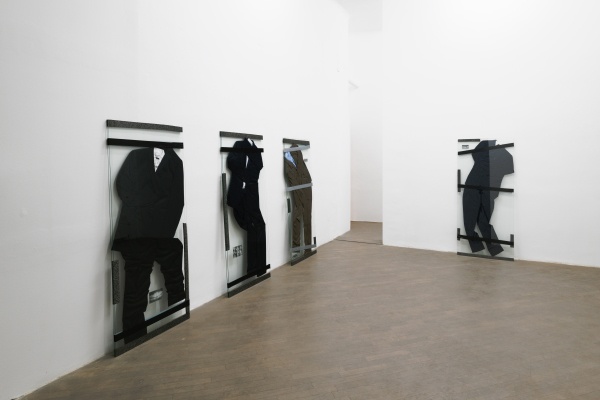
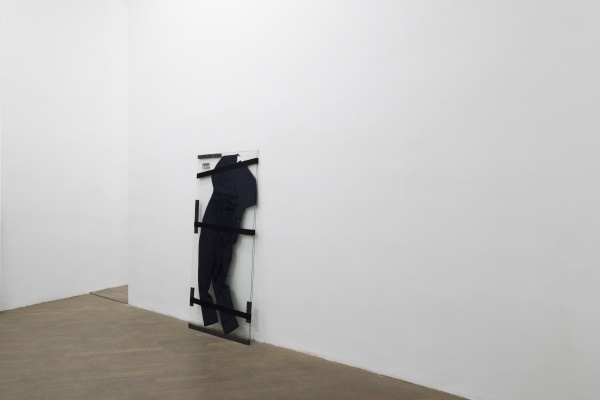
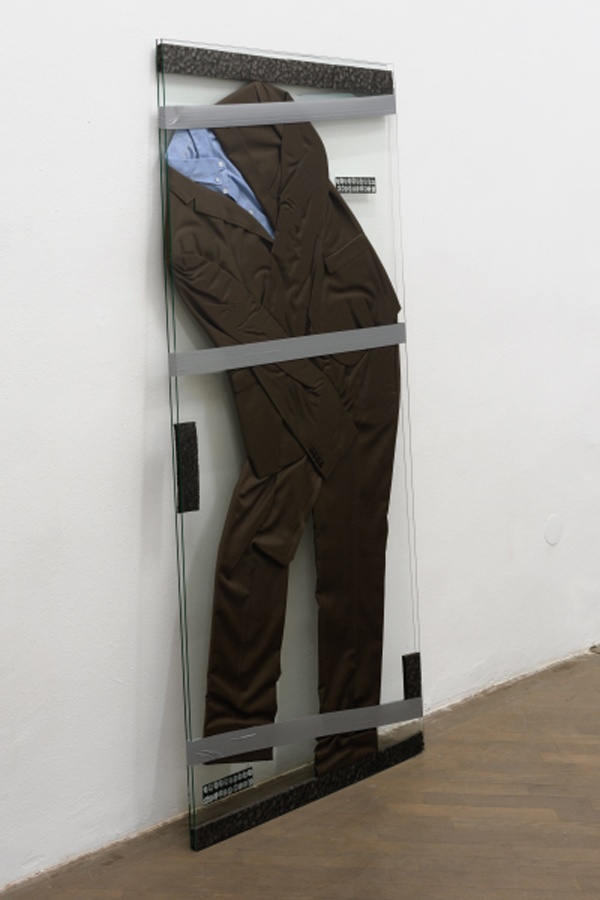
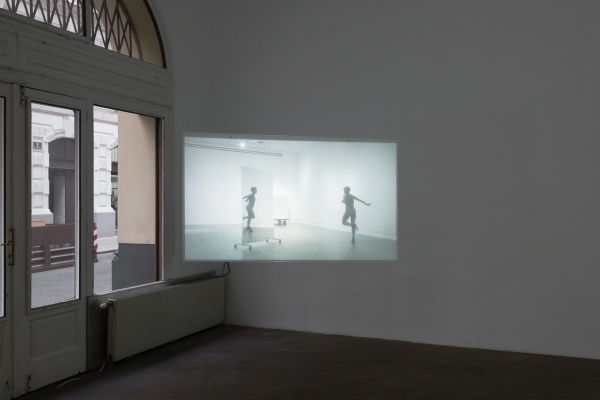
In the second room, is a series of male suits pressed between glass, brutally fixed with duct tape and onto which are fixed photographs of dental anatomy. The sculptures show the inner and outer from human bodies. Without being able to characterize the person behind the glass, the suits function as stylized bureaucratic men without any personal character. Their slapstick and ridiculous poses seem to awkwardly mimic – or at least respond to – the agility of the artist’s dance performance, shown on a hanging screen in the middle of the room where these glass sculptures lean. In this video, Reynaud-Dewar naked, her body painted grey, and her hair dyed grey, impersonates the figure of Josephine Baker. She repeats the iconic’s dancer’s choreographies in the Logan Centre of Chicago, an art space where she just participated to a group show this winter. This video is part of a longer series, initiated in 2011, which serves both as documenting the artist’s circulation and life, as some sort of video journal, (she dances in most of the institutions where she gets to work or do an exhibition) but also the various exhibitions and typologies of art spaces she encounters (as well as -once again- their similarities) The artist once called this a form of “fidgeting and intimate institutional critique”…

In the final room, the “garage” named after its monumental metal door and functional beams, are five new sound-sculptures in the shape of miniature beds. Every single sculpture consists of a little bedframe, mattress and sheets, in which a speaker is incorporated. Again, this is a form of repetition (and degradation, the artist insists) since the miniature beds are reminiscent of Reynaud-Dewar’s previous sculptures of ink fountain beds, which she dedicated “to writers to make use of their own life in their work”. The sound consist of french writers Guillaume Dustan and Marguerite Duras devising mundane things such as their personal shopping lists and their maintenance of their homes. Here again, the mundane is at stake, but not necessarily meaning the normal. The music, composed by Nicolas Murer A.K.A Macon (just as in the first video on view), a collaborator of the artist, reinforces the feeling of repetition and exhaustion. Each speaker can be perceived on its own as much as the spectator gets closer to each little bed, but the work is also meant to be perceived as a whole, with voices, music and silences contradicting and covering each other. Which is somehow how one could perceive Reynaud-Dewar’s work in general : an assemblage of repetitions, stutters and contradictions.” – Galerie Emanuel Layr

Geoffrey Farmer

Farmer_LMTWTB_2014_KVHH_Dott_1 Farmer_LMTWTB_2014_KVHH_Dott_7 Farmer_LMTWTB_2014_KVHH_Dott_12 0A-Farmer_LMTWTB_2014_KVHH_Dott_41

Geoffrey Farmer

Work from “Let’s Make The Water Turn Black” at Kunstverein in Hamburg.

“Bettina Steinbrügge, the new director of the Kunstverein in Hamburg, is delighted to present the first solo exhibition in Germany by the Canadian artist Geoffrey Farmer.

The unique artistic practice of Geoffrey Farmer (*1967) has its roots in Dada, Happenings, performance and process-based works. It presents the possibility of alternate temporalities, reconfigures the opposition of the material and the conceptual, and embarks on the odyssey of performative meaning-making. After extensive research, the artist builds encyclopedias that unify aspects of visual art, literature, music, politics, history, and sociology.

The mechanical play Let’s Make The Water Turn Black, which is inspired by Farmer’s interest in Kabuki theatre, is populated with sculptures, some of which are kinetic, that perform the various acts in an ever-shifting, computer-generated score of lights and sound that play out over the course of the day. Using the life of Frank Zappa as a structuring device, the work progresses chronologically from 1940 to 1993, and employs various methodologies that have influenced Farmer: William Burroughs’ use of the “cut-up”, Kathy Acker’s employment of pastiche and Zappa’s own editing technique, Xenochrony, or strange time. The effect of this is kaleidoscopic, and allows the work to touch on disparate subjects, from Edgard Varèse to the L.A. Riots; from Pachuco music to nose picking. Algorithms and the ability for the score to improvise, makes experiencing the piece unique and unpredictable on each day.

Farmer’s work explores ideas and representations of power, freedom, and identity. It is rooted in the collaborative protest movements of the late 1960s. The way of being through music is actualized, re-presenting an anti-authoritarian perspective. The artist adjusts cultural history by breaking open temporality and chronology while mixing cultural forms. The liminal space between the outside world and the realm of art marks a point of transition for the visitor forming new pathways through music.” – Kunstverein Hamburg

Emanuel Röhss

PNI.ERO014
PNI.ERO-2014-INSTALL-1
PNI.ERO-2014-INSTALL-2
PNI.ERO-2014-INSTALL-9
PNI.ERO002

Emanuel Röhss

Work from Knut Ljungfelt at Project Native Informant.

“A mellow lit high end Swedish restaurant interior, February, lunchtime.

Where the fuck is Beatrice?, Knut thought, starring at his Bovet Fleurier 46 watch through half closed eyes as he uncomfortably sat waiting at a corner table in restaurant KB downing a vodka tonic.

Waiter, another, he called out to no one in particular.

Beatrice walked in. White blouse underneath this season’s black denim Balmain jacket and tight ivory leather skirt. Her hair was extremely blonde, her eyes bright blue, framed by heavy dark eyeliner, she gave an aura of undeniable sensual confidence.

She was amused when she glanced at her waiting cavalier with his intensely arduous face.

You where supposed to be here 10 minutes ago!

My aerobics class with Daniel at the F&F went a little over. I always finish.

You’re never ever at the gym, if you went there it was to fuck your personal trainer

Don’t be jealous.

A bald waiter in all black appeared next to the table

Today’s lunch specials are a wild goose salad with caramelised cranberries, lemongrass and bourbon reduction, a Norwegian wild salmon steamed on a bed of seaweed with a gold extract and chili salt, a reindeer fillet with virgin asparagus and honey powder, or a….

Give us whatever is already on the plates over there I don’t care, and a Dom Perignon 1996 – in half a shake!

Someone could use some tranquilisers to bring down his coke hangover from last night…

Shut up! I need to be at Riddarhuset in 45 minutes, then I have an appointment with John from AFGX, and a conference call with LA and Hong Kong at the office, your unpunctuality doesn’t make things easier. And by the way why are you dressed like that?

Like what?

Slutty

I dressed as if I was going for lunch with you.

He blinked like a notorious epileptic as he was looking from the stucco ornaments in the ceiling to his beeping iPhone 5SX and typing something cryptic, then back at his Bovet Fleurier 46 and breathed heavily. In one motion, as the waiter came up from behind, he grabbed the Dom Perignon out of the shiny ice bucket and poured it’s content to the brim of their red wine glasses at a 90 degree angle making the liquid flow out over the edges to create a Jacuzzi of French sparkles on the white tablecloth. The bald waiter came in, this time carrying something looking like electrified chicken legs in pink dressing – the wild goose salad sir.

For a moment they silently starred at the fluorescent cadaver, then, obviously in an attempt to address Knut with something important Beatrice took on a face like the secretary opening a meeting at the chamber of commerce.

Your family expects us to announce our engagement before long.

No no no no he let out to the whole restaurant, not managing to meet her look as all his bodily capacity was consumed by trying to control a spasmodic reaction. Two seconds later a black Volvo limousine V90S appeared outside the window, he grabbed his iPhone 5SX and stood up

I cannot discuss this right now – I’ve got business to pursue! My team is operating like marines! We sail and we hunt. We can take anything.

Knut threw six 500 kronor bills into the Champagne Jacuzzi, gave out a loud unrecognisable muttering sound towards Beatrice, already in full motion he forgot his Samsoe and Samsoe coat on the hanger and just as the bald waiter started to open the entrance door, he ran through it and jumped into the car.” – via DUST Magazine

Katharina Fengler
Screen Shot 2014-04-25 at 10.57.00 PM
Screen Shot 2014-04-25 at 10.55.58 PM
Screen Shot 2014-04-25 at 10.55.39 PM
Screen Shot 2014-04-25 at 10.56.25 PM
Screen Shot 2014-04-25 at 10.56.09 PM

Katharina Fengler
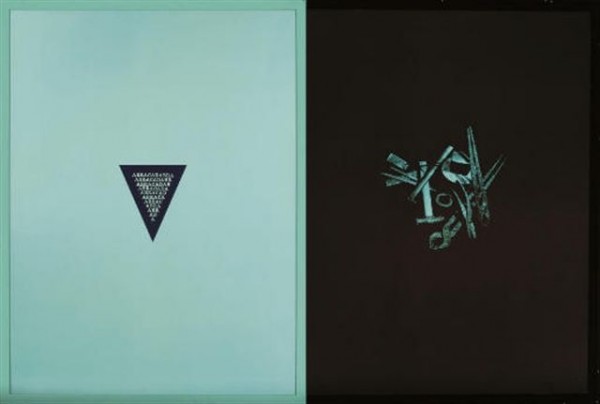
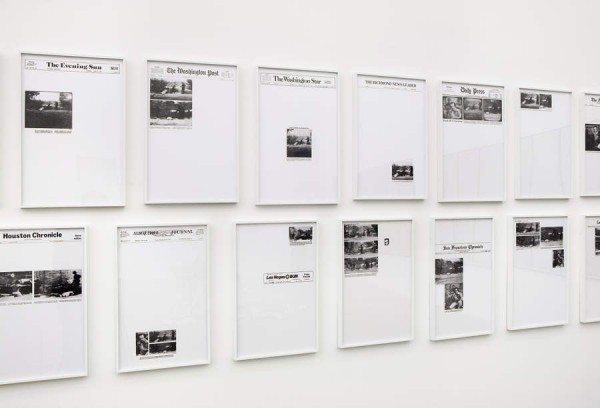
Work from her oeuvre.
“…We probably could have a long conversation now about the terms “pure” and “authentic”. But I have to laugh a bit… did he mean by “vacuum” that he perceives a lot of contemporary art as empty and shallow? I think I understand to some extent what he means. And I can also relate to what you say about your work, but I find it difficult to try to describe this phenomena of collag- ing or sampling and these questions of pureness and authenticity through generalizing. To think of something as “pure” or “authentic” is also just a concept or an idea which means that in the end it is just a belief. One can believe a lot of things. If someone thinks pureness comes from knowing how to apply oil on a canvas, that is fine, if it serves some purpose. To me authenticity has more to do with trying to be true to oneself and knowing oneself (as good as one can), like the Temple of Apollo at Delphi suggests. But this is also just what I believe. In general I find it more important to become aware of one’s beliefs and not mistake them for the one and only truth. I also see that you and I already belong to a generation that is very much influenced by this overflow of information and malinformation through the internet. It seems that for our generation (and perhaps even more for the younger ones) it is just not very likely to stick to one medium and do the same thing over and over again, hoping to become a master in that field. There is just so much out there that is in- fluencing and interesting. It has also become a newer form of expression to touch all these interests on the surface without getting too deep into them. At the same time I am just thinking that this kind of practice isn’t at all that new, when I think of Paul Thek, for example. To me he actually stands for both – the romantic artist figure as well as someone who referenced a lot of different genres. I only see that some artists today are taking this wild mixture of references and materials to another extreme. Then again, I can appreciate the paintings that Jonathan Lasker makes, who has been doing the same kind of work for decades – but I would never be able to only work in such a way. I guess I am drawn to both, the “authentic-romantic-living-on-an-island-dwelling-on-escapism” kind of
artist figure and the shaken up A.D.D. kind of artist – the one who uses so many cultural references that everything starts to seem kind of random, and decoding becomes very difficult…” – Katharina Fengler excerpted from an interview with Vanessa Safavi.

Sarah Charlesworth

13-Garden-Of-Delight-1988-Sarah-Charlesworth 209.1230 a001432134-001Sarah_Charlesworth_6875
Sarah Charlesworth

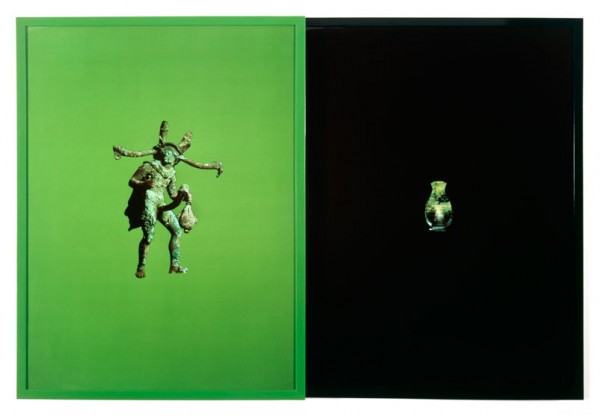
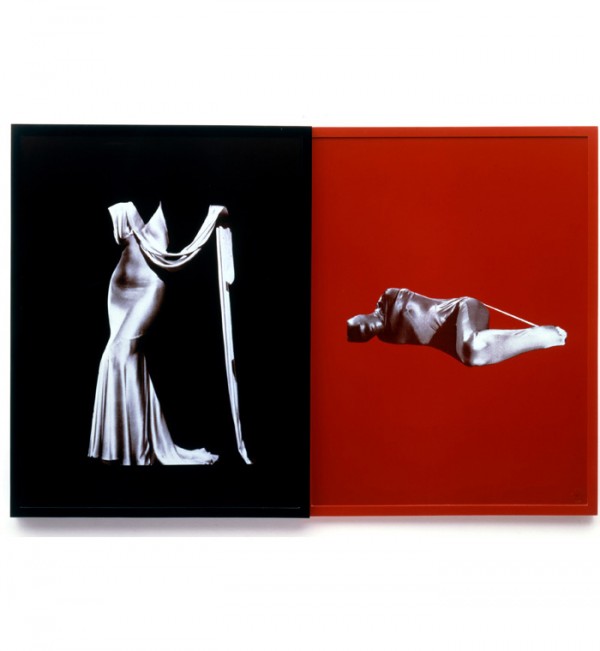
Work from her oeuvre.

“Ms. Charlesworth was part of a wave of talented artists, many of them women, who rephotographed existing photographs or dissected the medium’s conventions with staged tableaus. This work was an important step between the cerebral rigors of 1970s Conceptual Art and the more permissive image-play of 1980s Pictures Art.

Her Pictures Generation contemporaries included Cindy Sherman, Sherrie Levine, Louise Lawler, Laurie Simmons and Ellen Brooks, as well as Richard Prince, James Casebere and James Welling. and she spoke for many of them when she told Bomb magazine in 1990, “I’ve engaged questions regarding photography’s role in culture for 12 years now, but it is an engagement with a problem rather than a medium.”

Ms. Charlesworth is probably best known for large, exquisite photographic works in which rarefied images — ancient masks, figures lifted from Renaissance paintings, disembodied Hollywood-starlet gowns — are isolated against fields of lush monochrome color. At once seductive and didactic, they compete with painting in visual strength, wink at advertising and slyly raise questions about cultural and sexual stereotypes, personal symbolism and the role of pleasure and beauty — in both art and life — as perhaps particularly female pursuits.” – Roberta Smith, NY Times

Erin O’Keefe

The-Flatness-2_web IMG_0166_web IMG_0354_web 9_4x5_web

Erin O’Keefe

Work from The Flatness

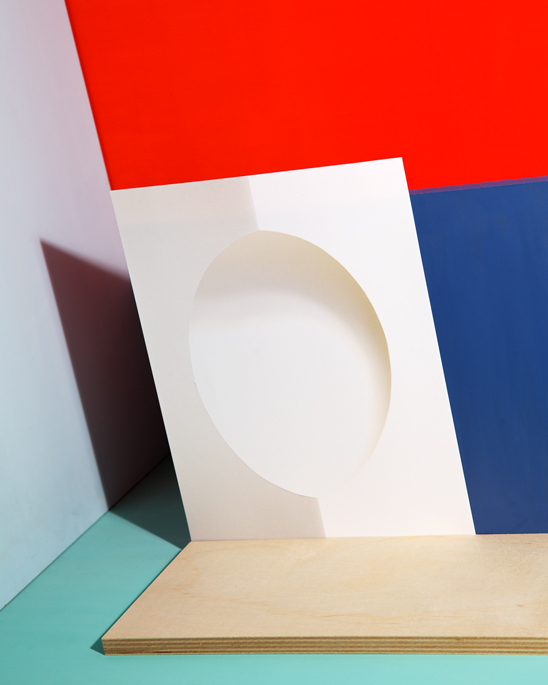
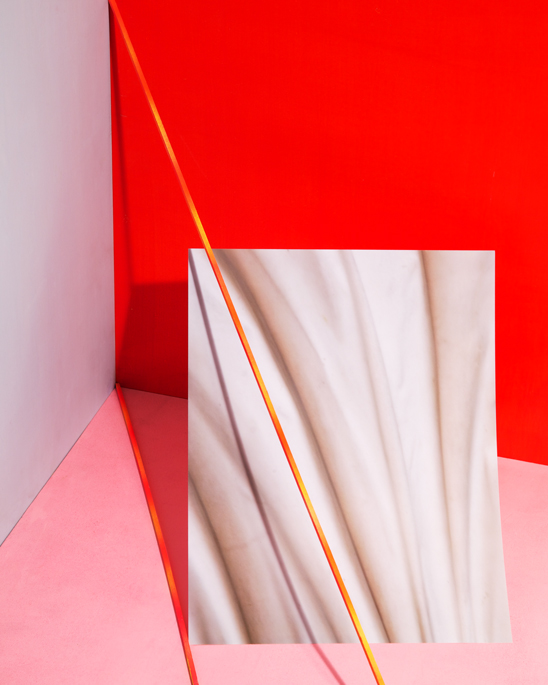
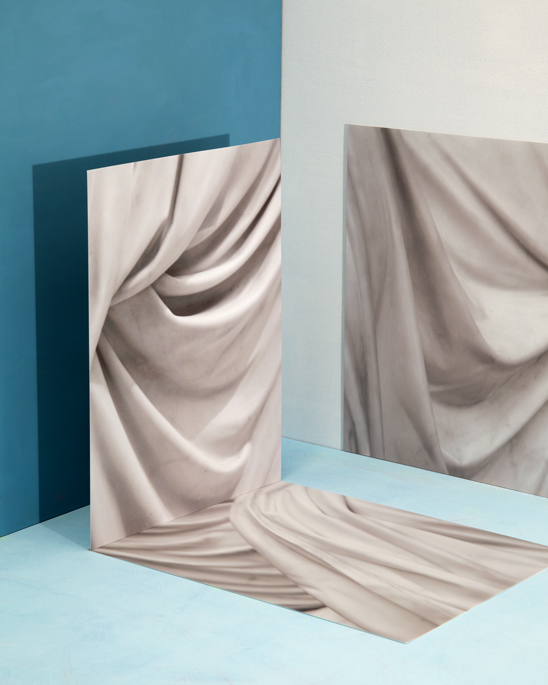
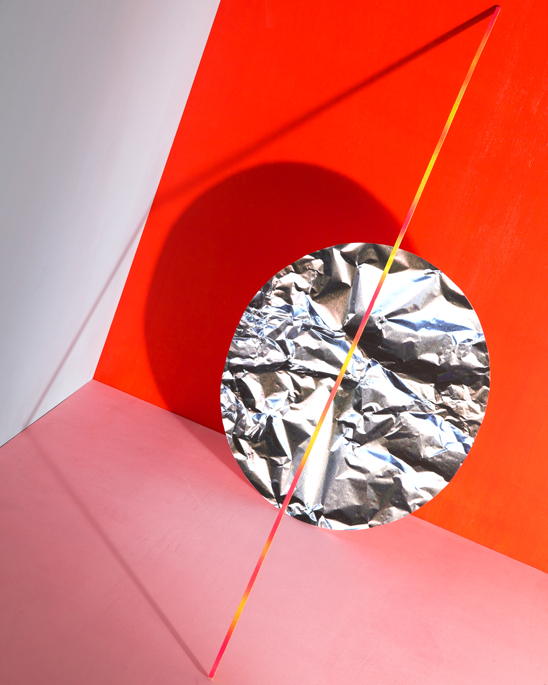
“The title of this series of photographs refers to both the material flatness of the photograph itself, as well as the perceptual flattening of the still life space. The images in this series explore the tendency of the camera to flatten pictorial space, and as a result, foster ambiguous spatial readings. The still life arrangements are comprised of painted plywood boards, physical prints of Photoshop gradient patterns, and photographs. I am interested in the tension between the compressed space of the image and the visual clues that allude to the dimensionality of the still life. The camera is the agent of uncertainty that invites seeing as both an intimate and critical exercise.”