Kitty Kraus

IMG_0052-800x533 IMG_0060-800x533 IMG_0059-800x533

Kitty Kraus

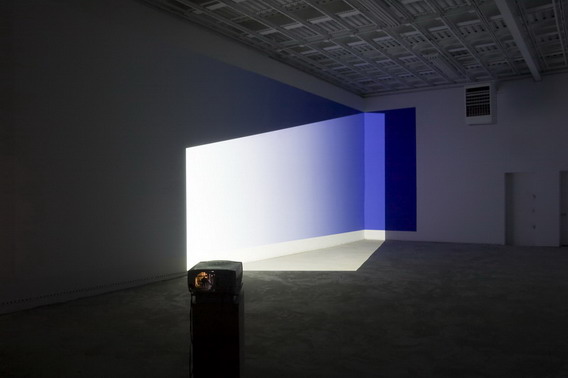
Work from her oeuvre.

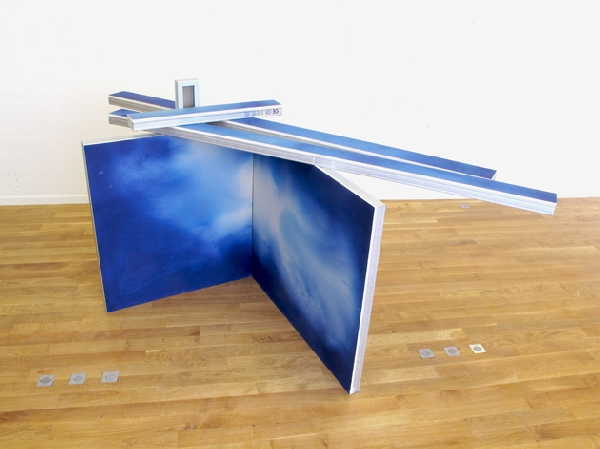
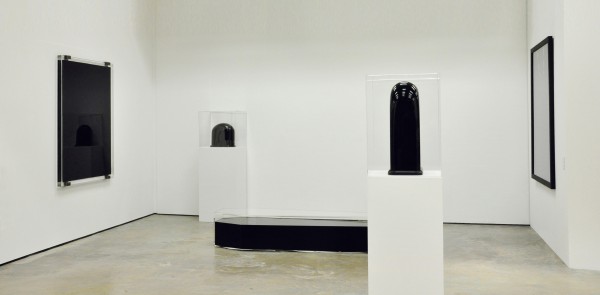
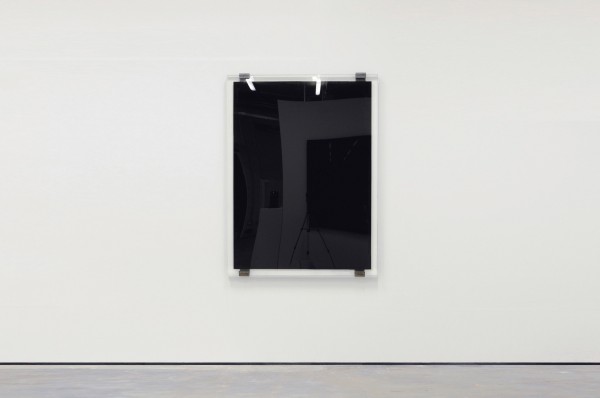
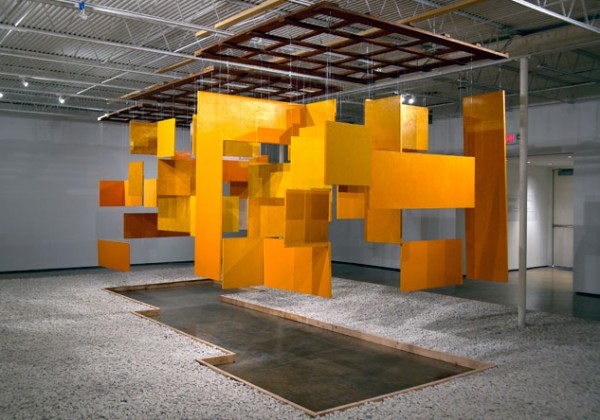
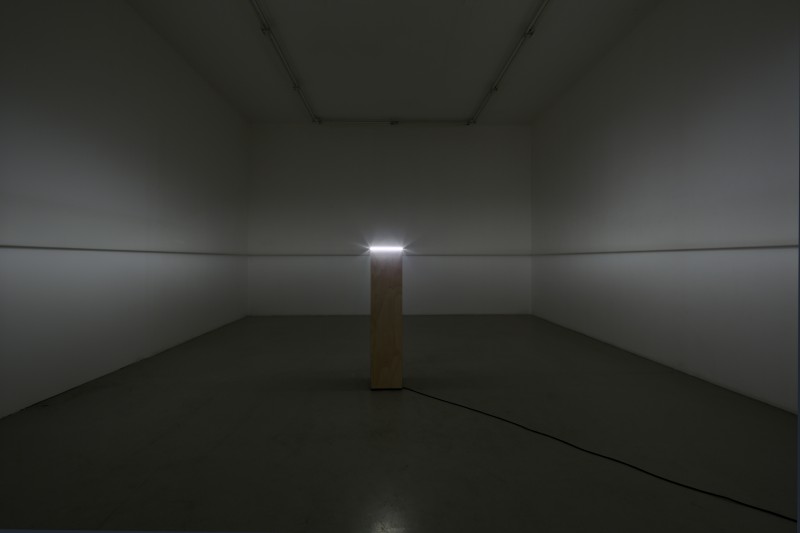
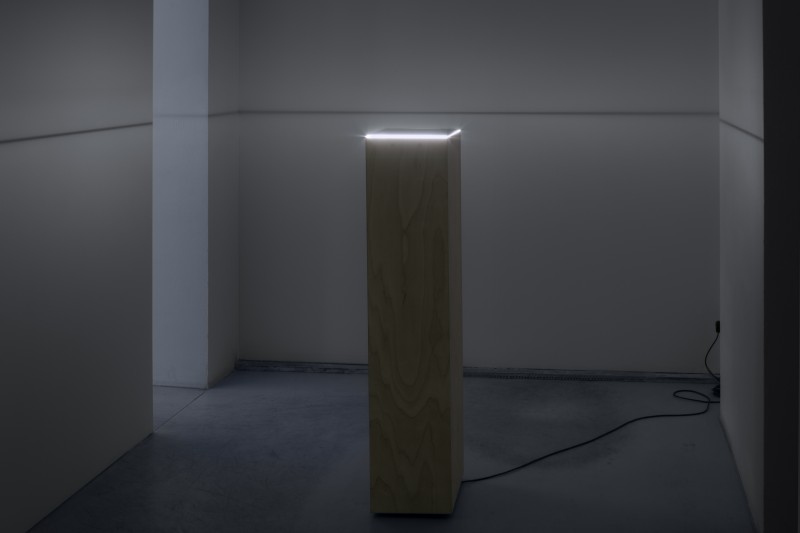
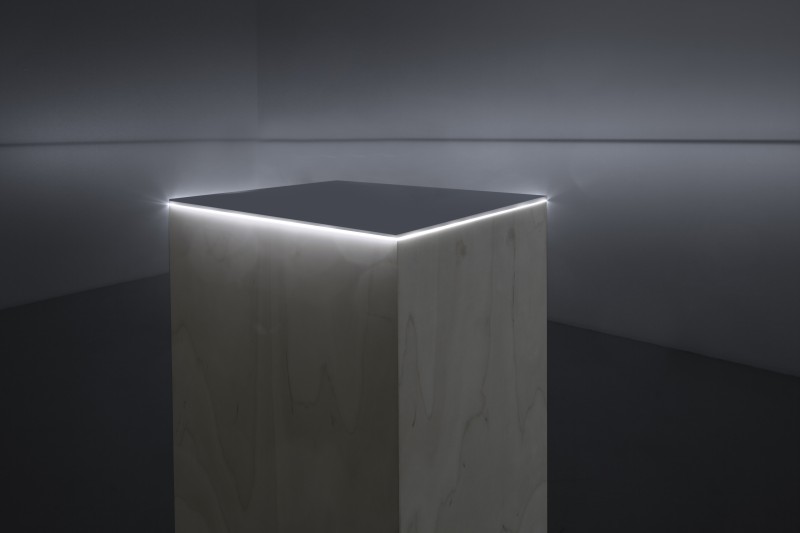
“For her third solo show at Galerie Neu, Kitty Kraus blocked the doors and windows of the gallery space. In the front area and in the middle of the exhibition space, there is one vertical wooden box each, covered with a pane of glass. Between the wooden pillar and the glass pane is a small gap. Both objects seem like self-contained entities. But this small gap allows us to sense that inside of the boxes there is a source of light. Even though one would think this would lighten the darkened room, all we can really see is a dark line, a shadow that is projected horizontally to the walls. Even if the thin gap would lead us to expect an equivalent light in the room, we see above all a narrow dark line. In this way, the darkness of the room is absorbed and reflected through the gap. It seems as if the object were reflecting itself into its negative. And more: it manages to encompass the room in its entirety, divide it, and materialize it. Taking the formal vocabulary of minimalism as a point of departure, Kitty Kraus uses simple everyday materials for her fragile objects. In contrast to the minimalist artists of the 1960s, however, it is clear that here the point is not a formal smooth superficiality of the materials, but rather a visualization of thoughts, a dematerialization of material. Although the physical presence in the space plays an important role, it expands into the ungraspable. Like her glass sculptures and mirror lamps, Kitty Kraus’ new light work, displayed in the gallery, is characterized by an intentionally formal rigor, but at the same time also by its dissolution and/or destruction. While in earlier works, the mirror lamp burst or the ice block melted, here the light, coming from the inside of the pillars, is consciously dispersed, until the gaps and voids, which in our everyday perception seem to tend to slip away, stand out.”- Galerie Neu

via Contemporary Art Daily

Claire-Jeanne Jézéquel

P1010639_large IMG_0058 2044 2057

Claire-Jeanne Jézéquel

Work from her oeuvre.

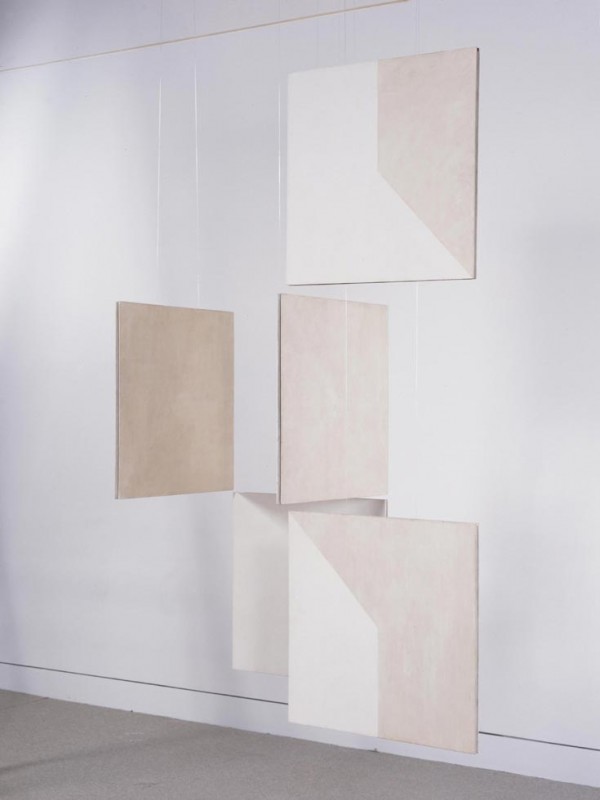
“For the works of Claire-Jeanne Jézéquel, we are in painting and sculpture, sculpture and architecture. “It is never in the landscape that we contemplate, “as they make their sculptures into account the illusion of painting. They are drawings coming out of the wall, a horizon to imaginary spaces, and make us towards a systematic awareness body and space, while upsetting our perception of places. The landscape is addressed to the eye, it is a mental image, the where we perceive the extent of a space which otherwise is not measurable. Claire-Jeanne Jézéquel always uses simple materials and easily identifiable. The cons-plated flexible use since 1998 has been neglected for materials such as aluminum smelting, inaugurated in 2002 for his exhibition at the Galerie Fernand Léger and the Biennale d’Enghien-les-Bains, more recently chipboard associated with painting. Boards are like chipboard torn and covered with a painting bodybuilder, contrasting with broken edges remain raw. Here and there, it settles on the painted surface of “puddles” of paintings.” – Jean-Marc Réol, catalogue for Nice to meet You, MAMAC Nice,

(translated via Google Translate)

Daniel Schwarz

290-original 292-original 298-original 299-original

Daniel Schwarz

Work from Juxtapose

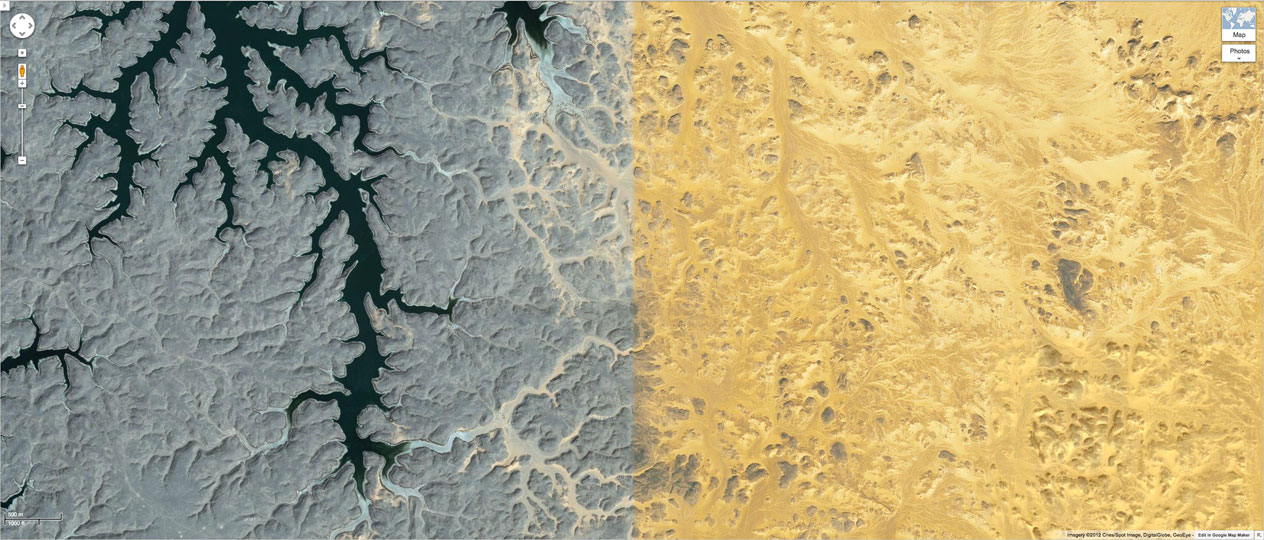
Fach & Asendorf Gallery is running a new exhibition called Juxtapose by Daniel Schwarz consisting in a series of images taken directly from Google Maps that expose distant places, far from society, shown simultaneously under the force of contrary seasons and weather phenomena at varying times. The images arise from glitches which are created automatically when Google Maps’ algorithm stitches images of updated photos with prior recorded ones together in a grid- like view. The glitched images force viewers to interrogate how technology changes our understanding of time, space and place.

“Google Maps is the world’s most widely used mapping service. It influences our perception and understanding of the world and its geography, and since the technology was introduced in 2005, has become a ubiquitous day-to-day tool. Modern life is now unthinkable without it.
Although the satellite images give users a godlike power in jumping from one continent to the next in the blink of an eye, they are also highly abstracted from time, nature and their interrelationships. Google Maps images are not updated in real time, but instead stem from several months or years old datasets. Their exact dates remain unknown to the user.” – Daniel Schwarz.

Shih Hsiung Chou

Degree Show View
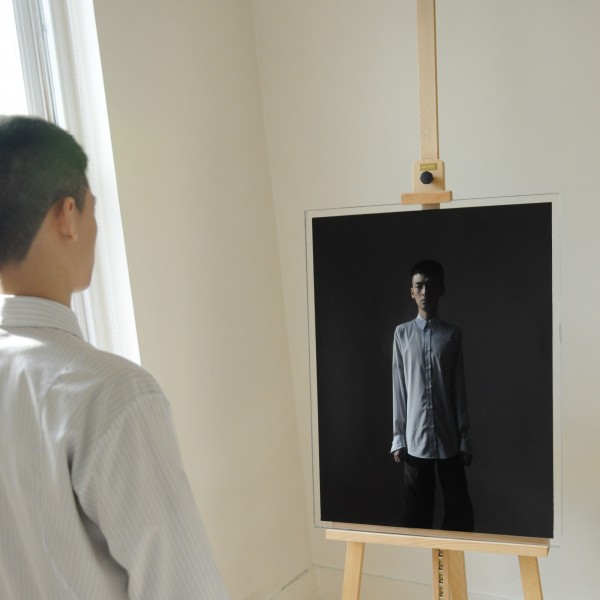
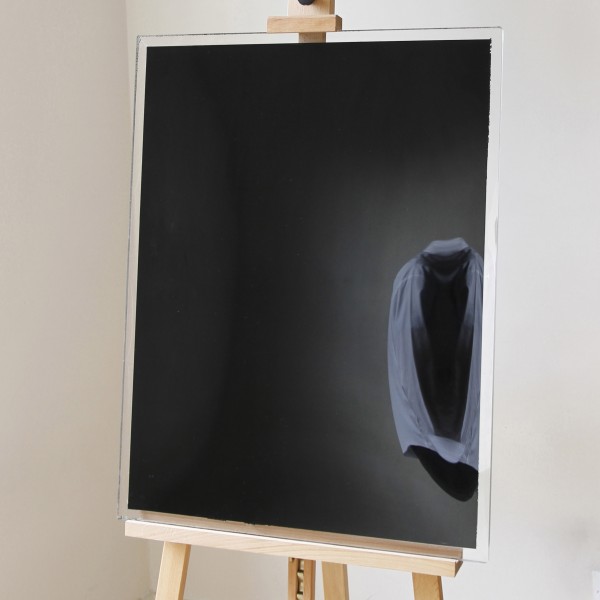
Oil Painting_Recycle Engine Oil, Perspex_84x64x4cm_2011 front with artist's self-reflection
Oil Painting_Recycle Engine Oil, Perspex_160x120x6cm_2012 Degree Show front
Oil Painting_Recycle Engine Oil, Perspex_84x64x4cm_2011

Shih Hsiung Chou

Work from his oeuvre.

“Since my art practice has taken on ideas of making art through an investigation of material processes and the formation of meaning and identity, I have begun considering the relationship between my work and the history of painterly art, but inflected through questions about how the meaning of the object or image works contextually and symbolically. More recently, I have been exploring a process of image making that plays with a complex set of internal/external spatial relations.

Having investigated the relationship between artists and art materials throughout history, I have tried to push the boundary of painting and practiced painting in my own ways. This Oil Painting series never dry, nor does it sit on a canvas. The space within a clear perspex frame (or other vessels) is filled by recycle engine oil. This contextually relevant material is preserved as a monumental object and represented through a form of painterly art. I’m not trying to imitate an oil painting, I’m trying to make one. And if I disregard the assumption that painting is layers of pigments applied to a surface, then I am practicing painting by other means.” – Shih Hsiung Chou

Paul Flannery

Screen Shot 2013-01-26 at 9.15.59 PMScreen Shot 2013-01-26 at 9.16.13 PMScreen Shot 2013-01-26 at 9.16.04 PM

Paul Flannery

Work from 7 Rainbow Minutes.

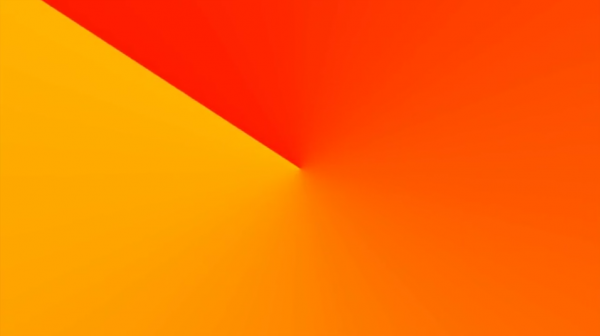
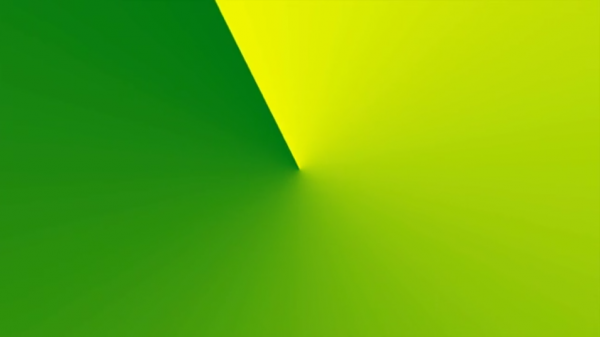
“7 rainbow minutes is part of an occasional series of clocks. Each clock uses a computer file type to keep its time. Often this is a gif with each frame ticking over at one second intervals. In this piece though, each minute is witness to one colour of the rainbow mixing in to the next.

Underpinning the series is an interest in how a computer file, in this case an mp4 might be considered a unit of time. CPU and connection speeds will likely vary according to user and location which combine to make it somewhat unreliable as a measure.” – Paul Flannery

Tiril Hasselknippe

solocouchfullfrontal 37 16_03

Tiril Hasselknippe

Work from her oeuvre.

“The grid is dead. It hasn’t been around for a long time. There are no grids in alien DNA. The grids were a part of the New Post Era. Their ideas were romantic but futile and the bickering concerning capital blocked their minds. It is so long ago. We remember but we don’t feel it, that’s the truth. Our teachings tell us that the evil architecture of the past is easily avoided if one knows, the suicide rates went down drastically after the creators got on the righteous path. Still some resist. It is understandable. It must be allowed to not follow the others, strict determinism must be rejected. But their old ways kill people, there is no doubt about it. The Shar energy depletes until there is no will left to live. Beauty is costly. Beastly.

The body seen as sculpture. Structures. We can study its functionality and disposition. It is the home and the cathedral; the foundation, bricks and pillars. The walls surrounding the ego. The fortress around the heart. An exposé of authority and release of such.

Sculptural language is broad as it stems from a commonplace where an object is under the human rule. For while the object is not dead the tango of death between the human and the object starts instantaneously, and the silence seems to only further amplify the relational tension in the question whether or not the object will overturn the balance between the human and itself.” – Tiril Hasselknippe, Mythology Lives Longer

Hélio Oiticica

Helio_Oiticica_largetumblr_m0umfb5V6c1qbz13no1_1280
Spatial Relief (red) REL 036 1959 by Hélio Oiticica 1937-1980

Hélio Oiticica

Work from Body of Color at the Tate Modern.

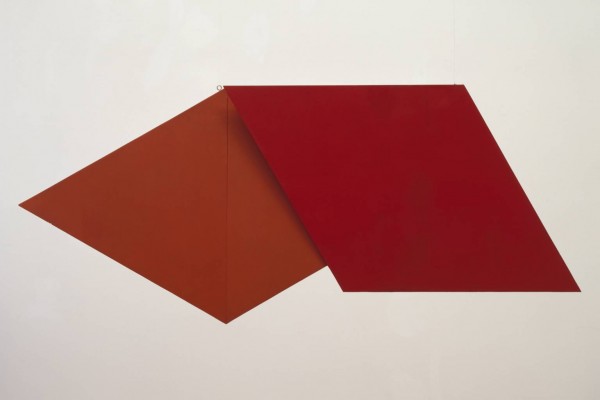
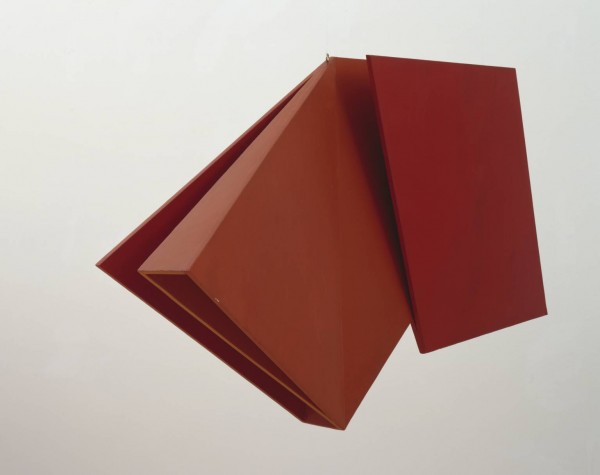
“Hélio Oiticica (1937–1980) was one of the most innovative Brazilian artists of his generation and has come to be acknowledged as a significant figure in the development of contemporary art. Among his achievements was the original and uncompromising use of colour that was central to his practice, and this is the first large-scale exhibition focusing on this key element in his work. Featuring more than 150 works, the exhibition includes several key series from 1955 onwards, some of which have not been seen publicly for more than thirty years.

Oiticica produced a remarkable body of work throughout his career, from abstract compositions to early environmental installations, in which he continually sought to challenge the way in which art could be experienced. This exhibition features works from Oiticica’s early career which show an obvious affinity with masters of modernism such as Paul Klee, Kasimir Malevich and Piet Mondrian, and yet already reveal a highly individual approach. Gradually colour is liberated from the picture plane and given spatial form in further series of works, which include suspended paintings and reliefs, sculptural objects, penetrable environments and ‘habitable paintings’ – capes, tents and banners designed to be worn or inhabited while moving to the rhythm of samba.” – Tate Modern

Pieter Vermeersch

IMG_1662
ny2
59557_1465206316189_526332364_n

Pieter Vermeersch

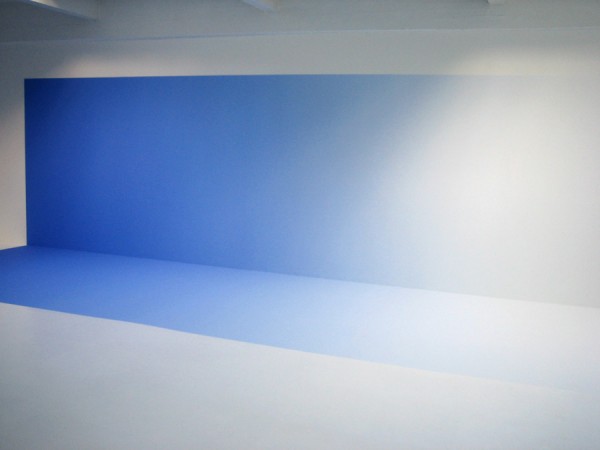
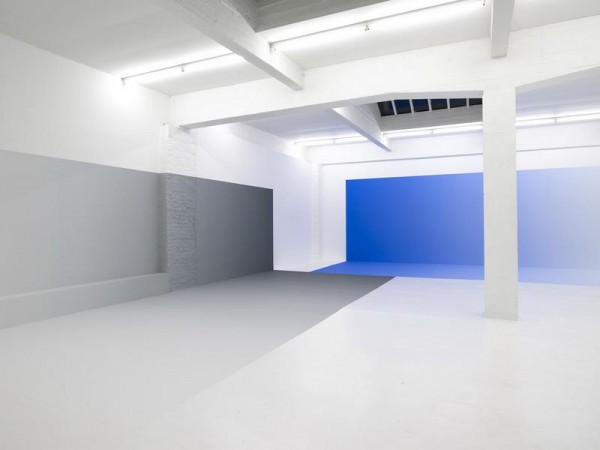
Work from his oeuvre.

“There are images that become abstract and there are abstractions that become images. Pieter Vermeersch is not an abstract painter as such but rather an image maker; those mental images he finds in reality by photographic means. There is no such thing as pure abstraction.

Everything is connected to some part of reality. The image of different degrees of luminosity or the image of the colour of the rainbow’s prism for instance, they fascinate Pieter Vermeersch by their capacity to represent a recognisable image, both identifiable and abstract, while emphasizing the process of image apparition, this “meta-image” in which time progression and space definition take place.

Painting “non-spaces”, dead angles, forgotten spaces from our daily perception (whether it is the Paintings 1999 series, the monumental installation at the MuHKA in 2006, its sequel 10 Untitled paintings of 2007 or the work realized at the Palais des Beaux Arts during the Jeune Peinture 2007 contest exhibition in 2007); it is not about abstract images, autonomous as such, but a representation or a physical projection of an immaterial space related to painting.

The Works in Progress I, II, III series, like a lot of Pieter Vermeersch’ installations, give the impression of a purely abstract work. They are large monochrome surfaces painted on the glass of display windows or a pavilion, with a daily changing tonality and creating inside the space a colour emanation by changing ephemeral essence according to daylight.

In the end the artist’s attention was drawn to this tension between the objectivity of these monochrome, rectangular abstract forms seen from outside and this more subjective and fading interior “light and colour painting”.

Out of the Work in Progress I, II, III series various image-paintings were born that were derived from numerous photographs made by Pieter Vermeersch. The union of the abstract with reality gave birth to a child, sublime, androgynous born out of Apollonian and Dionysian reconciliation.

But beware, Pieter Vermeersch is not aiming for the sublime, he revolves around it to better catch it. And we barely let ourselves be seduced and he bounces us back to our reality.

All this is nothing but painting…

Pieter Vermeersch’ canvasses (I am not talking about his installations) are all in a vertical format, as if to remind of the presence in the world of body and being. It is not about abstract “landscape”, in which case he would certainly have chosen a horizontal format, more appropriate for landscape. His almost monochrome paintings, often placed directly on the floor are a sort of portrait of the absence, like those brown or black backgrounds, those dark masses surrounding the model in many classical portrait paintings. The mass becomes subject and treads out of the shadow, it has become colour, it progresses and freezes in the pictorial space of the canvas to become one with reality.

Presence of the absent, frozen moment of this process of becoming, of this metamorphosis of painting, perfectly unfinished; we return to this “non-space” which, leading to no identifiable dimension, sends us back to ourselves.” – Lilou Vidal, July 2008 / www.pietervermeersch.be

Ingrid Hora

37_zimmerframe-seite-sw 35_wheel 34_performance-small

Ingrid Hora

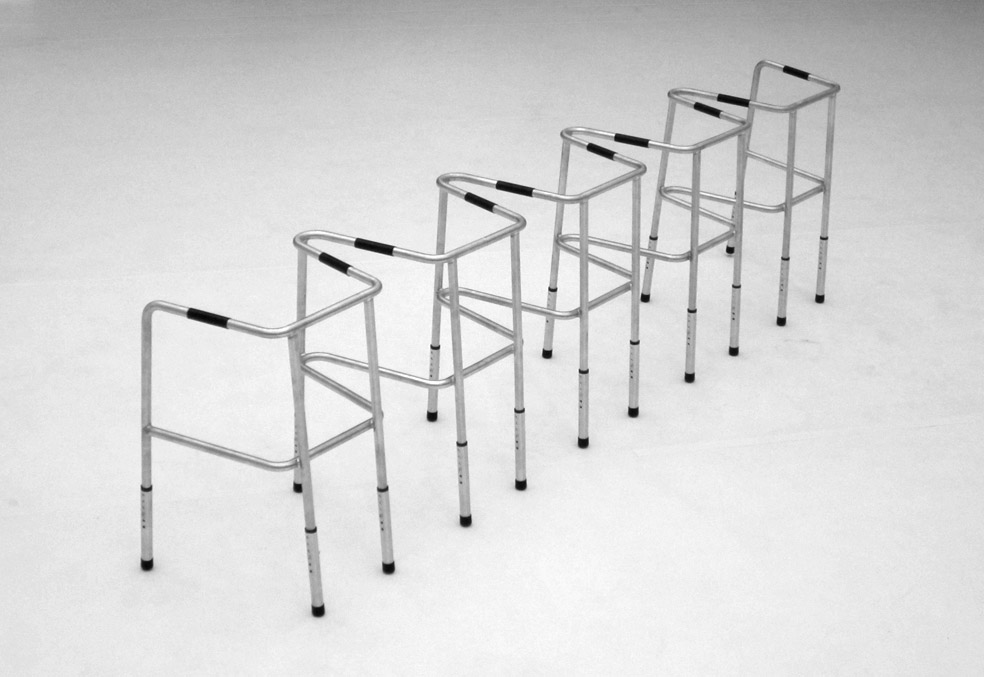
Work from her oeuvre.

“Die Wende (“The Turn” in German) is the story of a group of women from former East Germany who are training to perform a particular movement in synchronized swimming, called “die Wende,” in which the swimmer makes an underwater backwards loop. The women, most of them over 60, are part of a still active East German association (Verein) and have been training together for over 20 years now.

Die Wende also refers to the period of time immediately after the fall of the Berlin Wall. “The Turn” marks the complete process of the change from socialism and planned economy to democracy and capitalism.

After a first theatrical performance that took place in November 2009, Ingrid Hora returns to PROGRAM and transforms the gallery space into a gym-like interior comprised of different artifacts intended for dry training. Over the course of the show in February 2010 the group will meet here once a week for some dry synchronized swimming lessons. A video recorded during their practice sessions in water will also be on view during the exhibition.” – Ingrid Hora

Charles Nikolas Beunconsejo

index-1
index-2
index

Charles Nikolas Beunconsejo

Work from Reality is a Hologram.

“It looked like a calm had settled, but then he realized he couldn’t shake off the restlessness. There must be something more than this. Suddenly Charles Buenconsejo felt limited within his own craft, after he reached a point where he thought he already knew what there was to know: about equations of lighting a face learned from his father’s studio, framing a landscape from road trips with friends, setting up an image to tell a story for a magazine…
These have all become too familiar. The shuffling of life and work from behind the camera.

Recently, he got caught in an obsession about concepts of an alternate universe, string theory and wormholes, devouring as much as he could from popularized works of theoretical physicists Stephen Hawking and Michio Kaku. And as with all those who succumb to the pull of the unknown, Charles’ describes this recent fascination as “falling into a rabbit hole.”

Reality is a Hologram, Charles’ first solo exhibit, wrestles between the skillfulness of the photographer and the unknown that magnify his limitation. To compress within a single frame all the angles that exist in a story without cropping out all the evidence of truth, he can only do so much as a photographer.

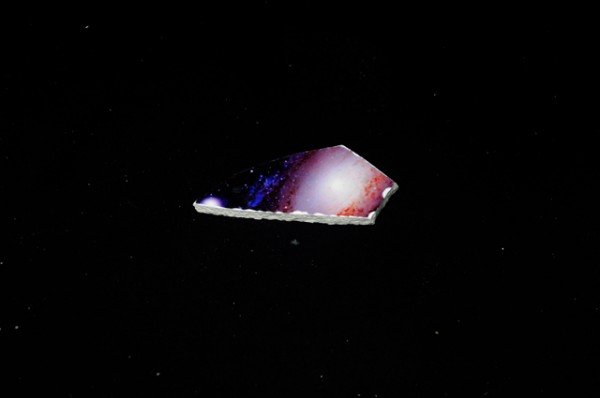
In“A Thousand Stars Burst Open”, Charles reveals a galaxy broken up by gravity. Beyond his grasp, this vast universe, and all its secrets and theories scuffle for attention, edged out by reality and common hours for him to move on. And yet he tries to give as much as he could for his sanity by creating slivers of escape routes through concrete.

Charles embraces the idea that reality is an illusion, with the truth standing a few steps away from it. What we want is close enough to be held and yet it cleverly eludes us. “Zoning Out of Reality”sucks you into a trap of an image on loop. It implies an endless night of a cycle of thoughts, caught in a dream state instead of waking up and finally taking action.

Perhaps there are so many things he has to settle within himself. In“In a Different Time, In a Different Place”, the story is that of his middle-aged father packing his bags to live a new dream far from the familiar shores of Cebu. And for Charles, Cebu signifies home and family. To visit a place and to find absent what has been constant unsettles him.

There is more to what we think we already know. There is a need to grow new shapes out of two-dimensional living and to breathe in more volume into it, to dedicate more pursuit to meaning. Sometimes the details paint the whole picture, you zoom out by zooming in. You find that rainbows fall on the dirty ground to save it from indifference.

It is this that he is learning to reconcile: the weight of reality firmly pinning down his desires, and yet knowing that it is only projecting what’s inside.” – Dang Sering