root vegetables are strong and stubborn, like all farm animals.
Did you know: Pumpkin is a fruit?
Pumpkins are fruits in mourning, like all squash.
mushing down with their curly green pig tails.
Pumpkins are read slow, like all sad things.
Like pumpkins people rot from the inside out.
squirtle
going to rain for a week
lonely and slow
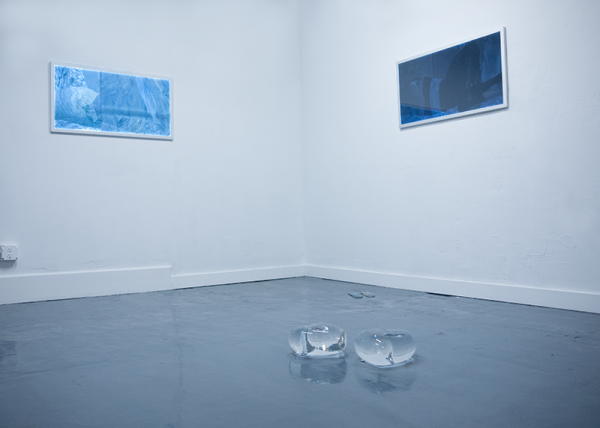
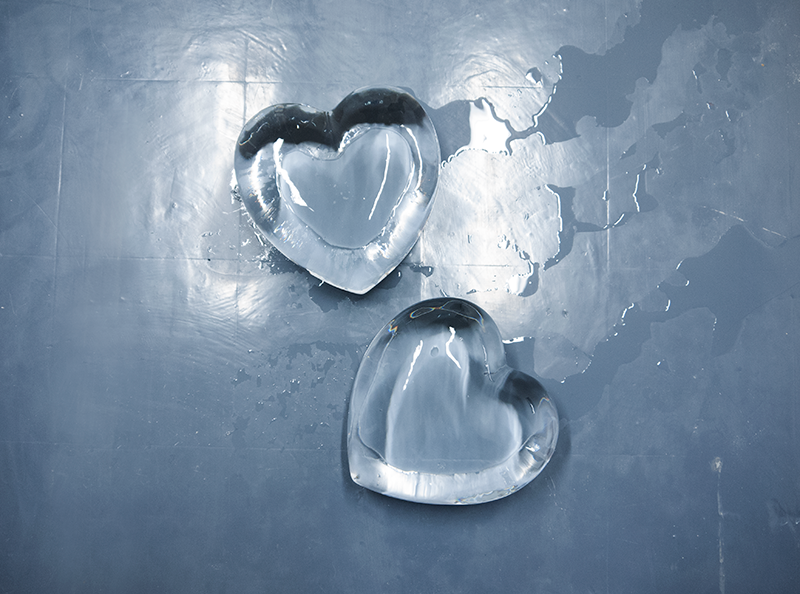
blue ice hearts melt in the bathtub
fingers tapp into what u were once
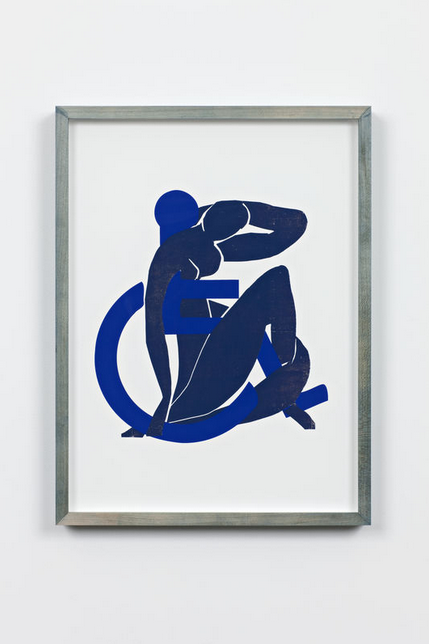
no chair no pain
every chair a ghost
every day a hope
every day a heartache
telepathy
people are not like us.
people forcibly frustratedly shape ur hands
if its more depressed than u want it to be
chair shows depression more than u like it to be
I am not afraid to force you out of my chair.
I will make it very clear
My relationship with my chair
the symbol of the face always turned away
We wil die in this life and life wil say gbye
we will all say goodbye in this life”
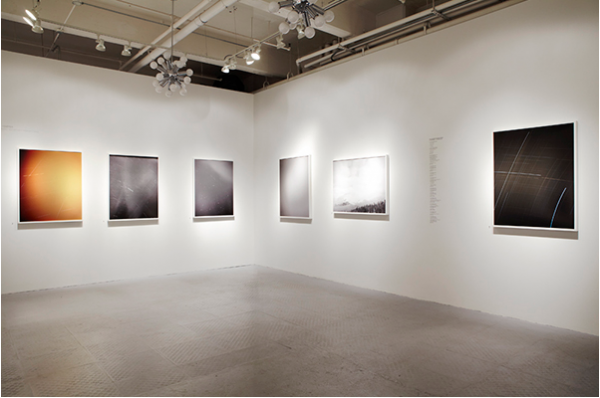
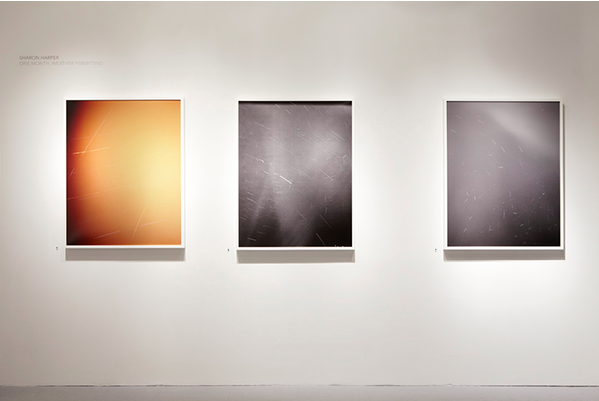
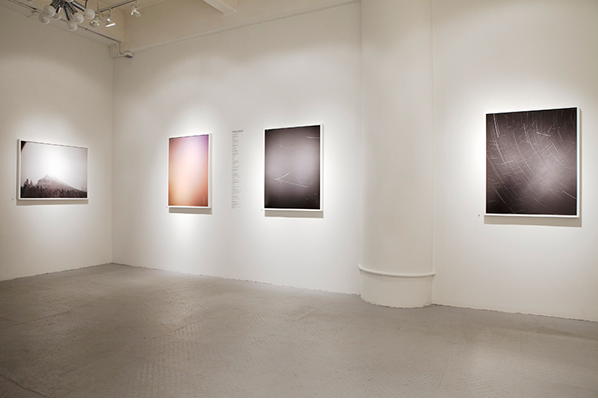
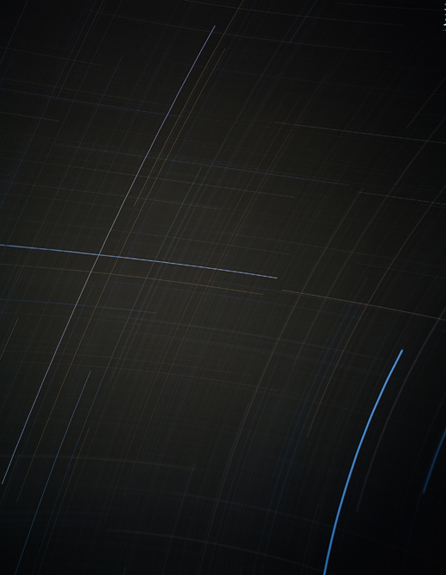
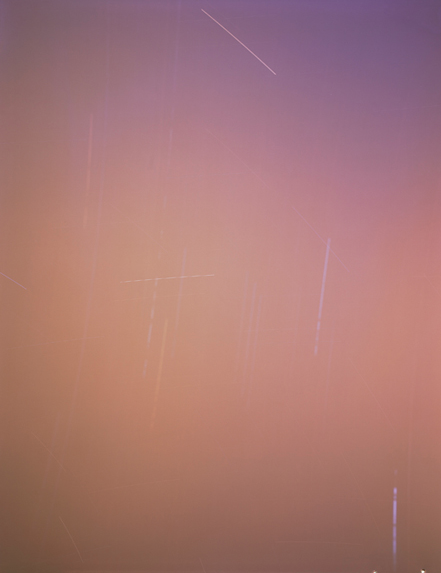
“Since the earliest days of the medium, photographers have turned their lens towards the heavens at night. Now, beginning March 4, 2010, Rick Wester Fine Art (RWFA) presents a contemporary investigation comprised of a complex and resonant series of photographs of the night sky by the Cambridge, Massachusetts-based photographer and video artist Sharon Harper. Orchestrated with time exposures that create arresting, minimalist compositions, twelve 40 x 30 in. black and white and color photographs will be on view through April 24, 2010 as part of the exhibition, One Month, Weather Permitting.
The images on view capture long-exposure star trails over Banff, Alberta, Canada. To create what she refers to as “star scratches,” Harper exposed sheets of film for several nights in a row, re-exposing the film using different camera orientations. As in previous bodies of work, the artist embraces environmental and technical interruptions as the gifts and vagaries of the photographic process.
In Harper’s words, the photographs contain “chance compositions, acknowledging that the sublime resists imposed structure.” The series exists as a controlled experiment resulting in star trails that can only be captured through the camera with random results. Comprised of fluid and serene translations of the sublime through technological endeavors, Harper’s photographs continue to mine the relevancy of nature’s grandeur today…” – Rick Wester Fine Art
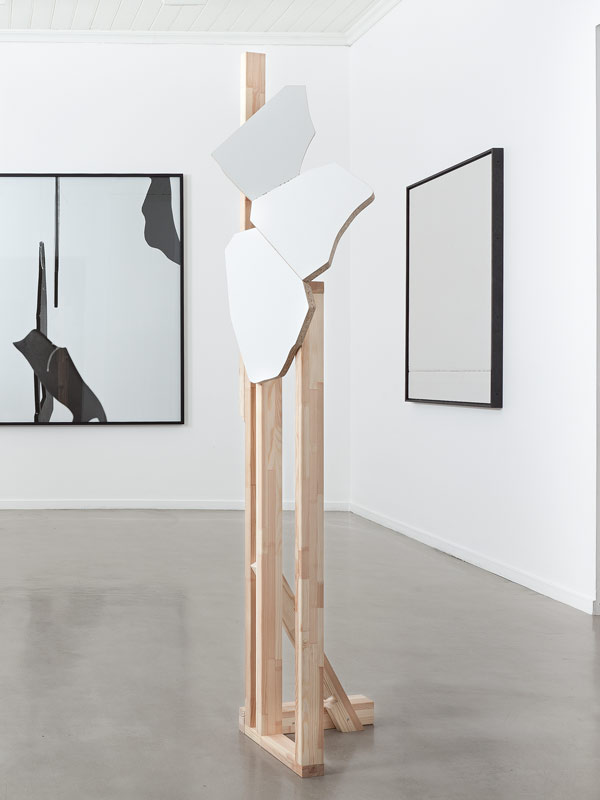
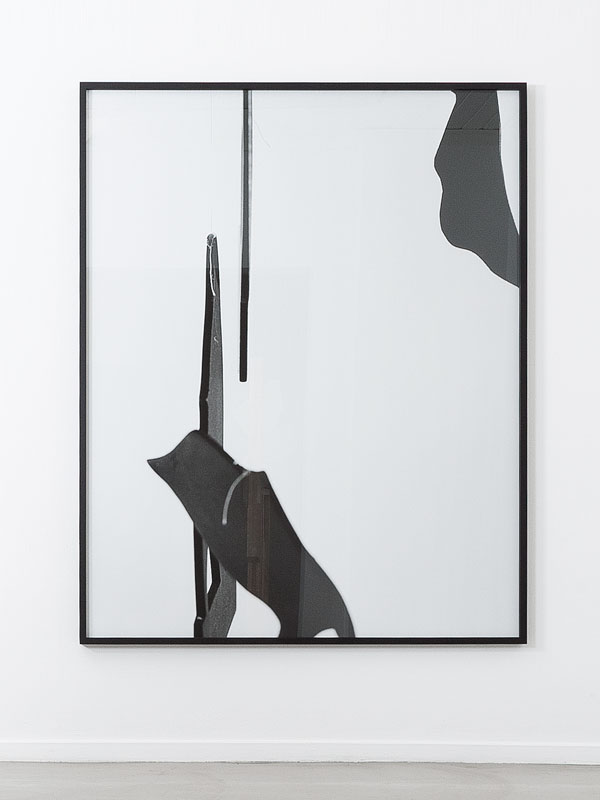
“Many of Olve Sande’s conceptually complex, often architectonically-inflected works are as likely to allude to literary production as they are to visual art itself.
His series of prints referencing T.S. Eliot’s The Wasteland, for example, depict nothing but the editorial mark-up through which Eliot’s mentor, Ezra Pound, amended and excised passages from one of the greatest Modernist texts. Other works similarly owe inspiration to literary classics, or refer to visual artists such as Frank Stella, David Smith and Franz Kline, alluding as much to their working methods as more tangible output.
If the presence of the cultural artefact and an urge to both literally and metaphorically investigate underlying structure seem central to Sande’s earliest output, his latest works focus far more explicitly on the mechanics and phenomenology of his own practice.
Paradoxically locating the purest manifestation of the art object in processes of research and production, Sande pursues oblique routes to ostensibly gestural works; exposing, for example, the underside of a painted studio floor and its aleatory blueprint of past artistic practices and presences, or outlining the offcuts of a rejected sculpture to produce a drawing which, through its reliance on the withheld, defies the apparent expressivity of its execution.” – text via Art Broth.
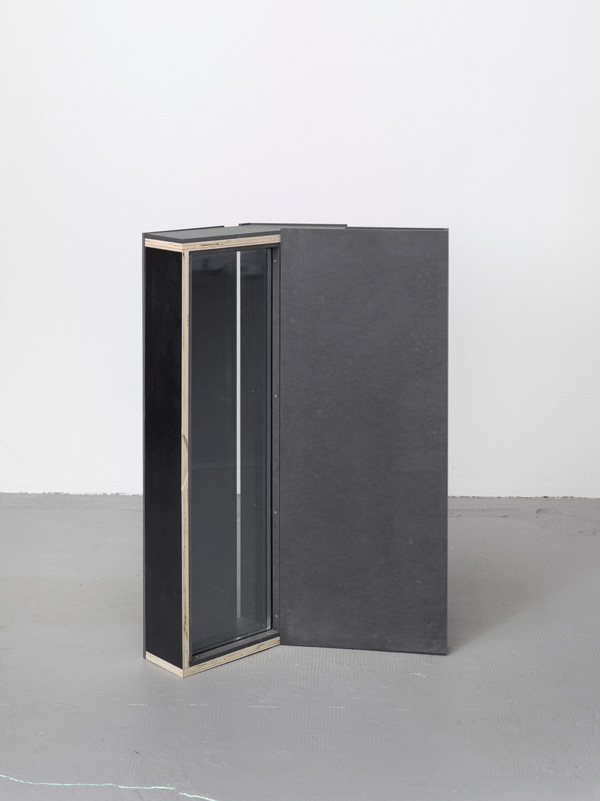
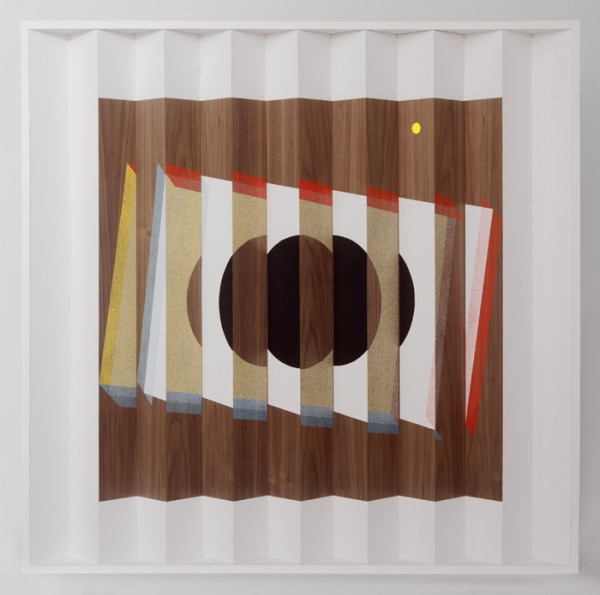
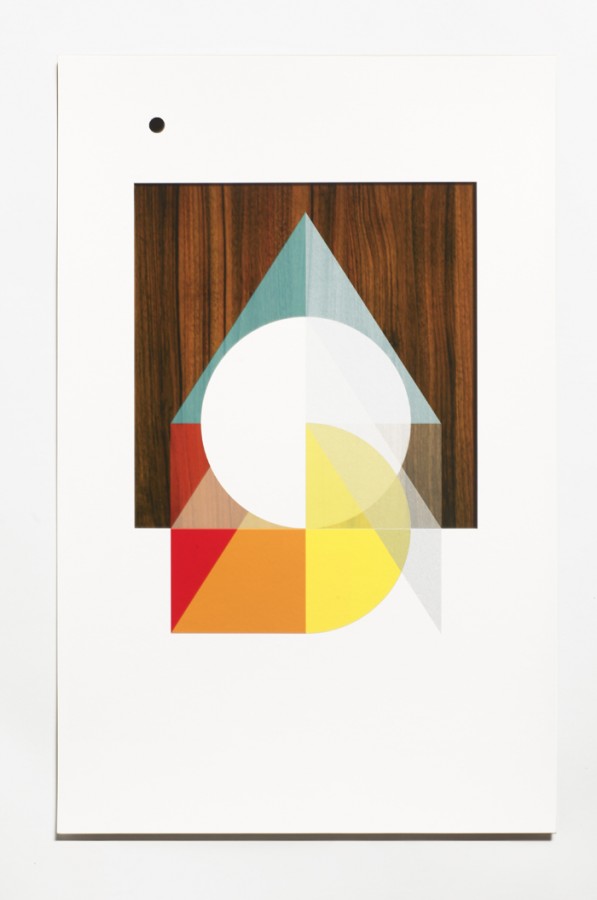
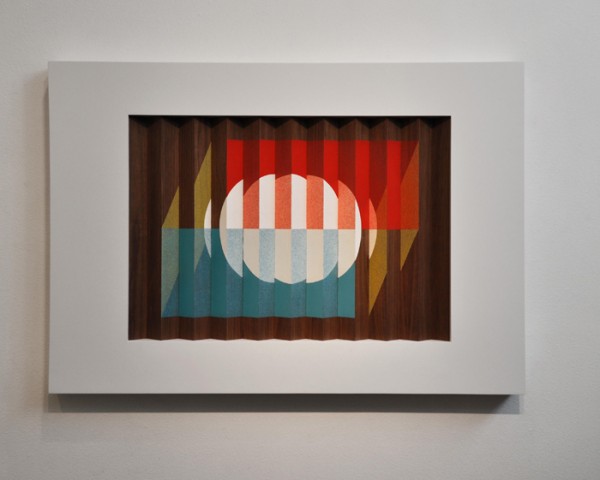
“Christopher Derek Bruno is a maker above all other things. After his education in industrial design, Derek has moved about the United States cultivating his approach to the fabrication of furniture, and sculpture based imagery. His recent works aim to address the underlying concepts of visual perception by using basic shape and composition along with a high level of craft. His likes include: rap music (esp. from 1992-1996), collaboration, color, rules, sandwiches, presto white-out pens, cnc machinery, freight trains, and fine furnishings.” – Christopher Derek Bruno
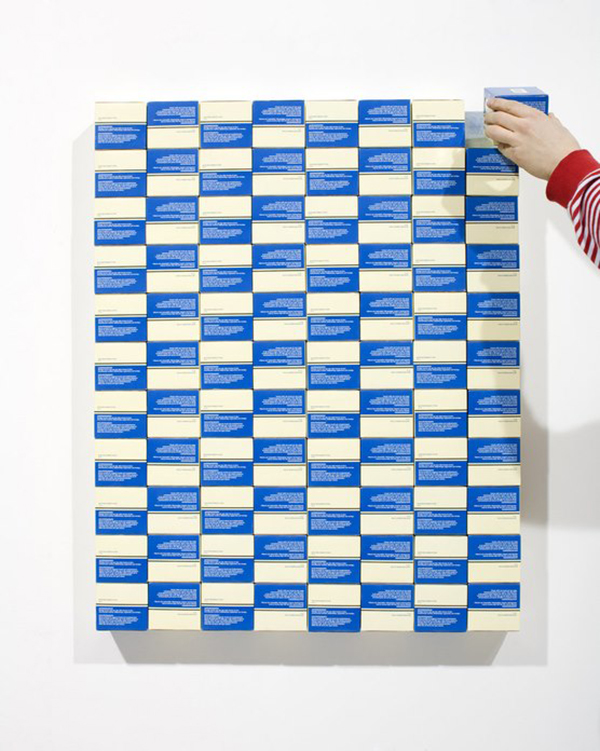
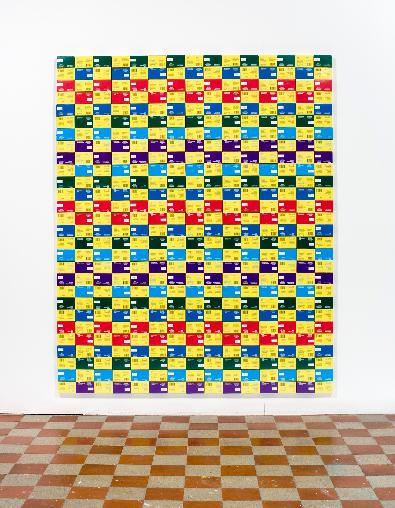
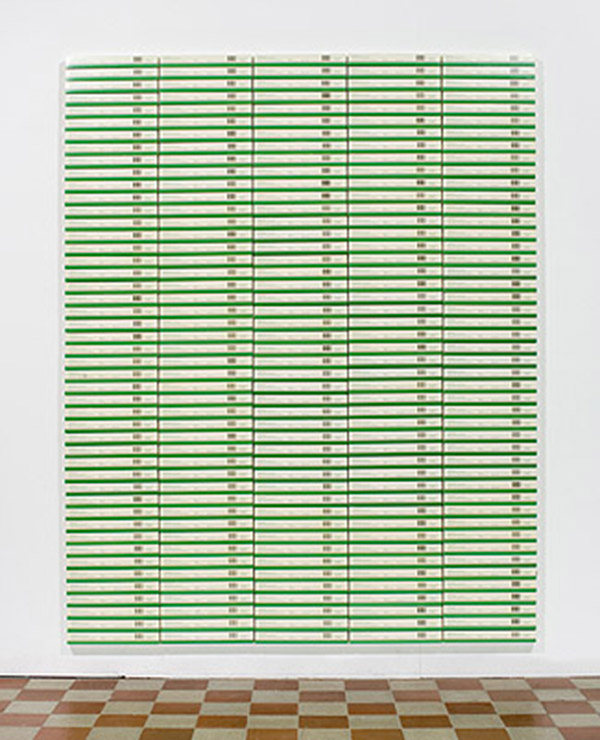
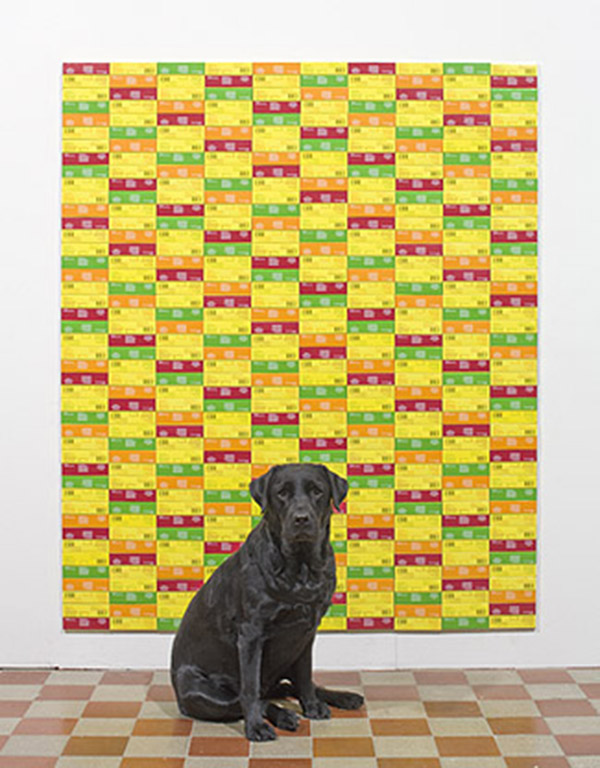
Work from Palermo1966 (other works also included).
“Palermo1996 explores the allure of the supermarket and removes items directly from the shelves in order to create this contemporary geometric abstraction. As a result of the construction elements, metal and magnets, this work also functions very much as a performance piece, through the building of the work at the start of the exhibition to the potential multiple arrangements that could be achieved for the duration, and ending with the final removal of the boxes. This work combines the everyday, abstraction and a performative process in order to consider the relationship between the world, the body and geometry.” – Jacob Dahlgren
“There are young to mid-career artists today who jump nimbly across mediums and delight in the rich phenomenological possibilities of found objects and images. They tend not to work in a recognizable style, but instead create artworks that are united by sensibility—sly, mysterious, ironic, poetic. Think of Ryan Gander, Darren Bader, Adriana Lara and English artist and filmmaker Nick Relph, who is currently having his second solo show at GBE.
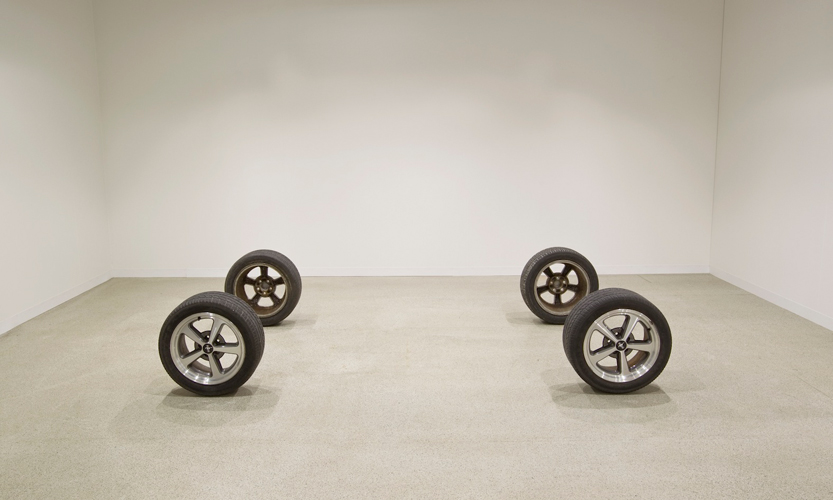
One room of the gallery houses The Weather (all works 2013), three sets of automobile tires—two Ford, one BMW—arrayed in rows, as if the vehicles they supported had suddenly vanished into some sort of ether. Or are they somehow hidden in plain sight? It’s unsettling to walk through each rectangular set—you half expect to smack into a chassis. Manufacturers’ markings remain on the tires—bits of text and colored stripes that recall Fred Sandback’s string sculptures, which similarly use minimal means to create the illusion of immensity.
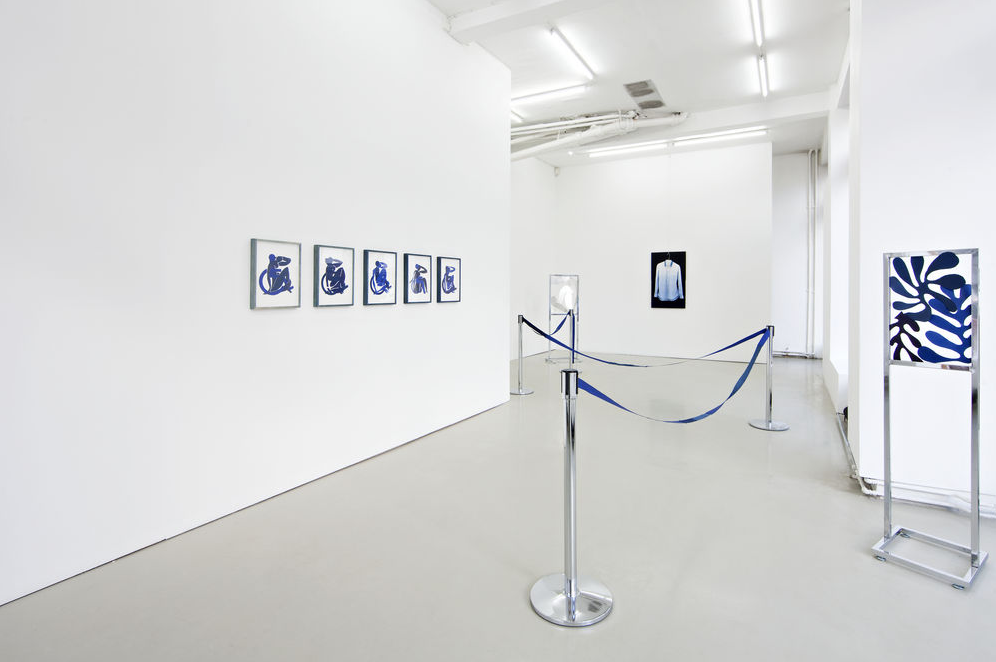
The walls of the next room are covered in the kind of white mesh netting found on construction sites, and a set of stanchions in the center of the gallery are connected with white bands made of silk and soy. This sense that the show is still in development is underscored by the fact that numerous works are titled TBD—to be determined. In one film projected on that netting, silhouettes of birds flutter on branches; another film takes the form of a slide show of simple but handsome collages—images of textures and various people (many fashion types) cut and pasted together or laid one on top of another (think Schwitters or Villeglé at their sparest) and then scanned into a computer. It’s accompanied by the sound of birds chirping.
Temporary walls in the space are coated with wallpaper showing book pages, two with various images of the moon. These pages, some stamped by the New York Public Library, come from digitized images made for Google Books, and the stray lines and washed-out sections that result from the scanning process look like painterly marks—1960s Martin Barrés made by accident and by computer.
In the slide show of collages and the wallpaper, Mr. Relph plumbs the spaces and overlaps between the handmade and the digital. (Are those slides collages or photos of collages, or both?). The tire pieces—which became instantly iconic when A-Rod showed one at his house in Miami last month—are similarly concerned with the gap between what we see and what we expect to feel, a particularly contemporary mind-body problem as everyday life careens toward the virtual. It’s not immediately clear what all of this adds up to, but you’re left with an intriguing frustration, a rare and pleasant bewilderment well-suited to the present moment.” – Gallerist NY
“In the act of making something, all other options die–unborn. The ones you did choose not to make. The constant opportunity of what might have been reverberates–eternally–in what actually becomes factual.
Based in Milan, Enrico Boccioletti is an artist and musician active in the fields of post-conceptual, new vernacular, performance and sound, interested into incompleteness and circularity, duplication and accumulation, waste, layering, forgery, faux-real.
In his work he plays with the paradoxes of a material world bathing at the source of digital intangibility: relationships and value in networked communities; perception of the self and expectation, performance anxiety in condition of overexposure to information; space and time in over-excited lifestyles into an accelerated culture; reality as mediated through the screen; arrangement and re-interpretation of pairs of opposites such as “presence/absence”, “real/virtual”, “actual/possible”, in form of intertwined concepts; language in the age of digital image; hearing and sound, relations between harmony and noise in Western civilization; strata of hybridization between substance and data; abrupt of the immaterial into a tangible environment; the quasi-post-human condition split among the contradiction of immaterial labour vs. physical needs, everyday demands vs. the universal texture, sexual desire vs. pristine dematerialization.” – O Fluxo
Posted in Uncategorized | Comments Off on Enrico Boccioletti
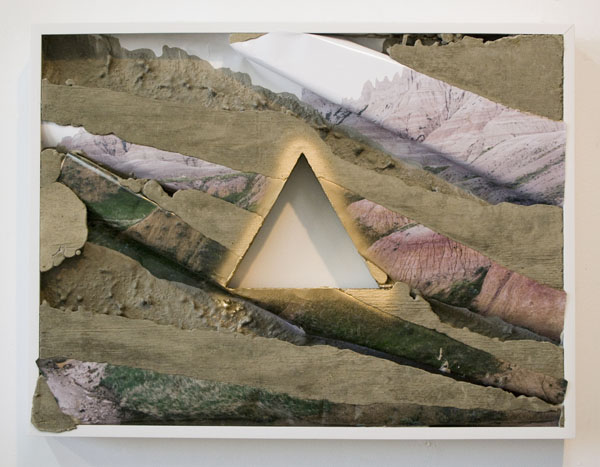
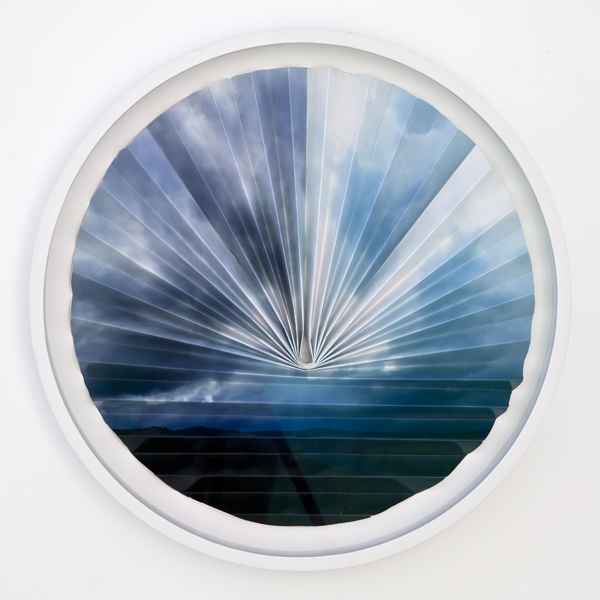
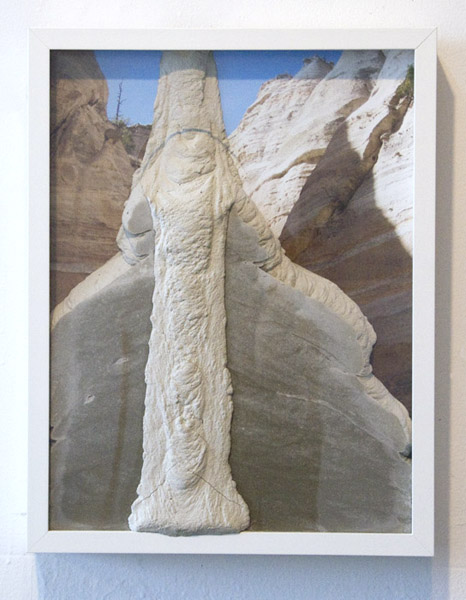
“My artwork uses images and materials from the natural landscape as a starting point for interpretation and confrontation. My work creates relationships between architecture and nature, and the gallery space and the American wilderness. In the photo-based sculptures the ability for a photograph to transport the viewer is both called upon, and questioned; sculptural intervention attempts to compensate for the photograph’s failure to encompass the physical site it represents. Landscape photography as a genre is approached with equal parts reverence and skepticism. In another body of work, site-specific installations juxtapose re-claimed wood and drywall material in innovative ways that respond to both interior and outdoors environments, and comment on the glut of material discarded in the contemporary art exhibition cycle.” – Letha Wilson
he paintings of John Almanza and the sculptures of Dave Hardy reflect the reckless abandon of progress, with an emphasis on looking at how materials get relegated to the side as other forces push forward. Indulging in the abundances available to them, both artists consider excess and overflow as vital to the physicality and construction of their work. Almanza’s viscous oil paintings rely on a process of application and removal of paint. While the paintings are still wet, he traverses the canvas with a thin strip of plywood—simultaneously scraping away paint with the swipe of a line and adding paint that is carried across on the plywood. This forms a pattern of hard parallel lines that reveals underlying ghosted abstractions perpetually in limbo. Hardy’s sculptures of found glass, foam and an assortment of other materials build tension from the interplay between hard and soft edges. Engineered to confound notions of structural integrity, these works borrow from the urgent language of provisional architecture as well as from the assertive gestures of modernist sculpture.” – Regina Rex
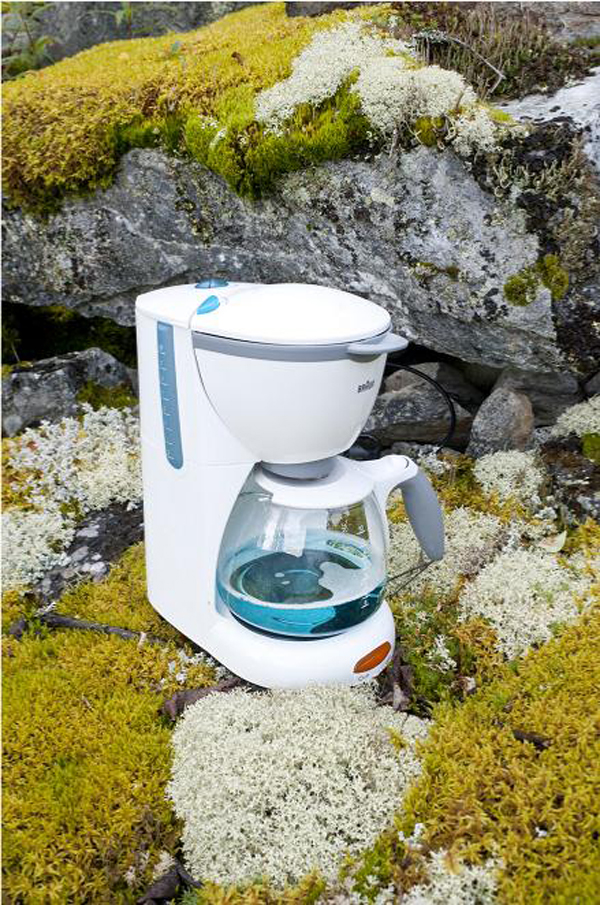
“My medium is the .jpg, since all I make is finally compressed into this format, before it is distributed to a wider audience than I will ever physically reach. My artwork incorporates elements of found objects, photography and collage. I like to think of my collage work as digital permutations; rearrangements of objects, textures and shapes I’ve created or found.
My fields of research include the virtual: web surfing, new age capitalism and healthy lifestyle propaganda, as well as natural elements: clouds, bacteria, moss, fungi, water, rocks and crystals. I find inspiration in the mundane: everyday boredom and Donald Duck comics, as well as the mysterious: meditation and the hypnagogic sleep phase.” –Andreas Ervik
Posted in Uncategorized | Comments Off on Andreas Ervik