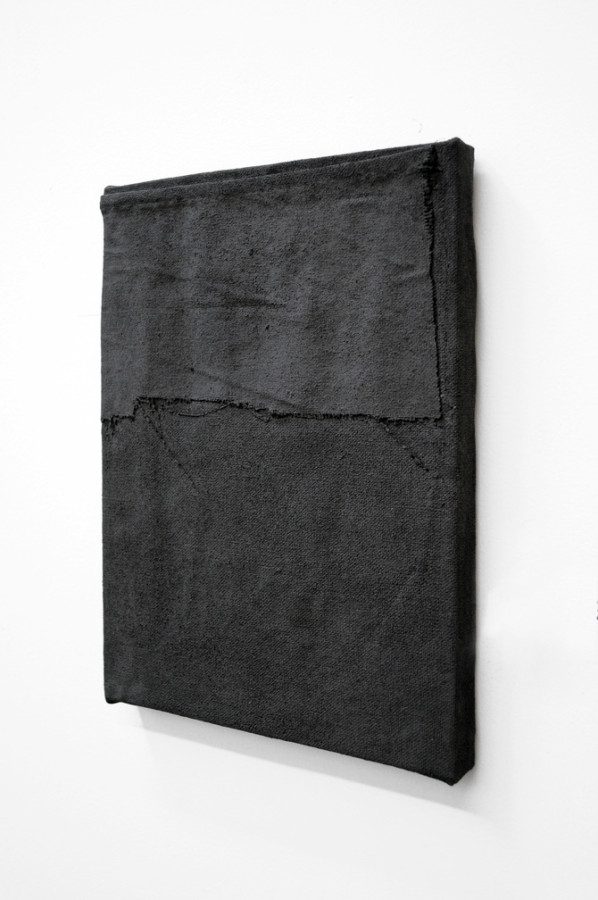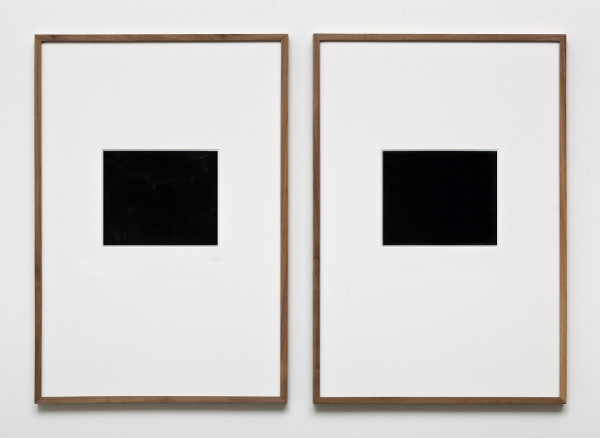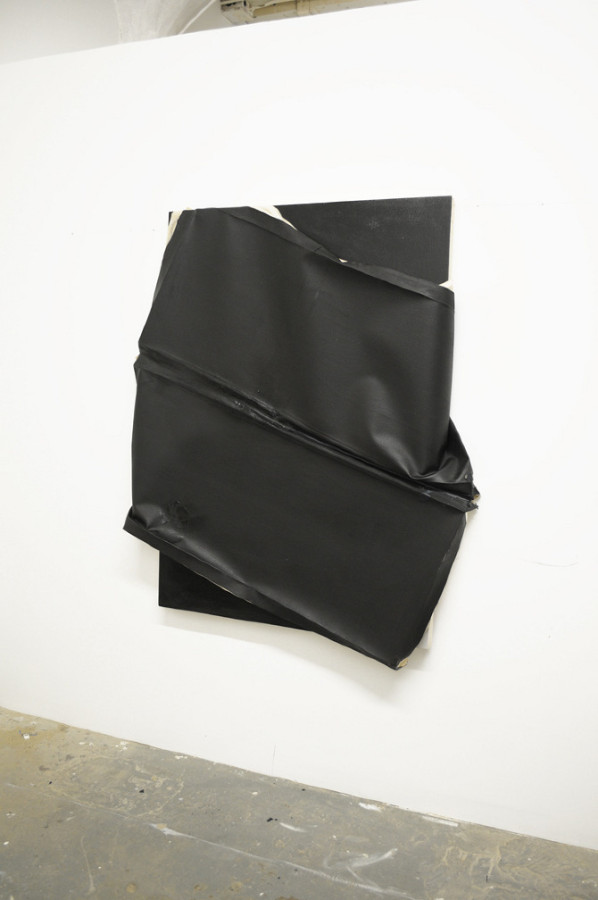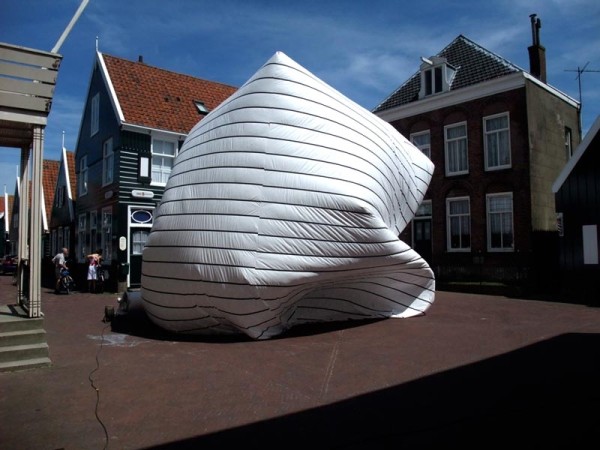
Angela Bulloch

Ab-4
Schipper_AB_2010_5162-600x400
Angela-Bulloch-1bulloch1

Angela Bulloch

Work from her oeuvre.

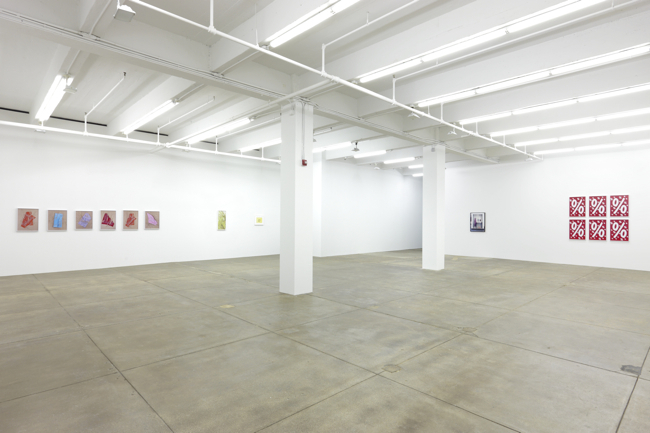
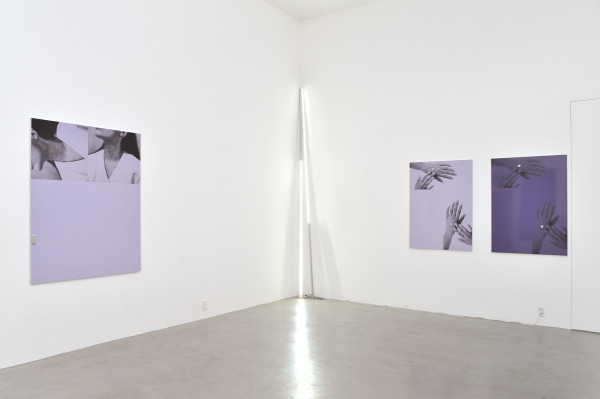
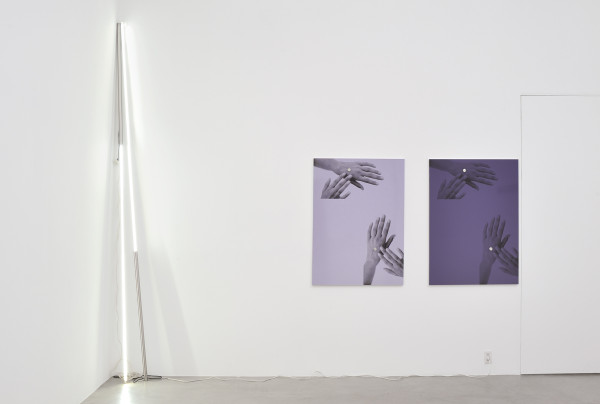
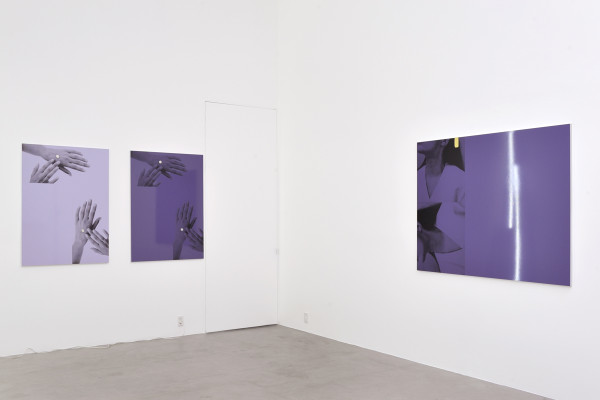
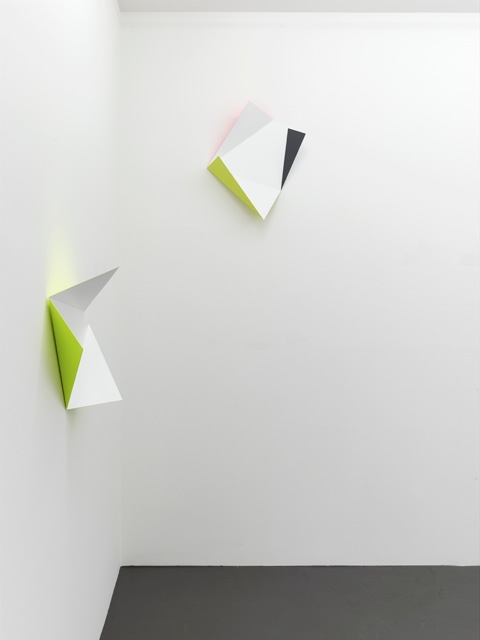
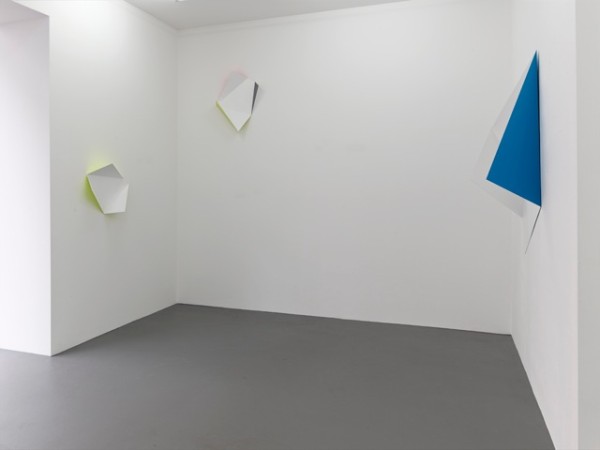
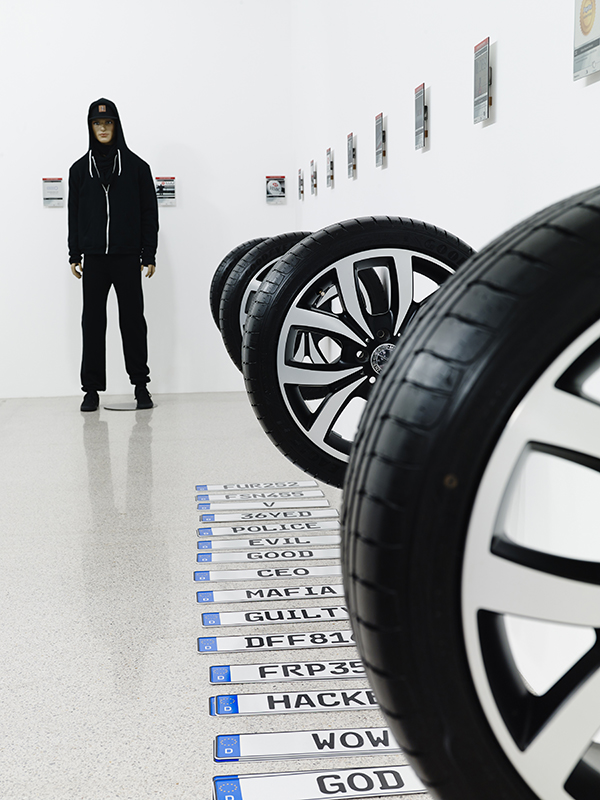
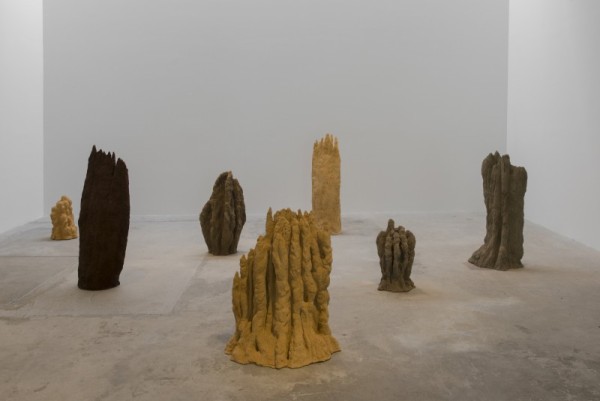
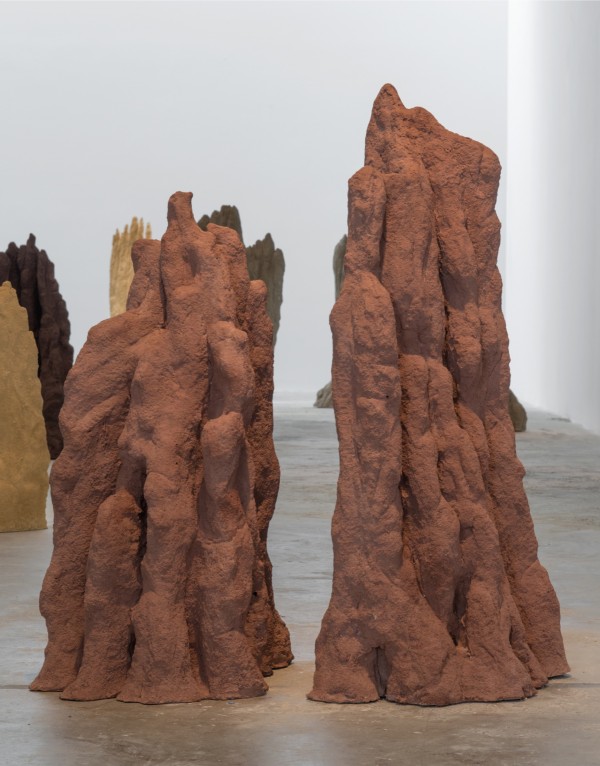
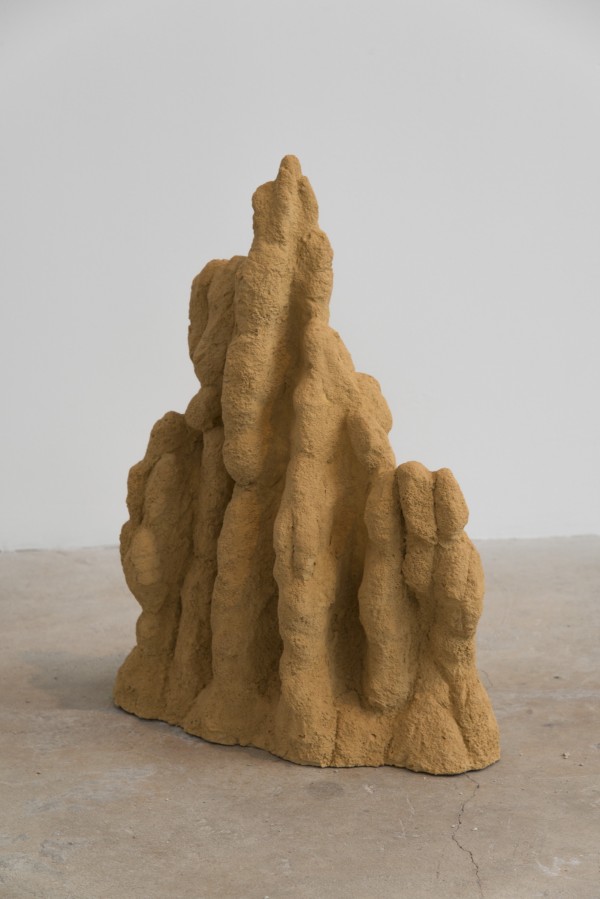
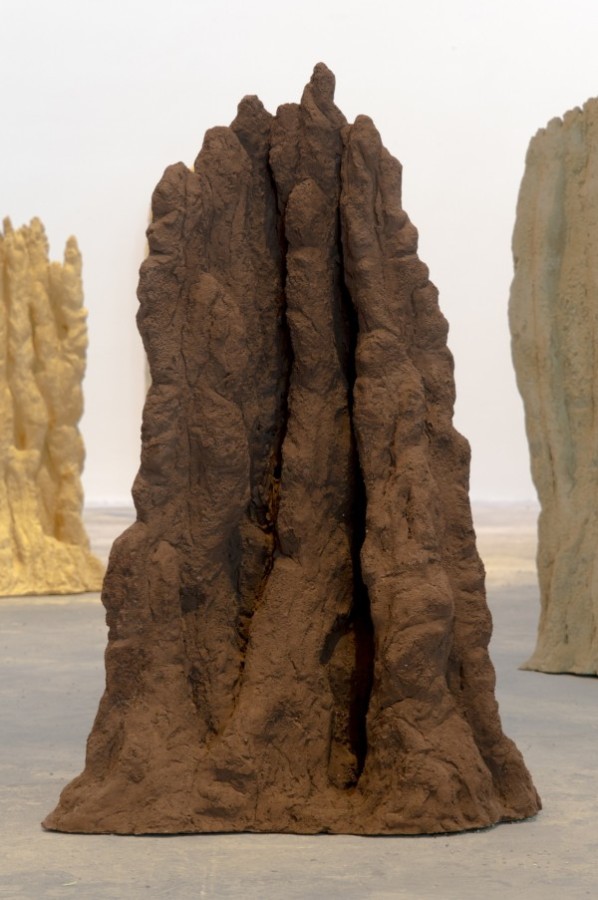
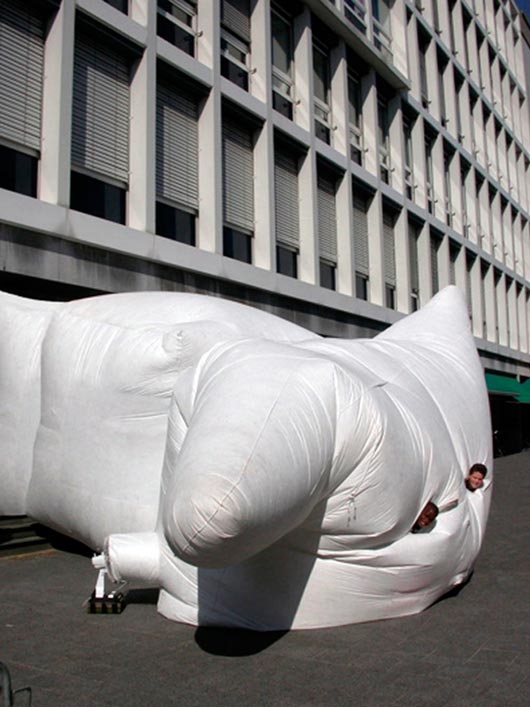
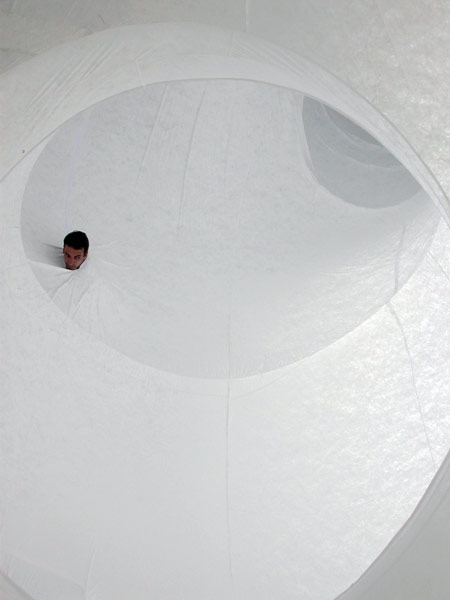
“Angela Bulloch is interested in systems that structure social behaviour. Her functional sculptures, light and sound works play with the ways in which we construct and interpret different types of information, be it related to art, literature, cinema, music, or issues of ownership and authorship. Her multi-disciplinary installations marry conceptual rigour with sensuousness and humour. Walking through a room triggers canned laughter; a video screening is activated by a person sitting on a cushioned bench opposite; a wall-mounted sequence of coloured spheres switches on each time a person passes a particular point.

Since the early 2000s Bulloch has been creating increasingly ambitious sculptural installations made from ‘pixel boxes’. Developed by Bulloch with engineers as a prototype in the late 1990s, the pixel box is made up of luminous tubes and an electronic control unit housed within an industrially produced wooden or metal casing. Elemental units within an ever-expanding body of work, the pixel boxes form the basis of a variety of structures, from towers and floors to monumental screens which translate scenes from cinema, television or entirely abstract sequences as mesmerising colour compositions that change before the viewer.” – text via Galerie Micheline Szwajcer

Hugo Scibetta

draped_5draped_3 draped_1draped_2 draped_4

Hugo Scibetta

Work from Draped at Domain Gallery

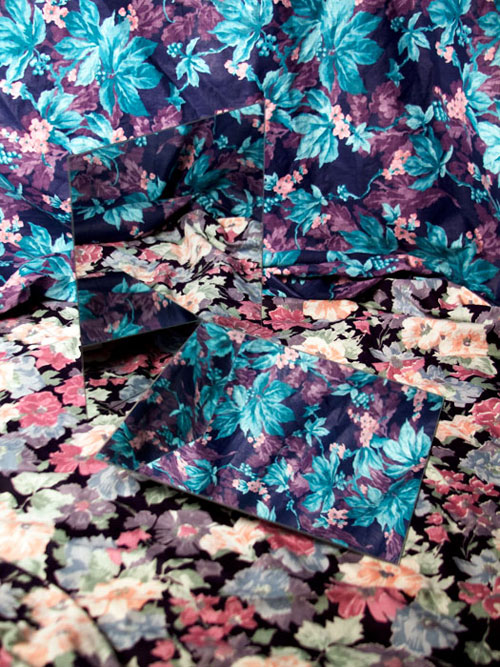
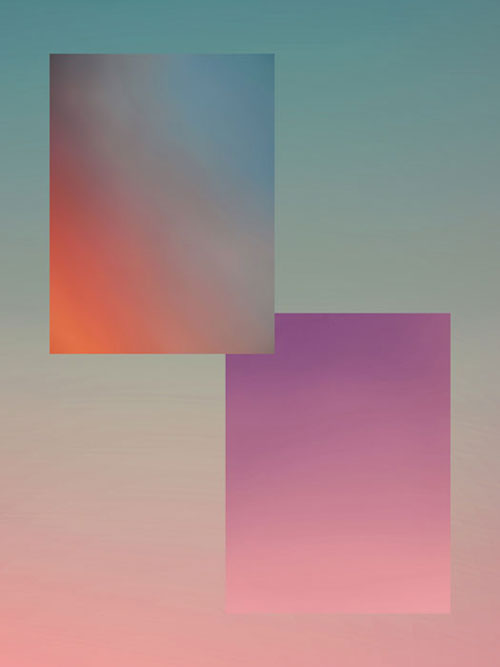
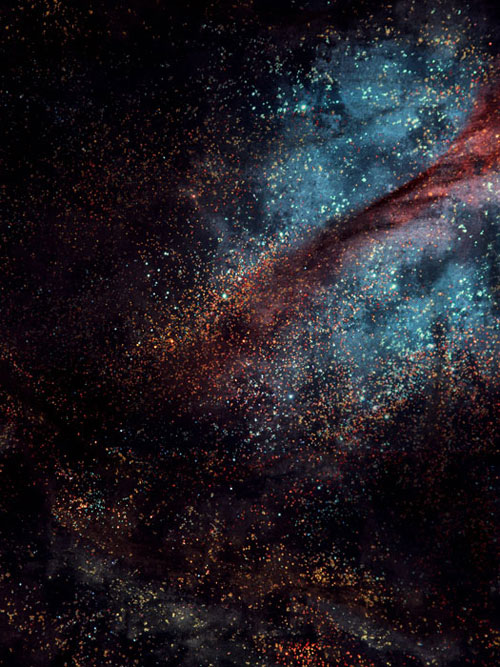
“Hugo Scibetta’s work reinterpret and reconstruct the information and images ingested through the prism of the screen. From these attempts derive various forms, which are an experiment of composition and confrontation between volatile datas and tangible materials.

The “Draped” series is an evolving and ongoing project.
It is the result of a texturing test on 3D forms through a process
of drape.

The generated images are the finding of a kind of frustration, that of a time spent searching, trying, for a disappointing render.

The aesthetics of failure is then proposed as a new definition of “Beauty”, in which the technical flaw becomes harmonic.” –Domain Gallery

Karl Larsson

09-KL_Is-it-almost-like-a-summers-day 10-KL_Was-the-little-yes-a-very-friendly-no 15-KL_Saunders-Waterford-series-birthday 18-KL_You-must-be-able-to-interrupt-a-friendly-conversation-at-all-moments

Karl Larsson

Work from “Twelve Hours” at Galerie Kamm, Berlin

When Foucault enters the amphitheater, brisk and dynamic like someone who plunges into the water, he steps over bodies to reach his chair, pushes away the cassette recorders so he can put down his papers, removes his jacket, lights a lamp and sets off at full speed. His voice is strong and effective, amplified by loudspeakers that are the only concession to modernism in a hall that is barely lit by light spread from stucco bowls. The hall has three hundred places and there are five hundred people packed together, filling the smallest free space … There is no oratorical effect. It is clear and terribly effective. There is absolutely no concession to improvisation. Foucault has twelve hours each year to explain in a public course the direction taken by his research in the year just ended. So everything is concentrated and he fills the margins like correspondents who have too much to say for the space available to them. At 19.15 Foucault stops. The students rush towards his desk; not to speak to him, but to stop their cassette recorders. There are no questions. In the pushing and shoving Foucault is alone. Foucault remarks: “It should be possible to discuss what I have put forward. Sometimes, when it has not been a good lecture, it would need very little, just one question, to put everything straight.” – Galerie Kamm, Berlin

“Twelve Hours” is on exhibit through 26 October 2013

via Mousse Magazine

Alice Channer

ee
dd
ee

Alice Channer

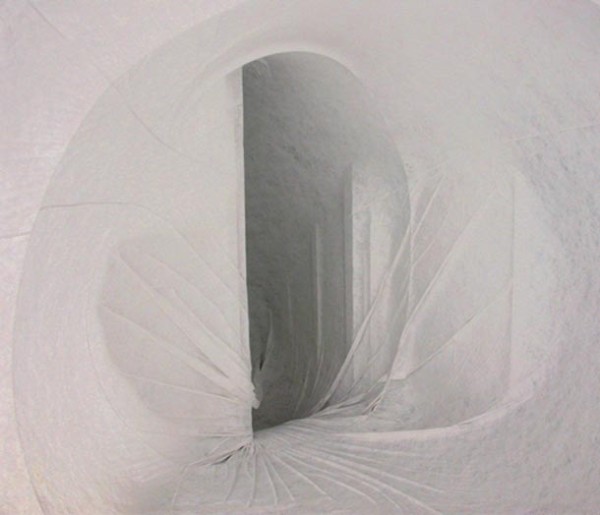
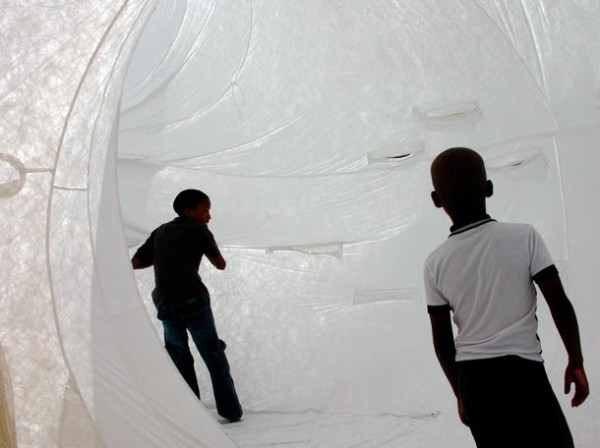
Work from Out of Body.

“For her South London Gallery exhibition, British artist Alice Channer has created an installation of entirely new works which extend her exploration of the relationship between the human body, personal adornment, materials and sculpture. In these figurative works, Channer questions established hierarchies within the history of art, objects and clothing, and offers a unique perspective on manufacturing, the hand-made and consumer culture.

Out of Body brings together a group of sculptural works which the artist defines as being figurative, but from which recognisable representation of the human form is as noticeable by its absence as by its presence. It is the tension born of that relationship which weaves a binding thread between pieces made in a broad range of materials, using a variety of techniques and on radically differing scales.

Entering the main gallery the viewer is confronted by enormous digital prints of stone-carved classical drapery, suspended from the impressive height of the space and held to the floor by marble surrogate limbs. The bodily references are direct if not immediately obvious in these works, but less so is the distinction between what is human and what is not. Two other pieces, entitled Lungs and Eyes, span the space in a different way, each one occupying opposite walls, 20 metres in length, in a sequence of aluminium frames which take their forms from Yves Saint Laurent’s drawings for his famous ‘Le Smoking’ suits. Establishing a dialogue between the industrially-produced metal armatures and the artist’s body, every frame has been hand-covered in machine-sewn Spandex sleeves, which have been digitally printed with an ink impression of Channer’s arm, stretched beyond recognition.

Adding to this complex web of relationships between various methods of production and references to the human body, floor-based sculptures entitled Amphibians and Reptilescombine machined, hand-carved and polished marble with aluminium casts of stretch-fit Topshop clothing and mirror polished stainless steel which has been digitally cut and industrially rolled along hand-drawn lines.

In talking about the show, Channer says:
“I am not trying to oppose or find alternatives to the things that separate us from ourselves – the machine, the industrial, the virtual, the commercial. Instead, I am seduced by these things and am becoming part of them through the work. The work is me, breathing, feeling and thinking with, through and as part of the processes and materials that make up the industrial and post-industrial late-capitalist world that I live in and that constitute my work.”…” – text via ArtSlant
via DUST Magazine.

Jon Rafman

Back-Install-Piece-02_s
JR_NADCirclesWithinCirclesFoamGreen13_L
JR_NADFuturismoRed13_L
Install-03_s1

Jon Rafman

Work from You Are Standing in an Open Field.

“…Journeys through virtual landscapes form the heart of Jon Rafman’s current show, expressing his continuing search for lost loves, ideals and cultures. Alongside this, Rafman foregrounds his ongoing exploration into the nature of memory conveyed through intimations of archaeology and anthropology, highlighting the way that we rely on objects to locate our relationship to the past. Sculpture, video, and mixed media installation express the material form that memory takes.

The historical impulse to make sacred what is lost becomes all the more urgent when we consider contemporary technologies and online cultures. Rafman encases not-yet-vanished cultures in the form of sham relics or false monuments in order to both recognize their historical value and to critique contemporary amnesia. In his works, ephemeral cultures meet the solidity of constructed artifact. In Rafman’s version of archaeology, a large finely engraved stone carving commemorates not fallen war heroes but the names of defunct New York state shopping malls. By using sham ruins to evoke an historical gaze on these contemporary cultural objects, Rafman changes the meaning of both and raises the question of what exactly we are remembering when we visit a museum, when we look at a memorial, or when we click on a broken web- link…” – via Zach Feuer Gallery

Joel Dean

Joel_Dean_2013_03_web
Joel_Dean_2013_02_web
Joel_Dean_2013_01_web

Joel Dean

Work from The Mutant and the Melody at Jancar Jones.

The show takes its structure from the dichotomy of an ancient form of cultural inheritance, the fable. It includes two pieces that remain in flux for the full duration of the exhibition. Like the driving forces in the narrative of a fable, the pieces work together to perform a story from which the audience can extract a pithy maxim about shared human consciousness. Historically fables present morals. The wording of a moral may differ between cultures, and how a fable is recited may shift over time, but the lessons presented in fables are universal. They reflect a cross-cultural consensus of the human experience.

The history of the fable is, up until the industrial revolution, mostly an oral history. The fables we have today were arrived at over time through verbal re-duplication. They evolved in a manner analogous to the self-replication of a meme. Fables exist both as images and as stories, but they also relay behaviors. They are one of the first user- generated structures for sociocultural imitation, and can serve as a model for understanding the shifts in information hierarchies that are occurring throughout society as our globalized economy moves away from a packaged good media towards a conversational media.

To highlight this connection, and to emphasize dialogue over dogma, The Mutant and the Melody presents two maxims that have recently been transformed into mantras through their extensive use on social networking websites. Neither maxim is the moral of the story. Instead, they operate as a call and response, working together to frame a key paradox facing the content generation: it is impossible for an individual to exist in a state of pure spontaneity while also working to document that existence.” – via Jancar Jones

Tobias Kaspar

tk_PK_12_17-800x532
tk_PK_12_16-800x532
tk_PK_12_081-800x532

Tobias Kaspar

Work from Bodies in the Backdrop at Galerie Peter Kilchmann.

“The Galerie Peter Kilchmann is pleased to present the first solo exhibition of Tobias Kaspar (born 1984 in Basel) in Switzerland. The artist lives and works in Berlin and belongs to a young generation of artists who work with strategies of conceptual and appropriative art.

The exhibition shows the installation Bodies in the Backdrop (2012) which is composed of 20 color photographs, and a slideshow with separate sound, which was initially shown at the Halle für Kunst Lüneburg in early 2012. Correspondingly, a catalog of the same name was published by Walther König Verlag, Cologne, and is now available at the gallery. The title, inspired by Elizabeth Lebovicis text about Ghislain Mollet-Viéville, points to the affective and economic relationships of tensions between collectors and other actors in the field of art. The photographs document a visit to the Peggy Guggenheim Collection in Venice and how heaviliy cropped, itʼs main protagonist being a young girl and boy, different works and unknown visitors. These scenes are accompanied by quotes like “I especially hated people making love on my bed“ (see invitation card), or “I could not produce the sum necessary because all my money was tied up in trusts“ from Peggy Guggenheim’s autobiography «Confessions of an Art Addict», which have already a strong narrative quality…” – Galerie Peter Kilchmann

Ron Nagle

Fiestasiesta.3
2
4
13
21

Ron Nagle

Work from his oeuvre.

“Ron Nagle’s diminutive sculptural work is colorful, ironic, and layered with texture and detail. This seminal Californian artist, working in the professional arena for thirty years,continues his fascination with intimately scaled, finely crafted objects.

All of the new works are small, but with an intensity that will knock the viewer out. Resting atop delicate platforms, these forms refer to abstract painting. The color draws the eye to the edges, and the vibration that is set up spreads across the textured surface. The artist gives them names that are often humorous, and sometimes reminiscent of song titles: Finchilada, Dust to Dusk, and Triangular Tracy.

Other pieces belong to a continuing series of Smoove Wares, a closed cup form with a square painting and additional knife-blade appendage. Reviewing similar works in Nagle’s recent New York exhibition, critic Roberta Smith wrote, “Like Frank Stella, John Chamberlain or Ken Price, Ron Nagle operates in the gap between painting and sculpture.” An unusual color sensibility continues throughout the work, showing Nagle’s mastery of complex color relationships.” – via Frank Lloyd Gallery.

Lee Ufan

ALT-UFAN-1-articleLarge
5864292085_17788f8d4f
13-Wall-Painting
ARLMSC5368
17-lee_ufan_relatum-a_rest_2005
Screen Shot 2013-10-01 at 9.34.15 PM

Lee Ufan

Work from his oeuvre.

“Marking Infinity presents the work of artist-philosopher Lee Ufan, charting his creation of a visual, conceptual, and theoretical terrain that has radically expanded the possibilities for painting and sculpture since the 1960s. Lee is acclaimed for an innovative body of work that revolves around the notion of encounter—seeing the bare existence of what is actually before us and focusing on “the world as it is.”

Lee was born in southern Korea in 1936 and witnessed the political convulsions that beset the Korean peninsula from the Japanese occupation to the Korean War, which left the country divided in 1953. He studied painting at the College of Fine Arts at Seoul National University and soon moved to Japan, where he earned a degree in philosophy. Over the last 40 years, he has lived and worked in Korea, Japan, and France, becoming a transnational artist in a postmodern world before those terms were current. “The dynamics of distance have made me what I am,” he remarks.

In the late 1960s, in an artistic environment emphasizing ideas of system, structure, and process, Lee emerged as the theoretical leader of Mono-ha (literally, “School of Things”), a Japanese movement that arose amid the collapse of colonial world orders, antiauthoritarian protests, and the rise of critiques of modernity. Lee’s sculptures, presenting dispersed arrangements of stones together with industrial materials like steel plates, rubber sheets, and glass panes, recast the object as a network of relations based on parity among the viewer, materials, and site. Lee was a pivotal figure in the Korean tansaekhwa (monochrome painting) school, which offered a fresh approach to minimalist abstraction by presenting repetitive gestural marks as bodily records of time’s perpetual passage. Deeply versed in modern philosophy and Asian metaphysics, Lee has coupled his artistic practice with a prodigious body of critical and philosophical writings, which provide the quotations that appear throughout this exhibition.

Marking Infinity is organized to reflect Lee’s method of working in iterative series and spans the 1960s to the present. Whether brush marks on canvas or stones placed just so on the ground, his markings in space elicit momentary, open-ended situations that engage the viewer viscerally. His distilled gestures, manifesting an extraordinary ethics of restraint, create an emptiness that is paradoxically generative and vivid. Relatum (formerly Phenomena and Perception A, 1969) presents three rocks laid on a latex band marked as a measuring tape. The weight of the rocks causes the band to stretch and buckle, disrupting the system of measurement it codes and reminding us of the capriciousness of rational truth: what you see is a result of where you stand.

Lee’s early painting series, From Point and From Line (1972–84) present a minimal, gestural act that induces in the viewer a lived experience of passing time and physical (rather than depicted) space. In these works, Lee combines ground mineral pigment with animal-skin glue, traditional to East Asian painting on silk. Restricting his palette to a single color on a white ground—cobalt blue or burnt orange, evoking sky or earth, respectively—Lee loads his brush with this powdery, crystalline emulsion and, in From Point, marks the canvas with regular dabs from left to right until there is no more color left. He then repeats this act until rows of gradually fading marks fill the entire canvas. The From Line series pursues a similar systematic approach, moving vertically with single gestural strokes. Lee uses the means of abstract minimalism—seriality, the grid, and monochrome—to alternative ends, emphasizing the gestural mark, the edge, and surface as physical affirmations of existence.

Since his early Mono-ha period, Lee has restricted his choice of sculptural materials to steel plates and stones, focusing on their precise conceptual and spatial juxtaposition. The steel plate—hard, heavy, solid—is made to build things in the modern world; the stone, in its natural as-is state, “belongs to an unknown world” beyond the self and outside modernity, evoking “the other” or “externality.”” – text via the Guggenheim.

Wim Borst

LTVs_wimborst_2(2) borst LTVs_wimborst_5 tumblr_mn43scijYe1qcorgno2_1280

Wim Borst

Work from his oeuvre.

“Wim Borst became a professional ceramist at a rather advanced age. At the age of 31 he exhibited for the first time. As a self taught artist he took lessons in ceramics from Ru de Boer and Emmy van Deventer a.o.

His oeuvre and career are characterized by a great accuracy and a persistent mentality. His ceramics has its roots in the Dutch geometrical abstract tradition, although he uses the idiom in a non-academic, refreshing way. Within the boundaries of the self chosen restrictions of the geometric abstraction, he takes liberties with colors, materials and themes. His objects are (generally) made up of different parts.

Wim Borst is exhibiting regularly in the Netherlands and abroad. He is a member of the NVK (the Dutch Society of Ceramic artists) and of ‘de Vishal’, (a local society of artists in Haarlem, his native town).
He is part of a group of Dutch ceramists, CeramiCVision.nl who regularly join to discuss their profession; they are looking for opportunities to attract the attention of the public for their works and they are organizing exhibitions as a group.

His work is in private collections and in museum collections in the Netherlands and abroad, such as Museum Boijmans Van Beuningen in Rotterdam, Boston Museum of Fine Arts in Boston USA, Frans Halsmuseum in Haarlem, Museum Keramion in Frechen Germany, ‘Magnelli Museum’, the Ceramics Museum of Vallauris, France, Museum Het Princessehof in Leeuwarden, and Stedelijk Museum Schiedam.”- Ceramics Now