Travess Smalley

1 6 7 2 4

Travess Smalley

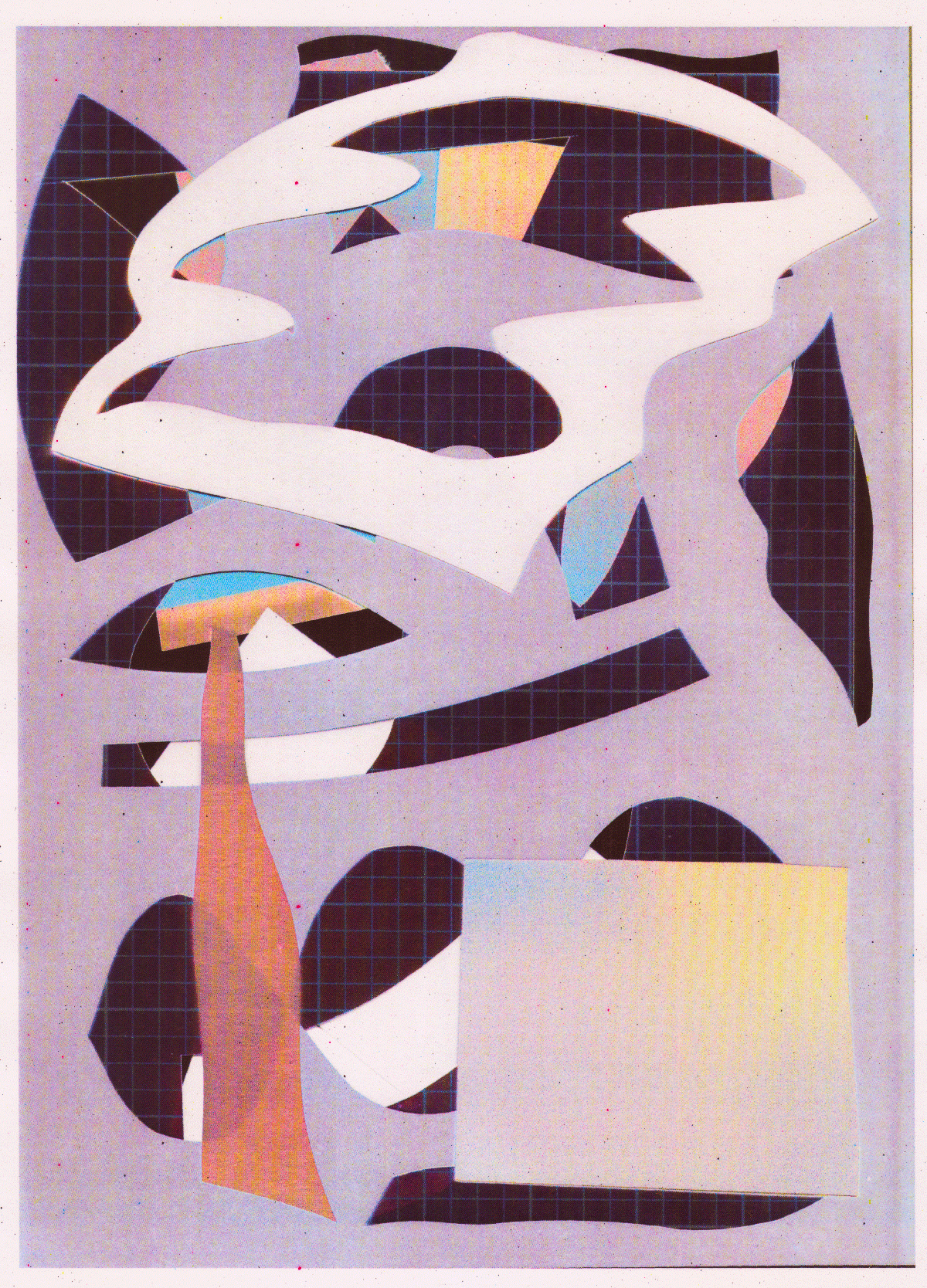
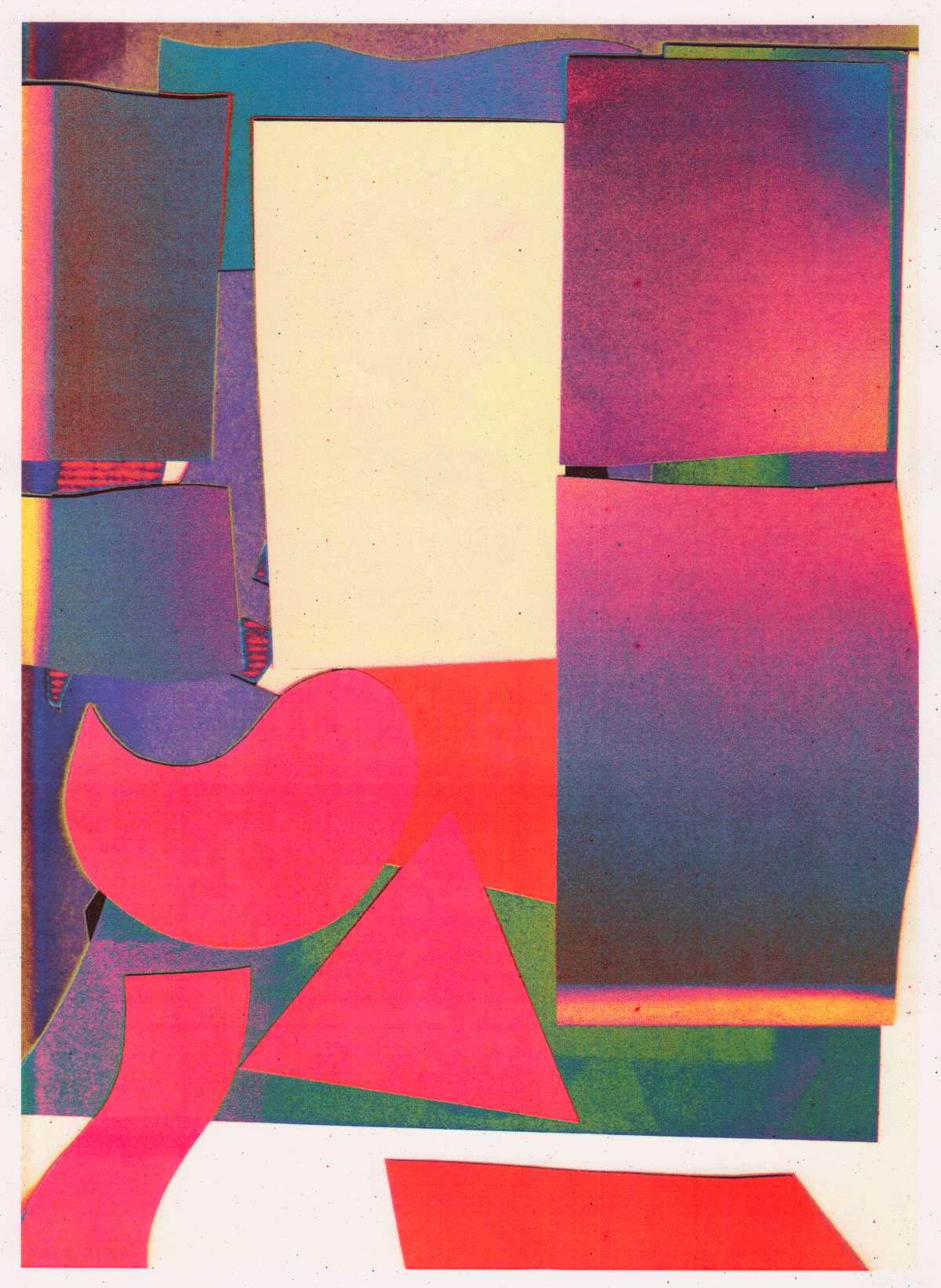
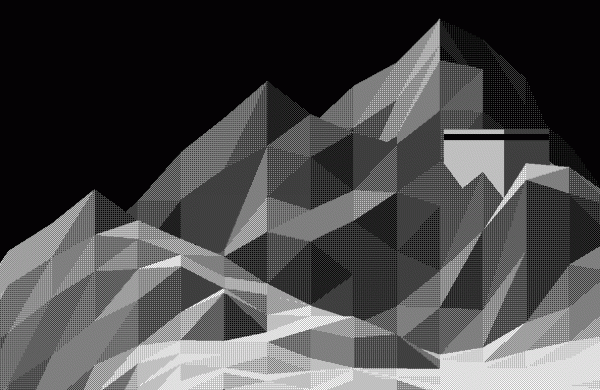
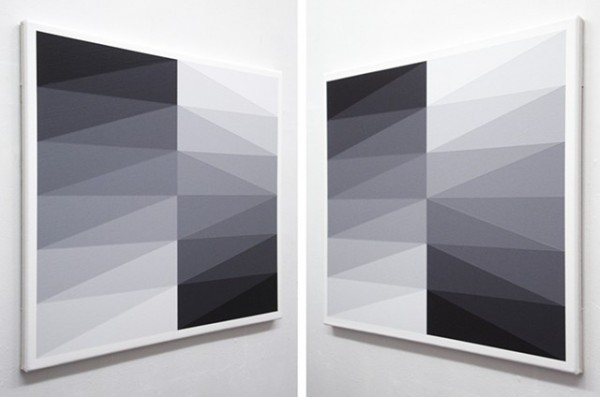
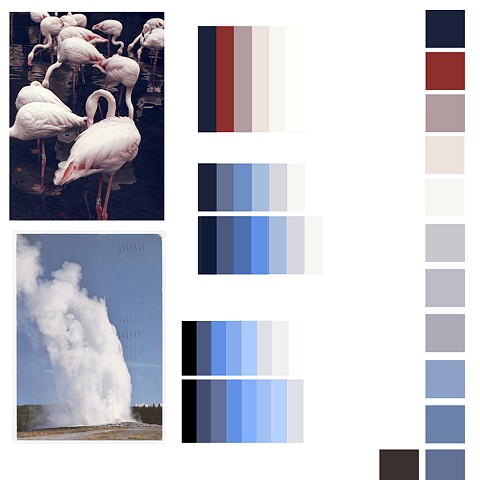
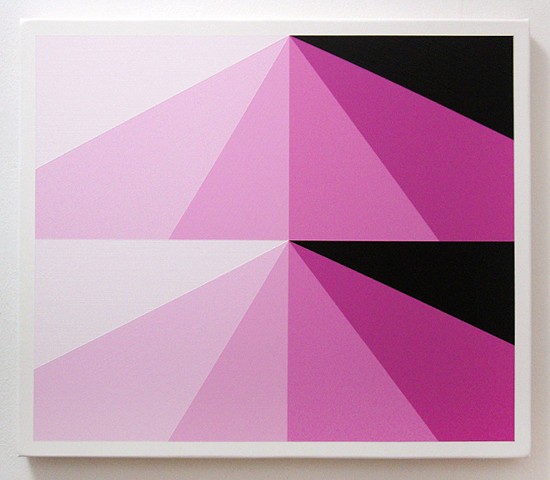
Work from “Capture Physical Presence“.

“Throughout all of this formal experimentation, Smalley is referring to, borrowing from, and combining a broad range of influences. There are, on one hand, the various strategies plucked from art history, particularly 20th century modernism. Some of these allusions are stylistic: echoed throughout the book, for instance, are the bold colors and abstract shapes of Matisse’s Jazz-era decoupage, the line work of Picasso’s later paintings, and the singular compositions of Joan Miro. Others can be found in Smalley’s formal decisions: in some works, we see the artist intensifying his colors by juxtaposing large areas of pure, strident tone – a trick picked up from the Fauves – while numerous other pieces find him embracing the sharp colors, jagged forms, and cacophonous layouts favored by Futurist painters. Closely observed and deeply integrated, the lessons learned from these various artists provide a crucial framework for Smalley’s experiments, but not all of his references are so traditional or academic. Much of this work, for instance, reflects his obvious (and, it should be stressed, unironic) affection for the hallmarks of late-80s/early-90s visual culture: the stylized illustrations of trapper keepers, the cyber-psychedelia of rave flyers, the pure-pleasure aesthetics of Ocean Pacific t-shirts and Magic Eye patterns. Other, more recent references include those made to web 2.0 graphics (particularly its gradients) and manga comics (both its paneling strategies and its action-sequence line work). These “low-art” influences, having clearly played an important role in shaping Smalley’s graphic sensibilities, are treated here as being no less legitimate or useful than the inspiration he’s found in museums and textbooks. They’ve also had a permissive effect on the work, invested as they are in visual pleasure over academic strategy, and lend to these pages a welcome element of playfulness. Traditional or unconventional, low or high, it makes no difference: everything Smalley has seen and loved, aesthetically speaking, is incorporated into his art, and it’s this ability to merge disparate influences into a singular style that allows the results to feel at once nostalgic, contemporary, and forward-thinking.”  – Christopher Schreck

“Capture Physical Presence” is on exhibit at Higher Pictures,  May 2nd – June 1st

Wyatt Niehaus

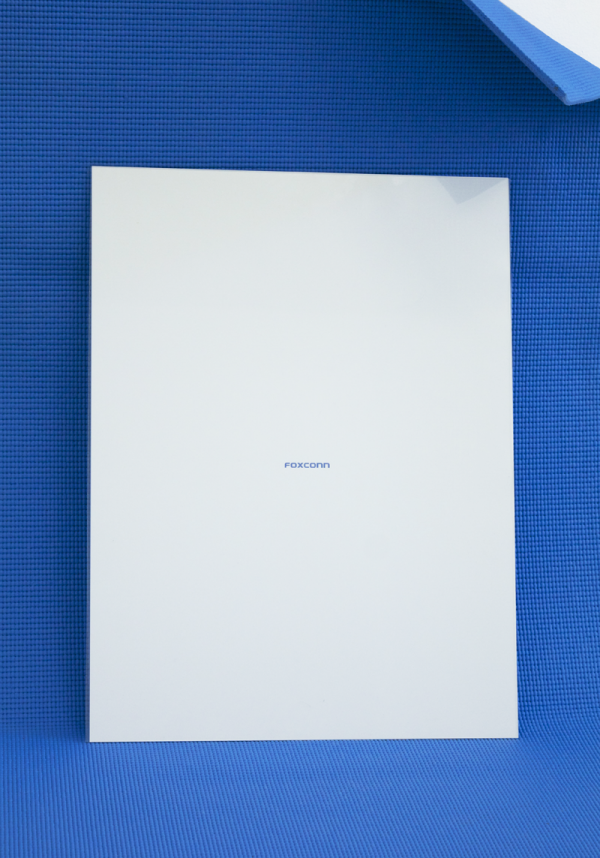
foxconn_yoga_install
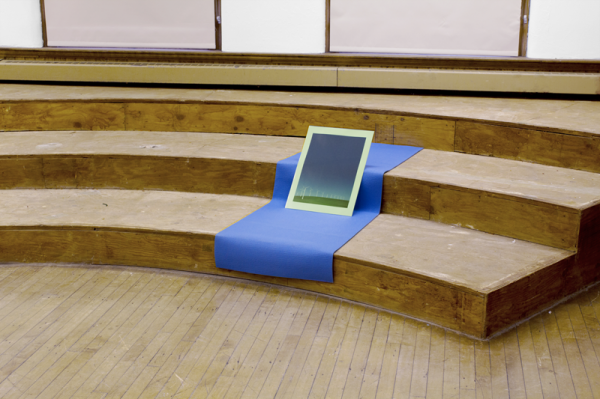
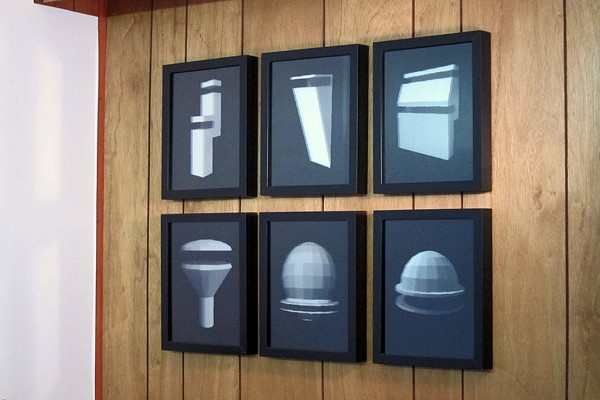
futuresolutions_immaculatedata_framed
foxconninstall2_close
ccac_web
windfarm

Wyatt Niehaus

Work from his oeuvre.

“Wyatt Niehaus’ Future Solutions is a bleak pastiche of corporate signifiers: eco-friendly pantones, quixotic windmills, industrial sterility, Plexiglas smoothness. Overexposed and homogenous, Niehaus’ visuals flaunt their artifice, as well as the contemporary phenomenon of “green-washing”—a branding gambit that flirts with sustainability but makes no promises. This form of corporate hypocrisy is so recognizable as to be passé, yet massive corporate bodies continue to brand-craft a façade of empathetic patriarchy while simultaneously overstepping ethical boundaries across the globe.

Niehaus’ previous work lampoons just such a hypocrisy, for example, in the case of the relationship between Euro-American companies and Taiwanese manufacturer Foxconn, the world’s largest maker of electronic components and the single largest private-sector employer in China. Foxconn recently achieved worldwide notoriety for allegations of dismal working conditions. It has been the site of several suicides related to poor pay (and misplacement of Apple product prototypes). Foxconn’s official response to the controversy was to sign away their liability and install suicide nets above the machinery—a macabre gesture, to say the least. The Foxconn spectacle survives as a mere ghost in Future Solutions—its ugliness broils underneath the bland green surfaces, almost (but not quite) exorcised by feel-good branding voodoo.

Future Solutions is not alone in its indictment of corporations. Niehaus’ projects echo the concerns of Naomi Klein, whose book No Logo, in a similar way, exposes the misdeeds of global companies and the invasiveness of false branding. In a subtler manner, Future Solutions asks the same question as Klein. What will we do about it?” – Elizabeth Bauer

Nicolas Sassoon


30_homestudies1
homestudies11
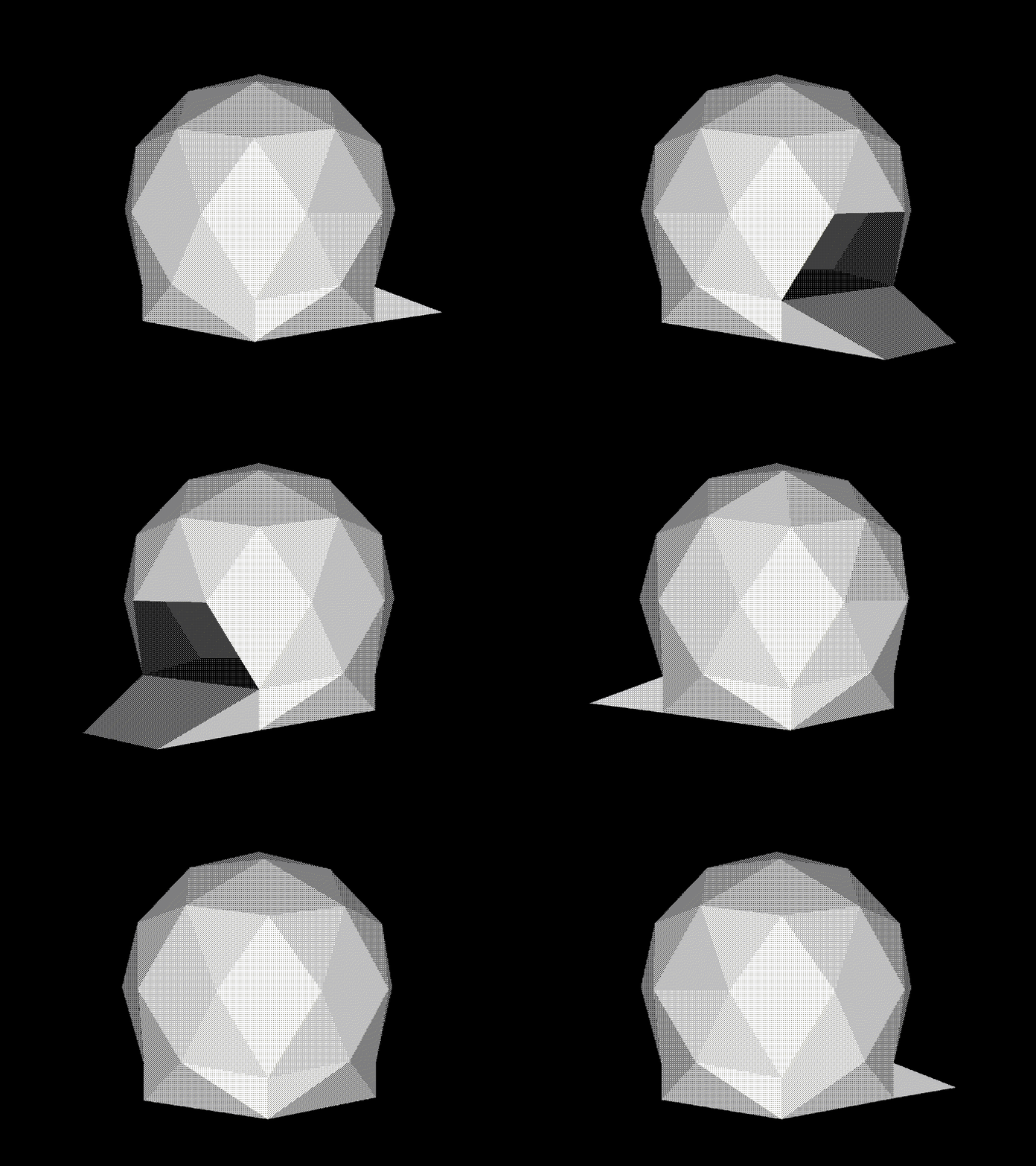
homeland3t

Nicolas Sassoon

Work from Studies.

I want to go back to the idea of modularity that has come across in the last model you sent me. Does the malleability and flexibility of these 3D environments inspire your process, or has your work always contained a element of repetition and combination?

I’ve always been excited to insert elements of repetition and combination into architectures, landscapes, human environments in general. When I started drawing architectural shapes, I realized that copy/ pasting a building was very easy. Any kind of architectural fantasy is stimulated in a 3D environment. It’s something scary and exciting at the same time, but I think it’s also something that we have a lot to learn from.

You’ve mentioned how observing and searching play a large role in the work. Are there areas of study and observance that you participate in that haven’t manifested in your work yet?

I like to observe how technology is integrated in my environment. That includes architecture, landscape, domestic interiors, industrial areas, etc. Most of these fields have already manifested in my work as digital drawings or animations, which is a starting point. A lot of my work is driven by the possibility of being translated physically.

In these sketches, and your other work, there seems to be a great demand for order and symmetry. Is this just a stylistic undertaking, or is there some other concern, like say form an architectural perspective?

When I draw architectural shapes, I find it exciting to think of a house as an abstract geometrical shape. Looking at architecture from its beginnings until today, it is something that really stands out to me.

I think I’m also interested in how the translation of the fantastic structures and landscapes you’ve made here are starting to manifest themselves in real space. Can you talk a little bit about how you are planning on realizing these virtual works into physical objects?

There is something very romantic about the potential of technology integrated in our daily environment and I would like to explore more that potential. I want to address domestic spaces and daily areas where we use technology. My work generally takes the shape of a building, a landscape or an object; these are 3 elements I’m working a lot with when it comes to physical objects.” – excerpted from an interview withNicholas O’Brein for Bad at Sports.

Steven Husby

d7xWrSei3XOvS7u6
WlOmRBf8HYWrKD_X
kav5eeNMIPs8ct2V
QKrYHS4q_rG8ERYG

Steven Husby

Work from his oeuvre.

“If this were a blog, it would begin, like ‘classical painting’, as Foucault would have it, with an assumption of a separation between its form and its content. One takes up the blog as a medium as a painter takes up the medium of painting, accepting certain limits as constitutive and others as mutable.

As one approaches the moment of ‘the contemporary,’ one finds that upon scrutiny, all limits of medium specificity are mutable, save one – each medium’s relation to its own narrative history. I would like to contend that in this sense painting – old, dirty, and undead – is paradoxically – more contemporary than the blog. By this standard of contemporaneity, as defined by what used to define the postmodern, but more so, painting’s confrontation with the depth of its own lack of being is constitutive, whereas the blog, by definition, is too busy with the day to day to be bothered justifying it’s severe limitations, which it simply assumes by denying them.

This should come as no surprise, since painting only came into its own once it was set free from service to the broader political economy. Ever since painting was laid off, it’s been making the most of its unemployment. Some, like Ranciere, would go so far as to assert that painting as we perform it not only came into its own, but only came into being at all – retroactively – as a way of seeing, once its function as mass communication was outsourced and transformed. In its woeful obsolescence as a tool of social control, painting performs the reconciliation of the mind and body, both for the painter and the viewer, one at a time.

All of which is not to say that painting does not manifest the tell tale residue of the social. How could it not? It is as prone to replicating societal limitations as we are. And yet, just as we are free to examine, challenge, and re-imagine those limitations, and thus transform them to some extent, painting, being in some sense a site in which the limit as such is tested and subjected to scrutiny, is also able to do more than simply model existing limits. Which is not to say that it always does so – simply that it can. The blog, on the other hand, insofar as it exists as such, rather than as the nascent form of some other new emergent medium, is an example of what Marcuse referred to under the term “repressive desublimation” – performing the distracted and anxious ‘mind’ of the body that is both over and under worked. ” – Steven Husby

Torben Ribe

side006 tr82 torben-ribe-21a tr53

Torben Ribe

Work from his oeuvre.

“The global financial crisis has, quite paradoxically, also had a creative impact on the art scene in Copenhagen. One of the affected spaces is IMO, an ambitious artist-run gallery situated in a new gallery area alongside prominent galleries such as Galleri Nicolai Wallner, Gallery Nils Stærk and the Royal Academy’s exhibition space, BKS Garage. This month an extensive painting exhibition by one of the artists who runs the space, Torben Ribe, is on view.

In his recent series of paintings, Ribe depicts what could be called ‘interior situations’ – though they are the kind of interiors that we would happily put behind us. Sawdust wallpapers painted with a sponge in colours such as lime green, pink or baby blue are displayed together with the utilitarian necessities we’d rather not look at: wires, ventilators, wall sockets. What is being framed here are arrangements that most of us would pay money to hide, repair or even demolish. Moreover, it turns out that these domestic fragments all have an inherent problem resulting from shoddy construction work: in one painting, mould is about to destroy the wallpaper, in another, a slimy substance clings to the surface (maybe in an attempt to create further ‘creative’ effects, but a cloth on the wall shows that the effort was in vain). The paintings direct our attention towards the failed attempts of some anonymous ‘handyman’ trying to solve a specific problem, but the solution ends up creating yet another problem to be solved. For instance, white paint has been used in vain to cover the coloured clinkers of a bathroom in the painting Colours of Harmony (Pregnant)(2010).  – Frieze Magazine

Satoru Higa

Satoru Higa TRIANGULATION BLOG 2
Satoru Higa TRIANGULATION BLOG 1
Satoru Higa TRIANGULATION BLOG 3

Satoru Higa

Work from Capture.

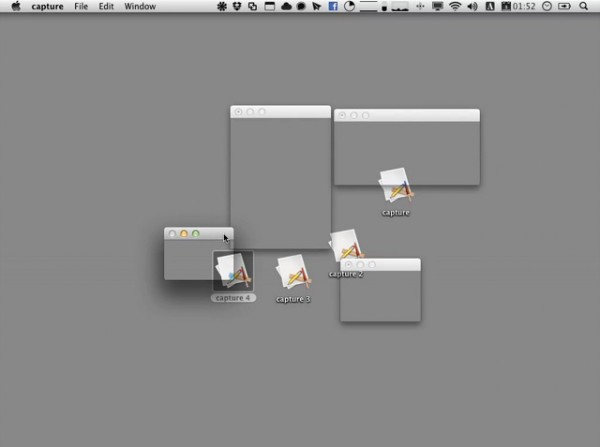
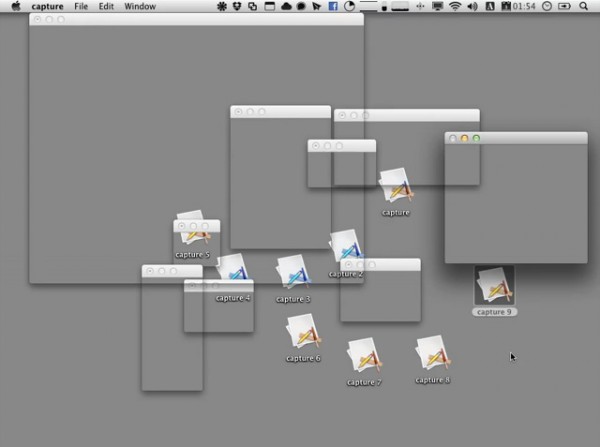
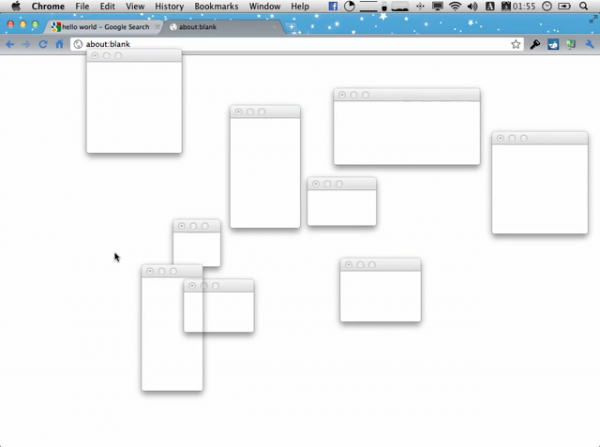
Capture is a sound based application created by Satoru Higa. I like how simple and beautiful is and how chaotic it can be, sonorously and visually. It works on the own desktop, making the transparent windows use whatever visual data source from the desktop by transforming it to sound. The colour and the position of the colours below decides the pitch, tone and tempo. You can create as many compositions as you want by moving the windows or moving the content below of them. I really enjoyed to see on the video (below) when Satoru tries it over the a webpage and he scrolls down Google’s search while the windows are fixed. It made me think to try it over other art based websites and videos to know how they sound, but the application is not downloadable so far.” – Triangulation Blog

Laurie Kang

IMG_9091 wrk
IMG_9095 wrk
IMG_9103 wrk
IMG_9123 wrk

Laurie Kang

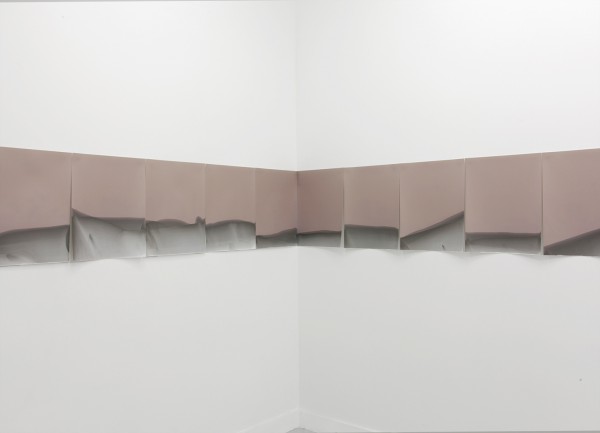
Work from Kang‘s exhibition at Erin Stump Projects.

“In 1966 the American literary journal Yale French Studies dedicated an issue to Structuralism, a fashionable theory pursued by European literary critics. The theory held that a close reading of any text should be considered with a greater awareness of its historical context; that every piece of writing existed in a historical timeline and popular discourse, and it was only through the identification of these contexts that the true meaning of a text could be interpreted. [1]
Four American critics working at Yale University felt limited by their French colleagues’ approach. They believed that the “existing conceptions of the world” were too limiting and that “the defining characteristic of literature was its interiority.” [2] The Yale Critics adopted a different theory of interpretation, that of Deconstruction. Textual deconstruction was “an attitude towards the apparent structures embedded in works, and an attempt to interrogate those structures, initially by inverting the hierarchies which the structures represent.” [3]

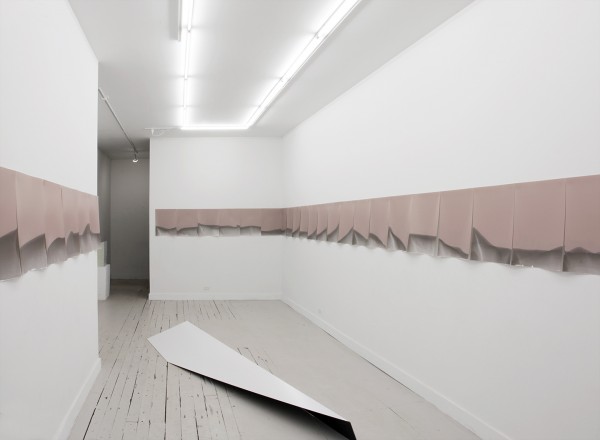
Art has always been defined by its internal and external context, and in Laurie Kang’s new solo exhibition at Erin Stump Projects her gesture is to re-consider the power structure of the gallery space through the deconstruction of the art objects on display. An artwork’s traditional role as the center of meaning is subservient in this exhibition to the social structure of the white cube. This inversion of the classic hierarchy is made through an installation created specifically for the gallery’s location at 1086 1/2 Queen Street West.

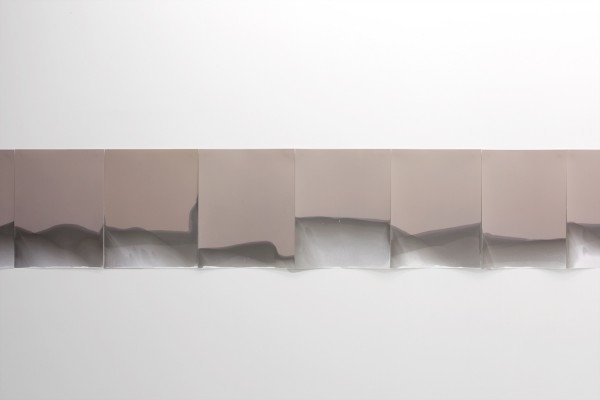
Along the perimeter of the exhibition space hang the contents of one box of Ilford Multigrade IV RC Deluxe silver halide photo paper. All fifty pages are empty except for the subtle trace of an action: the entire stack has been dipped into liquid fixer. Similar to how an object is taken from an artist’s studio and submerged into a public gallery, anointing it as a viable work of art, Kang’s gesture reflects this process. Art is elected through consensus, and the public’s agreement that certain spaces should promote systems which justify the significance of objects or gestures is a social process that relies upon predefinition. The consistency of each of Kang’s pages bearing the mark of the chemical fixer reflects this agreement.

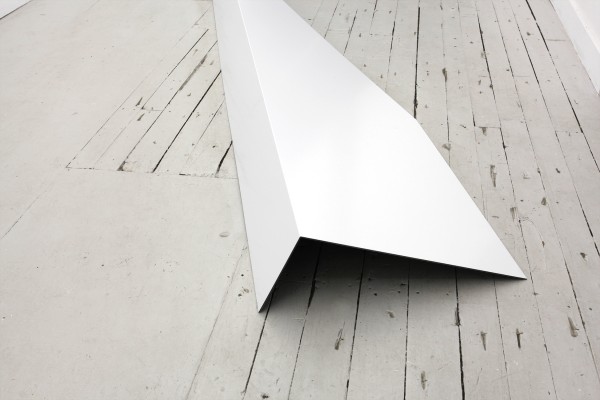
The gallery is a place of record, and the individual pieces of paper are bound to the wall like pages in the spine of a book. Displaying the blank pages in a predefined context recalls Vancouver-based artists Tim Lee and Mark Soo’s book Modern Optical Experiments in Typography: Univers Ultra Light Oblique (1968), where one thousand and twenty-four pages are left blank except for four words on four separate pages. Is it a book simply because it is a bound collection of pages with a colour cover? The internal logic of Kang’s pages displayed in the gallery imitate the deconstructionist theory of a fragmented text, which “prevent their ever becoming works by exposing their central knot of indeterminacy”.[4] Are they examples of artwork, or artworks themselves? To extend the tautology of her exhibition, Kang presents a 1:1 scale replica of the front step of the gallery inside as a sculpture. Outside, its original form is a long triangular wedge of concrete that stretches underneath the front door and the large front window next to it. Inside, the silhouette of the step sits in the centre of the room unobtrusively, a form to be navigated around as the viewer walks along the wall. Are we meant to disregard it in the same way we do the original?

In 1979 the Yale Critics published Deconstruction and Criticism, a compilation of essays written using their theory. Paul de Man wrote about British poet Percy Bysshe Shelley’sepic poem The Triumph of Life, written in 1822 about the supremacy of the natural world over man’s accomplishments. Analyzing a passage about the sun, de Man observed that “light generates its own shape by means of a mirror, a surface that articulates it without setting up a clear separation that differentiates inside from outside as self is differentiated from other.”[5] Viewed through the window of Erin Stump Projects, Laurie Kang’s exhibition achieves its full shape from this vantage point, comprehending itself through the mirror of the gallery space, in the full view of a willing audience.” – Lucas Soi

[1] Martin, Wallace. “Introduction.” The Yale Critics: Deconstruction in America. Minneapolis: University of Minnesota, 1983.
[2] Ibid xxi
[3] Greetham, D.C. “[Textual] Criticism and Deconstruction.” Studies in Bibliography, Vol. 44. Virginia: University of Virginia, 1991.
[4] Ibid 14
[5] de Man, Paul. “Shelley Disfigured.” Deconstruction and Criticism. New York: Continuum, 1979.

Douglas Gordon

Douglas-Gordon_Sharpening-Fantasy-and-Full-Circle--600x399
Douglas-Gordon_Once-Upon-a-Time-Without-The-Sun--800x532
Douglas-Gordon_Twin-Blades_2012-800x532
DSC4356-600x399

Douglas Gordon

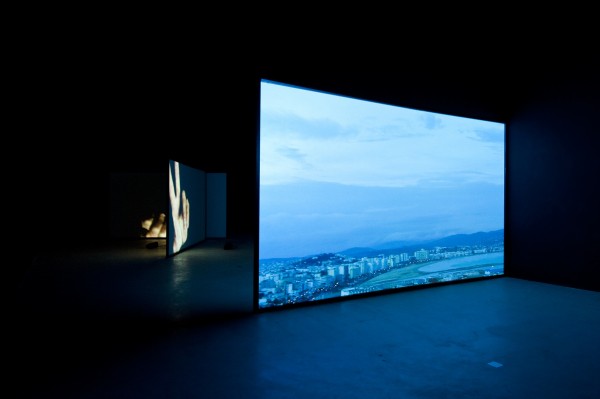
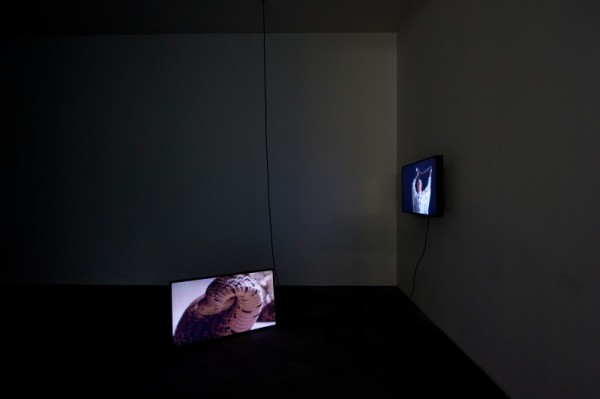
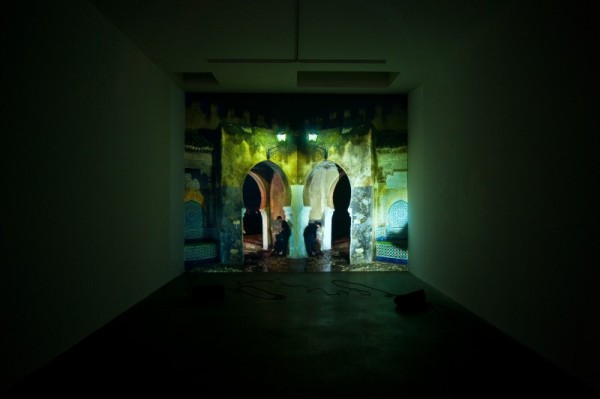
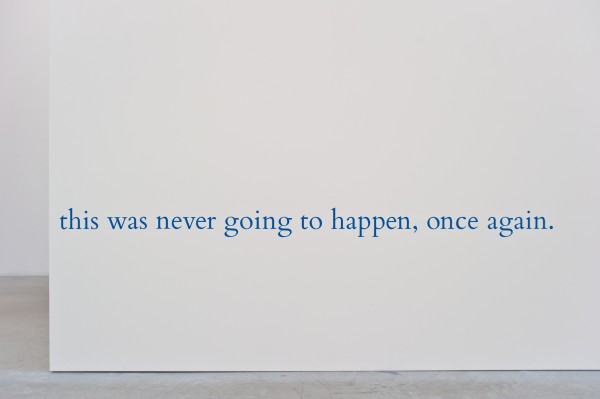
Work from Sharpening Fantasy at Blain Southern.
“Blain|Southern Berlin is delighted to present a new group of video works by Douglas Gordon during the 63rd Film Berlinale, 2013. Gordon is one of the most important and influential artists of his generation. In addition to films and video installations, his work embraces photography, the written word, sculpture and music.

For Sharpening Fantasy, 2012 Gordon travelled to Tangier, where he filmed traditional knife grinders in different locations within the Kasbah of the seaport city. The viewer watches as the effortlessly repeated movements of the men are set to the soundtrack of their day’s work. Following the recent large-scale, site-specific works by Jannis Kounellis and Lawrence Weiner, the installation transforms the former production hall ofDer Tagesspiegel newspaper into an experiential, audio-visual space. The work presents collisions between Europe and the ‘Orient’, perception and prejudice, desire and fear.

Unlike the films of snake charmers in Natural Historie on the Parapet and Natural Historie on the Altar, which Gordon recorded in Marrakech four years previously, Sharpening Fantasy, 2012 blurs the boundaries between the different sensory perceptions, between reality and fairy tale, between dramatic imagination and a more muted gaze.” – Blain Southern via Contemporary Art Daily

Stephen Cartwright

54_stephen-cartwright-xyweb6 54_stephen-cartwright-xyweb4 54_stephen-cartwright-xyweb2 54_stephen-cartwright-xyweb5

Stephen Cartwright

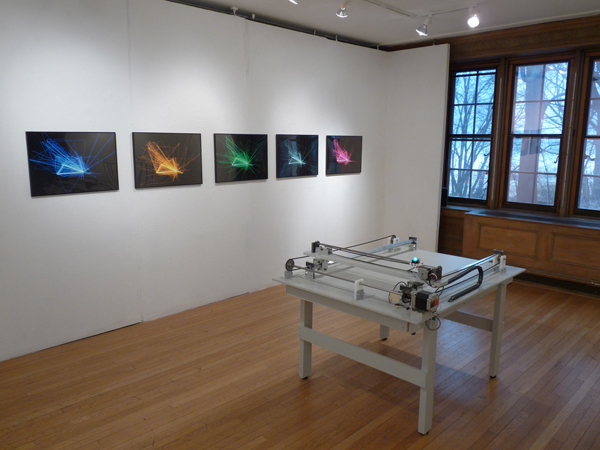
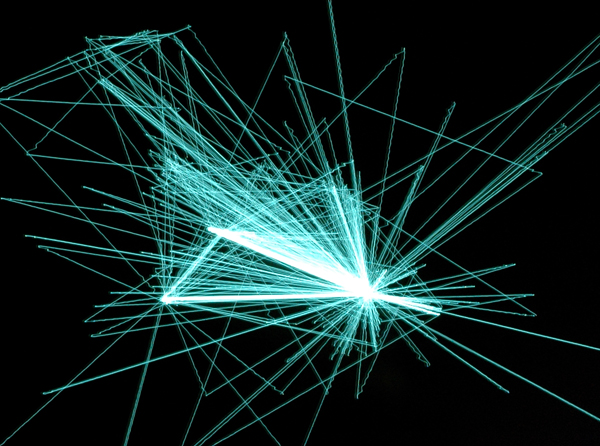
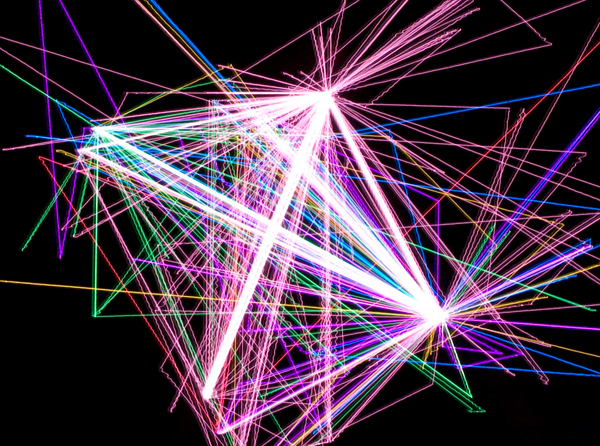
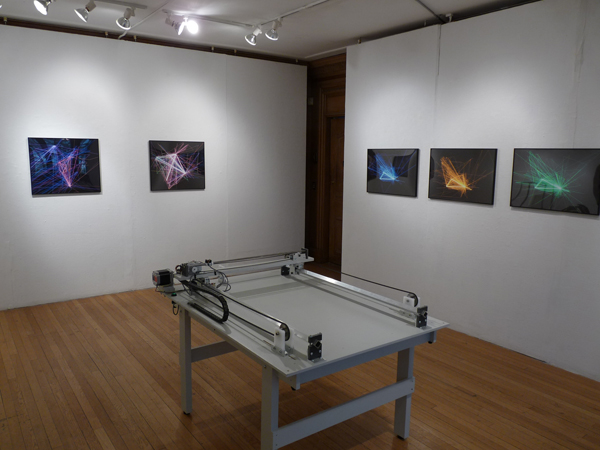
Work from XY Plotter

“Every hour since noon on June 21, 1999 Stephen Cartwright has recorded the exact latitude, longitude and elevation of his position on the earth with a handheld GPS. His records now include more than 115,000 hourly recordings that span several continents and include some 40,000 miles travelled by bicycle. Cartwright creates multi-dimensional maps and objects from the collected data and offers a unique perspective of one person’s transit through life. For this exhibition, Cartwright’s installation demonstrates that visualizations can be more than just an illustration of the data—they can create new forms and topographies.

All through my latitude and longitude recording project I have looked for ways to visualize the information that expresses the essence of the project: recording an object moving through space over time.  A long exposure photograph of a  moving light meshes with with my desire to document that ephemeral track. Faint tracks compound to reveal the patterns of my life.”

via Prosthetic Knowledge 

Cady Noland

migros_Cady_Noland CRI_116639 Screen Shot 2013-04-22 at 11.51.55 PM tumblr_m7v1p6cZRj1r282ajo1_1280

Cady Noland

Work from her oeuvre.

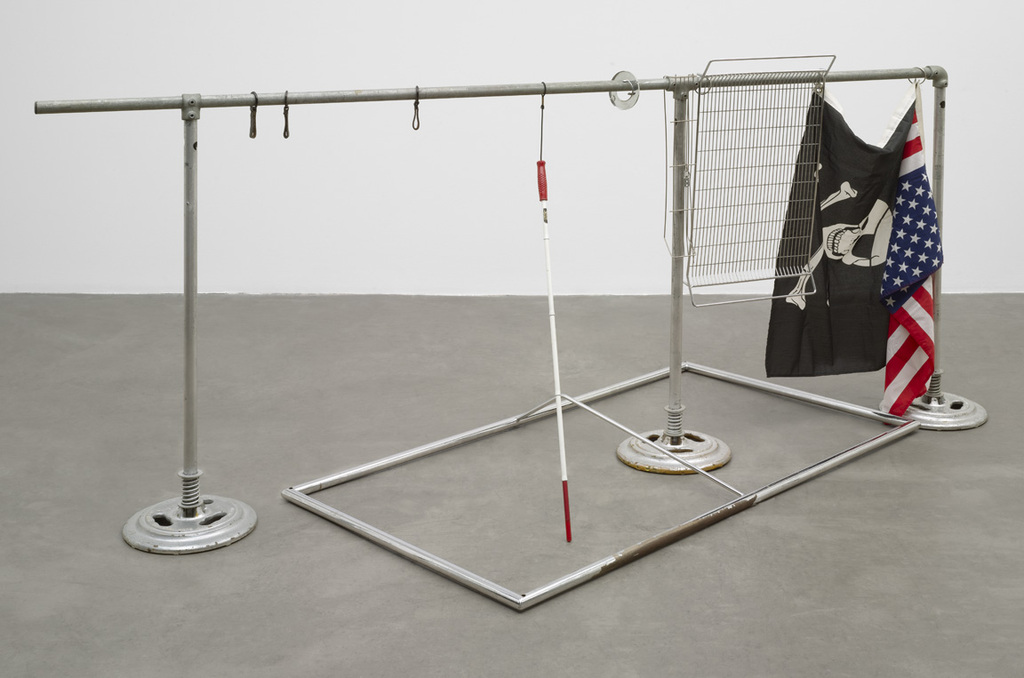
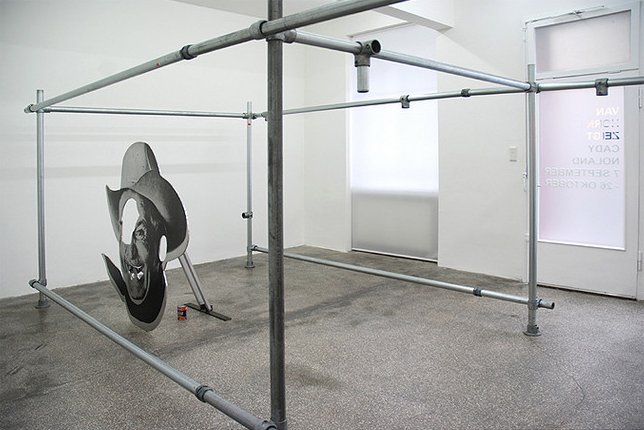
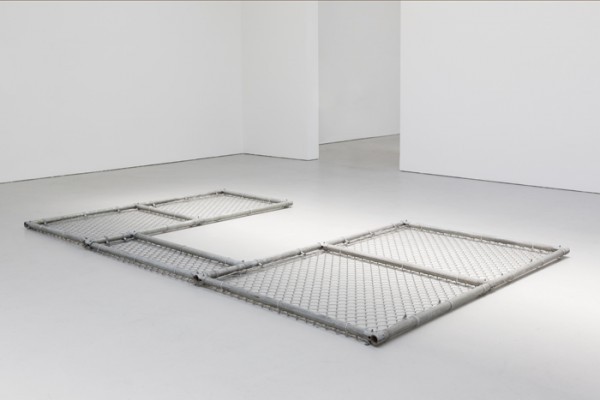
“Michèle Cone: Practically every piece I have seen of yours in group shows or in your one-person shows projects a sense of violence, via signs of confinement — enclosures, gates, boxes, or the aftermath of accident, murder, fighting, boxing, or as in your recent cut-out and pop-up pieces — bullet holes.

Cady Noland: Violence used to be part of life in America and had a positive reputation. Apparently, at least according to Lewis Coser who was writing about the transition of sociology in relation to violence, at a certain point violence used to describe sociology in a very positive way. There was a kind of righteousness about violence — the break with England, fighting for our rights, the Boston Tea Party. Now, in our culture as it is, there is one official social norm — and acts of violence, expressions of dissatisfaction are framed in an atomized view as being “abnormal.”

Cone: There are clear references to extreme cases of violence in the United States, Lincoln and Booth, Kennedy and Oswald, Patricia Hearst, etc. . . .

Noland: In the United States at present we don’t have a “language of dissension.” You might say people visit their frustrations on other individuals and that acts as a type of “safety valve” to “have steam let off.” People may complain about “all of the violence there is today,” but if there weren’t these more individual forms of venting, there would more likely be rioters or committees expressing dissatisfaction in a more collective way. Violence has always been around. The seeming randomness of it now actually indicates the lack of political organization representing different interests. “Inalienable rights” become something so inane that they break down into men believing that they have the right to be superior to women (there’s someone lower on the ladder than they) so if a woman won’t dare them any more they have a right to murder them. It’s called the peace in the feud. In this fashion, hostility and envy are vented without threatening the structures of society. MC: In some of your pieces — like Celebrity Trash — which spill over the floor, the violence is implied in the “trashing” gesture, whereas in your two-dimensional works, the violence is connoted by the title or the historic reference or simply by a word like “Texas.”

Noland: When I was making Celebrity Trash I was reading The Globe and The Star and saw that what is done is that you consume all of these celebrities each week, then you turn them into trash. This trashing helps to dampen people’s anger over their situation or their own place in the hierarchy of importance. The word “Texas” has a kind of cultural capital. It is shorthand for Kennedy’s assassination and for a certain time in the 1960s. Speaking on a financial level, it’s interesting how once a certain amount of capital has been invested in a rock group, for example, certain recordings can be dressed up or recontextualized opportunistically to take advantage of a new “trend” or something new it can be attached to. It can be squeezed like a lemon, but it becomes almost an organic thing and it gets revived and squeezed again. I read in a trashy novel once something which implied that the deaths of certain rock stars might have meant more capital for record company and that there are speculations that a few deaths might have been “arranged.”- Interview with the Journal of Contemporary Art