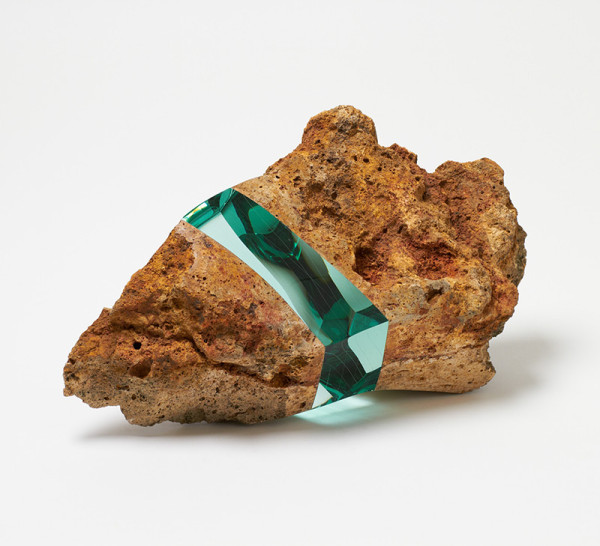
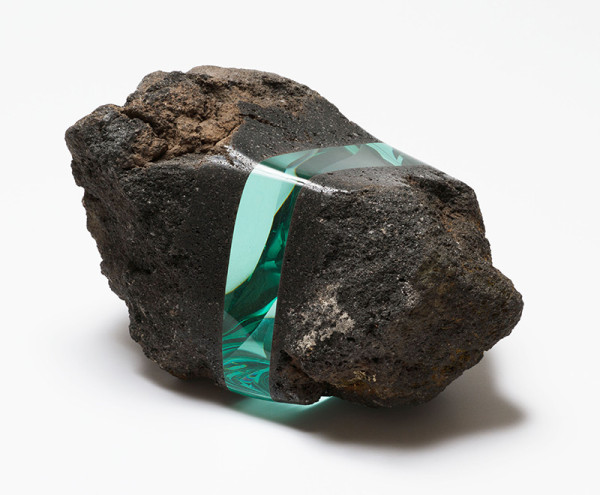
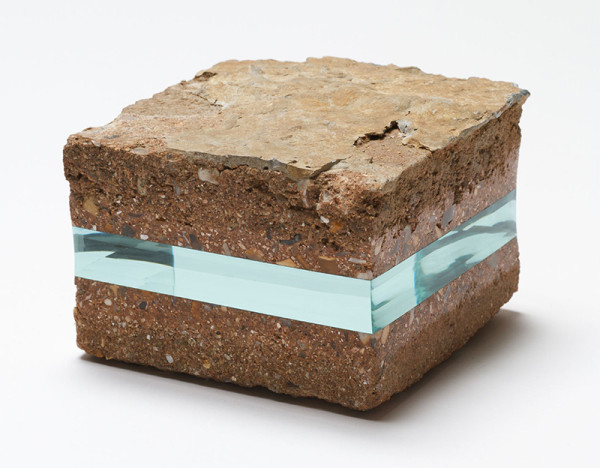
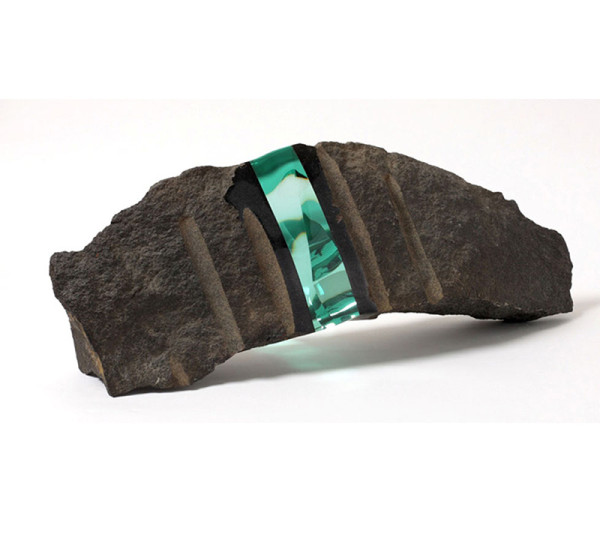
Work from his oeuvre.
“Using stones and bricks with history and culture of the land, he creats the sculpture of the stones put in polished glasses.” – Art Front Gallery
contemporary art blog
Thursday, 12 December 2013
Work from his oeuvre.
“Using stones and bricks with history and culture of the land, he creats the sculpture of the stones put in polished glasses.” – Art Front Gallery
Wednesday, 11 December 2013
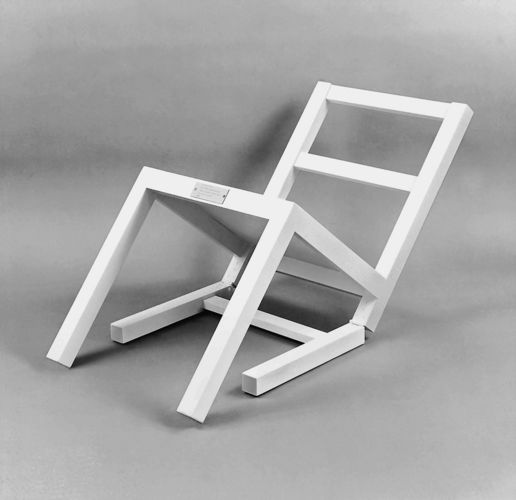

Work from his oeuvre.
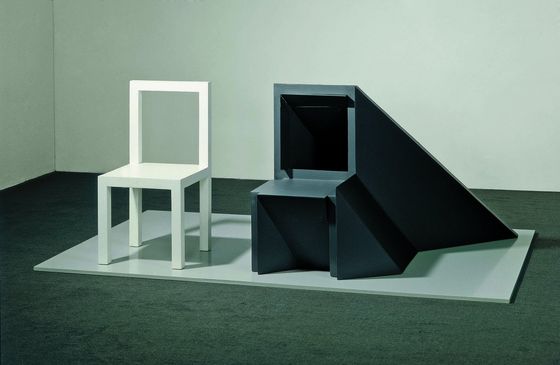
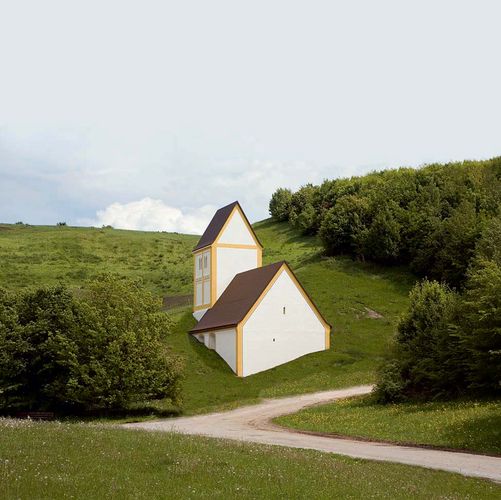
“…Ulrich’s work is interdisciplinary. He is a representative of Neodadaismus , body art and conceptual art . Also located Ulrichs busy with printmaking, the artist’s book and performance art. He is also known for his study of the language . Ulrich uses tautologies , paradoxesand ambiguities in the language – for example: ” In the beginning was the word at … “- as well as verbal terms artistic, usually in the form of sculptures or installations in order.
Continuously Ulrichs has operated public art. Large, often thematic and site-specific sculptures by Ulrichs include before MagdeburgHauptbahnhof ( the earth’s axis ), near the Munich Allianz Arena in Froettmaning ( Sunken Village ), the open-air statuary in Antwerp (model homes, type Bomarzo ), in the old town of Recklinghausen ( The whole and the parts ), in mountain Kamen ( pyramid to the Center of the Earth ) [6] , in Mülheim / Ruhr -Styrum ( between the lines ), in Sinsheim ( home birth ), before the gallery Nordhorn ( The Foundling ) and in food about 150 m northeast of the Museum Folkwang ( surrounding space ) to see.
Ulrich is his own definition according to which a total artist. This term can be viewed from two perspectives. One factor is the heterogeneity and variability of the overall work, on the other hand he owed to different sources of inspiration, and less as a label for Ulrichs’ individual pieces, but as a formula for the total and unfinished creative process to understand. In the strict sense refers to Ulrichs’ conception of “total art” a reflexive aesthetic process, the familiar patterns of perception and worldviews sensitized and challenged…” – Wikipedia
Tuesday, 10 December 2013
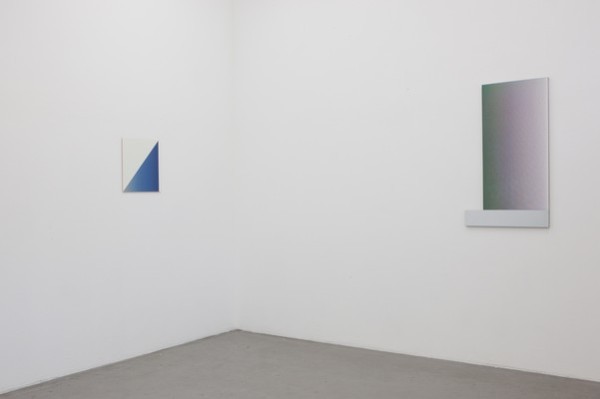
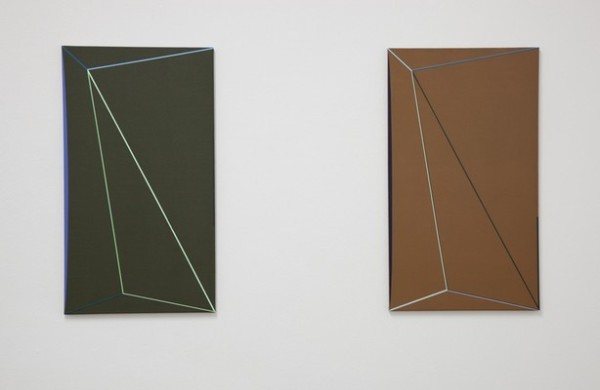
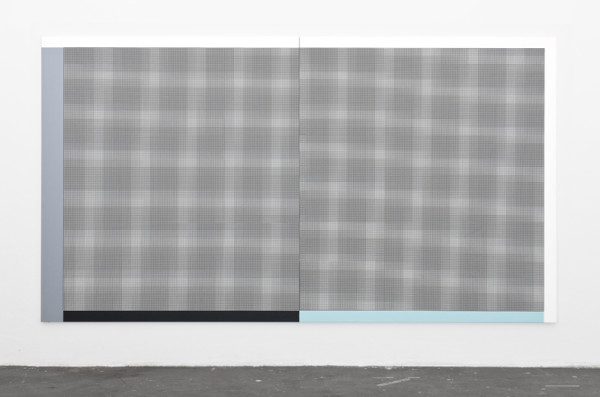
Work from his oeuvre.
“In his painting, Weichsel deals with the composition of color and surface. He seeks perfection on the basis of abstract and formal concepts. Consist Individual elements are modified, repeated and arranged. Though repeated shapes in the composition, developed each image a very individual effect. isolation, differentiation and precision are driving his style. Finally, each of its images claimed as individual shape and color composition.” Monopol (translated via Google)
Monday, 9 December 2013
Work from his oeuvre.
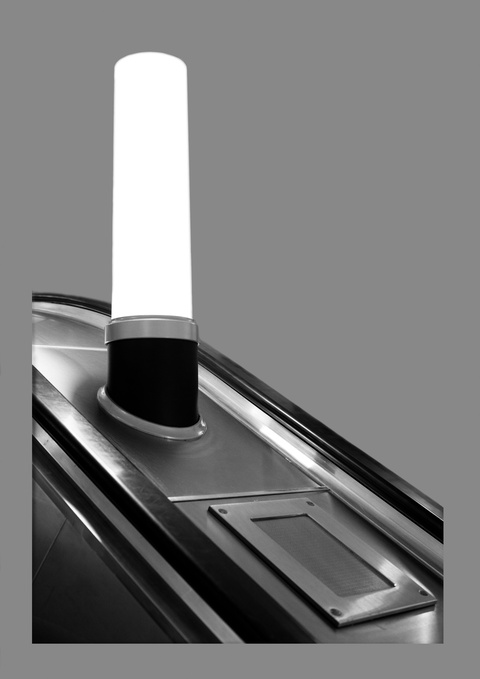
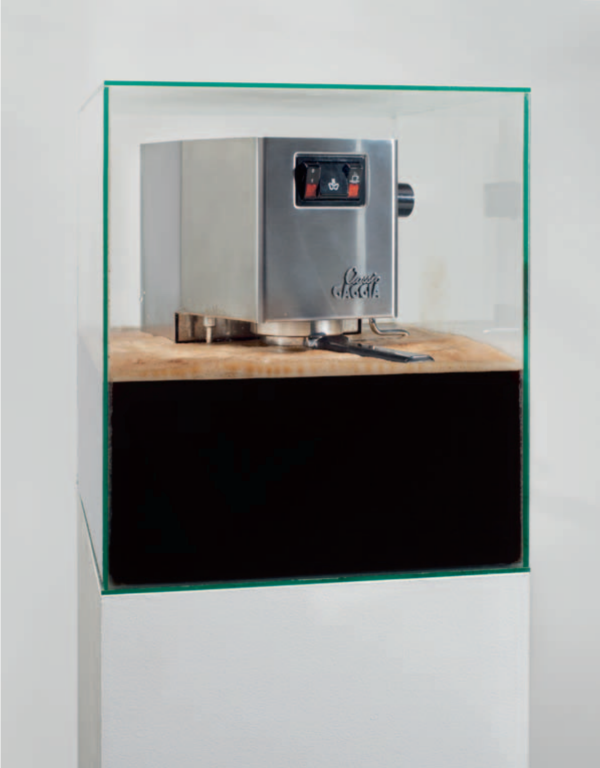
“Alwin Lay’s interventions begin with the meticulous representation of objects. While initially this seems to be Lay’s primary concern, the representations open up for further reflection: a sparkler that never stops burning, a coffee machine drowning itself, a transparent light meter. Lay confronts the viewer’s perception with the physical properties of objects and questions their representability in media.” – Natalia Hug Gallery
Sunday, 8 December 2013

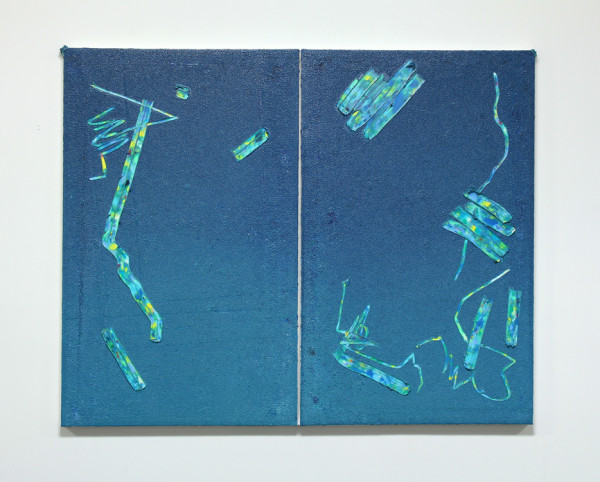
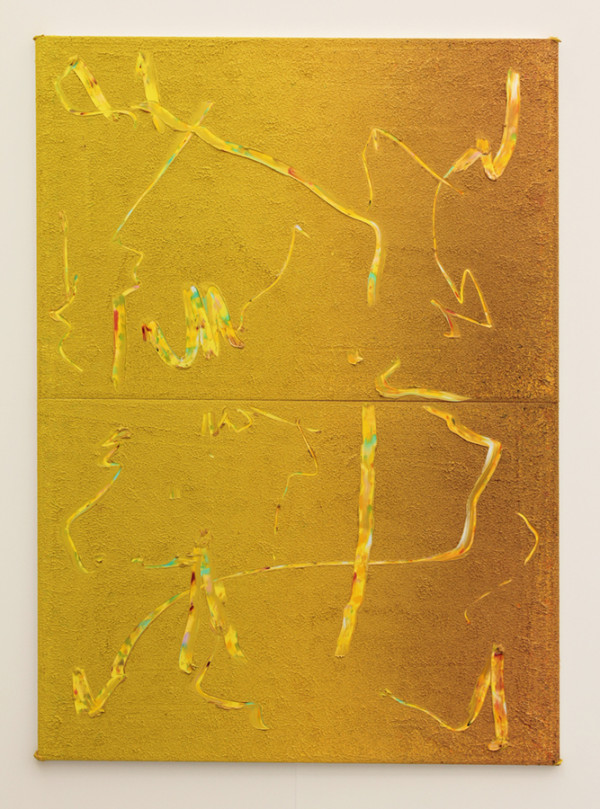
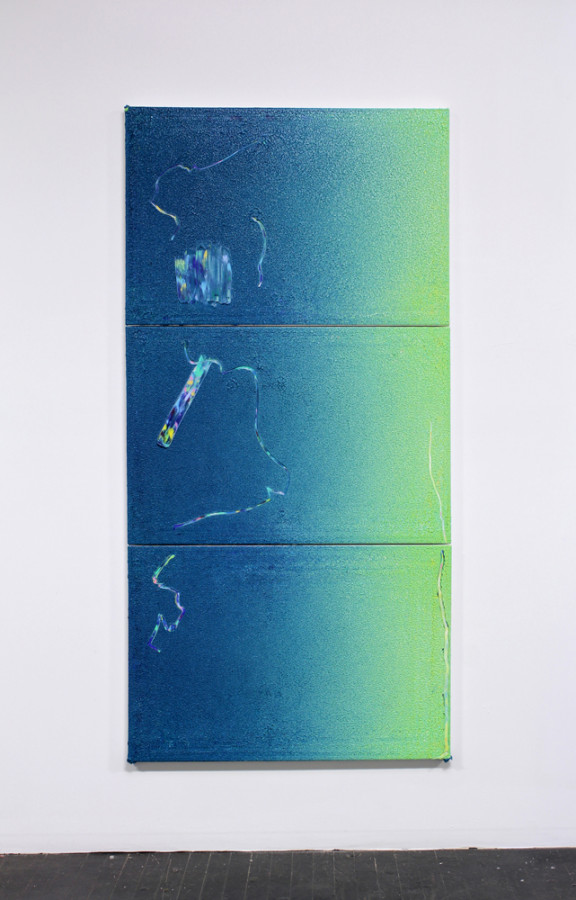
Work from Paintings Paintings.
“The set of oil paintings, belonging to a series the artist calls ‘painting paintings’ depict a collision of abstraction and process based action painting. For these works a set amount of oil paint is spread over a number of canvases and the surface of each canvas is systematically stamped onto the surface of the next, a process which continues back and forth, over and over again. This repetitive stamping eventually results in a gritty layer of colour forming over the surface of the paintings, muting out the original hues. At this point the artist utilises the frame of the canvas to draw into the surface of the next painting, using it as a giant tool to scrape back into the muddled grey layer to reveal the original painting underneath. In doing so, he destroys one painting to create another, each surface interacting with the next in an ongoing cycle.” – The Popular Workshop
Saturday, 7 December 2013
Work from her oeuvre
“Jennifer Mehigan’s work explores the boundaries between physical existence and mediated space created by technology. She references phenomenological aspects of online worlds in her human-sized paintings, which operate as enlarged touch screens. She plays with notions of sensory deprivation and visual hyper-stimulation in her paintings, videos, and installations. Specific gestures: brush strokes, licks, screen swipes combine to form a fluid visual language that deconstructs desire, touch, and reality.” – Hilary Schwartz
Friday, 6 December 2013
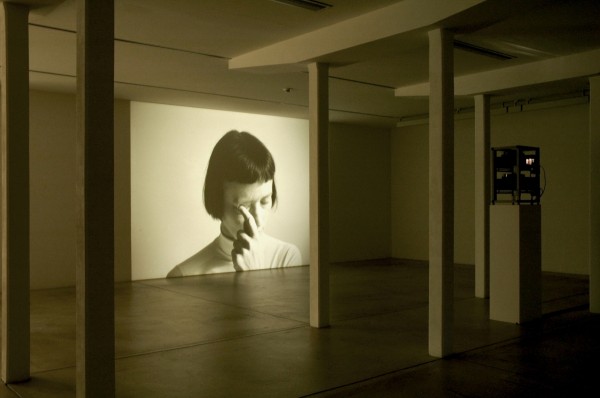

Work from her oeuvre.
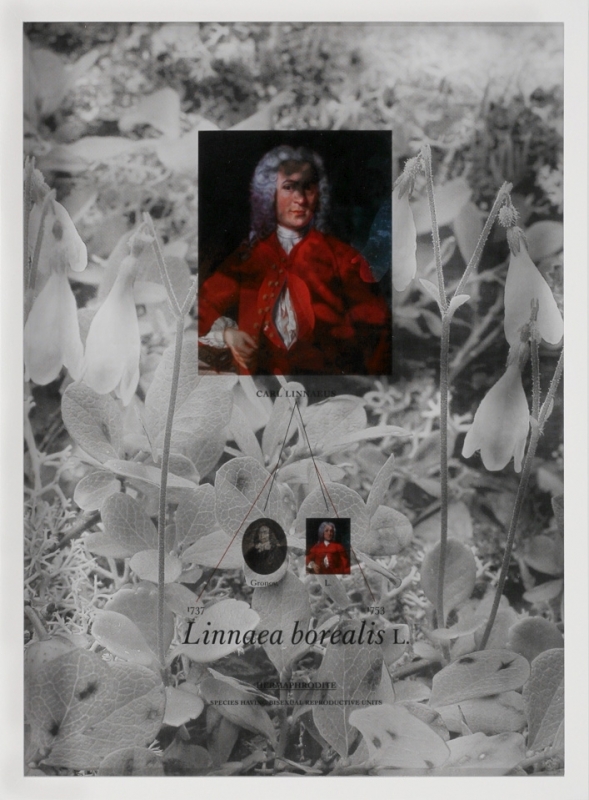
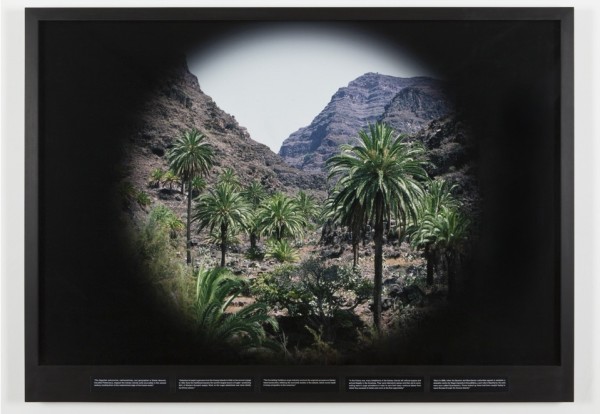
“Ana Torfs was born in Belgium in 1963. Her work consists of various installations with slide projections, photo series, a web project, a feature film, several publications etc. Torfs has dealt, among others, with questions such as perception, representation and the construction of images and identity. She has also focused on the tension between text and image, between reading and visualising and – in a larger sense – between the fabricated and the real.
Existing texts are often used as a starting point, for example the conversation books of a famous composer turned deaf in her feature film ZYKLUS VON KLEINIGKEITEN [Cycle of Trifles], the records of Joan of Arc’s 15th century trial in her installation with slide projections DU MENTIR-FAUX [About Lying Falsehood], Hanns Eisler’s songs about exile in her web project APPROXIMATIONS/CONTRADICTIONS, a play from 1890 in her installation with slide projections THE INTRUDER, etc. Though Torfs didn’t write these texts herself – they are ‘objets trouvés’ (found objects) – she sculpts them into a new and concise configuration, a process that is just as slow and intense.
During her Production-in-Residence at BAC, Ana took the film Journey to Italy (1954) by Robert Rossellini as her starting point. The film narrates a martial crisis in the form of a road movie. Torfs pays tribute to Journey to Italy by carefully deconstructing it and ‘displacing’ it to remote Gotland: just as the Naples region is the real star of Rossellini’s movie, the Scandinavian island takes the principal role in Displacement. And just as it does with Rossellini, travel serves as a metaphor for a different journey of discovery.” – Baltic Art Center
Thursday, 5 December 2013


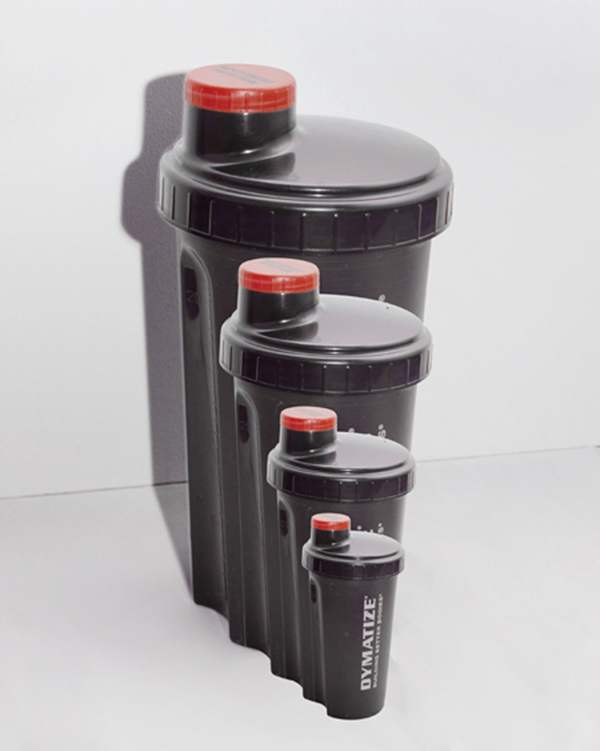


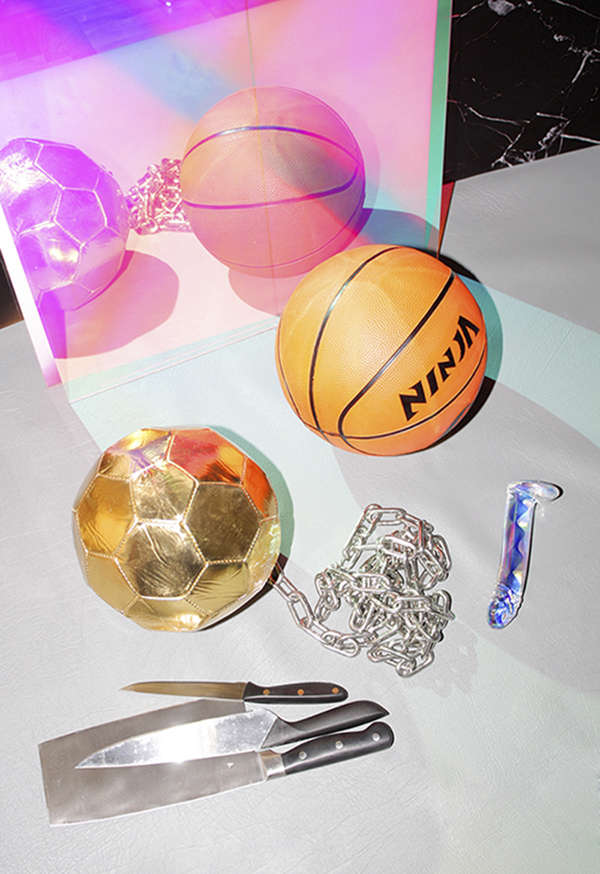
Work from Protien
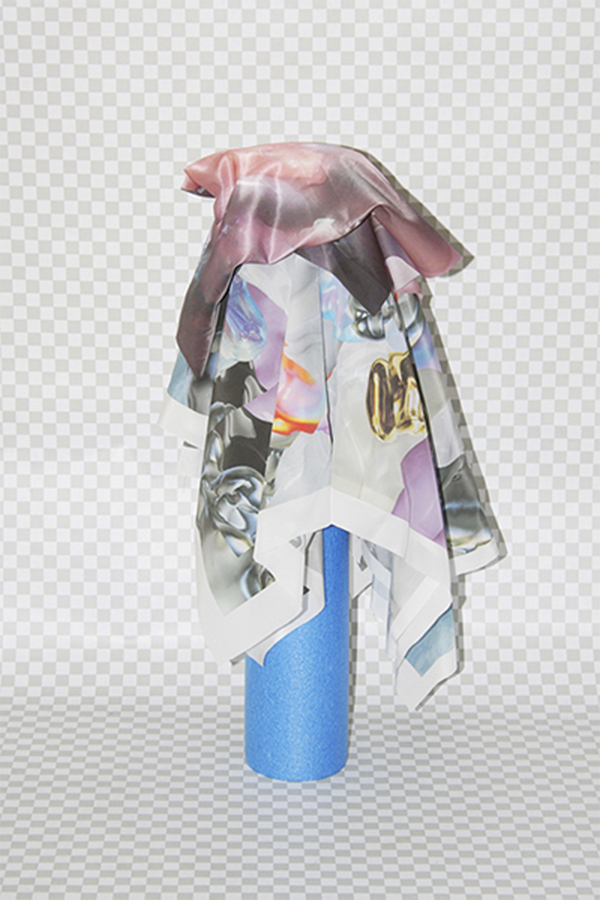
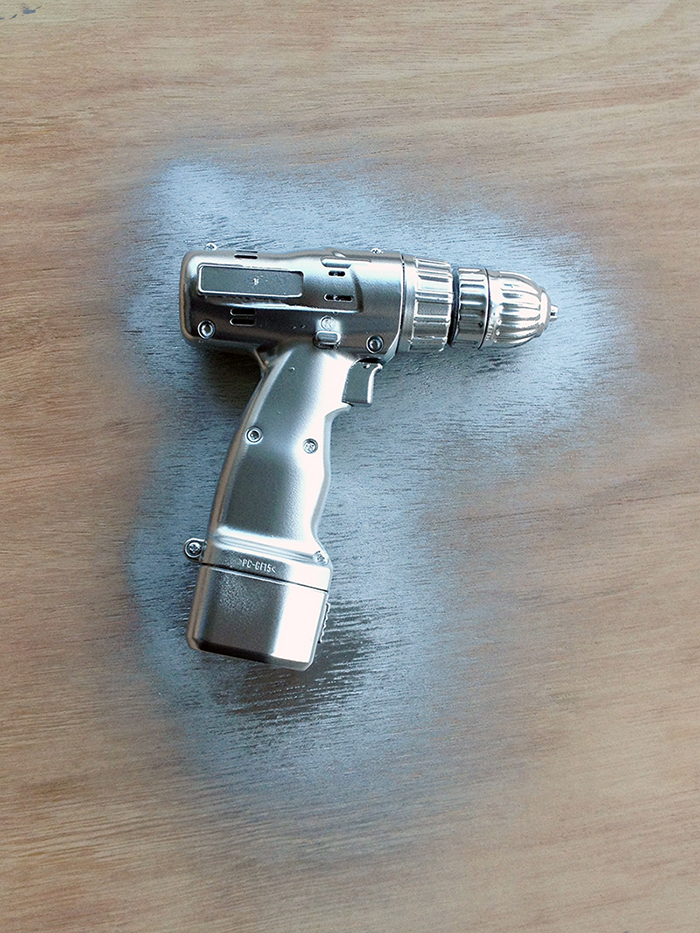
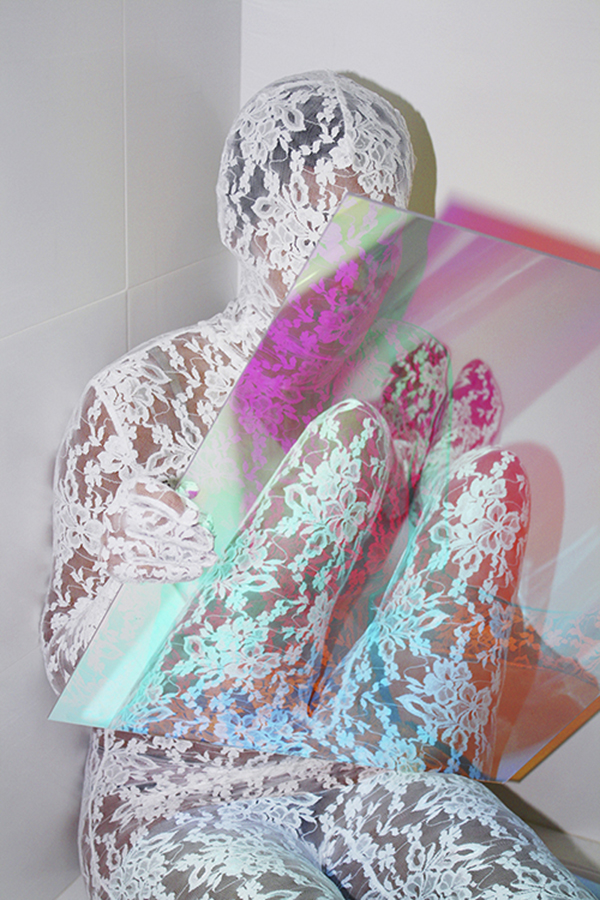
“—Hi Maxime, please tell us how did you get into photography?
Maxime: Hi! This question is quite personal but I did get into photography while I read for the first time Skateboard magazines. Photographers like Cedric Viollet, Eric Antoine and also the ill-studio crew who used to hold “Chill Magazine” in 2004-2006 really inspired me.
I was first inspired by pictures, not really by cameras and so on…
—Your work deals a lot with a mid 80′s/ 90′s visual graphism. In what way do you relate both worlds, photography and that revivalistic atmosphere? How do they can culminate one another?
M.: I may say that my work deals rather with technical evolving, but well yes there is an obvious graphic atmosphere from the 80′s/90′s that appears in my work.
I don’t really know how they can relate to each other, I might say that this happens in the way of making my set design and the way of selecting objects.
—How do you organize your set before you shoot it? What are the stages of your work process?
M.: Organizing a shoot is quite a long process… But I had to learn to do it more quickly since I started to studying at ECAL (Lausanne based Art school).
Here is my usual way of processing for studio shoots:
-My first step is to take time to search for old design and photography references in books that seem to reflect a timeless way of set designing and showing things and forms. Then find links between my ideas and concepts that I want to put further thanks to the good references that I’ve found.
-In order to relate it, the second step is to merely draw some sketches.
-Third part is to collect relevant items and objects.
-Then drawing again for light set up.
-Fifth step is to be meticulous in building things in studio.
-For the sixth step, when shoots are done, time is to work on postproduction on photoshop.
-And finally the last but not the least one, the Digital Processing of colors and contrast.
These stages are taking quite a lot of time when you run on time doing many different projects, so that’s why how it is important to be well organized.
—Which aesthetic attributes do you deem to create a perfect distinction between a contemporary and a commercial concept?
M.: In my opinion we shouldn’t try to make distinctions between contemporary photography and commercial photography aesthetic. The like of Paul Outerbridge and Roe Ethridge demonstrated it, they well succeed in driving commercial works into a personal contemporary work. We should educate the eye of viewers on showing new visuals and more elaborate pictures.
Nowadays commercial ads are losing more and more their credibilities in showing non-intellectual visuals without any culture references (especially on TV)… This is a big lack for our societies.
—Please describe a few of the most important aspects you look for when shooting to meet the original concept you had imagined before. Is this a meticulous process or just something more organic?
M.: As I explained it in my way of processing, when I work still lifes or studio shots I make sketches, but sure sometimes there is some feelings that put me on trying different things while I’m in front of my set up or in front of my computer as well during the post productions. As a photographer I need to let luck drives me sometimes.
—What is your favorite photography accessory, other than your camera?
M.: My phone I think so! This is a good way of grabbing funny stuff ! I used to photograph this kind of stuff with a Yashica T4 for maybe 3 or 4 years long but I rather prefer the low digital definition of phones than 35mm films now.
—Your updated webfolio was created by Carré Blanc. How did you came up to collaborate with them and why?
M.: Carré Blanc is a Lyon based group of graphic designers composed of Florian, Baptiste and Olivier. These guys are good friends of mine that I met when I was studying in Lyon for 2 years.
Their sense of curating and creating in a collective way amazed me a lot! So it was definitely natural for me to ask them to be part of my projects even if it would take a lot of time haha…
I also felt like it was important to make a pure Lyon collaboration in order to show that great things are happening in this beautiful french city!
—If you were not a photographer, what would you probably be?
M.: I don’t know haha! We ask ourself this question with friends this week!
Probably riding streets with skateboard friends, eating pizzas and drinking wine with my girlfriend,but this is sounding like holidays rather than a job !
—Do you remember the first photo you took that really stuck with you and why?
M.: That was a cube dug in a wall (likely a place for a mailbox), I think that was rather the natural light in this picture that blow my mind. But I lost this analog picture… like I would have probably lost it in a computer.
—How would you describe your work? What are the major influences to it?
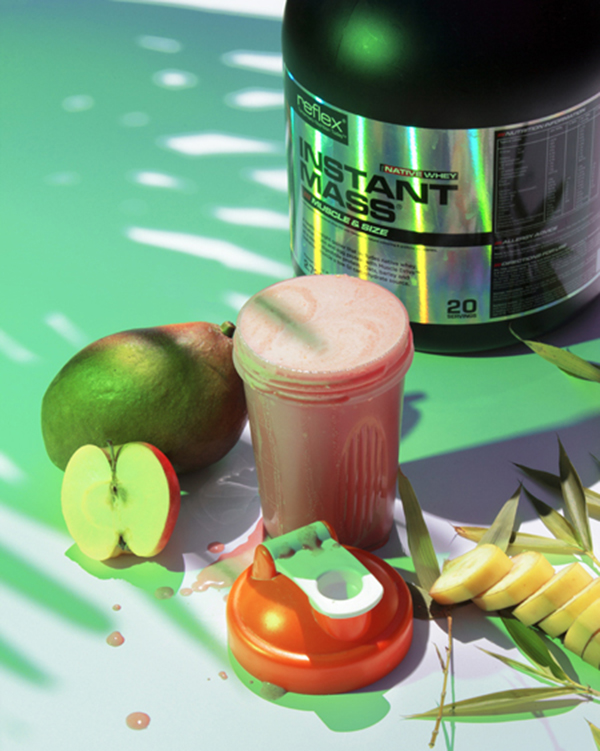
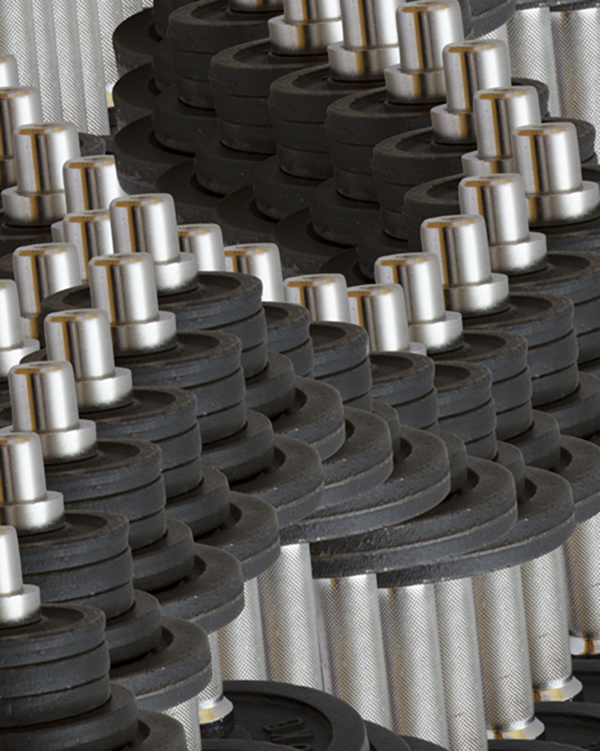
M.: That’s a tough question… I mostly do still life and set design in order to give it a second life with digital manipulation.
My main influences are taken from old crap kid movies from the 90′s (ex: the mask, Batman forever, etc..), former photographers like Claude Batho; Florence Henri; Ralph Gibson and so on…
And also graphic designer and illustrator like Nathalie Du Pasquier, Susan Rose, Barney Bubbles…
—Who were your favorite photographers when you first started your journey and who are your favorites today?
M.: I was really into Thomas Demand work and Matthieu Lavanchy (I was his intern for a summer when I was still studying in Lyon), but Matthieu is still my favorite today. I admire as well currently the work of Asger Carlsen and Kate Steciw.
—What projects do you have coming up that we should know about?
M.: I’m working on 4 different projects this semester, one is already done for a Zurich based magazine.
—To finnish, do you have any advice for young creatives?
M.: Try to avoid making moodboard with new artists as references. (I know it’s hard! Even for me sometimes!)”
text via O Fluxo
Wednesday, 4 December 2013
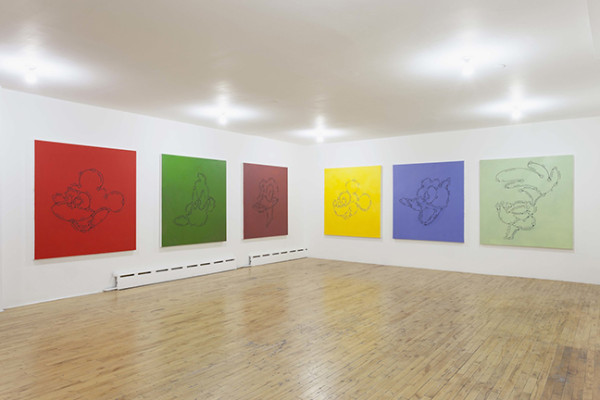
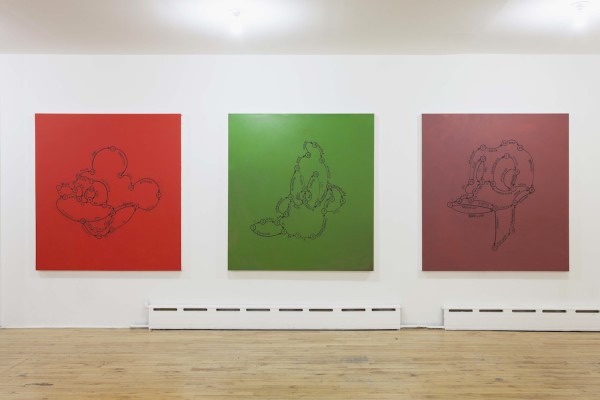
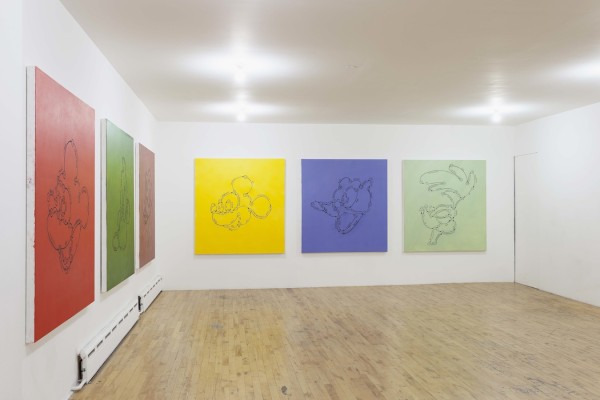
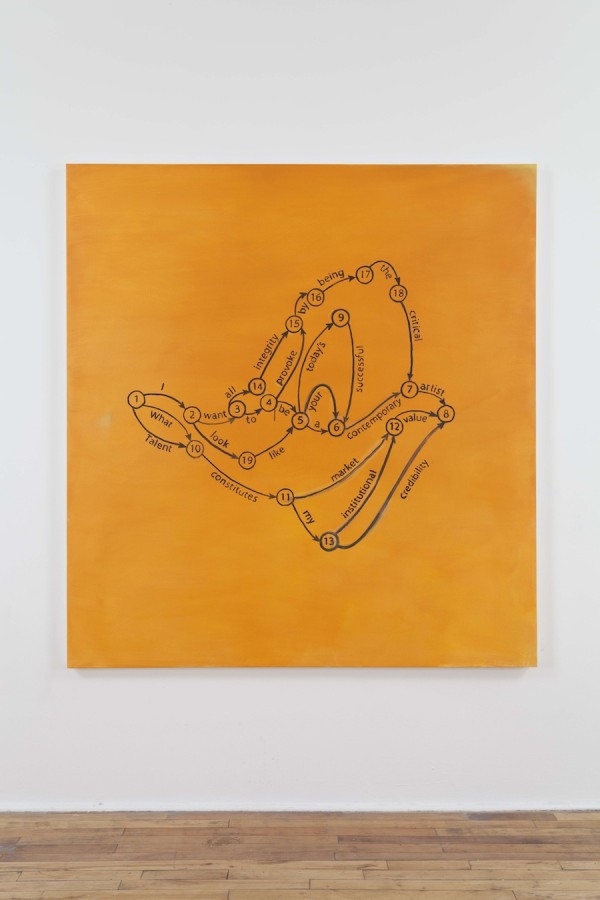
Antek Walczak
Work from “New Transbohemian States” at Real Fine Arts, New York.
“The series of oil paintings presented for this exhibition depict a number of state transition diagrams. As graphic-poetic machines, these diagrams formulate messages in relation to the outside world (here grounded within the use-case of being a contemporary artist), and each message causes the machine to transition from one state to another, as a hypothetical description of interaction within the behavior of a system. It can be argued that while using the routines and clustering techniques of visualization common to data analysis, the artist has instead opted to venture off into the realm of portraiture, even self-portraits, in an expanded sense of course.
The work of Antek Walczak picks up faint historical echoes of concrete and visual poetry, along with the early conceptual art probing of linguistic systems in the relationship of art and language, while repurposing these informing practices within the current that developed roughly during the same post-war late twentieth century climate to shape the realities and experiences of today. The birth of the computer age, i.e., the continuing effects of information theory and cybernetics across technology development, communications engineering, and the accompanying revolutions in the sciences. For the artist, it is too late to just be awakening to these facts as if some inescapable conspiracy has been hatched that needs to be denounced and held out as a warning to humanity. Rather, to recognize that instead of a pessimistic straightjacket, the notions of the systematic predictability of individuals in given forms of social and economic activity can be grappled with, navigated intensely, to buckle and warp in unexpected ways, instead of serving up the by-now truly archaic conservative way of shocking tradition in positing an empty, fuzzy, nihilistic, blank, chaotic-edgy, post human, techno-futurism.
As test patterns carved out within the ruin of bohemian passion/compassion, underneath the fully-operational wreck of American culture and its biased self-superiority, these tortured and beautiful constellations of moves in the game of contemporary art emerge as a break from critique, a rupture from the all-too-passive intellectual safety of pointing out flaws and defects from a distance. Even in today’s virtual, hands-off methodology, there is the possibility of putting oneself directly in the material, revealing an exquisite sensibility of the nervous system still pulsing in the man-machine template, even if it is experienced as something on the verge of painful collision through several computer and linguistic screen interfaces. What is interesting here is no return to painting, to the oil paints of bohemia in a bygone heroic age for modern art, as is there neither a claim to resurgence in the mythologies of the unheated art studio or cramped writer’s garret. These forms have persisted beyond their one directional anti-bourgeois gestures, mutating in into inner and outer states that transfigure bodies and psychology in a much more fluid and playful way. It remains to be seen how habitual, decidedly alienated notions of network and connectivity, with their frightening disembodied power, how these theoretical and symbolic abstractions-helplessly theorized in the presence of real forces of separation-will hold up in a parallel de-differentiation of individualities and bodies that assemble and seek out more and more dense, interwoven connectivity. The strength of a meshwork, rich and complex in consciousness and creation, after the seemingly headless, centrally auto-controlled, remotely self-regulating network.”- Real Fine Arts
Tuesday, 3 December 2013
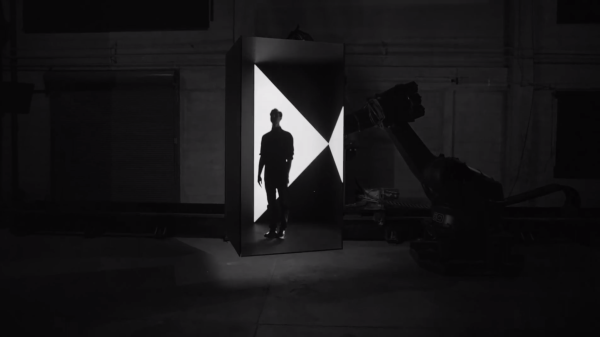

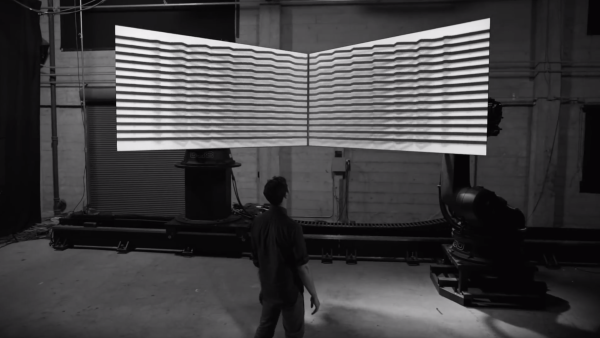
Work from Box.
“”Box” explores the synthesis of real and digital space through projection-mapping on moving surfaces. The short film documents a live performance, captured entirely in camera. Bot & Dolly produced this work to serve as both an artistic statement and technical demonstration. It is the culmination of multiple technologies, including large scale robotics, projection mapping, and software engineering. We believe this methodology has tremendous potential to radically transform theatrical presentations, and define new genres of expression.” – Bot and Dolly