Monday, 10 June 2013

Pedro Reyes
Work from Disarm at Lisson Gallery.
“Pedro Reyes’ work is a socio-political critique on contemporary society and our responsibility towards it. His projects are catalysts for communal and psychological transformation, triggering group interaction and creativity.
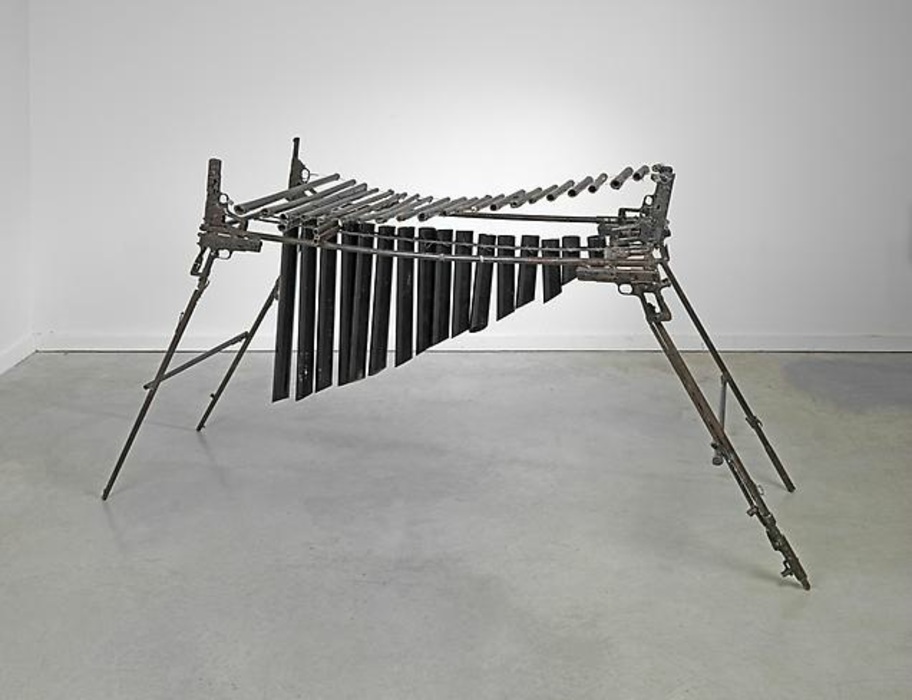
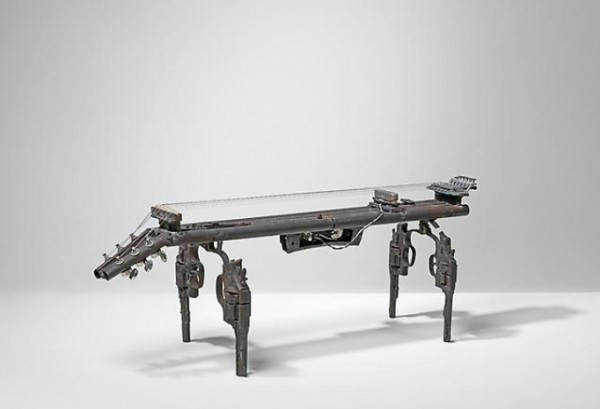
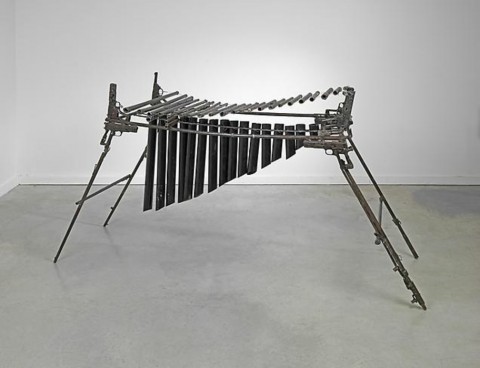
The exhibition at Lisson Gallery includes musical instruments created from firearms, including revolvers, shot-guns and machine-guns, which were crushed by tanks and steamrollers to render them useless. These were offered to the artist by the Mexican government following their confiscation and subsequent public destruction in the city of Ciudad, Juarez.
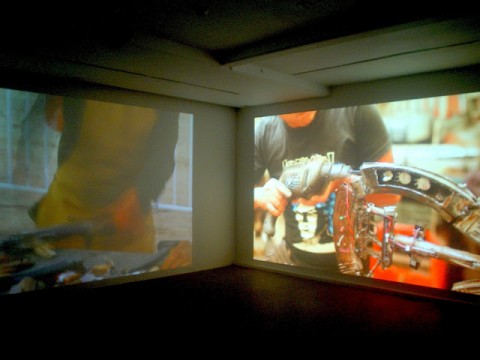
From the 6,700 destroyed weapons he received from the Mexican Secretary of Defense, Reyes created two groups of instruments which will be exhibited together for the first time at Lisson Gallery. The first, a series titled Imagine, is an orchestra of fifty instruments, from flutes to string and percussion instruments, designed to be played live. The second, Disarm, is a never-before-exhibited installation of mechanical musical instruments, which can either be automated or played live by an individual operator using a laptop computer or midi keyboard.
For Reyes the process of transforming weapons into objects of positive utility ‘… was more than physical. It’s important to consider that many lives were taken with these weapons; as if a sort of exorcism was taking place, the music expelled the demons they held, as well as being a requiem for the lives lost.'” –Lisson Gallery
Tags: activism, community, mexican, music, weapons
Posted in Uncategorized | Comments Off on Pedro Reyes
Sunday, 9 June 2013
Falke Pisano
Work from The Body in Crisis.
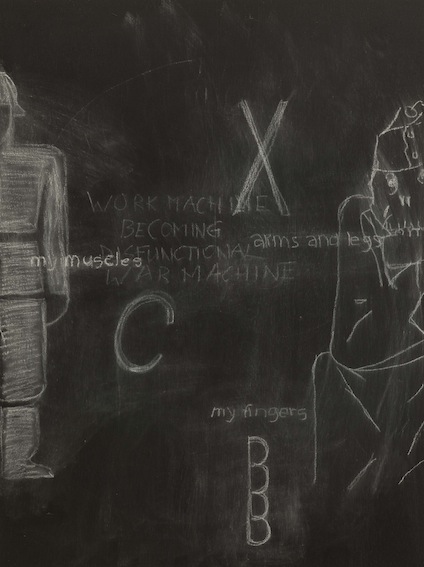
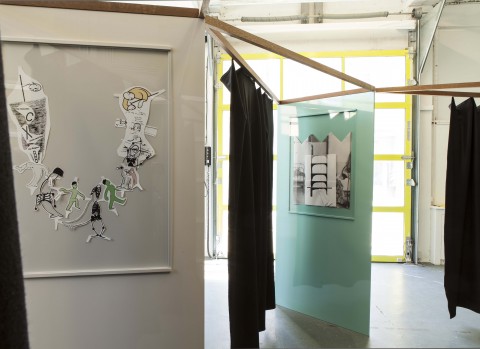
“The Showroom presents a new exhibition by Dutch artist Falke Pisano. Sculpture, video, print, drawing and installation work are brought together in the latest iteration of Pisano’s The Body in Crisis series (2011- ), an ongoing investigation into the human body at historical moments of crisis. It will be the most significant presentation of her work in the UK to date.
Pisano’s research centres on six historical moments: Pergamon 199; Amsterdam 1571; Paris 1793; Mons 1915; Paris 1974; Houston 1984. Each marks a change on body experience (be these institutional, administrative or physical); from the Roman theory of the four ‘humors’, to the shift from feudalism to industrialisation, to the experience of shellshock in the First World War, to the privatisation of prison labour. Histories of housing, medicine, architecture, gender, art, economic and social environments intersect within Pisano’s research.
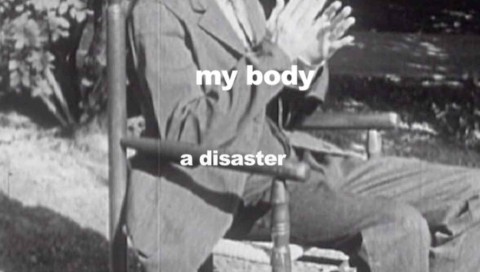
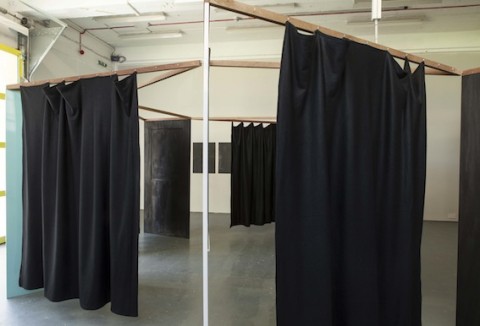
The backbone of the exhibition is the work Structure For Repetition (not Representation) (2011- ): a large-scale wooden and fabric structure, which is both a sculpture in its own right and also provides a display architecture for images and text. Two video works explore “bodies in conditions of hunger, poverty, war and exclusion”. Archival visual material and texts illustrate structures that have been used to present and represent the body at different historical moments.” –The Showroom
Tags: architecture, archive, body, history
Posted in Uncategorized | Comments Off on Falke Pisano
Saturday, 8 June 2013
Richard Mosse
Work from The Enclave.
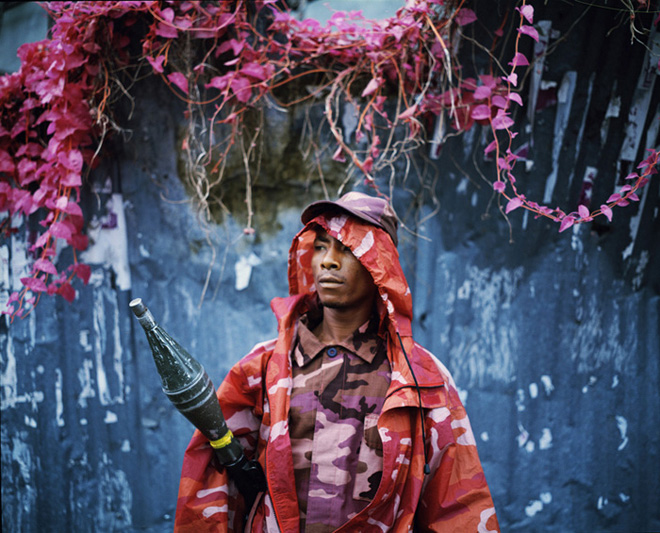
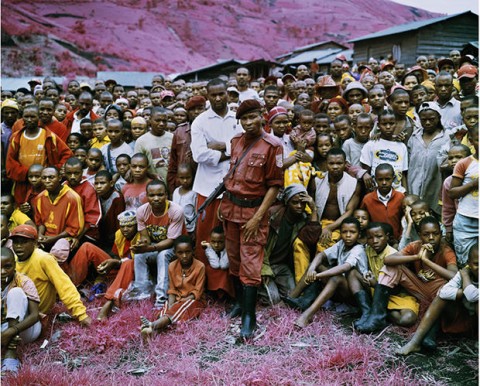
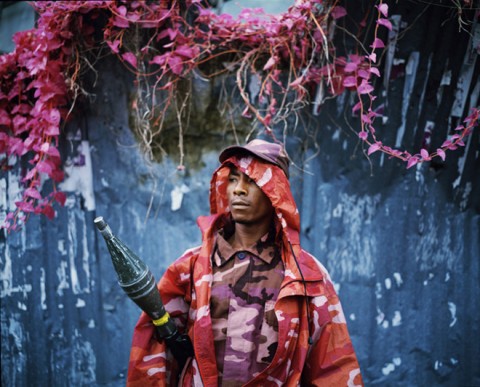
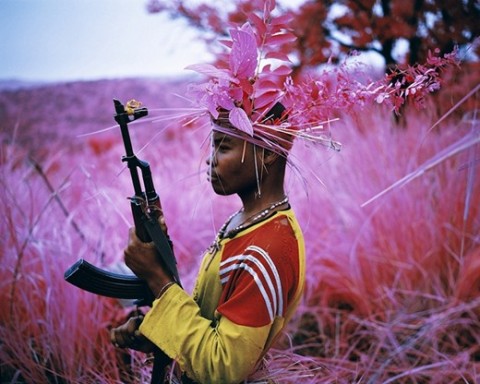
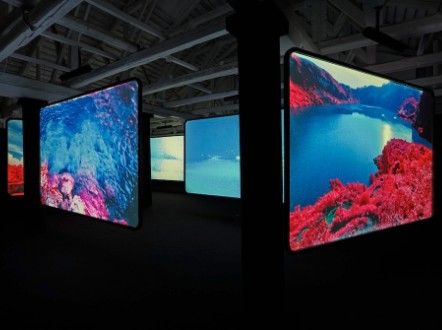
“Throughout 2012, Richard Mosse and his collaborators Trevor Tweeten (cinematographer and editor) and Ben Frost (composer and sound designer) travelled in eastern Democratic Republic of Congo, infiltrating armed rebel groups in a war zone plagued by frequent ambushes, massacres and systematic sexual violence. The resulting installation, The Enclave, is the culmination of Mosse’s attempt to rethink war photography. It is a search for more adequate strategies to represent a forgotten African tragedy in which, according to the International Rescue Committee, at least 5.4 million people have died of war-related causes in eastern Congo since 1998.
A long-standing power vacuum in eastern Congo has resulted in a horrifying cycle of violence, a Hobbesian ‘state of war,’ so brutal and complex that it resists communication, and goes unseen in the global consciousness. Mosse brings a discontinued military surveillance film to this situation, representing an intangible conflict with a medium that registers an invisible spectrum of infrared light, and was originally designed for camouflage detection. The resulting imagery, shot on 16mm infrared film by cinematographer Trevor Tweeten, renders the jungle war zone in a disorienting psychedelic palette. Ben Frost’s ambient audio composition, comprised entirely of recordings gathered in the field in eastern DRC, hovers bleakly over the unfolding tragedy.
The Enclave immerses the viewer in a challenging and sinister world, exploring aesthetics in a situation of profound human suffering. At the heart of the project, as Mosse states, is an attempt to bring ‘two counter-worlds into collision: art’s potential to represent narratives so painful that they exist beyond language, and photography’s capacity to document specific tragedies and communicate them to the world.'” –e-flux
Tags: congo, irish, Venice Biennale, video, war photography
Posted in Uncategorized | Comments Off on Richard Mosse
Friday, 7 June 2013
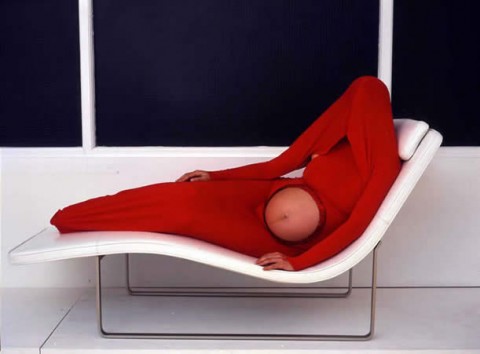
Aura Satz
Work from her oeuvre.
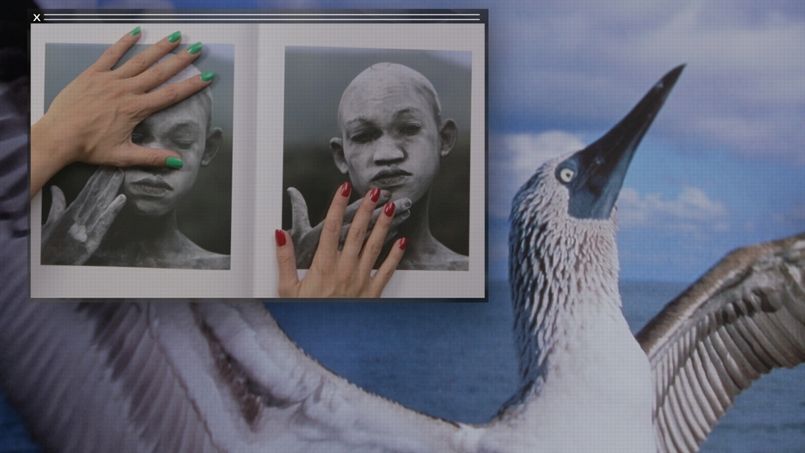
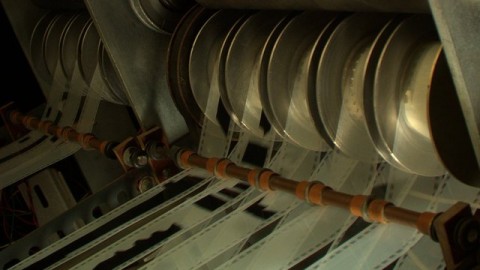
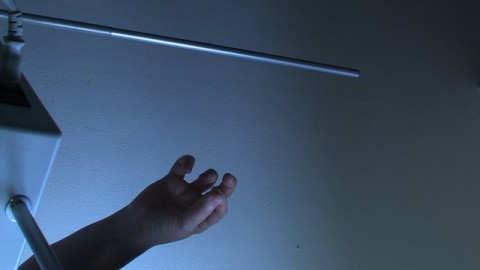
“The work of Aura Satz encompasses film, sound, performance and sculpture. In recent years she has made a collection of films that look closely at sound visualisation through various technologies and acoustic devices such as the Chladni plate, the Ruben’s tube, the theremin, mechanical music, phonograph grooves and drawn/optical sound.
Her films engage with the materiality of these technologies and the resulting sound patterns – codes in the act of formation – and how these destabilise paradigms of writing and readership. The camerawork tends to pore over its subject, zooming in visually and acoustically until it becomes abstracted in scale and context and reconfigured to evoke a new anatomy or landscape of sorts, an architectural structure, or a writing system. The film narratives often explore the more metaphorical, literary and cinematic associations, whilst the visuals provide an intimate encounter with archaic and obsolete sound technologies, exploring their de-familiarized sculptural and tactile qualities, and revealing new ways of thinking about sound. She is particularly interested in technologies, which are on the cusp of invention or obsolescence, at the point in time when their purpose, their ergonomic relationship to bodies, and the ways in which they might be modelled on physical or psychic human functions are at their most unstable.” –Paradise Row
Tags: film, performance, sound, technology
Posted in Uncategorized | Comments Off on Aura Satz
Thursday, 6 June 2013

Camille Henrot
Work from The Encyclopedic Palace.
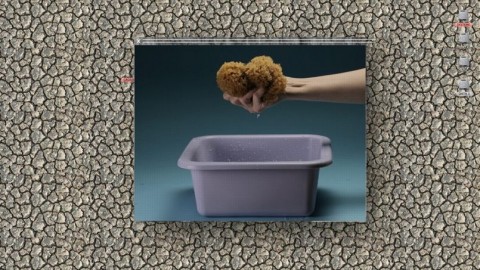
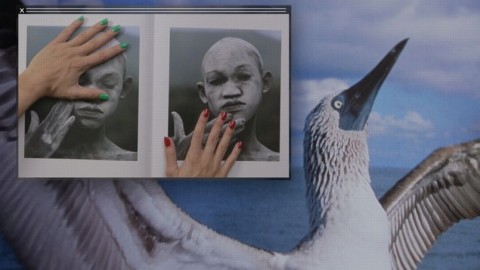
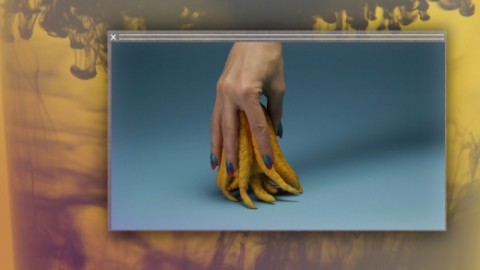
“Camille Henrot’s delicately layered works in sculpture, film, and photography chart the intersections between disparate visual cultures with an anthropologist’s eye. For Coupé/Décalé (2010), Henrot filmed a tribal rite of passage in the South Pacific island of Pentecost in which young men dive off high platforms in the jungle with vines tied around their ankles. In an interesting reversal of the normal course of colonial influence, their land diving served as the inspiration for bungee jumping, and once the sport became a craze in the Western world, the Pentecost islanders started staging the formerly ritualized jumps as tourist spectacles. Henrot spliced the 16mm film down the middle and projected it with one side running behind by a slight lag, suggesting the disjunction that had occurred. This transformation of the ritual, she has pointed out, seems an inversion of cargo cult worship, in which tribal societies would often imitate the behavior of foreigners whose wealth was desired. Henrot has compared this kind of creative fetishism and sympathetic magic to artistic practices. ‘Art and anthropology,’ she has said, ‘are sites for grappling with the construction of cultural identity, fetishism and otherness, and the venues for examining and integrating the fantasy and subjectivity of the researcher.’
For the 55th Venice Biennale, Henrot has created Grosse Fatigue (2013), a video installation that grew out of her fellowship at the Smithsonian Institution in Washington, D.C., during which she conducted research into various national museum archives to constellate historical and contemporary attempts to encapsulate all of human knowledge, whether by way of secular or spiritual means. The specifics of these efforts, of course, are as varied as humanity itself. For Henrot, the subjectivity of the creator is the common thread that links these seemingly impossible projects in both art making and anthropology. And so while each individual striving for total knowledge may not provide an objective truth, they nevertheless create what she calls a ‘prismatic image of the realm of thought.’” –La Biennale di Venezia
Tags: anthropology, documentation, fetishism, paris, Venice Biennale, video
Posted in Uncategorized | Comments Off on Camille Henrot
Wednesday, 5 June 2013
Ed Atkins
Work from his exhibition at MoMA PS1, New York.
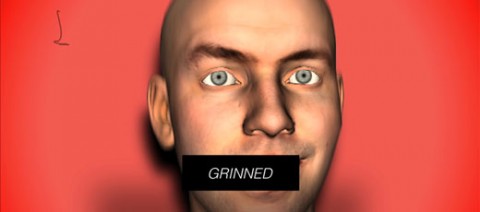
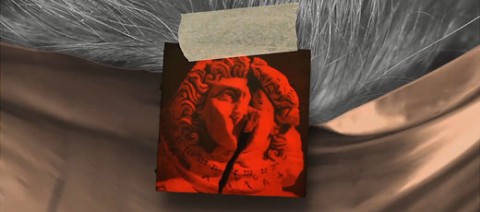
“Known for his high-definition videos that defy narrative conventions, Ed Atkins (British, b. 1982) works with filmic and text-based forms in technological transition. The artist considers HD technology deathlike because of how it intensifies the visibility of the filmed subject, creating an image that prioritizes its own representation over the language, character, and emotions of the figures it depicts. Often creating installations that include collage, drawing, and other mediums, the artist deploys this bodiless movie format to highlight the conflicting intimacies that today’s mechanisms of cultural production represent and allow us to achieve.
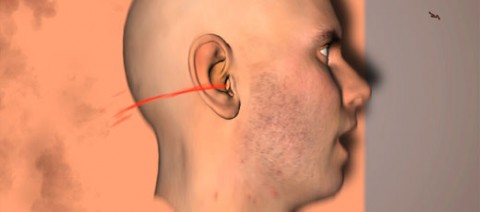
Employing spoken and subtitled dialog that evokes the romance and horror of Gothic literature, Atkins inflects his melodramas with an array of post-production effects designed to imitate the analog qualities of traditional cameras and lighting equipment. He uses various motion-capturing devices to combine footage with computer-generated 3D models and digital textures, playing visual conventions against those of sound composition and editing. Sudden transitions mark his work, drawing our attention to the artifice of contemporary “film” in its accelerating transition to new digital formats capable of remarkable kinds of simulation.
The exhibition—Atkins’s first solo show in the United States—features the two-channel video and surround-sound installation Us Dead Talk Love (2012), which focuses on a dialogue between two cadavers who reflect upon representation, immanence, and narcissism. The artist describes the work as “a tragedy of love, intimacy, incoherence and eyelashes.” Combining spiritual immateriality with physical presence, the figure of the cadaver parodies the digital filmic medium and its remove from traditional celluloid.
Also on view is the single-channel video Warm, Warm, Warm Spring Mouths(2013). Made using a number of technologies, including a Microsoft Kinekt motion-capturing device and Faceshift animation software, the work depicts an unidentified protagonist who appears to be residing at the bottom of the ocean. The character recites “The Morning Roundup,” a poem by the American writer Gilbert Sorrentino (1929-2006), whose shifting perspectives and tenses underscore the video’s attempt to describe things that are inherently indescribable.” –MoMA PS1
Tags: computer generated, Dread Pirate Roberts, dreamlike, poetic, video
Posted in Uncategorized | Comments Off on Ed Atkins
Tuesday, 4 June 2013
Tristin Lowe
Work from Under the Influence.
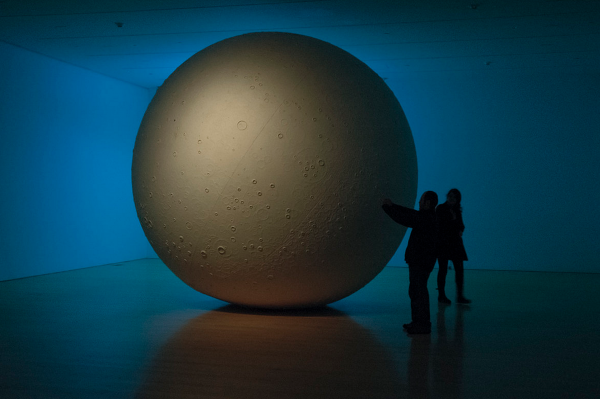
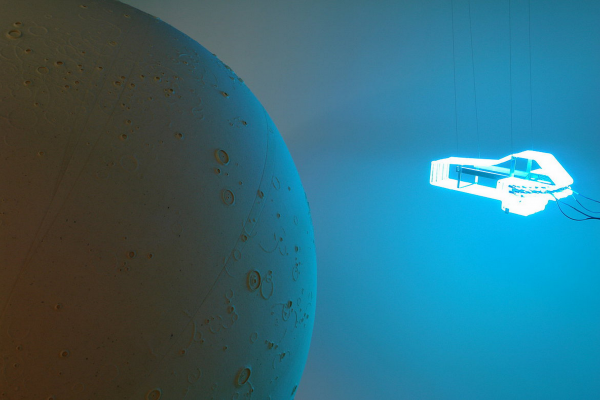
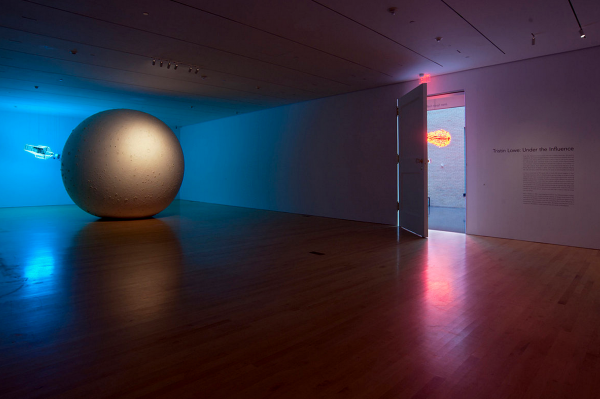
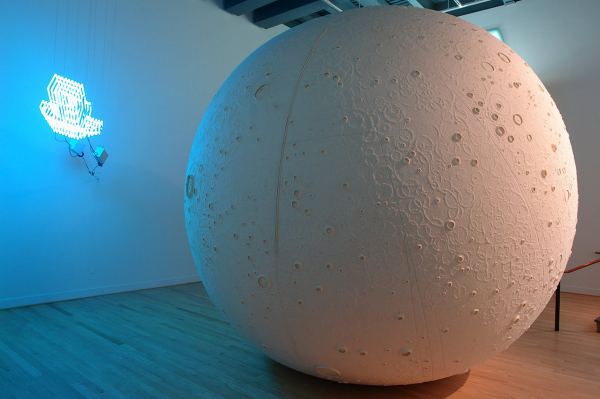
“Provocative, mysterious, and altogether otherworldly, Under the Influence features two interconnected works by Philadelphia artist Tristin Lowe–Lunacy, a giant rendering of the moon created in felt, and Visither I, a neon light sculpture. Both objects were commissioned by the Rhode Island School of Design’s Museum of Art in 2010, where they were first shown. This exhibition marks their Philadelphia debut.
Measuring twelve-and-a-half-feet in diameter, Lunacy is one of Lowe’s most ambitious works to date. Consisting of an inflatable sphere covered in 490 square feet of white felt that has been pieced together by hand, it awes the viewer not only with its size, but with its intricate patterns and details that evoke the pocks and craters of the moon’s surface. Lowe created these effects through a painstaking process involving tweezers, small brushes, sizing, and a comb-over technique.
Enhancing the visual impact of Lunacy is Visither I, which casts ethereal neon shades of blue and purple onto its surface. The gallery is thus transformed into a contemplative space that allows visitors to experience the installation from multiple perspectives. The unearthly glow beckons through an oversize door (Argonaut) that stands slightly ajar, inviting the viewer into another world. Under the Influence extends into the Skylit Atrium, where two new neon light sculptures (Grace and Nature) hang from the ceiling.
The title may be interpreted in many ways as well. Under the Influence is, on one hand, a metaphor for the creative struggle between control and lack of control. It also refers to the altering effects the moon is said to have on the human psyche.” – Philadelphia Museum of Art
Tags: inflatable, moon, outer space, sculpture, space
Posted in Uncategorized | Comments Off on Tristin Lowe
Monday, 3 June 2013
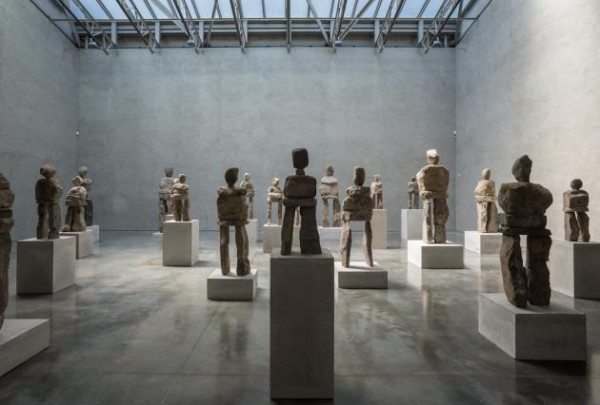
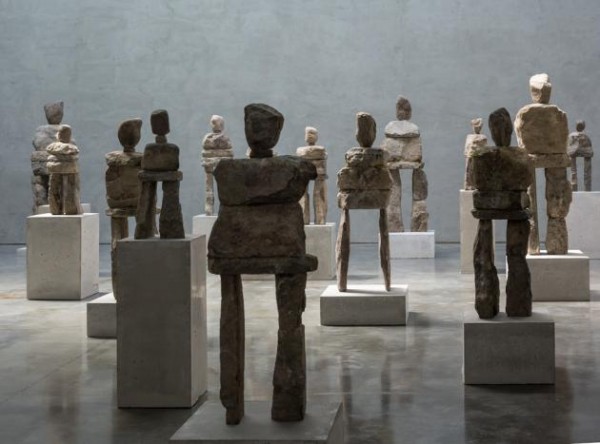
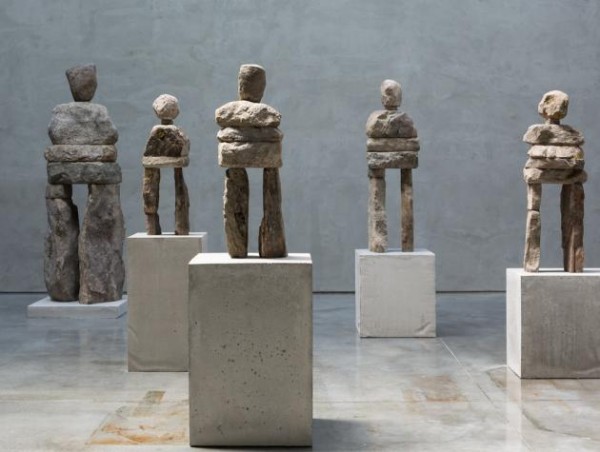
Ugo Rondinone
Work from Soul.
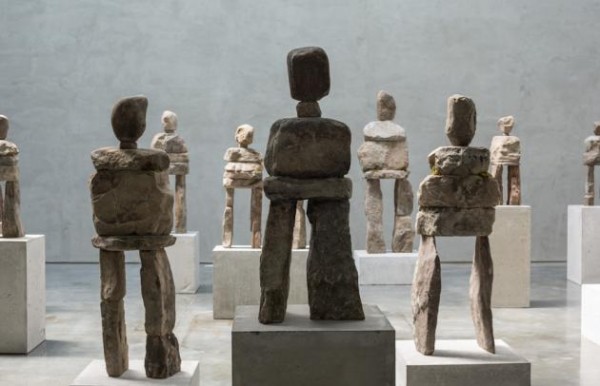
“…Taken as a whole, his work represents a complex network of responses to social and physical structures. By allowing himself the freedom to work within a wide variety of disciplines and media, Rondinone creates the conditions necessary to explore a broad emotional range. His work has become widely recognized for its ability to channel both psychological expressiveness and profound insight into the human condition.
For the series of sculptures included in “soul,” bluestone – the material out of which the works are made – has been rough-cut into blocks, which are stacked atop one another to form the human figure. The methods by which the stone has been worked are apparent to the viewer, and have not been obscured by subsequent handling. Visible traces, including drill-holes and split structures, evidence the work done at the quarry, where the blocks were removed from the ground. The work evinces the true nature of the stone: heavy and coarse material, marked by wind, weather, and corrosion. The simple presence and natural surface of the sculpture contrasts with the artificial surface of the poured concrete pedestals. The exhibition itself functions as a sort of hall-of-mirrors turned inwards. The stone figure is repeated and reflected in several scales, and installed in an immersive raw concrete environment…” – Gladstone Gallery.
Tags: anthropomorphic, hewn, history, rock, sculpture, stone
Posted in Uncategorized | Comments Off on Ugo Rondinone
Sunday, 2 June 2013
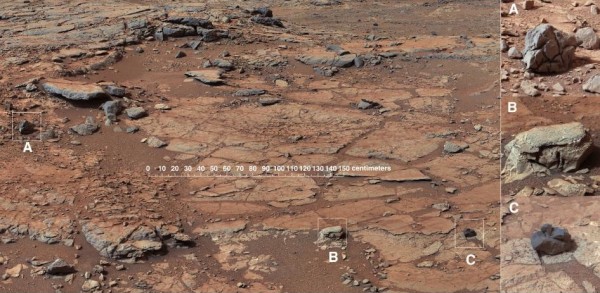

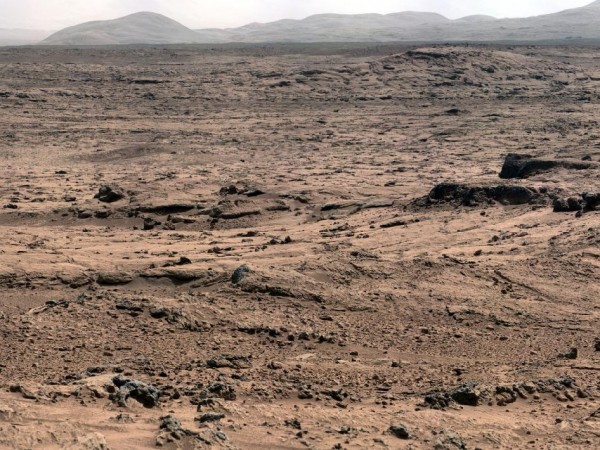

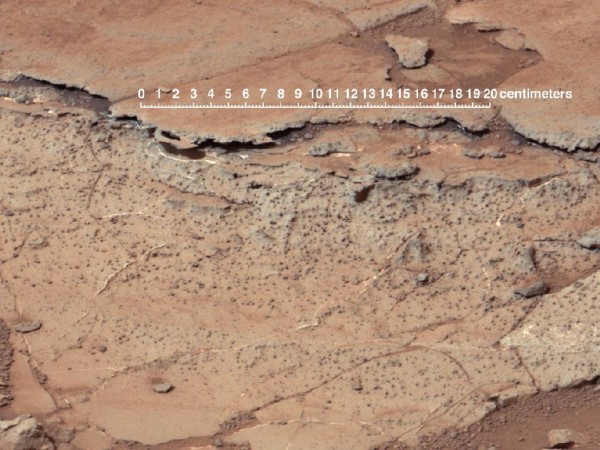
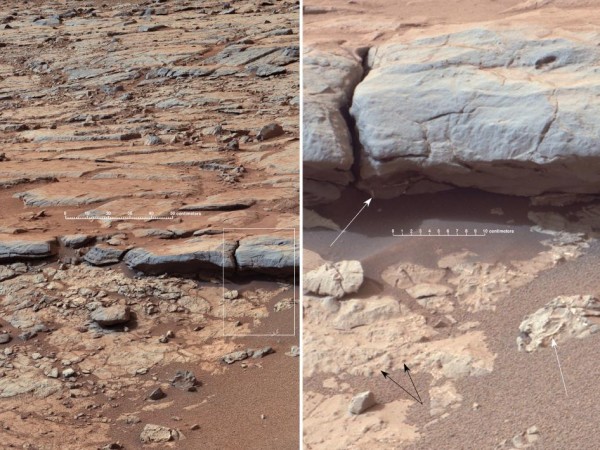
NASA
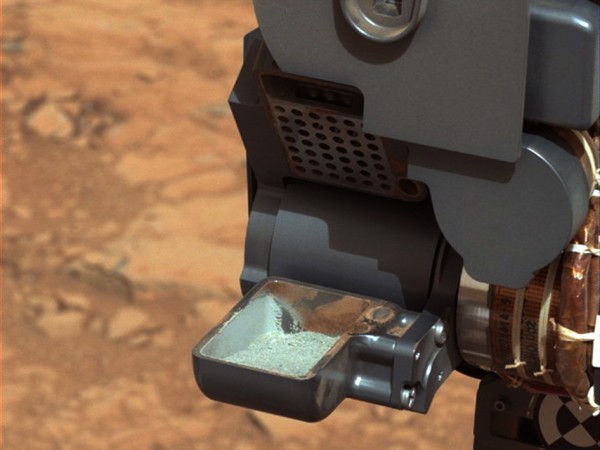
Work from Mars Curiosity Rover.
“With its rover named Curiosity, Mars Science Laboratory mission is part of NASA’s Mars Exploration Program, a long-term effort of robotic exploration of the red planet. Curiosity was designed to assess whether Mars ever had an environment able to support small life forms called microbes. In other words, its mission is to determine the planet’s “habitability.”
To find out, the rover carries the biggest, most advanced suite of instruments for scientific studies ever sent to the martian surface. The rover will analyze samples scooped from the soil and drilled from rocks. The record of the planet’s climate and geology is essentially “written in the rocks and soil” — in their formation, structure, and chemical composition. The rover’s onboard laboratory will study rocks, soils, and the local geologic setting in order to detect chemical building blocks of life (e.g., forms of carbon) on Mars and will assess what the martian environment was like in the past.” – NASA
Tags: aesthetics of knowledge, archive, interim, landscape, science, source material, space art
Posted in Uncategorized | Comments Off on NASA
Saturday, 1 June 2013


Rick Silva
Work from En Plein Air @ Transfer Gallery. The exhibition closes June 8th.
“RICK SILVA’S En Plein Air is an ongoing work — a statement that holds in multiple respects. At face value, this work is a continual series of sketches when assembled and compiled together make for a substantial work. But this series is also a collection of methodologies that speak to previous projects that work in similar ways. The long-term series is a common tendency within Silva’s practice seen in previous projects like Antlers Wifi, as well as his collaborative work with Jimpunk and Mr. Tamales (done under the moniker Abe Linkoln). However, the difference from these works and En Plein Air is how Silva uses the blog model to reflect on digital production under the influence of a larger art historical context. In doing so, this series marks a decisive moment for Silva in its attempt to tackle issues of the studio and the screen…” excerpted from the catalogue essay by Nicholas O’Brien.
Tags: analogue, awesome, brooklyn, digital, en plein air, nature, new media, opening, place, poster, refresh, space
Posted in Uncategorized | Comments Off on Rick Silva