Monday, 1 April 2013
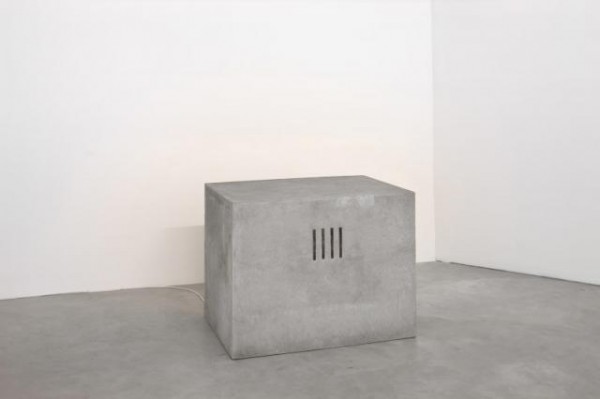
Miroslaw Balka
Work from his oeuvre.
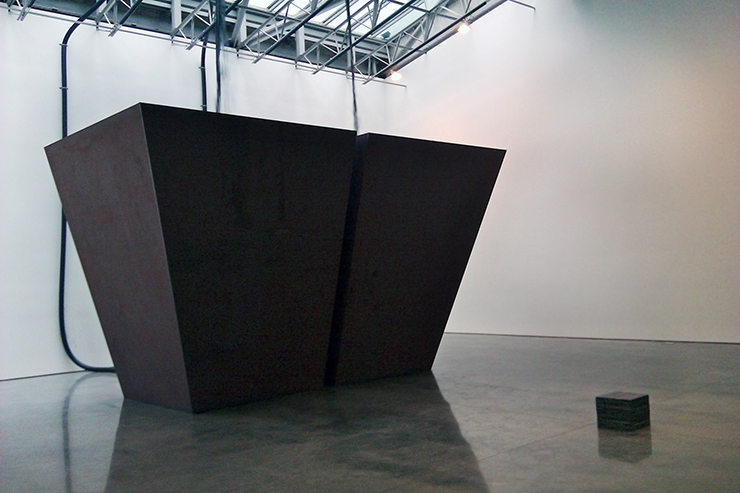
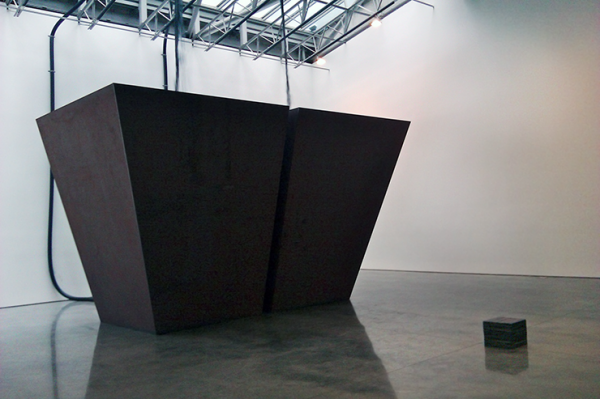
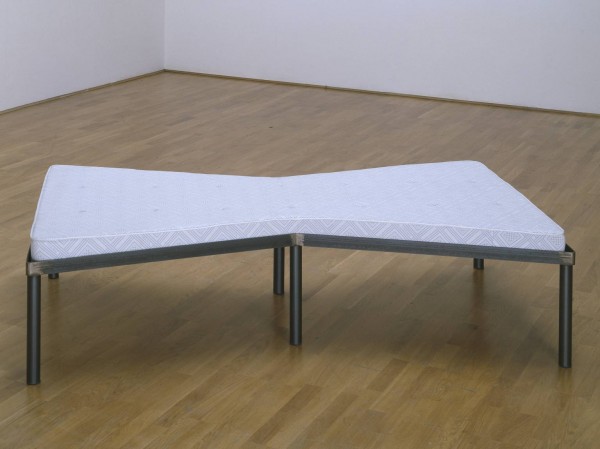
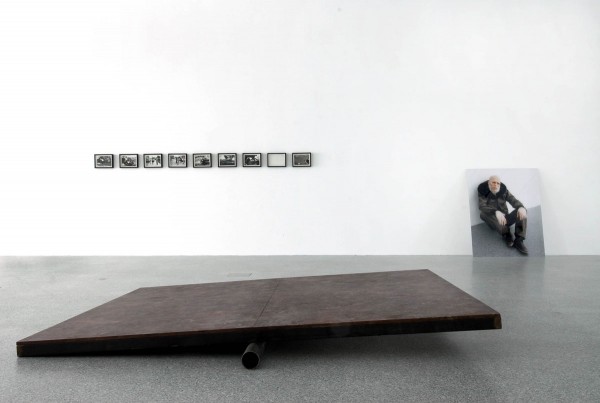
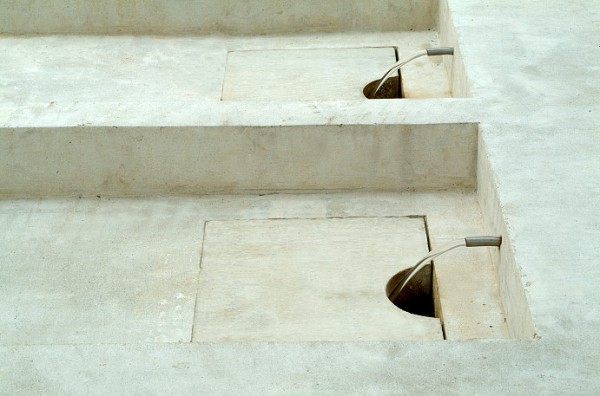
“Balka’s materials traverse the line between found objects and neutral sculptural media. The aura of silence he imparts to his work is distilled from noise and static, like a valve selectively opened. In 105 x 25 x 25 (2008), he frames the image of levitation – a metaphor for transcendence – bathetically. A single, used brick was propped up on a thin steel rod. The generic dimensions of the brick – in Carl Andre’s sense of a standard module of given material – neutralize whatever ability it may have to evoke and causally link itself to the past as an object marked by the hands that have wielded it, or the walls in which it has been a building block. Theatrically brandished by the rod, the brick is both seed and relic. As a seed for a constructive process, its comic levitation resists the relic’s investment in the past.” – Frieze
Balka’s solo exhibition “The Order of Things” is currently on view at Gladstone Gallery, New York.
Tags: building materials, concrete, monumental, polish, sculpture
Posted in Uncategorized | Comments Off on Miroslaw Balka
Sunday, 31 March 2013
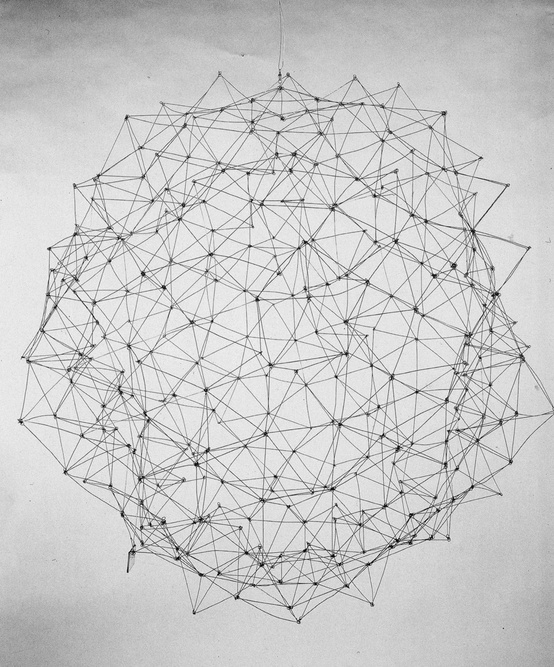
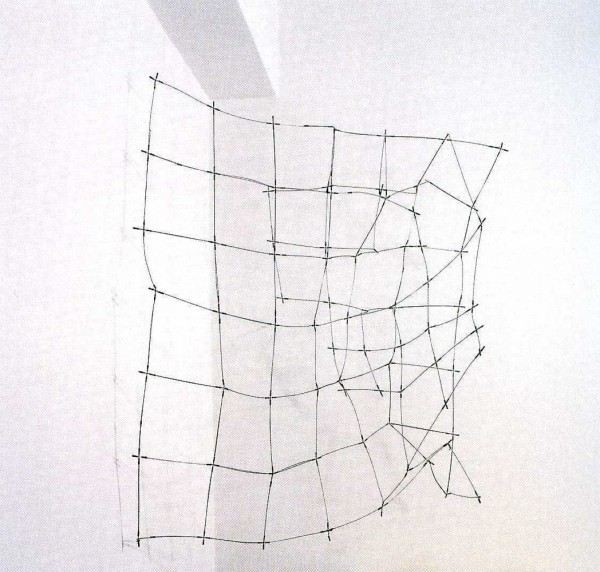
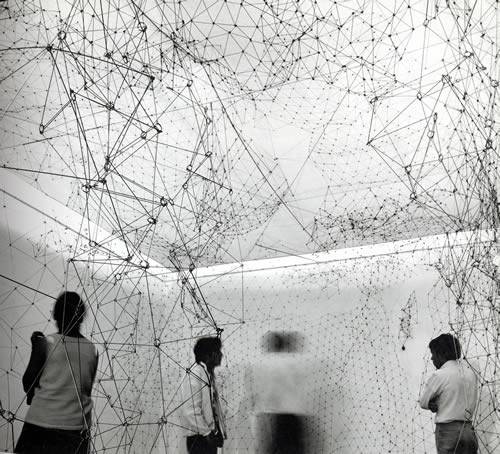
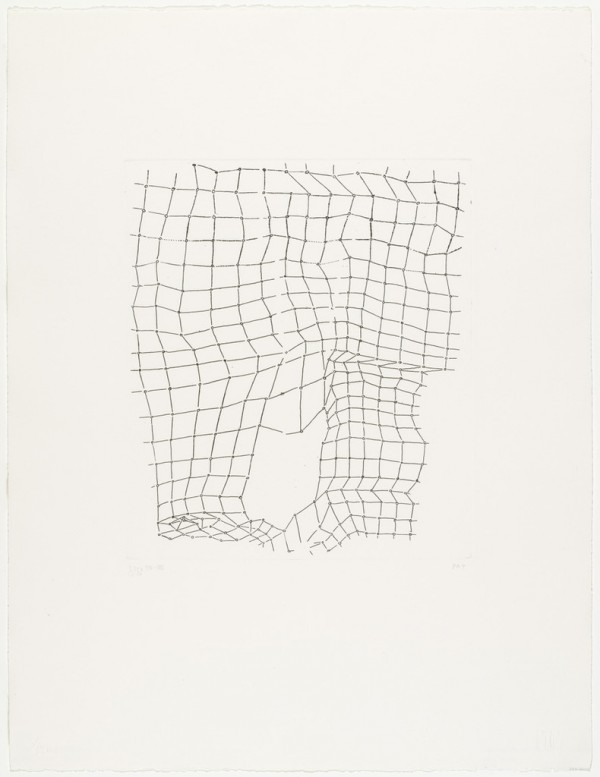
Gertrud Goldschmidt
Work from Reticulárea.
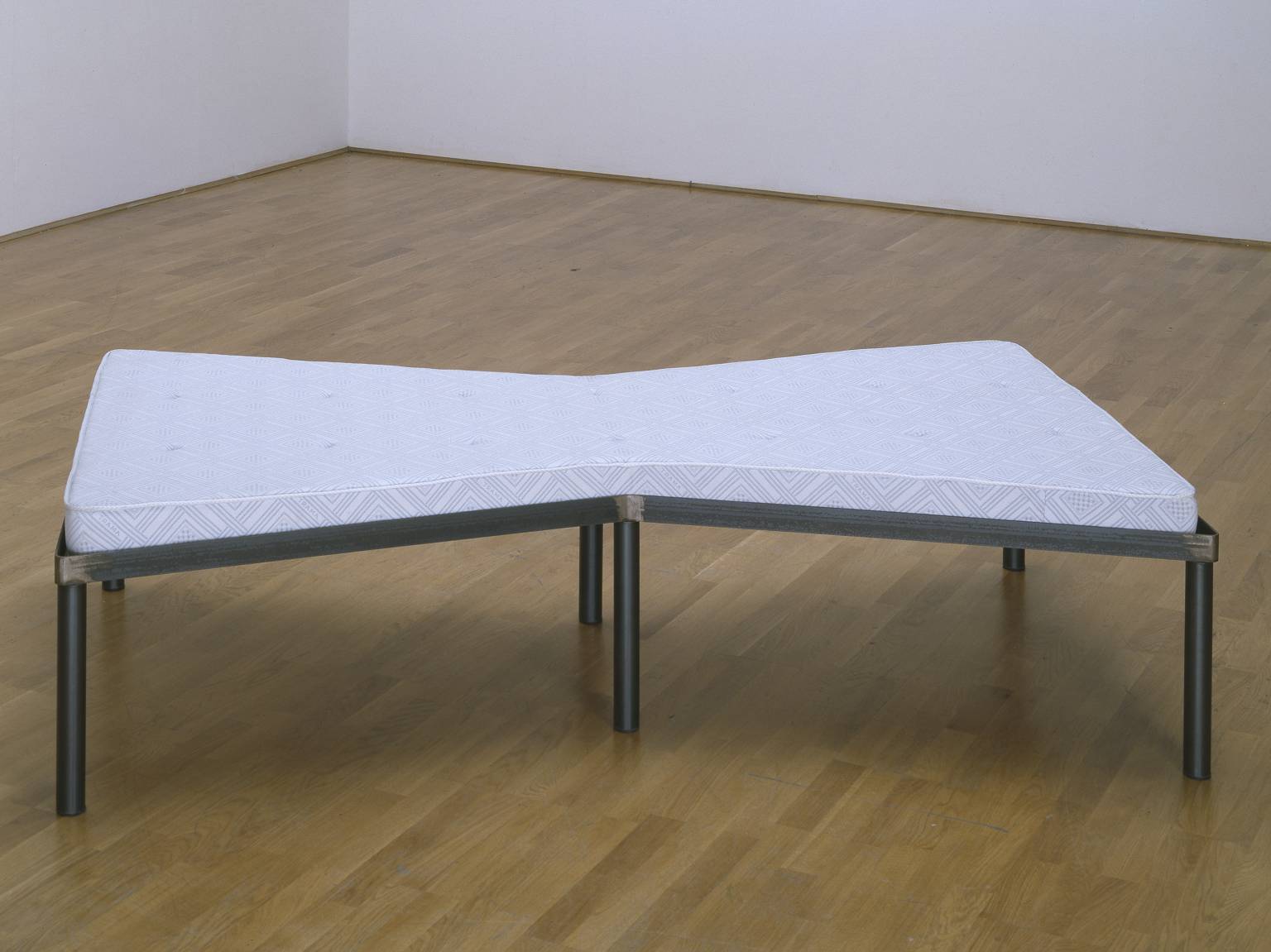
“Only the increasingly calligraphic quality of Gego’s (Gertrud Goldschmidt, 1912–1994) work and her interest in experimental engineering prepares us for the radical leap performed by her Reticulárea, which was first exhibited in June 1969 at the Museo de Bellas Artes de Caracas. The work, made of meshes and nets of metal connected and dispersed irregularly within the space of a room, was titled by Venezuelan art critic Roberto Guevara prior to its first exhibition. The Spanish word “reticula,” as in the English “reticule,” refers to a network of lines or a net; therefore, Reticulárea alludes to an area of nets. The Reticulárea, I will argue in this essay, rehearsed an artistic paradigm of production that in its refusal of the conventions of sculpture (mass, volume, scale) made line and space the means for a critique of architectural enclosure and sculptural monumentality. In its systematic undoing of the calculated geometries and gridlike structures favored by Venezuelan artists at the time, the work interrogated these idealized models of representation and their illusory reflection of a modernized urban space. Gego’s “weaving,” as she called the process of production that the design of the Reticulárea implied, was part and parcel of the constructive ethics that had fueled the country’s artistic imaginary in the fifties but which, by the late sixties, was domesticated by the government and the economic elite as a symbol of the country’s riches. Gego’s Reticulárea, in its attack on form and architectural demarcation, went against the grain of standard sculptural bodies (delimited, contained, and massive) to engage marginal spaces, such as the peripheries of rooms that she was at pains to activate in her installations, and to symbolically respond to the repressed borderline sites occupied by the shantytowns of Caracas…” – Mónica Amor
Tags: geometry, line, modernism, rad, sculpture, venezuala
Posted in Uncategorized | Comments Off on Gertrud Goldschmidt
Saturday, 30 March 2013
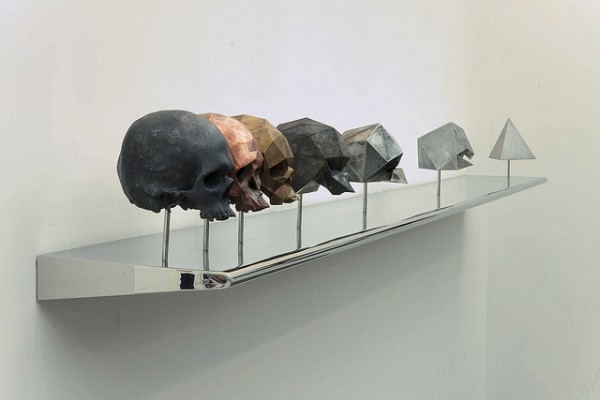
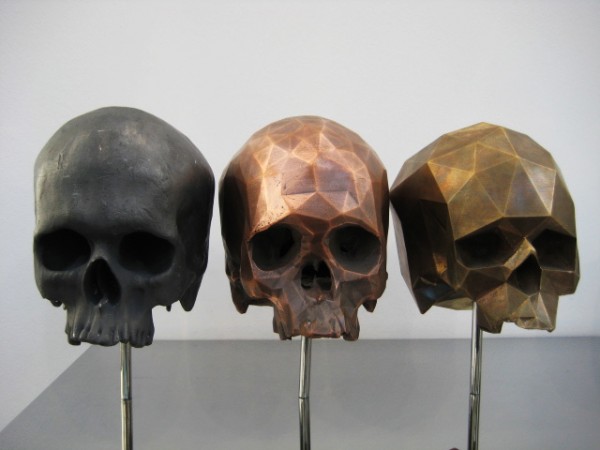
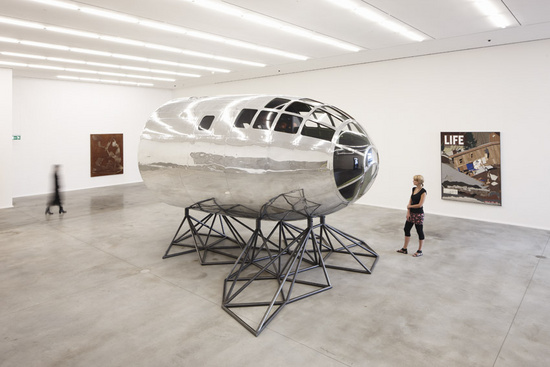
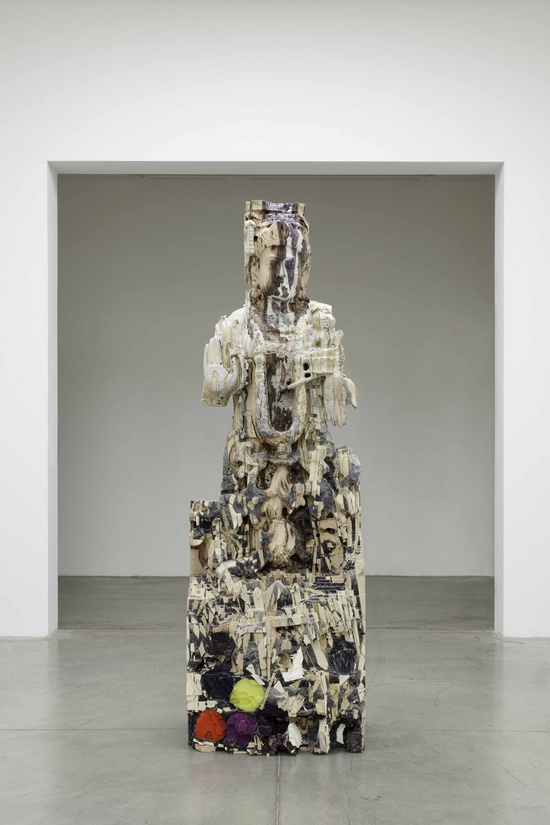
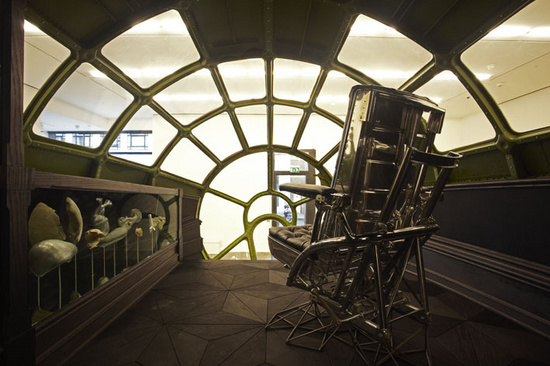
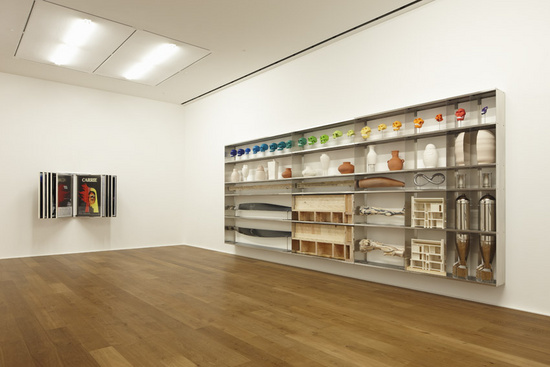
Matthew Day Jackson
Work from his oeuvre.
“Jackson’s art grapples with big ideas such as the evolution of human thought, the fatal attraction of the frontier and the faith man places in technological advancement. His work particularly addresses the myth of the American Dream, exploring the forces of creation, growth, transcendence and death through visions of its failed utopia. Recent work expands on these underlying ideas inherent in the American mythology and focuses on the plurality of this mythology pointing to its existence outside American Culture. Individual sculptures and paintings interconnect with each other to create complex scenarios that revisit history and reassemble its narratives. His work is frequently monumental, imposing not only on a large scale physically but also conceptually, occupying an intellectual terrain that reaches from ancient history to Outer Space exploration and discovery.
His works utilise a familiar iconography, recycling culturally loaded images such as the geodesic structures of Buckminster Fuller, mankind’s first steps on the moon, and the covers of LIFE magazine from the ’60s and ’70s, cross-pollinating these and mixing them with numerous references from art history. Jackson depicts these using the world around him: scorched wood, molten lead, mother-of-pearl, precious metals, formica, and found objects such as worn T-shirts, prosthetic limbs, axe handles and posters, for instance. These diverse materials resonate with symbolism, combining apocalyptic elements with the fruits of new technologies, historical imagery with contemporary ingredients. In his art ideas are granted physical form, and it is in the clash between the two, in the material impact of idealist thought, that it derives its force.” – via Wikipedia
via Pietmondriaan.
Tags: evolution, facet, rad, sculpture, wireframe
Posted in Uncategorized | Comments Off on Matthew Day Jackson
Friday, 29 March 2013
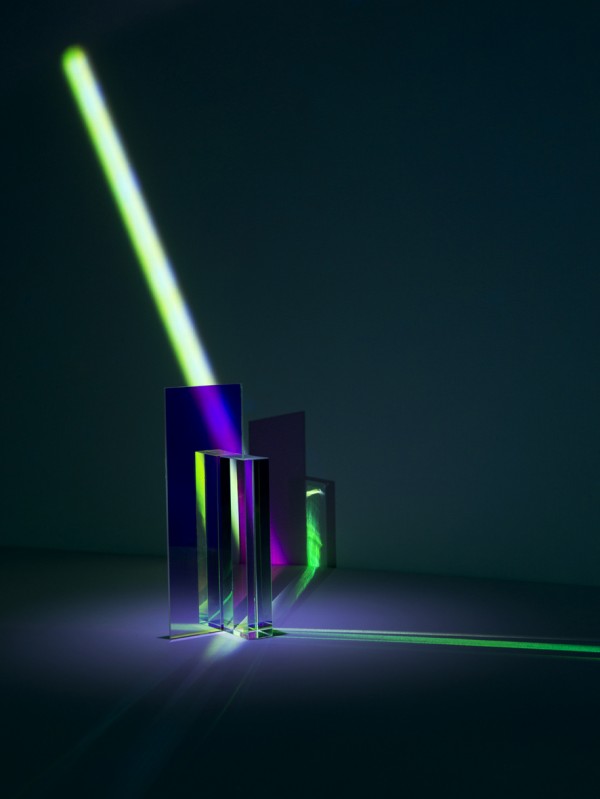
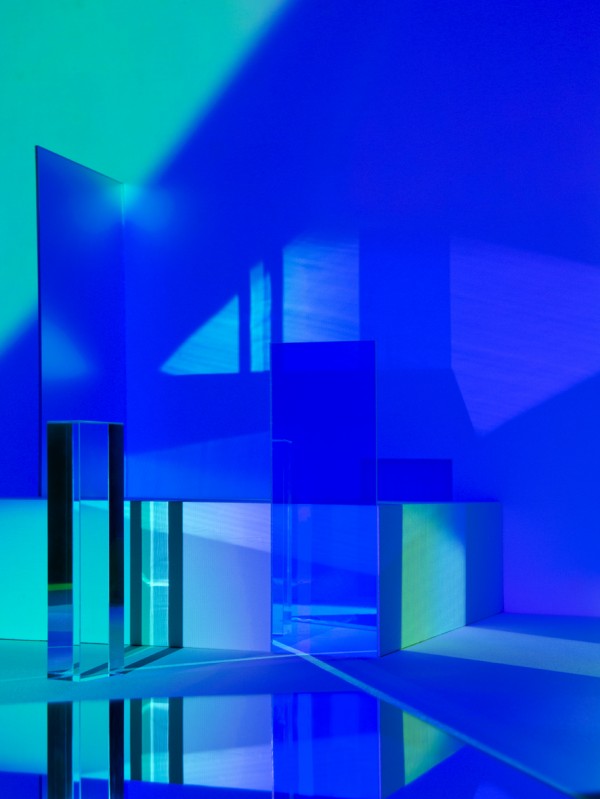
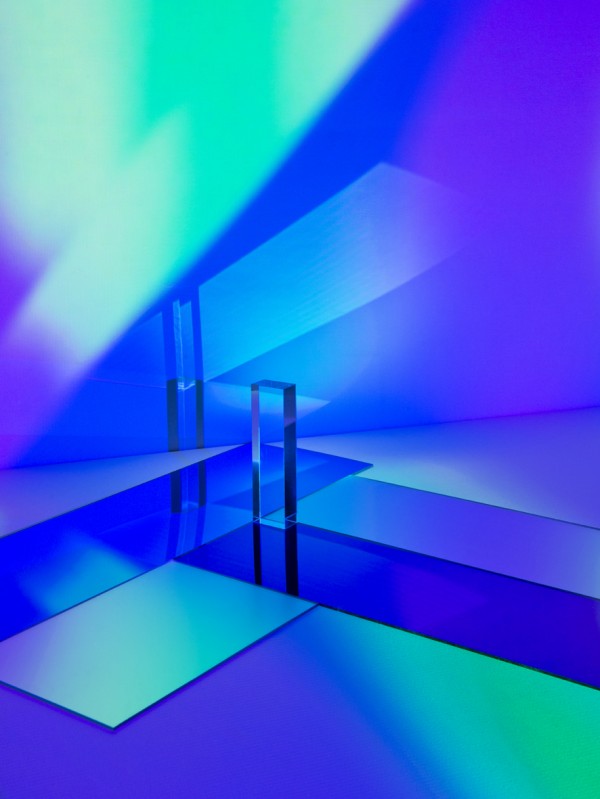

Mitch Payne
Work from Diffractions
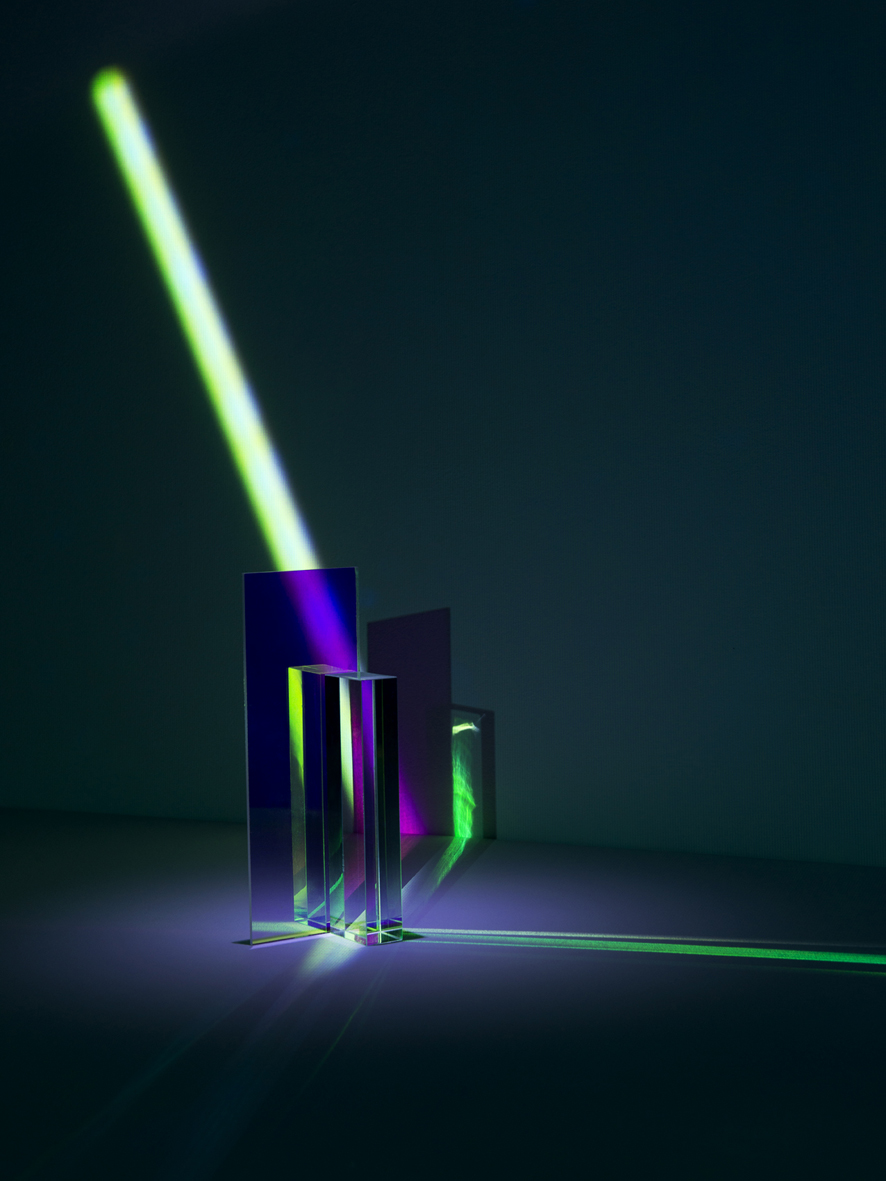
“Diffraction is a photograph series created by Mitch Payne, consisting in several abstract colorful compositions made using opaque and transparent forms and shapes where the light is reflected
Diffraction:
A modification which light undergoes especially in passing by the edges of opaque bodies or through narrow openings and in which the rays appear to be deflected; also : a similar modification of other waves (as sound waves) or of moving particles (as electrons)”
Tags: color, light, photography, still life
Posted in Uncategorized | Comments Off on Mitch Payne
Thursday, 28 March 2013

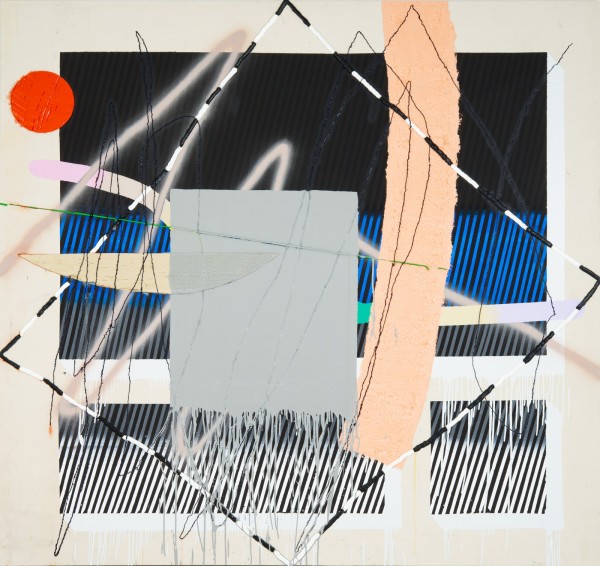
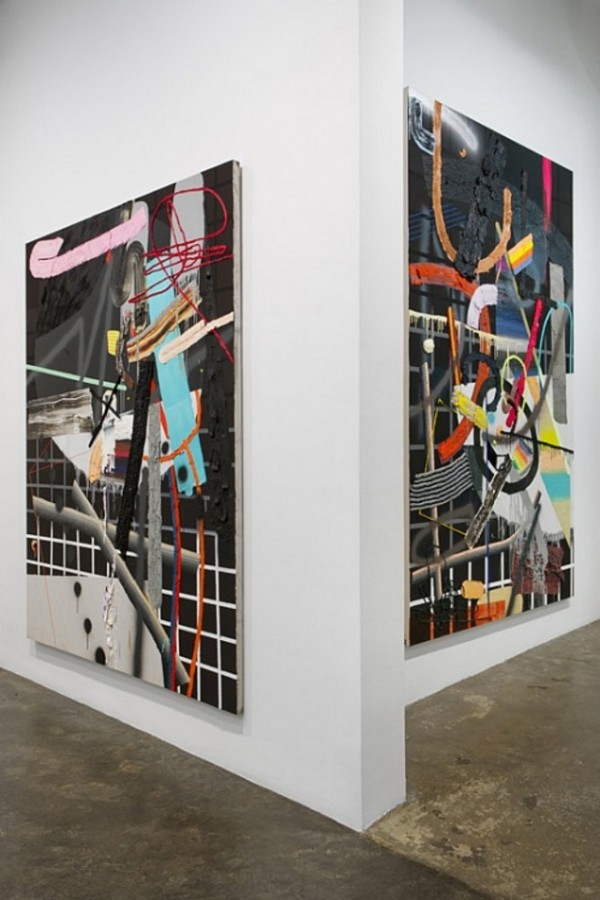

Trudy Benson
Work from her oeuvre.
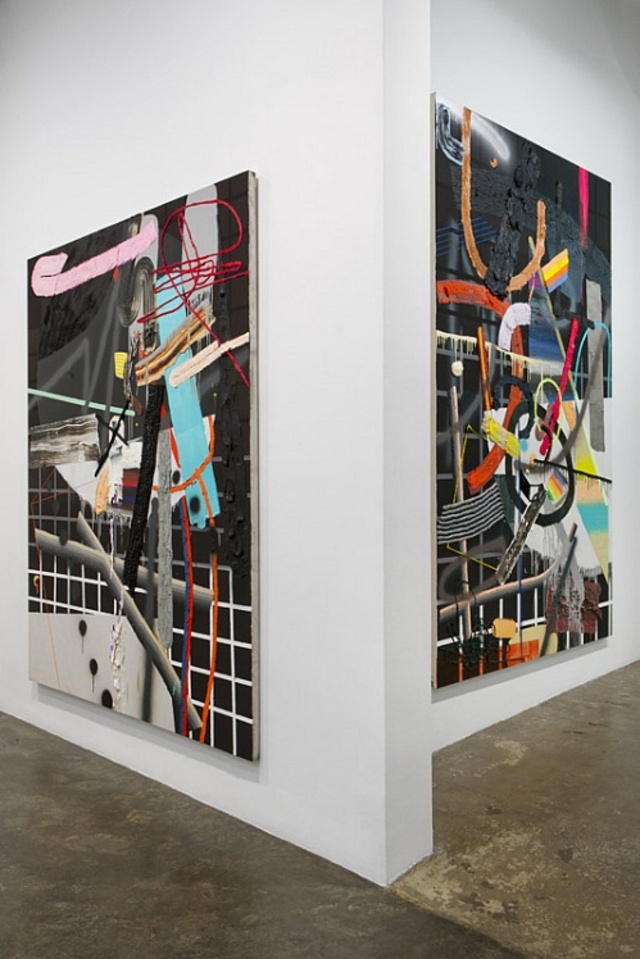
“When a viewer engages with one of Trudy Benson’s paintings, it is as if a stream of digital consciousness has purged itself onto the canvas. Every work contains waves of riotous strokes and spray marks emphasizing an influx of information as disjointed abstract thought. Benson explores the world of digital space, which manifests itself behind screens – pulling inspiration from her own relationships to computers, cell phones, and early videogames. With under paintings of grids and gradients, the artist utilizes symbols synonymous with art history and modern technology. This dichotomy in Benson’s work continues as she readily engages with classical painting tropes, while maintaining a mechanical dialogue. This complex weaving of contemporary western influence through archetypal painting techniques, within Benson’s intuitive mark making, provides no easy way to enter one of her massive canvases. There is a deliberate velocity and anxiety that is concentrated in the work. The layers of paint have visually appropriated the incessant humming which is inherent to all contemporary society – it is almost as if behind each set of stretcher bars one would find an electrical plug feeding power directly into the work.
Benson’s translation of technology and screens into art was seeded at a young age. Her “first abstract paintings were made as a child on an ancient black and white Mac with Microsoft Paint’s built-in tools: the pencil, the paintbrush, spray can, the fill bucket, and the gradient.” This primary exposure to digital art making, undoubtedly informed the artist as she transitioned into a material based practice. She regularly squeezes paint right out of the tube onto the canvas, and uses spray paint without reservations. Her direct art practice continues with the use of an eight-inch paint roller. Just as digital information is never lost, even after deletion, the large swatches of fresh paint from the roller uniquely preserves all previous marks in Benson’s paintings – while concurrently, creating new space for her to explore, and mediate in. It is apparent, that the artist’s practice is additive, and not subtractive. She is not daunted with the notion of layers or textures – each smudge, smear, blot, dot, stroke, etc, brings life to Benson’s paintings. Each canvas, and its immense physicality, commands a room – autonomously presenting a slurry of contemplation which simultaneously entices and overwhelms a viewer.”- Horton Gallery
Trudy Benson: PAINT opens April 25th at Horton Gallery, New York.
Tags: digital aesthetic, new york, painting, thick
Posted in Uncategorized | Comments Off on Trudy Benson
Wednesday, 27 March 2013
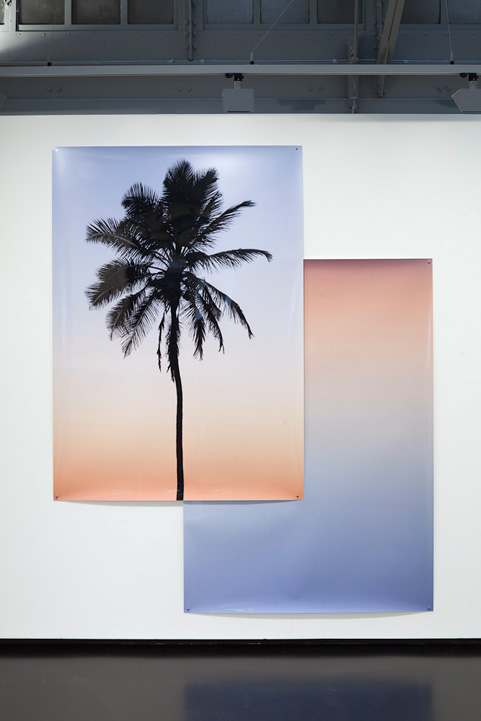
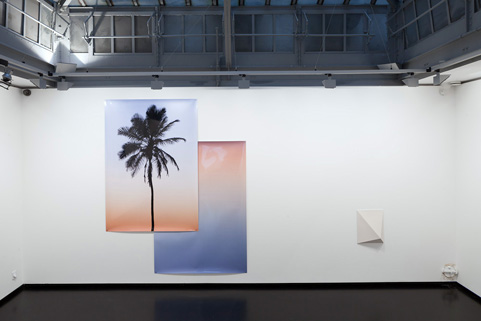

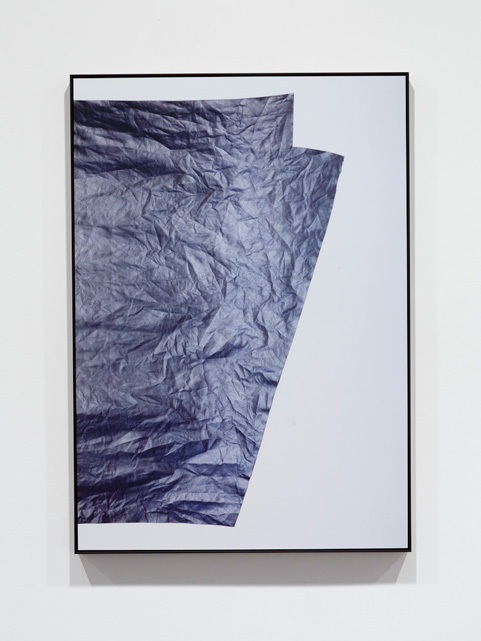
Joe Clark
Work from Shimmer at XPO Gallery.
“My work orbits the photographic image; testing my relationship to it by approaching it’s making and display from various formal and technical perspectives. Working across photographic genres, such as landscape and studio photography and making use of installational approaches and interactivity I unpick how images are made and received. There is either an explicit foregrounding of an apparatus which is present in the space, or markers left in the images to allow the method of production to be traced and understood. The tension that arises (and the real content of the work) is between this explication and the hanging question of what the works are really gesturing towards.
The works contain a unifying language which is highly suggestive of order and meaning, like a series of ikons or singularities encoded on to the subject matter and medium that evade absolute apprehension. This sense of a hidden order floating just beyond legibility is an experience common to both viewer and artist. There is a kind of grasping as I try to dredge images from my mind and shunt devices towards revealing them- tracing their perimeter with technical processes wielded with varying degrees of expertise by an untrained operator. An amateur leveraging professionalised tools and processes, trying to find a way to articulate something I consider to be ‘true’.” – Joe Clark
Tags: image object, install, metaphotography, photography
Posted in Uncategorized | Comments Off on Joe Clark
Tuesday, 26 March 2013
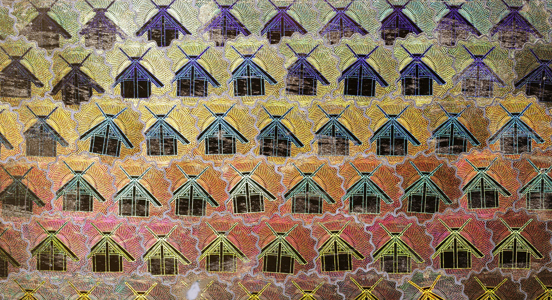
Oliver Laric
Work from Holograms.
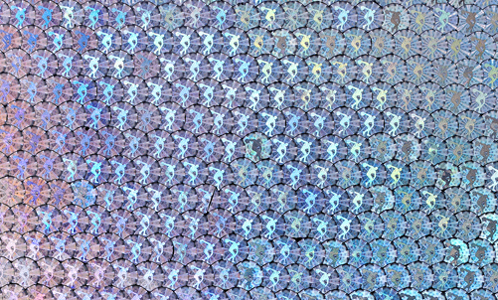
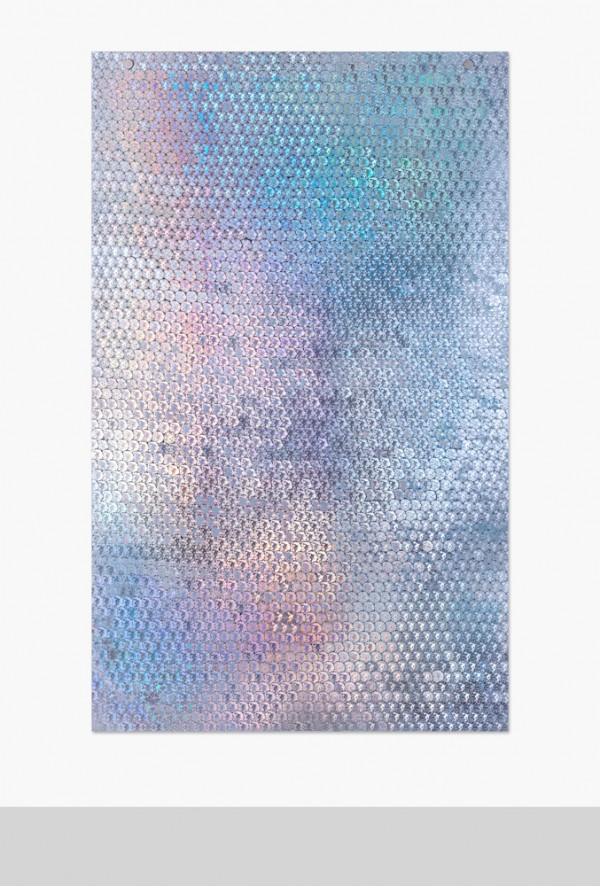
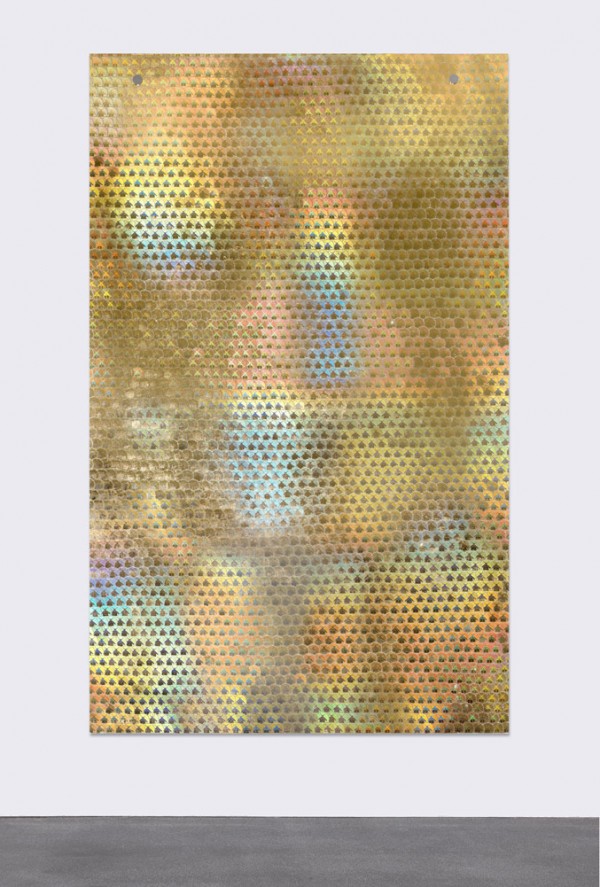
“Laric’s series of hologram stickered PET sheets employ overlapping layers of small circular holograms that act as signatures. Commissioned by the artist, these holograms were produced in the thousands by factories in Shenzhen, China, a region renowned for the manufacturing and produciton of both official and bootleg goods. The hologram stickers contain imagery in the decorative Guilloche style, commonly used to convey originality when authenticating products, visa documents, certificates and paper money. The holograms also contain depictions of artworks and symbols that have been made widely familiar through excessive reproduction and mediation, such as Rodin’s ‘The Thinker’, the Ancient Greek statue ‘Discobolous’, or Janus – the two-faced Roman God of beginnings and transitions.” – Tanya Leighton
Tags: hologram, nostalgia, optics, prints, radical, refraction
Posted in Uncategorized | Comments Off on Oliver Laric
Monday, 25 March 2013


Clemens Behr
Work from his oeuvre.
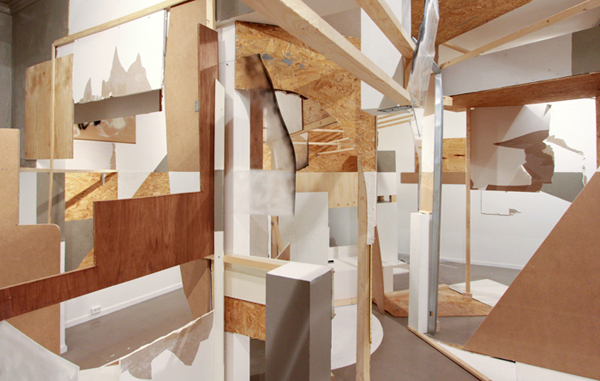
“My work is complicated, inexpensive and improvised…My process all begins with the space, which acts as a basis for planning. The space defines the colors and shapes, as well as any fixing or mounting possibilities and the dimensions of the piece. I can’t plan that much in advance, because I can never be certain which possibilities and machinery will be available for me to use. Once I have the composition or an idea of the finished piece visualized in my head, I usually begin to paint the cardboard. Then a wooden frame is screwed together onto which the cardboard will be fixed. This occurs very haphazardly. Before I travel to cities like Delhi or Marrakech I do no preparation before. I just look at the city’s colors and shapes and try to adopt it in to my work. In general, the way I work should be a kind of transformation of the architecture. It pulls everything apart and assembles it in a new geometrical disorder. The source of my inspiration can definitely be traced back to the work of Marcel Duchamp and Kurt Schwitters, and I would name Gordon Matta-Clark as my favorite artist.” – Clemens Behr
via Triangulation Blog
Tags: berlin, construction, installation, triangulation
Posted in Uncategorized | Comments Off on Clemens Behr
Sunday, 24 March 2013

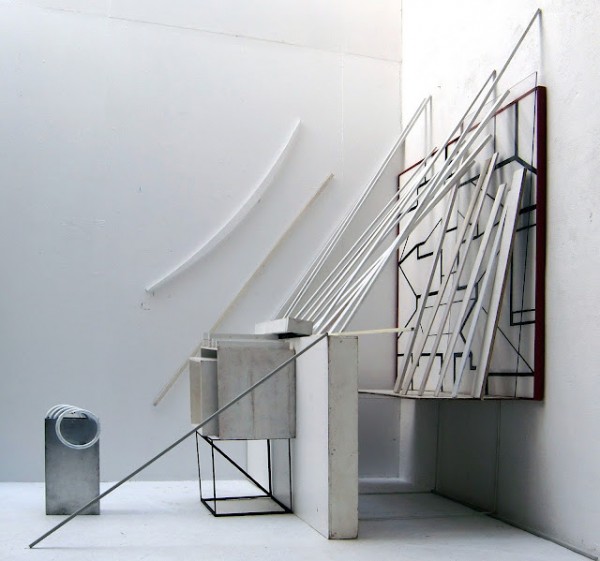
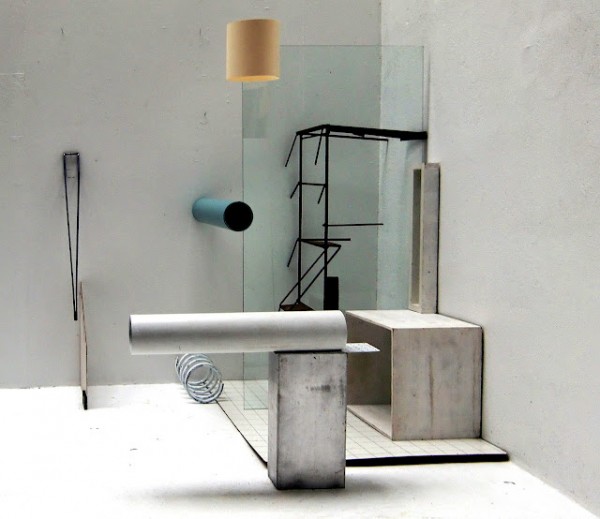

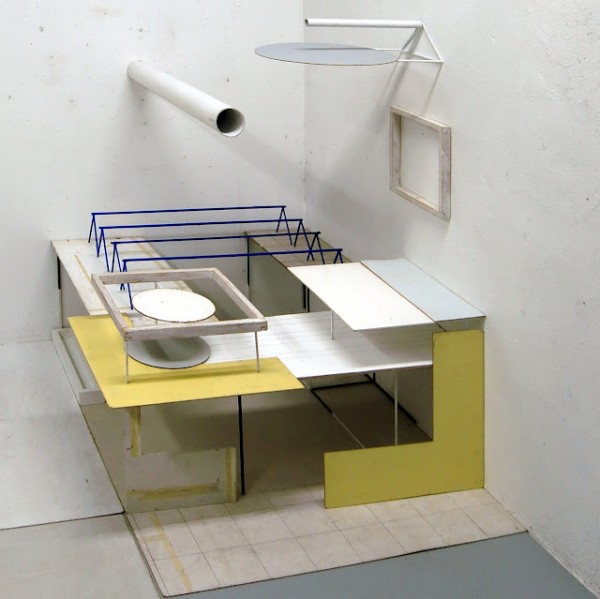
Kjell Varvin
Work from his oeuvre.
“In Kjell Varvin’s installations, drawings and sculptures, geometry and anarchy combine to take on an astonishing life of their own: the compositions grow out of the wall, or into it, it’s hard to tell. The components, some two-dimensional drawings and some built in three dimensions, consist mostly of clear, straight lines. But this alone is no guarantee of stability. Varvin loves to push architectural structure and logic to absurd lenghths. In spite of his evident respect for and affinity with the heroes of constructive and concrete abstraction, he makes them quake on their pedestals. Instead of the unapproachable aura of the classics, his constructions always come across a little like amateur experiments that anyone could try out for themselves in the garden shed. This gives them a positively democratic and slightly self-ironic tone. His “drawinstalls” are thus not so close to the great purists of modernism as to the balancing act with everyday objects in Fischli & Weiss’s Quiet Afternoon (1984). In both cases, viewers involuntarily hold their breaths: one move too many and the planned order dissolves into a chaos of worthless material.” – Susanne Altmann, curator of “LinesOn The Move”, The Drawing Biennial of Norway 2010
Tags: drawing in 3d, epic, minimalism, photo, photo sculpture, rad, sculpture, sneak attack, welding
Posted in Uncategorized | Comments Off on Kjell Varvin
Saturday, 23 March 2013
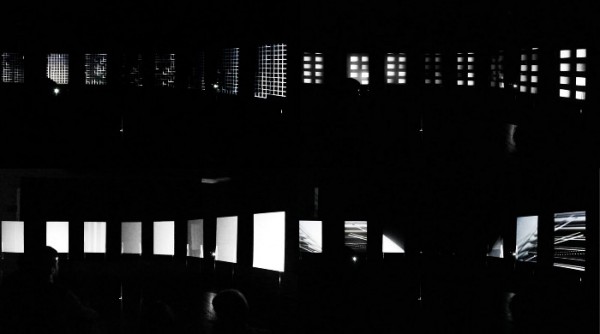
Florence To
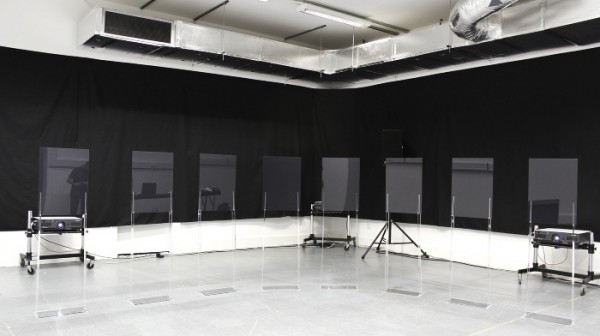
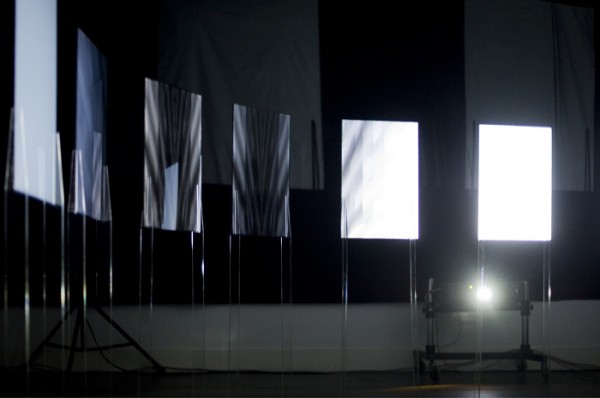
Work from Fovea.
“Working on the positioning and distance of light, sectioned on multiple reflective surfaces, the installation is focused on the idea of dark adaptation and how the contrast with light movements and illumination can heighten our senses. Sound will reflect on the repositioning of light on each reflected panel to create an intensified live performance.” –
Florence Tovia Triangulation.
Tags: a/v, installation, sound
Posted in Uncategorized | Comments Off on Florence To