Monday, 11 November 2013

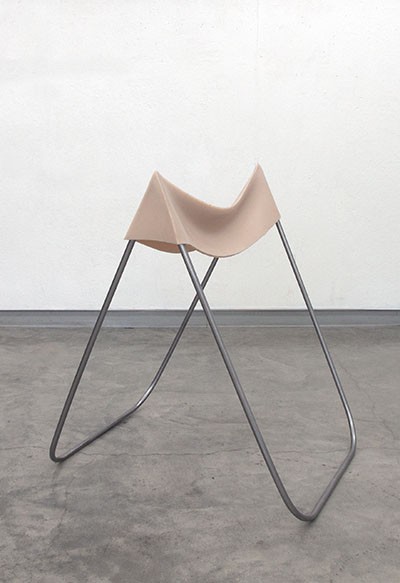
Hannah Levy
Work from her oeuvre.
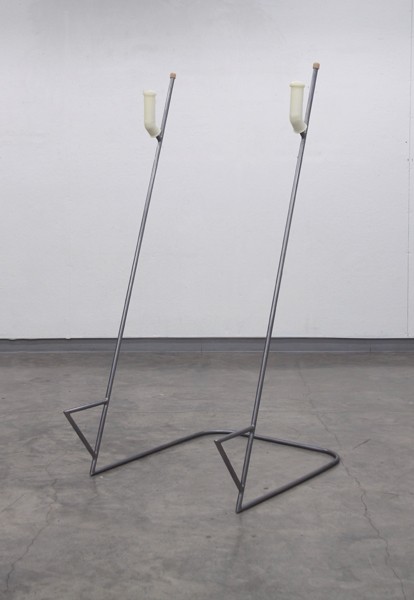
“Artist Hannah Levy uses the term “design purgatory” to describe these overlooked objects, cursed to live below the radar and gaze of their human creators. Levy finds herself attracted to forms that, once removed from their intended environs and functions, begin to lose the human conditioning that initially defines them. Medical equipment, safety bars, gymnastic devices and pool handrails can all be freed of the bondage of their human servitude. Once free, these objects immediately seem to lose their obvious semantic connections. They become epistemologically disconnected from the human mind. What was once the metal structure of a shopping cart starts to seem increasingly alien and non-human.
In Levy’s Untitled stainless steel and vinyl piece (2013) there are two figure-four handrails that no longer are tied to the edge of a pool. Instead they rise up from a concrete floor. Their ergonomically designed use is thwarted, and they turn inward becoming more of a blockage then a helping hand. The vinyl that covers them gives them a prosthetic new skin that further complicates definition. One of Levy’s classmates called them “dog heads,” seeing them first as an outline of a cartoon dog. Undoubtedly that same classmate has used this poolside object countless times. In this context, however, the human to object connection has become oblique.
What is key in Levy’s work is how she provides these objects with the potential to take on new meaning, giving them license to express unknown aspects of their virtual selves. Something like a grab-bar is inherently tied to the binary of human/object. The object is formed and exists only in regards to its ergonomic relationship with the human body. Levy removes the human body from her work and provides new synthetic bodies, usually cast polyurethane foam or rubber that interacts with these forms to create new differential assemblages. This move displaces the object from direct human knowledge, yet the essence of the object still remains. Somewhere in the stillness of viewing, a strange familiarity with the object exists. It is more felt then understood, an unspoken and purely intuited connection that reveals a different side to what is already known. It is here that the human viewer begins to peek into the virtual potentials of these objects.” – Ryan Lauderdale, Wow Huh
Tags: design, furniture, manufactured, new york, objecthood, organic, sculpture, skin
Posted in Uncategorized | Comments Off on Hannah Levy
Sunday, 10 November 2013
Nick Relph
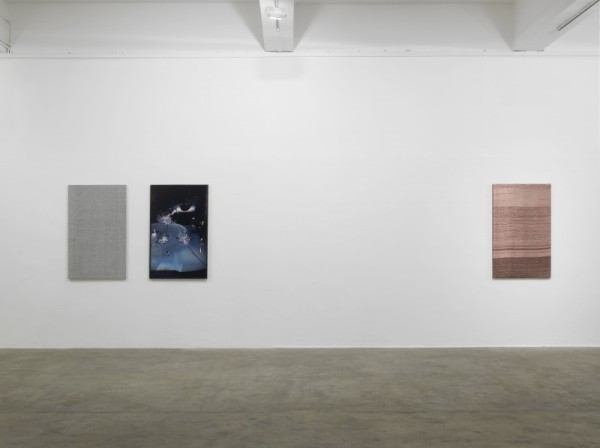
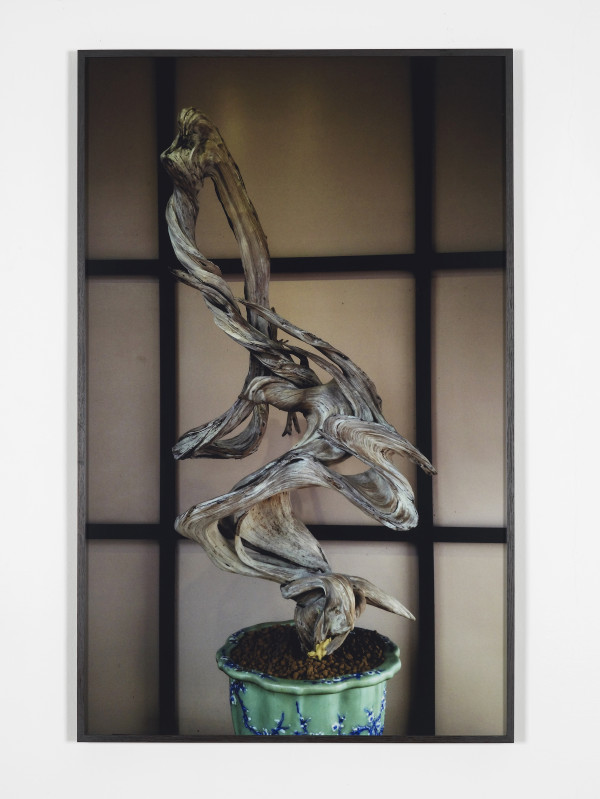
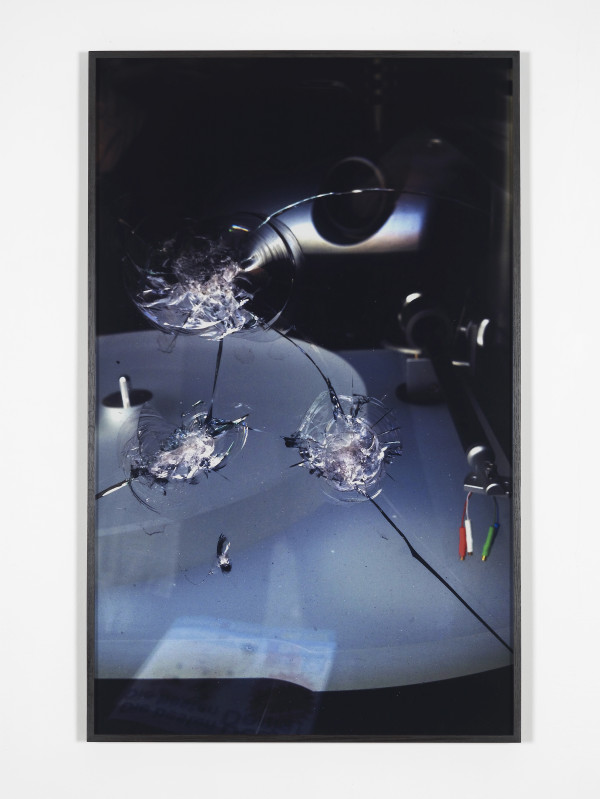
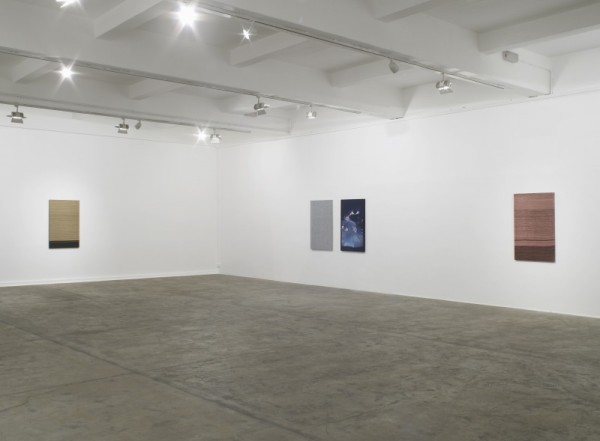
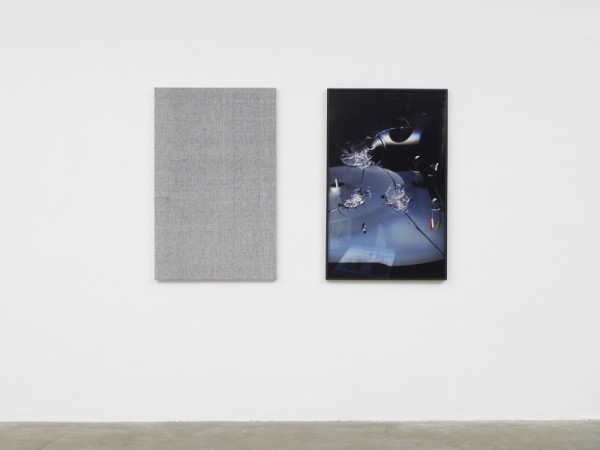
Work from Tomorrow There Is No Recording.
“Tomorrow There Is No Recording examines handicraft, materials and ideas of value. Using a four-harness floor loom, Relph has fabricated a series of weaves using materials including polyester, rayon, silk, monofilament, latex and paper. The weaves are presented at Chisenhale as part of a specially conceived installation.
Relph’s interest in handmade, woven textiles stems from an appreciation of the labour involved in their production, in addition to the particular formal and material resonance of these constructed fabrics within our digitally-oriented culture. Woven surfaces can be read as images, whilst also retaining the information of their making – mistakes and irregularities or impressions from the loom – and the signs of wear that emerge over time and through use. This preoccupation with the relationship between image and surface emerges from Relph’s previous film and video work. He has said: ‘I can’t think about moving image now without thinking about the surface upon which it’s being viewed’.
Relph first began to explore his interest in the material and social effects of textiles through moving image. Thre Stryppis Quhite Upon ane Blak Field (2010) – presented at the Venice Biennial 2011 and currently on display at Tate St Ives – connects the meandering history of tartan with the Japanese fashion label Comme des Garçons and the artist Ellsworth Kelly. Here, Relph employs a trilogy of colour – red, blue and green – as a visual motif and conceptual device to weave associations between subject matter in the film. The history of colour reproduction, manufacture and consumption are further explored through the presentation of the film as a composite RGB projection, which recalls the mechanical print processes used in the textile industry.
Relph’s contemporary methodology of accumulating, cutting and pasting, and manipulating research material, as a source of both information and inspiration, is juxtaposed with materials and processes that are idiosyncratic and often homespun. The links Relph makes are tentative, suggesting something elliptical at play in the manufacture and circulation of goods, and, in turn, influencing our subjective attachment to them.
Tags: labor, london, minimal, photography, weaving
Posted in Uncategorized | Comments Off on Nick Relph
Saturday, 9 November 2013
 ele
ele
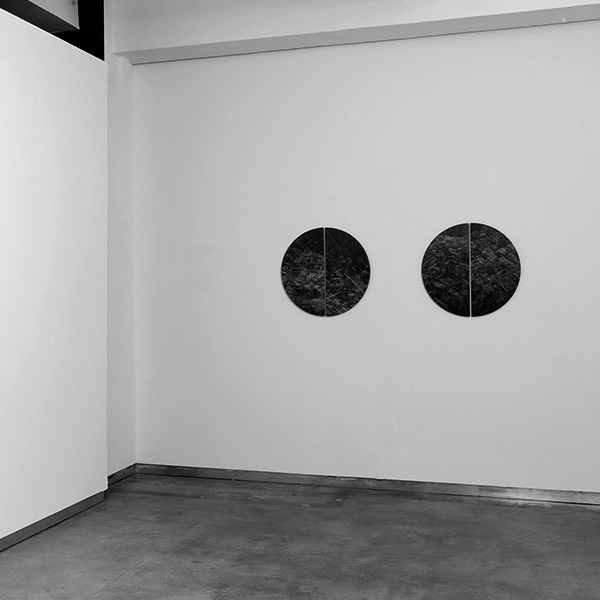
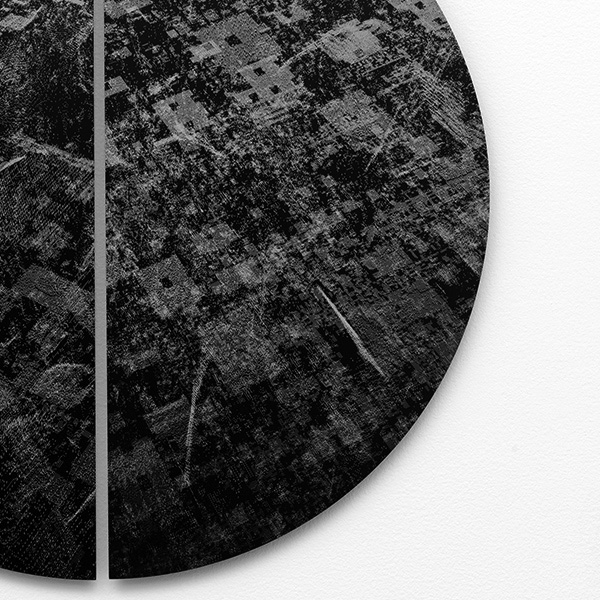
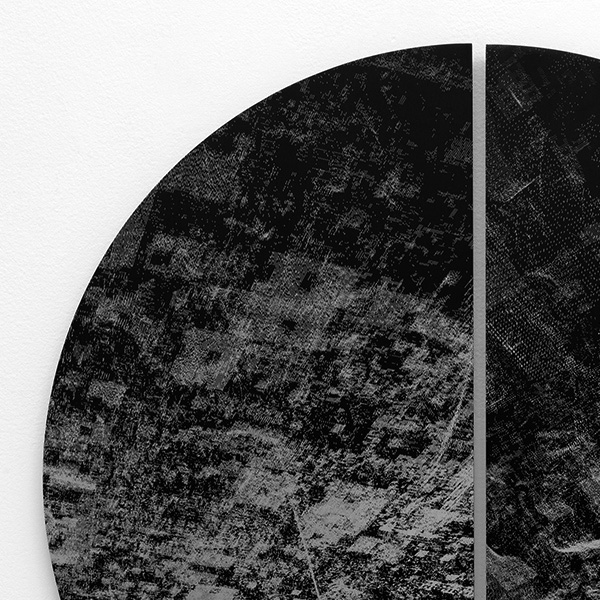
Casey REAS
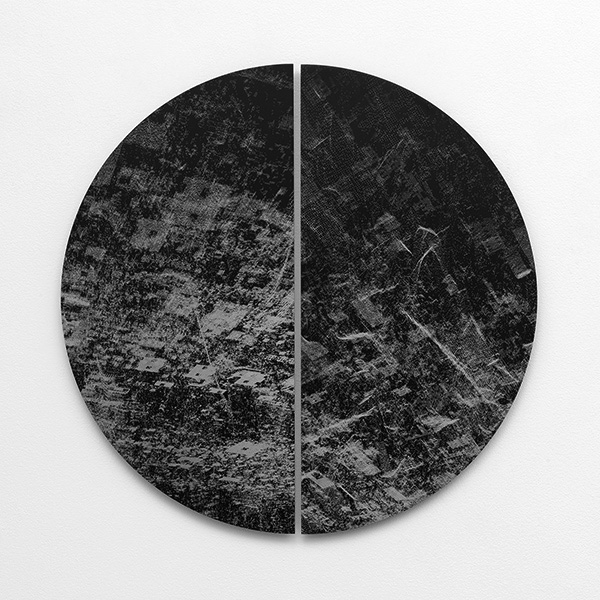
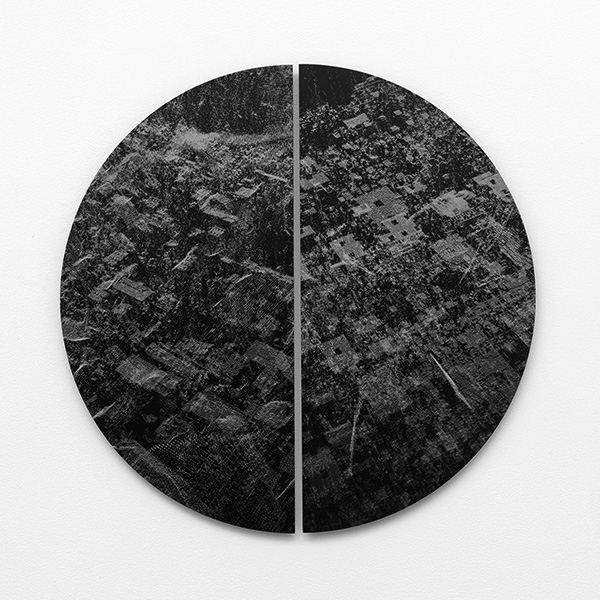
Work from Substrate
“The Substrate series breaks apart television signals into fixed, laser-etched surfaces. Using the Control Room images as a foundation, it pulls apart the data to form a new landscape.The circular form and matte finish of anodized aluminum refer to instruments for measuring electrical signals.” via Western Digital
Tags: aluminum, circle, laser-etched, measuring instruments, televesion
Posted in Uncategorized | Comments Off on Casey REAS
Friday, 8 November 2013
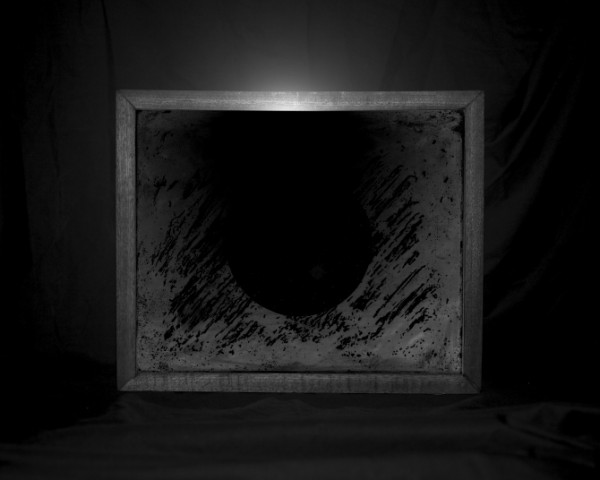
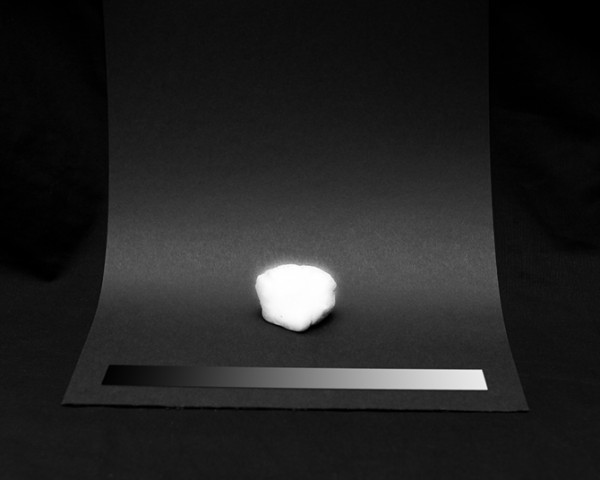
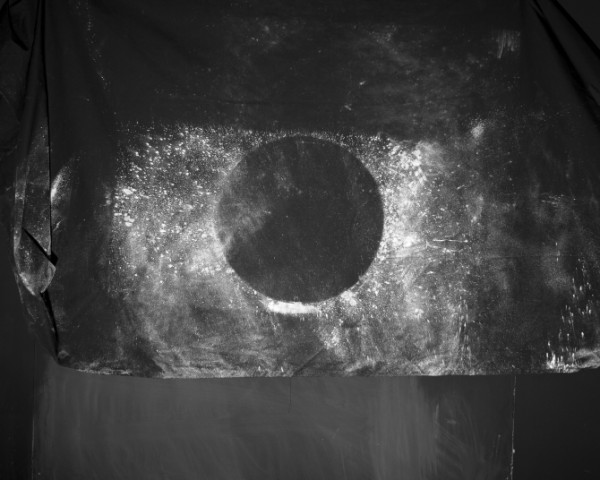
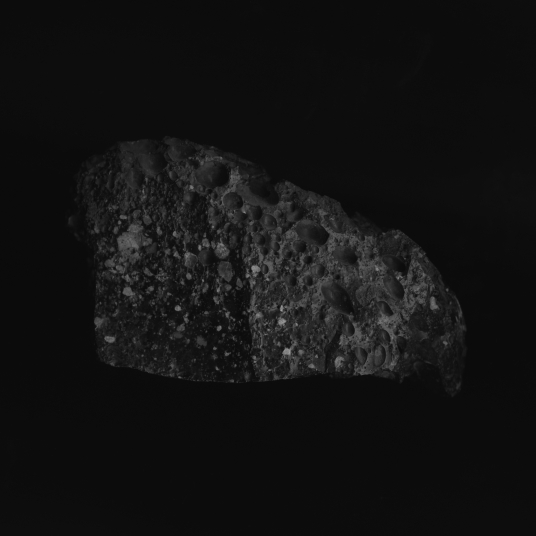
Barry Hughes
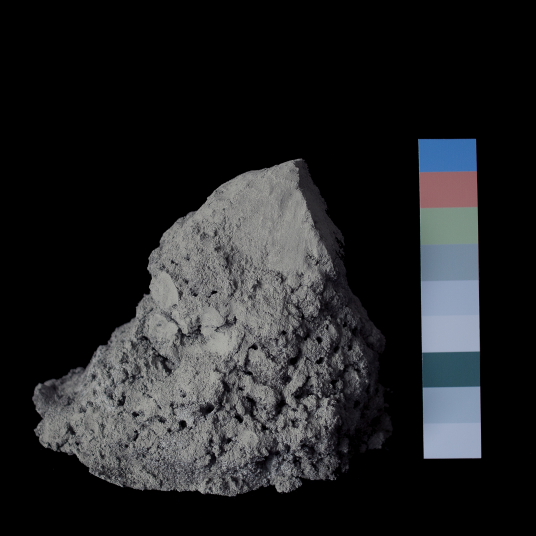
Work from NEOP.
“Taking its title from NASA’s Near Earth Object Program, this is a physical cosmology, investigating particular astronomical phenomena and the science related to the observation and exploration of such.” – Barry Hughes
Tags: atet, home, photography, space
Posted in Uncategorized | Comments Off on Barry Hughes
Thursday, 7 November 2013

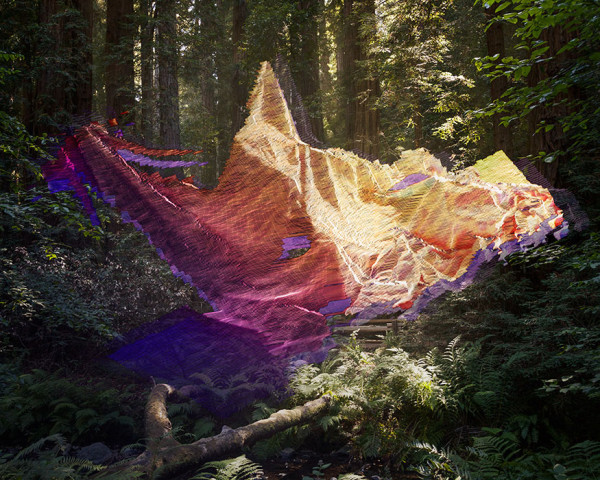
Mark Dorf
Work from //_PATH
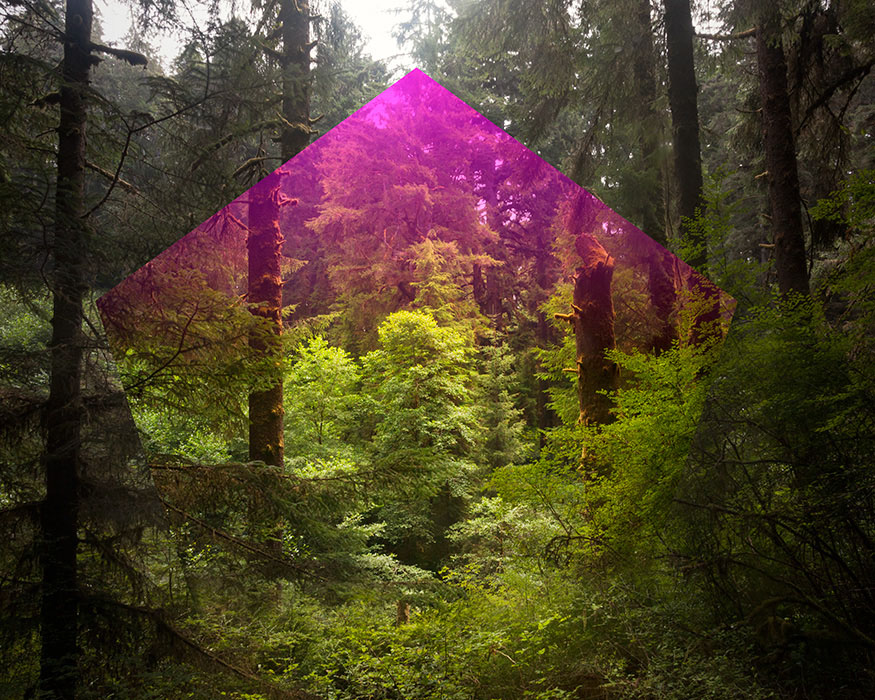
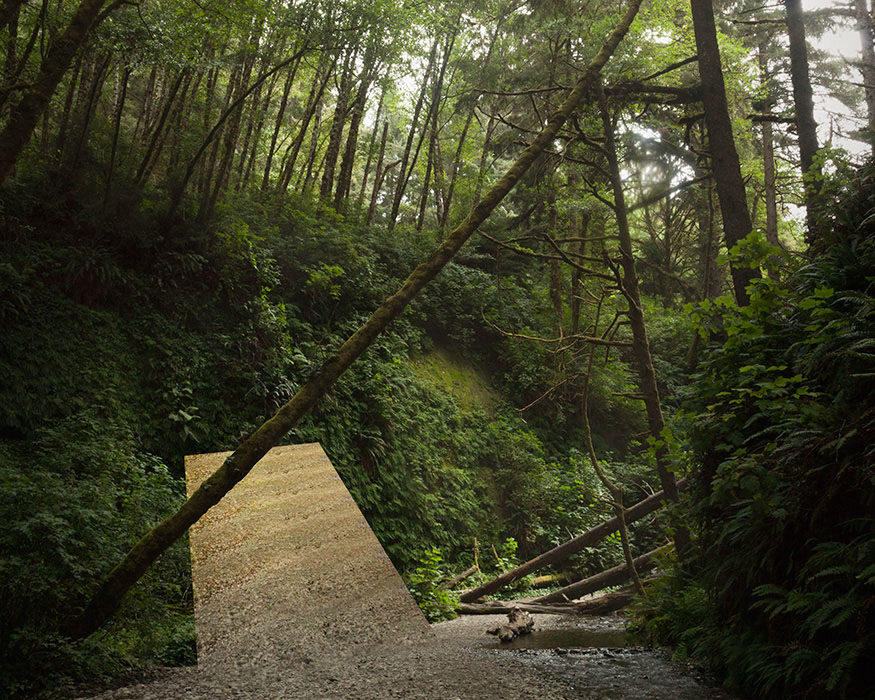
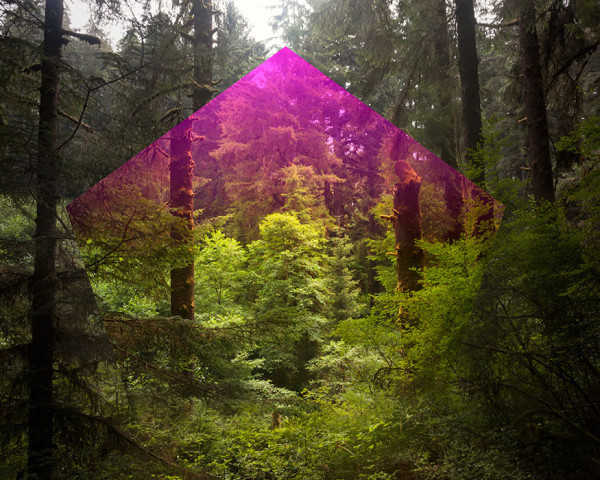
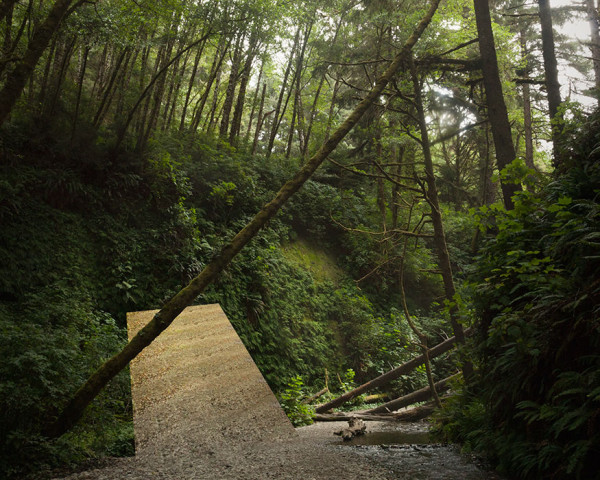
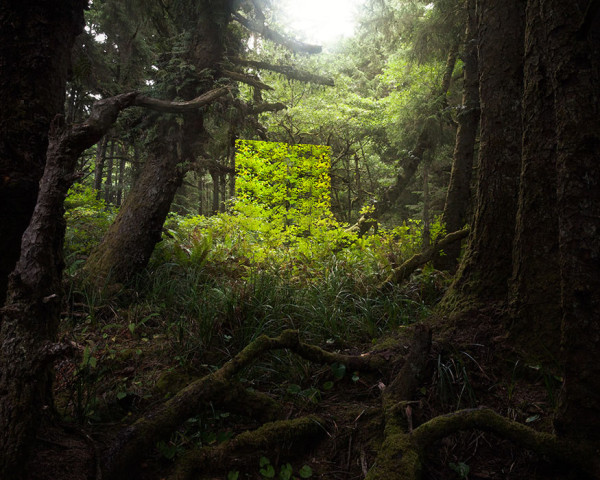
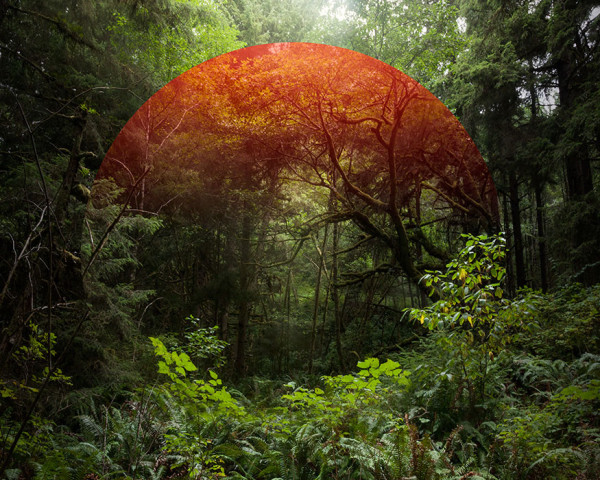
“When examining our daily contemporary lives in western culture, one finds that there is barely a single situation that is not influenced by digital technology and communication through the World Wide Web – the Internet and digital technology has been integrated into nearly every part of our lives and will only continue to become more and more present in our daily routines. I specifically find interest in the ways in which we have become dependent upon this technology to help aid us in our navigation of our every day and how it affects our perception of the world around us all socially, emotionally, and physically – it is no longer about logging on or off, but rather living within and creating harmony with the realms and constructs of the internet for our newest generation of inhabitants.
//_PATH explores these ideas through digital photography, collage, 3D rendering, and primitive 3D scanning technology. Within the images I focus on using strict geometric and synthetic form to contrast against the landscape in which they are manifested; a comparison of language. The natural landscape can be seen as the most ancient of symbolic languages: it is the original set of symbols that birthed all of modern language; it is the original text. Focusing on the landscape and our modern digital language, I seek to understand our aggressive capture and digitization of our surroundings through very basic use of pure color and the native tools of contemporary digital imaging that we use to create meaning and manipulation in mass media.”
Tags: communication, digitization of our surroundings, landscape, navigation, tech
Posted in Uncategorized | Comments Off on Mark Dorf
Wednesday, 6 November 2013
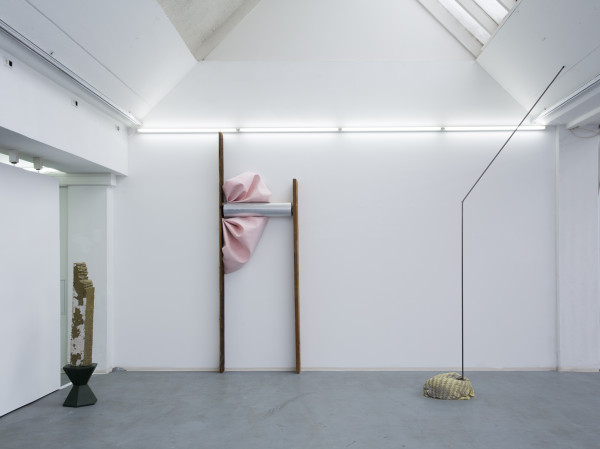
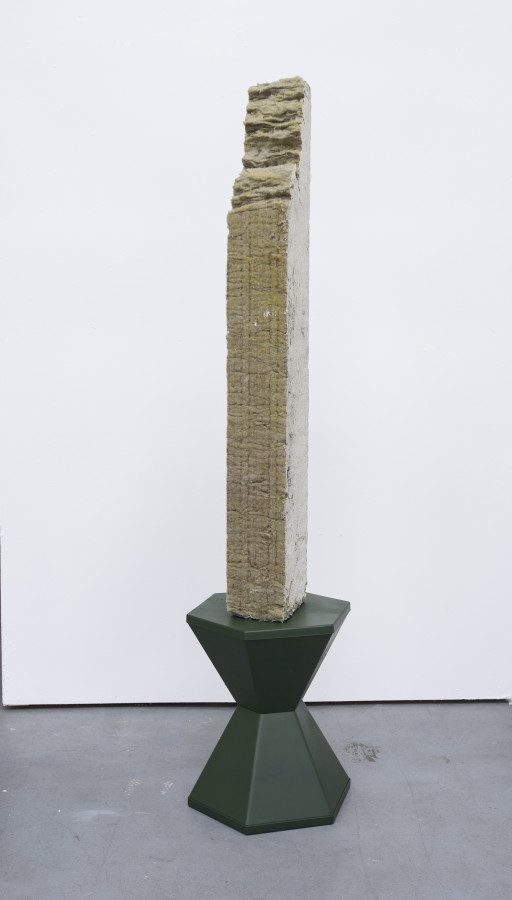
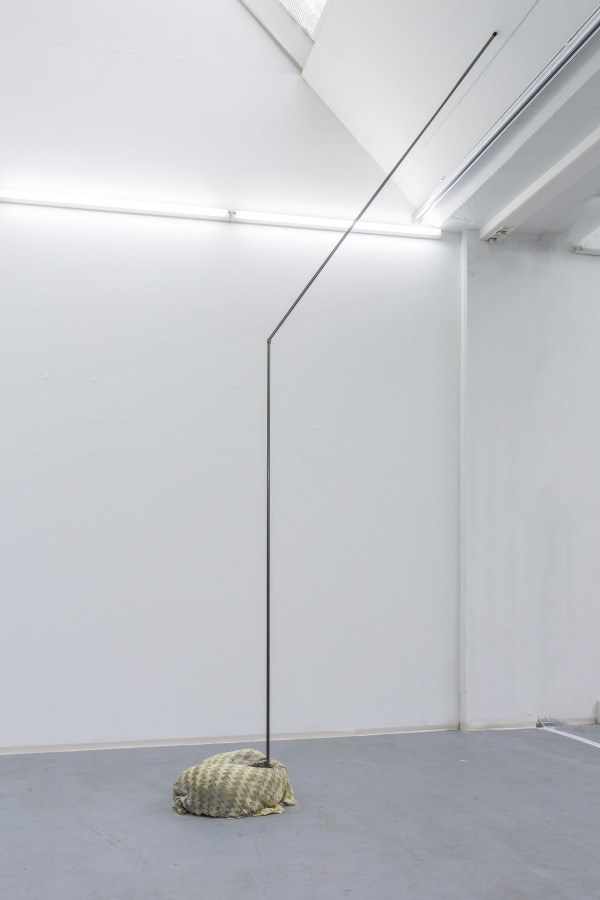
Laine Godsey
Work from Pruning Tips.
“The pleasure in Godsey’s work lies in the sensation of losing my sense of the outer boundary of my body in relation to the figures she creates. It is like viewing my pink, internal ductwork in a sun-lit, public space. As I write this, I am embarrassed that I have already subconsciously altered my words to invoke the anthropomorphism of her pieces. It’s a mimetic habit— like smiling along with the actors in a show, although they are not really there, and neither am I. But Godsey does not shy away from this reflexive characterization. She thinks of her sculptures as her children, as mirrored elements of a community. Their relationship to one another, and to the viewer, is foremost based on analogy. She invites the viewer to partake in the hedonistic ritual of ‘looks like’; metaphorizing the objects until they are comfortably tucked away into one’s memory with all other well-known objects, images, and ideas. But I would argue that achieving this level of contentedness is the Lacanian game the sculptures play, and what underlies their ultimate goal of misrecognition.
In the past, Godsey has described her desire to balance the feminine and the masculine, the domestic and the industrial, and the internalization and externalization of identity through the expansive formation of the “dwelling”. She often lets her sculptures extend to match the height of the gallery space, gracefully dominating the viewer. They are made of materials one would find distinctively indoors or outdoors, generating a psychosomatic nostalgia for grandmother’s fabric and the metal machinery that improves the convenience of our everyday lives. If we were Swedish soldiers in the late 1600’s, the cure for this particular strand of nostalgia (believed to be an immobilizing disease back then) would be to return to our homeland, kick back in our favorite upholstered chairs, and smell the sweet smells of coal-fueled oxidizing metals. This unsettling dichotomy poses reasonable questions concerning the definition of the dwelling, but the totemic characters in the room demand more. They demand that I classify them within the art canon, and they demand that I seriously reconsider whether or not the space in which I dwell is where I truly belong.” -Elisa Gabor
Tags: industry, materials, minimal, sculpture, simple palette
Posted in Uncategorized | Comments Off on Laine Godsey
Tuesday, 5 November 2013
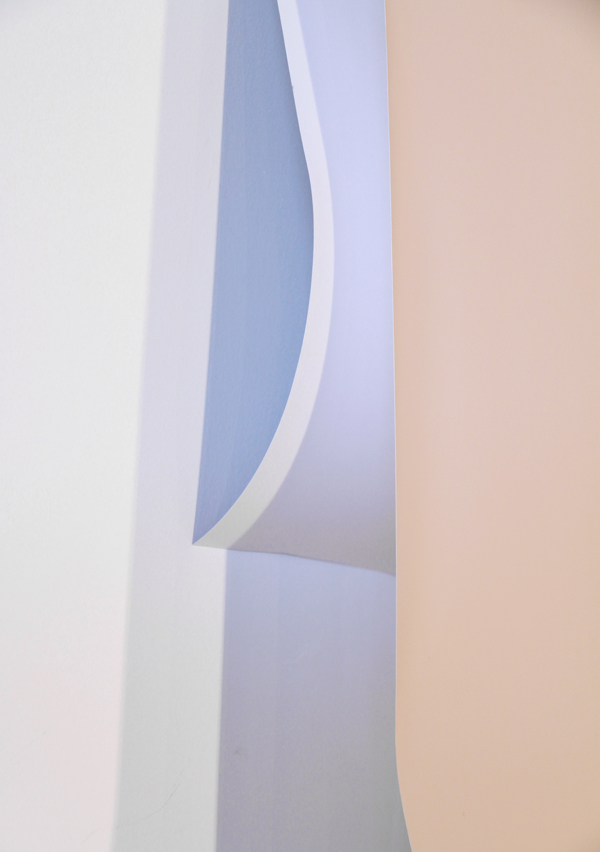
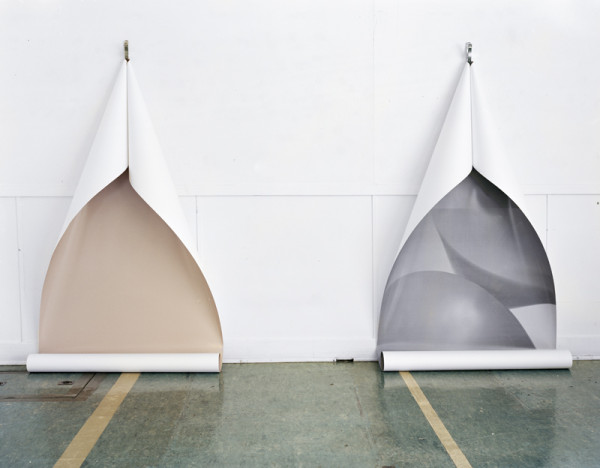
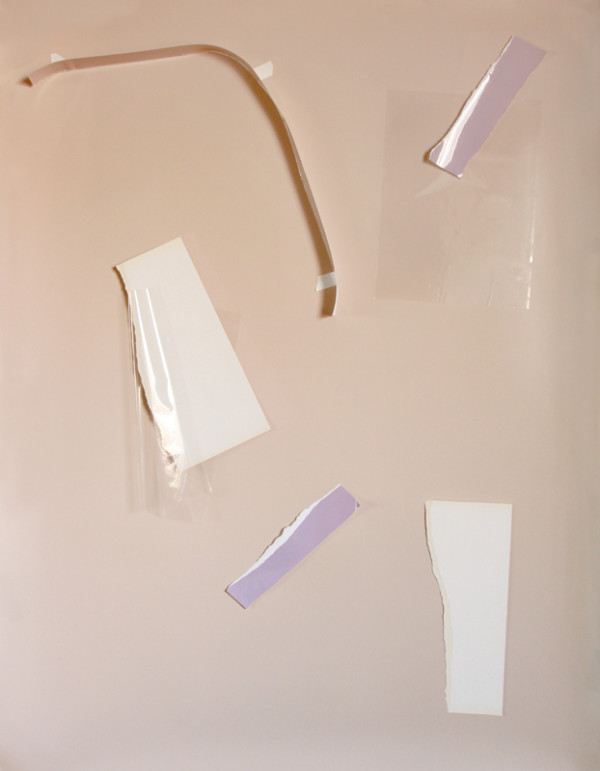
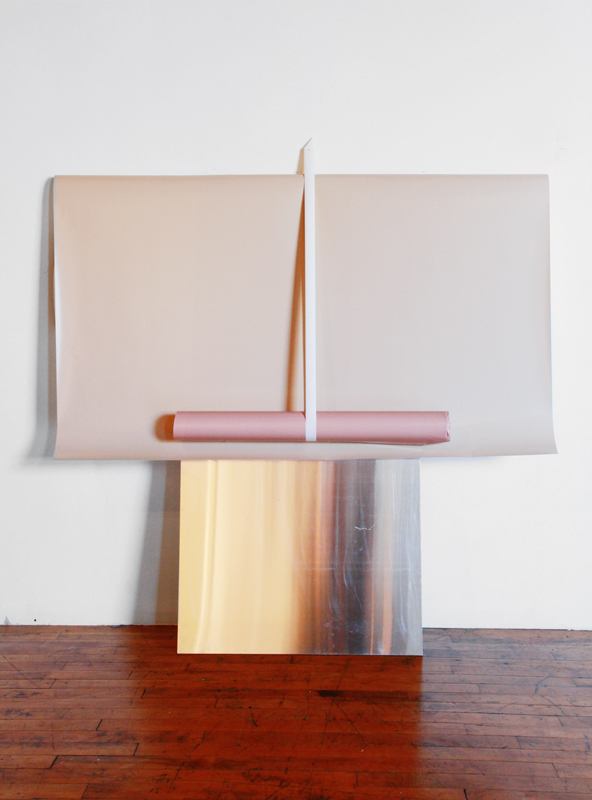
Laurie Kang
Work from her oeuvre.
“Laurie Kang works in photography, collage, sculpture and installation. Drawing from her personal female narrative, she uses sensitive materials to mine embedded social hierarchies and structures of power. ” – Laurie Kang
Tags: critique, meta-art, photography, power structure, sculpture, system
Posted in Uncategorized | Comments Off on Laurie Kang
Monday, 4 November 2013
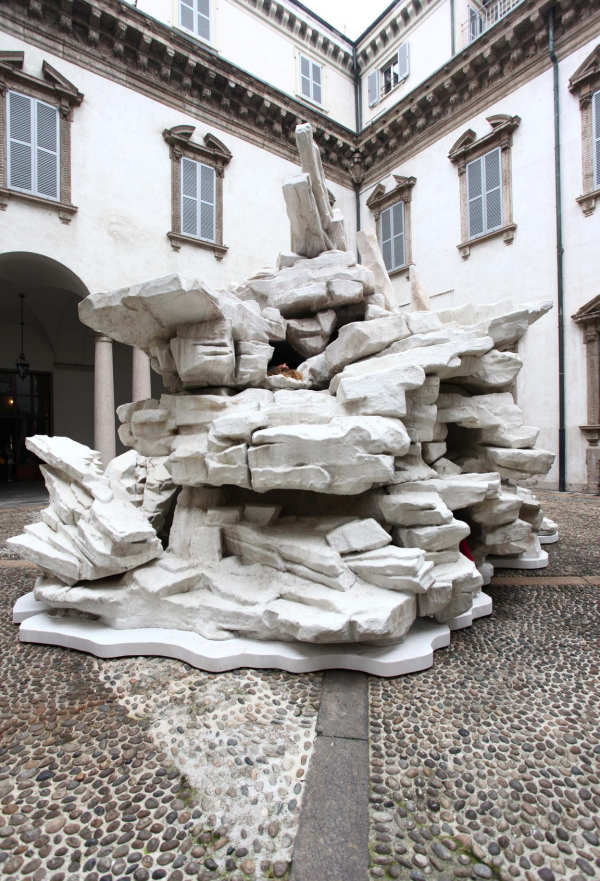
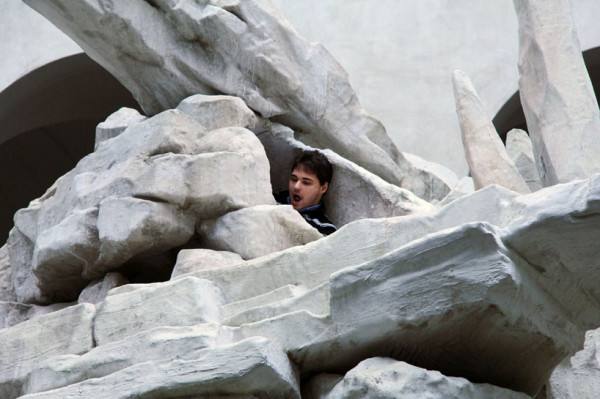
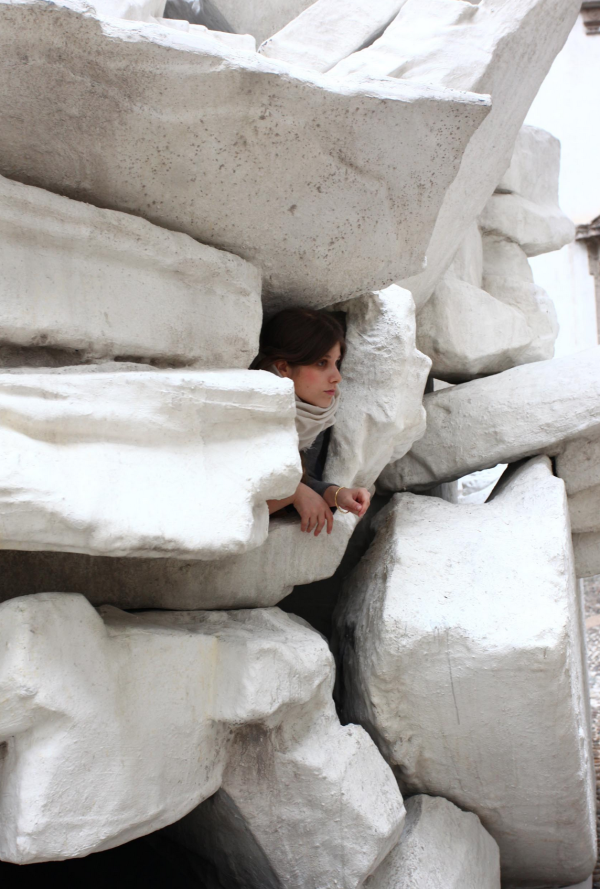
Allora & Calzadilla
Work from Fault Lines @ Fondazione Nicola Trussardi.
“Allora & Calzadilla have developed an experimental and interdisciplinary body of work, linking different elements and languages—such as sculpture, photography, performance, music, sound, and video—which are combined to explore the psychological, political, and social geography of contemporary globalized culture. Their practice investigates pivotal concepts of our time such as nationalism, power, freedom, participation, and social change.
This approach is what inspired the title for their exhibition with the Fondazione Nicola Trussardi: Fault Lines, the rifts in the earth that form between two shifting masses of rock; ragged, unstable fissures that conceal a deep fragility, and could reach the breaking point at any moment. In Allora and Calzadilla’s work, these Fault Lines are taken as points of departure for an exploration of physical and symbolic borders and junctures….”
Tags: inst, political, rocks, seismic, shifting
Posted in Uncategorized | Comments Off on Allora & Calzadilla
Sunday, 3 November 2013


Justin Morin
Work from Poison at Galerie Jeanroch Dard.
“Justin Morin’s multifaceted work is on view at Galerie Jeanroch Dard in the frame of his solo exhibition, the second at the gallery, titled Poison. The French artist presents his delicate installations seemingly acting at the borders of different worlds. The reference to artistic movements of the past, especially those of the ‘60s, such as New York Minimalism, Californian Light and Space movement and Op art, goes together with the constant dialogue with the world of fashion: its industrial, design and imaginative nature influences and seems to inspire Morin’s production, especially in the silky colored canvases hung to the ceiling or in the “impossible” sculptural pair of shoes lying on the floor of the gallery.
The contexts of art and fashion allow Morin to explore the ideas of beauty and desire and the mechanisms of advertising and seduction. The term poison in the exhibition’s title could be understood as a criticism of the workings of the society of the spectacle, or at least as evoking the artist’s doubts as he observes a system that has become almost toxic as it tries to outdo itself turning images into a poison.” – CURA Magazine
Tags: dye, fashion, fiber, french, gradient, industry, opium, textiles
Posted in Uncategorized | Comments Off on Justin Morin
Saturday, 2 November 2013
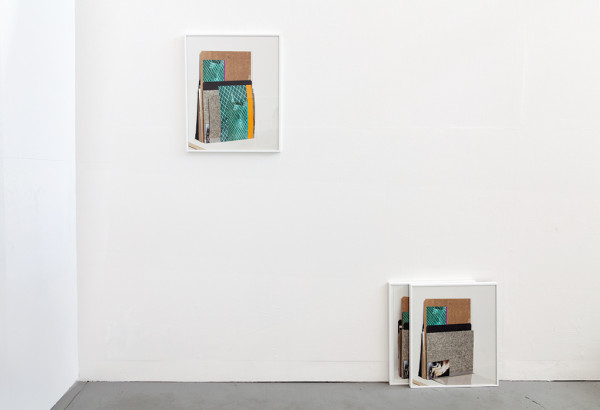
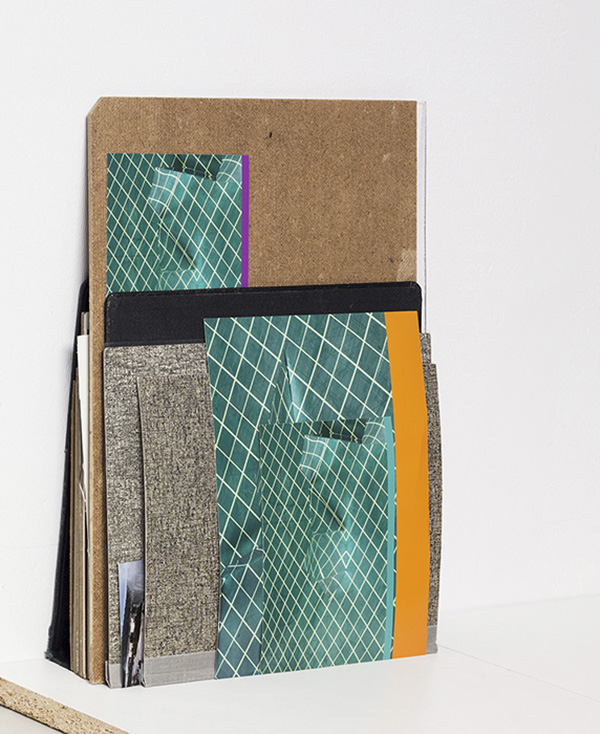
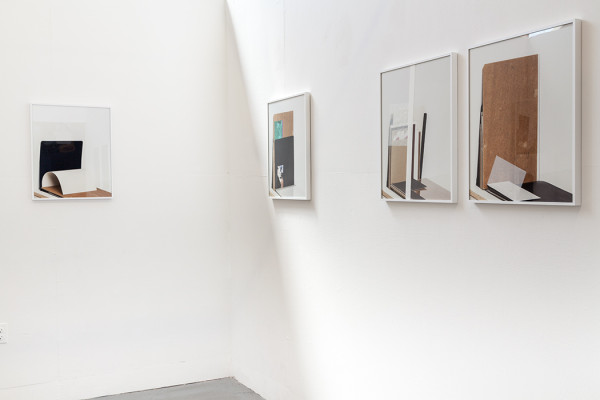
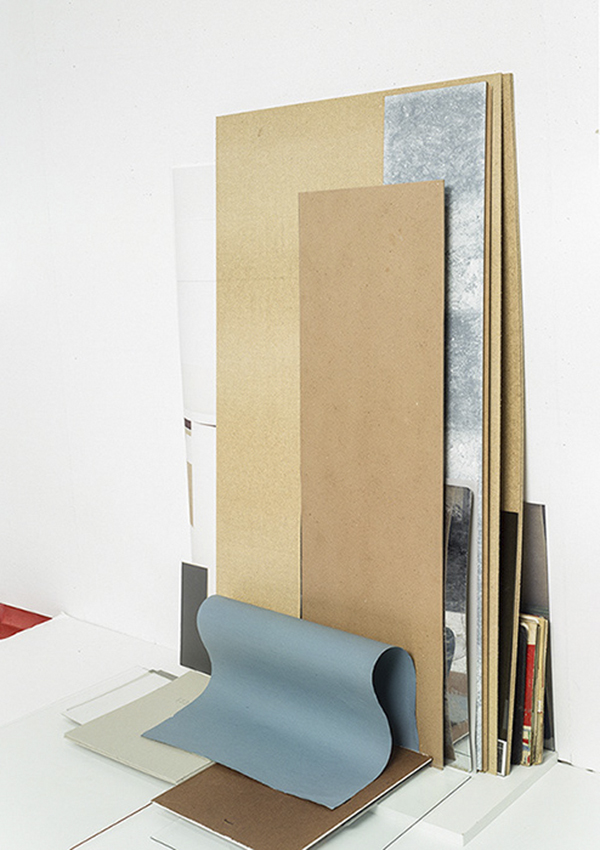
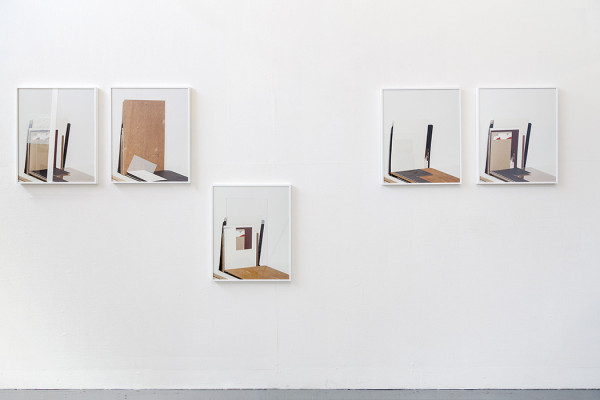

Phillip Maisel
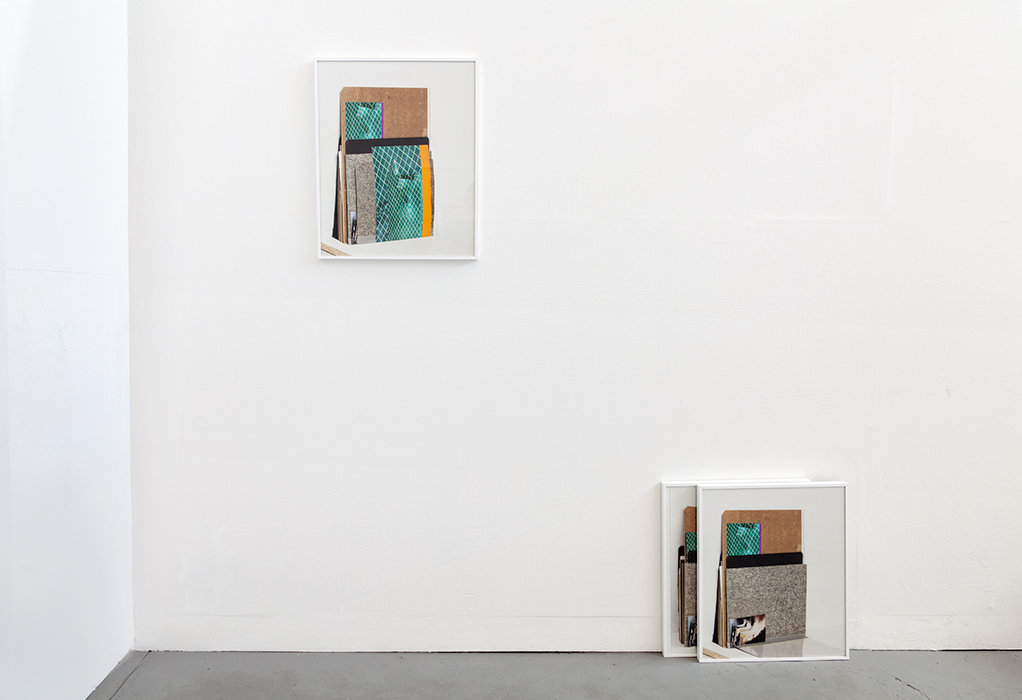
Work from Stack I & Stack II
“Phillip Maisel’s photographs of the materials, walls and floors of his work space muddies the distinction between architectural image and the ways in which out of habit we perceive and label photographic space. In Maisel’s work, the distance drops out between viewer and judge, for he shows us not only tantalizing glimpses of work largely unseen and stacked against the wall, but what we learn is that the glimpse is all you’re ever going to get. The emotional lessons of his photos question both the use value and two-dimensionality of the medium, while confronting us with a physical presence influenced by sculpture.”
Tags: leaning, materials, photography, stacks, work space
Posted in Uncategorized | Comments Off on Phillip Maisel