Christopher Kulendran Thomas

8-MG_8945-3 CKT_40285 0_MG_8902 03 CKT_40269

Christopher Kulendran Thomas

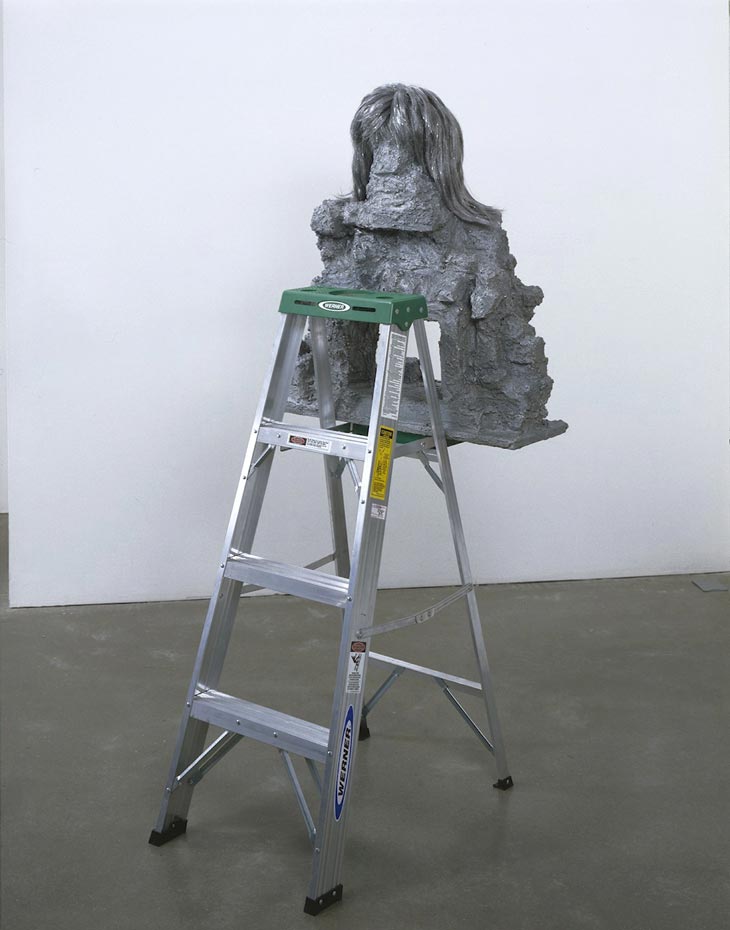
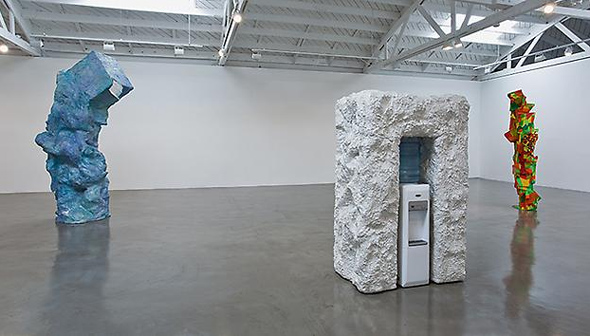
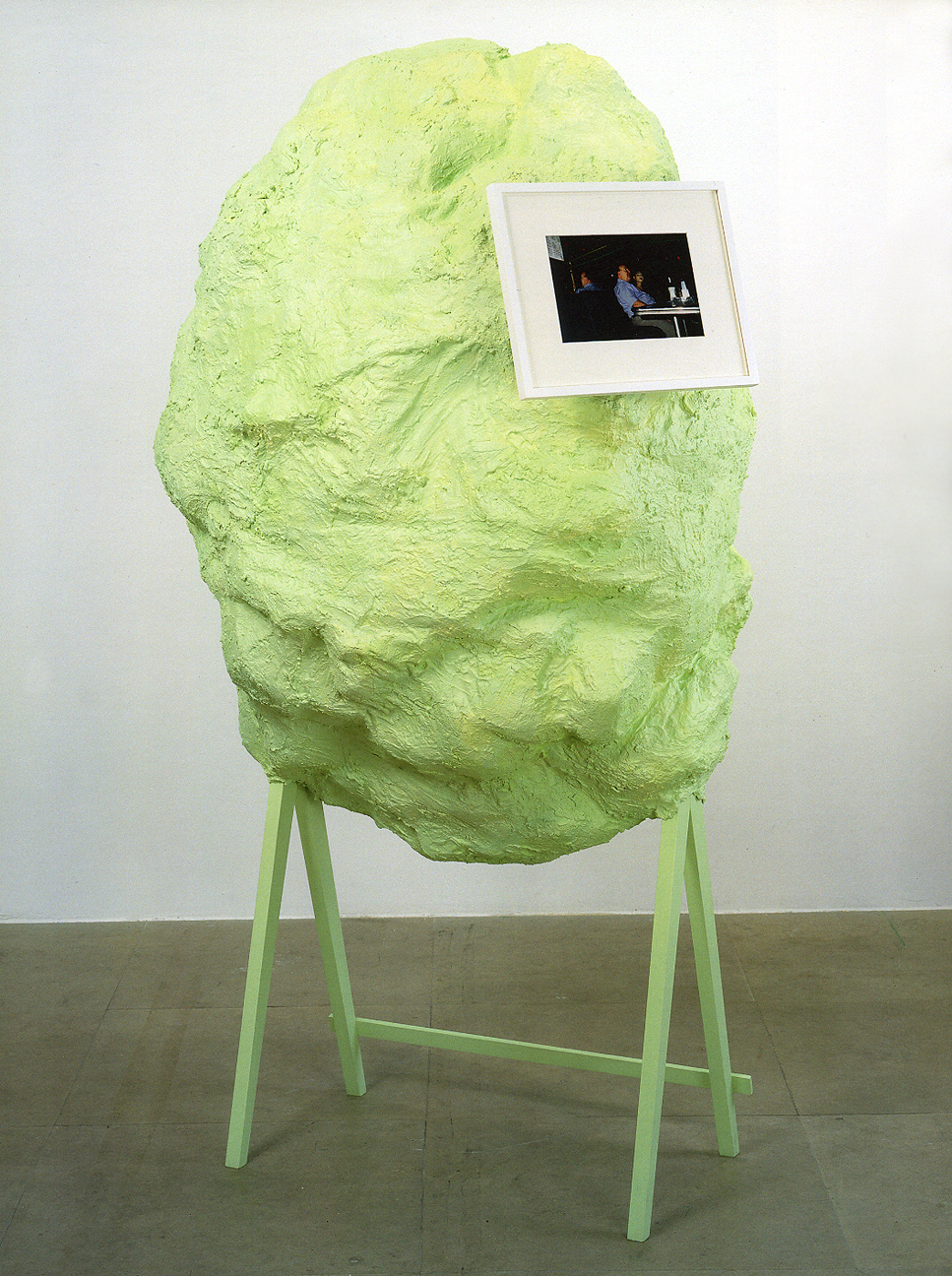
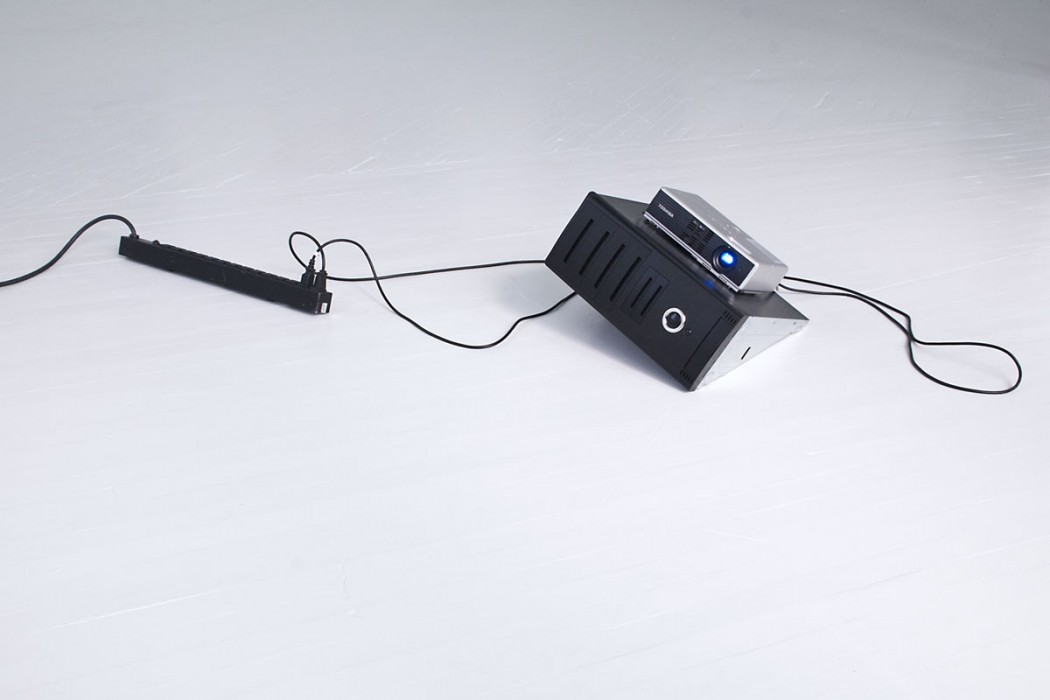
Work from the ongoing work www.when-platitudes-become-form.lk

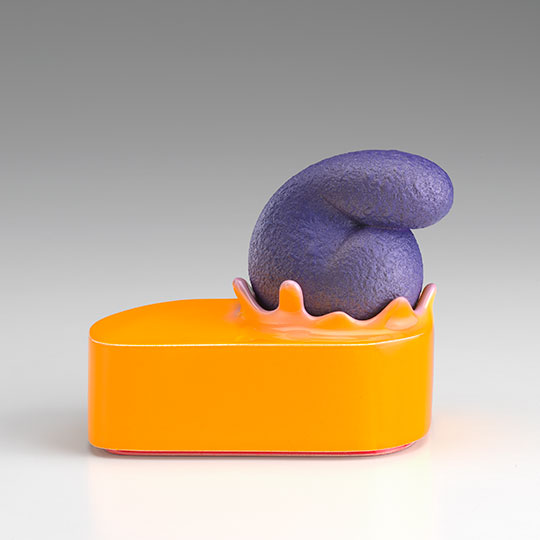
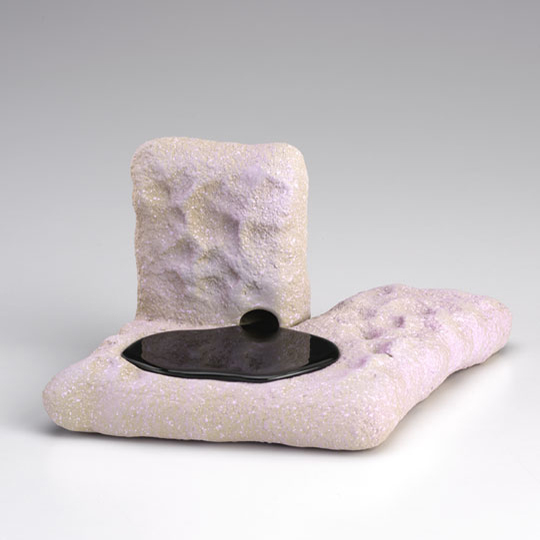
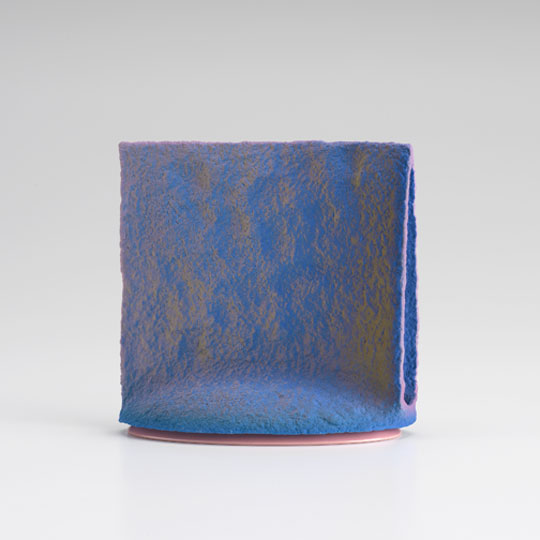
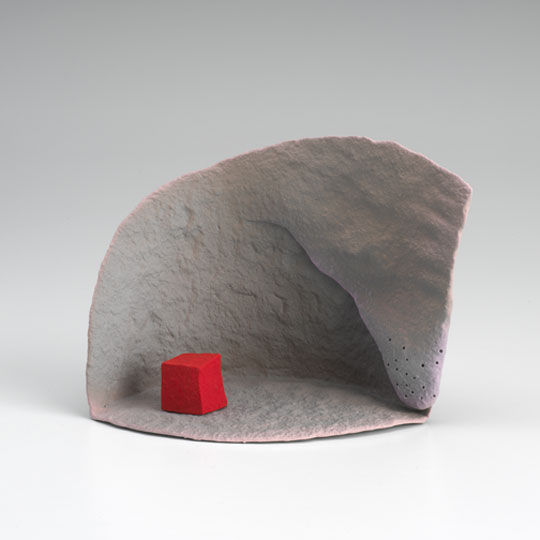
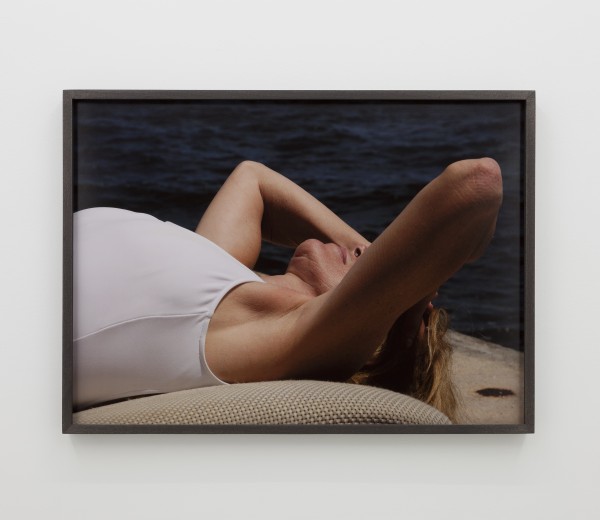
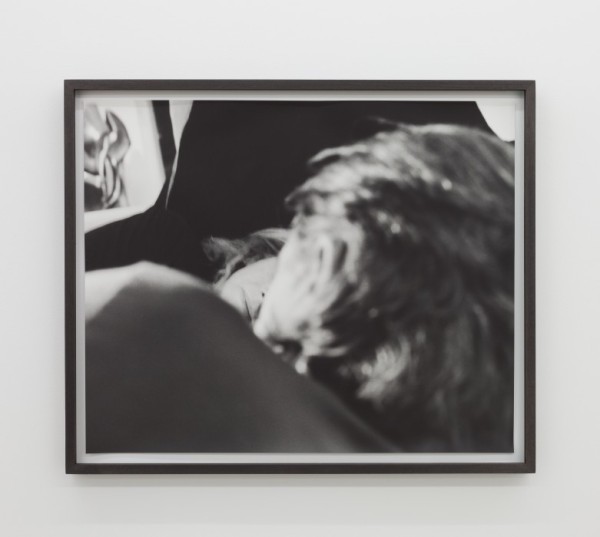
“Artworks by some of Sri Lanka’s most celebrated young artists are re-configured by Christopher Kulendran Thomas for the Western art market as part of the ongoing enterprise When Platitudes Become Form. This radical re-marketing of the island’s contemporary art raises funds to resist the oppression of communities displaced by civil war, channelling resources that are not under government control to the formerly Tamil-occupied territories of the North and East of the country.

Purchasing artworks through Sri Lanka’s most prominent new gallerists, rather than dealing with the artists themselves, Thomas physically translates what counts as ‘contemporary’ in Sri Lanka into what is expected of the ‘contemporary’ at the heart of art-imperial power. Exploiting the difference, Thomas’ overall composition takes as its materials the whole system by which art is distributed.

Christopher Kulendran Thomas was born in London in 1979 after his parents fled escalating conflict within Sri Lanka. The ensuing civil war ended brutally in 2009 as the Sri Lankan government leveraged international interests to comprehensively defeat the Tamil Tigers. Now, as the North and East of the island is about to be sold off to the international backers of Sri Lanka’s genocide, the economy is booming and with it a new context of Contemporary Art has emerged. The capital Colombo’s first Western-style commercial galleries have very quickly established Contemporary Art – as in the West – as the highest benchmark of connoisseurial consumerism in what is now one of the world’s fastest growing small economies.

Counter-manipulating the forces of globalisation, When Platitudes Become Form attempts to undercut the parameters of Contemporary Art through a rigorous excavation of the ethics of humiliation. The patronising openness of instrumentalised cultural exchange is explicitly perverted here by the colonial trading patterns that it usually masks, setting in motion a conspiracy of contingencies that extend beyond the work’s as yet visible horizons.”

via Amadeo Kraupa-Tuskany Nadine Zeidler

Hans Richter

Screen Shot 2013-09-18 at 9.11.48 PM
Screen Shot 2013-09-18 at 9.10.49 PM

Hans Richter

Rythmus 21 & 23.

“Richter, on the other hand, decided to adopt an entirely new strategy: rather than attempting to visually orchestrate formal patterns, he focused instead on the temporality of the cinematic viewing experience by emphasizing movement and the shifting relationship of form elements in time. His major creative breakthrough, in other words, was the discovery of cinematic rhythm, which he then used as the title of his first film, Film ist Rhythmus: Rhythmus ’21 (Film is Rhythm: Rhythm 21, 1921). For Richter, rhythm, “as the essence of emotional expression”, was connected to a Bergsonian life force: ‘Rhythm expresses something different from thought. The meaning of both is incommensurable. Rhythm cannot be explained completely by thought nor can thought be put in terms of rhythm, or converted or reproduced. They both find their connection and identity in common and universal human life, the life principle, from which they spring and upon which they can build further’.

The determining impulse for all of Richter’s early film work, visual rhythm, as articulated time, was used to organize the constituent spatial elements of a film into a unified whole.
In Rhythmus ’21, generally considered to be the first completely abstract film, Richter used these principles to create a work of remarkable structural cohesion. Completed by using stop motion and forward and backward printing in addition to an animation table, the film consists of a continuous flow of rectangular and square shapes that “move” forward, backward, vertically, and horizontally across the screen. Syncopated by an uneven rhythm, forms grow, break apart and are fused together in a variety of configurations for just over three minutes (at silent speed). The constantly shifting forms render the spatial situation of the film ambivalent, an idea that is reinforced when Richter reverses the figure-background relationship by switching, on two occasions, from positive to negative film.
In so doing, Richter draws attention to the flat rectangular surface of the screen, destroying the perspectival spatial illusion assumed to be integral to film’s photographic base, and emphasizing instead the kinetic play of contrasts of position, proportion and light distribution. By restricting himself to the use of square shapes and thus simplifying his compositions, Richter was able to concentrate on the arrangement of the essential elements of cinema: movement, time and light. Disavowing the beauty of “form” for its own sake, Rhythmus ’21 instead expresses emotional content through the mutual interaction of forms moving in contrast and relation to one another. Nowhere is this more evident than in the final “crescendo” of the film, in which all of the disparate shapes of the film briefly coalesce into a Mondrian-like spatial grid before decomposing into a field of pure light.
According to Richter, the original version of Rhythmus ’21 was never shown publicly in Berlin. At the behest of Theo van Doesberg, however, it was shown in Paris in 1921, with Richter introduced as a Dane due to anti-German sentiment. In May 1922, Richter travelled with van Doesberg and El Lissitzky to the First International Congress of Progressive Artists, where they formed the International Faction of Constructivism. In a group manifesto, written by Richter, they define the progressive artist ‘as one who denies and fights the predominance of subjectivity in art and does not create his work on the basis of random chance, but rather on the new principles of artistic creation by systematically organizing the media to a generally understandable expression’.” – Richard Suchenski

John Houck

ahgp-1
ahgp-2houck_03

John Houck

Work from A History of Graph Paper @ On Stellar Rays.

“On Stellar Rays is pleased to announce a new exhibition of photographs by JOHN HOUCK. The exhibition celebrates a number of exciting developments at On Stellar Rays, including the gallery’s FIRST SOLO EXHIBITION with Houck, the gallery’s FIVE YEAR ANNIVERSARY, and the inaugural exhibition in the gallery’s NEW LOCATION at 1 Rivington Street at Bowery on the Lower East Side.

The exhibition expands upon Houck’s body of aggregate photographs, presenting still life imagery of personal objects and keepsakes intermittently spliced with Houck’s ongoing body of digitally-rendered, gridded and folded compositions. As in the aggregates, whereby Houck exploited a repetitious process influenced by his professional experience as a programmer — a feedback loop of write, compile, execute — here he applies a recursive practice of compose, photograph, print.

Houck is deeply interested in the dialectic between repetition and desire in contemporary technological culture. In recent years, Houck has pursued this enquiry beyond the studio through psychoanalytic therapy, an exercise in remembering which remains one of the only acts of daily life that eschews capitalism and is a means to disrupt photographic repetition. Houck found that affecting memories is more about activating the imagination than recalling facts and data. The necessity of imagination in the act of reminiscence has entered into Houck’s new body of work, invoked by layered puzzles and visible in the new subject matter.

The tension in Houck’s work — ranging from early construction of hobby-kit-styled model drones, to coordinates systems mapped onto landscapes, and in carefully hand-folded aggregate grids — has been the simultaneous resistance to and embrace of technology. His advanced training in programming and architecture allows for a unique position from which he undermines the tools of the trade for his own exploratory means. As a photographer, Houck departs from the monocular vision inherent to the photographic apparatus, forcing a collapse of spatial and temporal relationships within a single image. Furthermore, Houck finds creative potential in the inkjet printer, rather than the camera itself, defining his technical site of production as the split between the two.

The show’s title, A History of Graph Paper, alludes to the work of 19th century scientist Luke Howard, who pioneered the classification systems of cloud types, and who was also among the first to use coordinate paper in the sciences as a tool to measure and quantify. A History of Graph Paper addresses how we make models of our world to better understand it, and how those models become and then alter our perceptions of the world — how the tools we create in turn create us.” – Charlie Schultz for ArtSlant

Guan Xiao

76898_411110708968121_1766221567_n guang xiao4 7361786a-3fd4-4f87-96f3-46591026d146_450_311

Guan Xiao

Work from Survivors’ Hunting

“Entering Guan Xiao’s solo exhibition, ‘Survivors’ Hunting’, at Magician Space felt like stepping into a crime scene. It would have taken a detective’s eye to establish the intricate and mysterious connections among the mesmerizing mixture of objects the artist had left behind in the small gallery. Every object there could yield a potential clue to the bigger picture, yet the logic of their presence and their combination was not immediately apparent – at least not at first sight.

Upon entering, viewers encountered five thick, monumental slabs of wood, about two-thirds the height of the space, arranged in a circle. Each of these structures was coated with multiple layers of car polish to create a marbled pattern of different shades of grey, green, blue, yellow and red. Those familiar with Guan’s previous works could easily recognize the camouflage-like pattern as a favourite motif in her installations.

On the uneven surfaces of these structures hung brownish shapes vaguely reminiscent of Native American or Pre-Columbian artefacts. Guan described them as ‘totems’ made out of resin, based on images of actual objects. By adding talcum powder to the resin during the production process, she managed to soften the material enough to mould it with her own hands. Guan abstracted the forms to appear more like fragments excavated from an archaeological site, or pieces of dried bread, hardened over time. The installation’s title, Cloud Atlas (all works 2013), referred to David Mitchell’s 2004 novel of the same name, which used a non-linear logic of time in which the future and the past would inevitably overlap.

The puzzle that this collection of objects suggested was resolved as viewers moved further into the show, where Guan had provided a printed index of possible associations and references for the haphazard forms of the resin objects: a dance movement, an opera mask, a Roman pillar. Guan mapped out how her shapes could be traced to different cultures and dated to specific points in time. She also displayed a small object (Museum Approach) that combined all the shapes into a miniature mask cast in brass. While in archaeological research masks and facial features are considered one of the best indicators of origin, Guan also wanted to remind us of the possibility of imagination and subjective projection when we are confronted with historical materials. Any clue, ordinary as it may seem, can lead to a crucial discovery.

This sense of history recognizing the accidental and the uncertainty of historical and scientific facts as well as the equality and validity of any form of knowledge was reiterated in the fascinating three-channel video Cognitive Shape, shown in the gallery’s second space. This work collaged 30 short video clips chosen from a pool of more than 1,000 the artist collected from YouTube, Vimeo, satellite TV and DVDs about subjects and phenomena that interest her, as well as clips she shot has herself.Cognitive Shape presented Guan as the protagonist who alternately narrated and performed her process of learning about the world through a kind of over-exposure to imagery and online information. She explained how their exposure helped shape her own worldview, and eventually how she articulated her understanding of it through her own language. Guan noted that over the last few years, she spent most of her time browsing websites such as Tumblr, vvork and Contemporary Art Daily, consuming and absorbing a large quantity of images and information.

In the summer of 2012, she stopped visiting these websites as frequently and began to contemplate how these materials and resources affected her own perspective. The magic that brought together all these random sources of information, imagery, shapes, fragments of thoughts and myriad forms of expression in Guan’s show was, ultimately, her realization of a belief in the lack of hierarchy in our new visual world. In her eyes, the openness of the Internet provides a kind of flat surface on which to work.”

text via Frieze

John McCracken

P1680125 almine_1500_0_resize_90 6260348268_c78f97b314_o McCracken6 David-Zwirner-John-McCracken-installation-1-200

John McCracken

Work from his oeuvre.

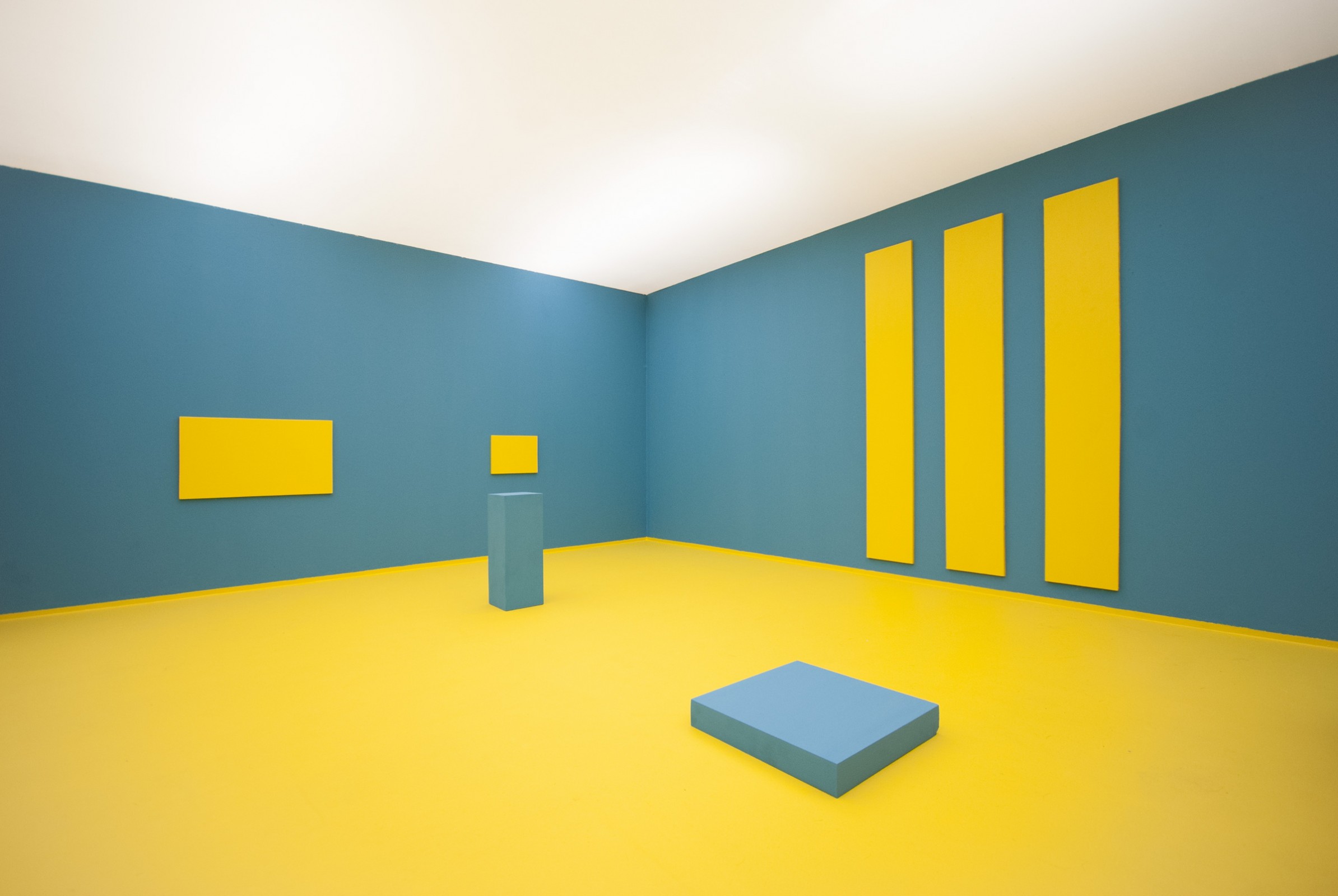
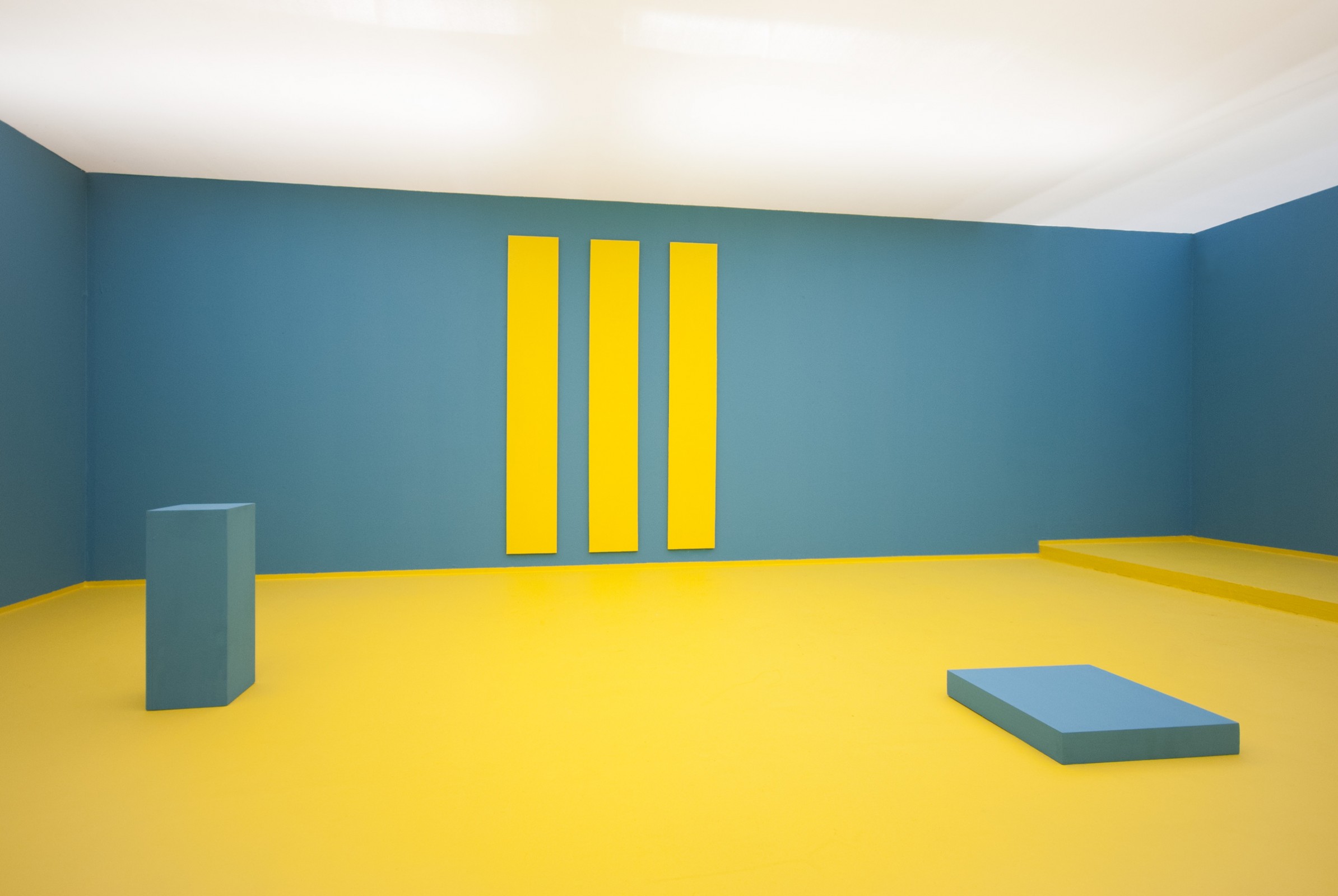
“The geometric forms McCracken employed were typically built from straight lines: cubes, rectangular slabs and rods, stepped or quadrilateral pyramids, post-and-lintel structures and, most memorably, tall planks that lean against the wall. Usually, the form is painted in sprayed lacquer, which does not reveal the artist’s hand. An industrial look is belied by sensuous color.

His palette included bubble-gum pink, lemon yellow, deep sapphire and ebony, usually applied as a monochrome. Sometimes an application of multiple colors marbleizes or runs down the sculpture’s surface, like a molten lava flow. He also made objects of softly stained wood or, in recent years, highly polished bronze and reflective stainless steel.

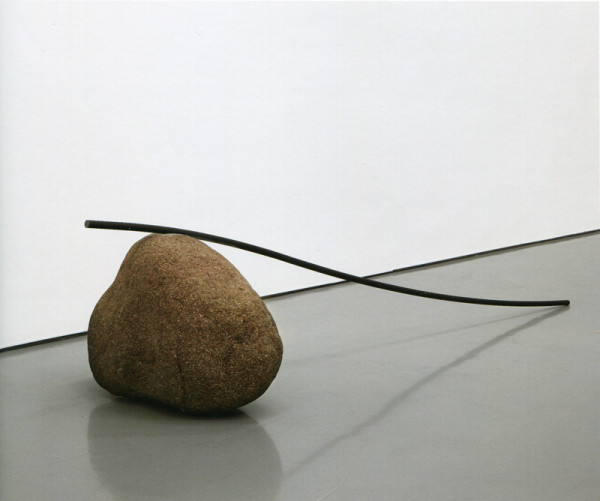
Embracing formal impurity at a time when purity was highly prized, the works embody perceptual and philosophical conundrums. The colored planks stand on the floor like sculptures; rely on the wall for support like paintings; and, bridging both floor and wall, define architectural space. Their shape is resolutely linear, but the point at which the line assumes the dimensional properties of a shape is indefinable.” – Christopher Knight, L.A. Times

John McCracken: Works from 1963-2011 is on exhibit at David Zwirner, New York through October 19th

Jordan Wolfson

Screen Shot 2013-09-15 at 3.14.46 AM
Screen Shot 2013-09-15 at 3.14.39 AM
Screen Shot 2013-09-15 at 3.14.28 AM
Screen Shot 2013-09-15 at 3.14.23 AM

Jordan Wolfson

Work from Animation Masks.

“‘Animation, masks,’ the 12-minute 29-second film that is the entirety of Jordan Wolfson’s New York gallery debut, has the hallmarks of a classic. It rejuvenates appropriation art through the incisive use of digital animation, achieving an intensity that rivets the ear and the eye while perturbing the mind.

Fluidly combining animation, photographs, clip-art and extraordinary color, this piece is like an exquisitely made Fabergé egg that explodes in your face. It contrasts various modes of representation, degrees of resolution and forms of aural communication (lovers’ pillow talk, poetry and song); implicates history and art history; and invokes several ethnic stereotypes.

Its only character is a jarringly stereotypical Shylockian Jew, with hooked nose, yarmulke, frizzed hair and beard and misshapen teeth, who is rendered in sleek high-definition animation (but only from the waist up). Sometimes benign, sometimes demonic, this gnomic cross between a Hasidic Woody Allen and a Semitic Yosemite Sam lip-syncs the sexy, whispered dialogue of a pair of young lovers that evokes the indie-film subcategory known as mumblecore, while executing repeated rap-music hand gestures.

Next, in a jump in D.I.Y. history, the voices of different people reciting Richard Brautigan’s 27-word, alone-and-happy “Love Poem” flow from his lips, its implications fluctuating with each speaker.

Meanwhile, images of largely white affluence abound. The Shylock character flips through recent issues of Vogue, whose crisp fashion spreads contrast with the grainy scenes that come and go behind him. Suggesting the rear-screen-projection and collage techniques of artists like Martha Rosler, Cindy Sherman and Laurie Simmons, these backdrops alternate lavish shelter-magazine interiors with decrepit loft building exteriors, à la Gordon Matta-Clark, conjuring SoHo’s mutation from artists’ haven to realtor heaven and, more generally, the rise of American materialism. Occasionally a succession of bright clip-art images flit across the character’s face, forming gorgeous masks that momentarily exoticize him.

Finally, he peers out over his magazine to the mellifluous strains of the great French crooner Charles Trenet singing his hit “La Mer.” His eyes turn soft, his mouth and beard are obscured. Suddenly he, too, has mutated, looking almost as sexy as the lovers sounded.

Mr. Wolfson, who specializes in film, installation and performance, is no stranger to mixing high and low culture, entertainment and social commentary. But he’s never pulled it off with such intellectual density or visual power, much less so perfect a balance of seduction and subversion. As the various parts of his explosive little film fly past, they are open to different interpretations but remain consistently sharp-edged and dangerous.” –

Loup Sarion

Loup Sarion-1925 Loup Sarion-1889 Loup Sarion-1911 LoupSarion-808

Loup Sarion 

“The artist soaked rags simple in resin in order to freeze the time. The use of basic household items highlight the concept of life domestic in contemporary art and refers to the artistic theme of the readymade Duchamp.” – Backlash Gallery

Joshua Citarella

Transfigurationjcitarella_lead_gold_600
jcitarella_installation 600


Joshua Citarella

Work from his exhibition at Higher Pictures.

“The contemporary means of image production unprecedentedly lend themselves to the transmutation of signs. RGB pixels are implicated as new prima materia delivering objects from the dim confines of materiality into omnipresent electronic radiance. A global network of images has transfigured all bodies and materials into exchanges of energy. The world is now transcribed through photography in order to be reconfigured with graphics-editing software and transformed into its ideal state. While this universal translation space now allows for an alchemical magnum opus, it has consequently democratized all materials transmuting lead into gold and vice versa. We lose sight of the interface and are carried away in the fervor of a transcendent promise fulfilled.” – Joshua Citarella

Jordan Tate

40_gamutwarning2
40_gamutwarning12
40_gamutwarning14
jt_newwork150-13_web

Jordan Tate

Work from Gamut Warning at Denny Gallery, opening reception Sunday, September 15th from 6-8pm.

“Denny Gallery is pleased to announce the first solo gallery exhibition in New York City of Jordan Tate, titled Gamut Warning and running from September 14 to October 20, 2013.

Jordan Tate’s work represents a shift away from the understanding of photography as mechanical reproduction and an acknowledgement of the image-maker as the mediator of sight. Tate explores process and practice in contemporary visual culture. His work is based in ongoing research/meta-photographic critique concerning the visual and conceptual processes of image comprehension.

The exhibition will include a selection of recent work by Jordan Tate, notably featuring New Work #150 (Gamut Warning), 2012. Gamut Warning consists of three distinct iterations: 24 color photographs, a large-run newsprint artist’s book, and a PDF e-book. He uses the different forms of image delivery to examine how images are created, produced and viewed. His work often focuses on the technologies and physical practice of making photographs. In Gamut Warning, for example, we see lights, color reference cards, human hands setting things up and arranging subjects, color gradients, slide holders and a machine vision camera. The works in the exhibition question the institutional authority behind our understanding of images and suggest that authorship, medium and context, rather than the reality of an image’s referent, have the greatest influence on what we understand from an image.” – Denny Gallery

Virginia Poundstone

30_VP_2013_0530_VP_2013_02
Screen Shot 2013-09-10 at 8.39.48 PM
Screen Shot 2013-09-10 at 8.41.22 PM
Screen Shot 2013-09-10 at 8.42.02 PM

Virginia Poundstone

Work from her oeuvre. Poundstone also has an exhibition opening Friday @ Kansas. While the text below is not related to the show, based on what little I have seen of her upcoming show, some content can be traced back to the work discussed below.

“… the back gallery, the American artist’s installation combines industrial and handmade processes to produce a constellation of discrete sculptures that reference nature photography, the floral still life and ceramic arts. These works figure into Poundstone’s larger exploration of “illiquid” goods, which depend on arbitrary systems of valuation to sustain market worth. By tracing a history of the flower from its role in the first economic bubble (Tulipomania in 17th Century Holland) to its contemporary trade, Poundstone produces a microcosmic study of global commerce and of the increasing administration of the natural world…” – text from Illiquid at Harris Lieberman.