Constant Dullaart

Dullaart-Jennifer-in-Paradise-12OCEAN

Constant Dullaart

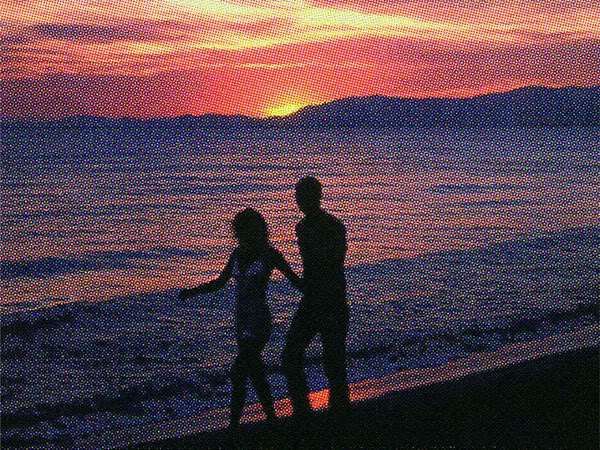
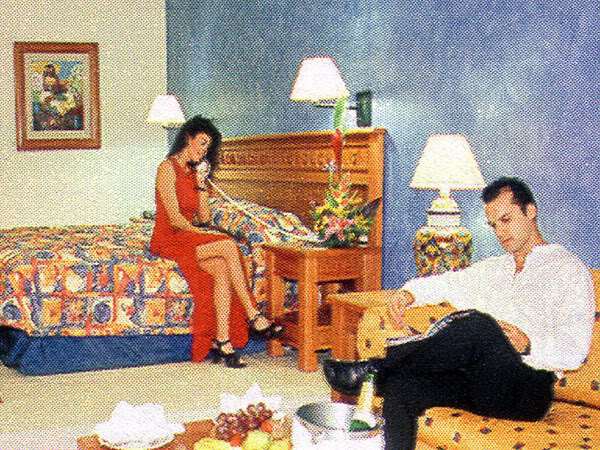
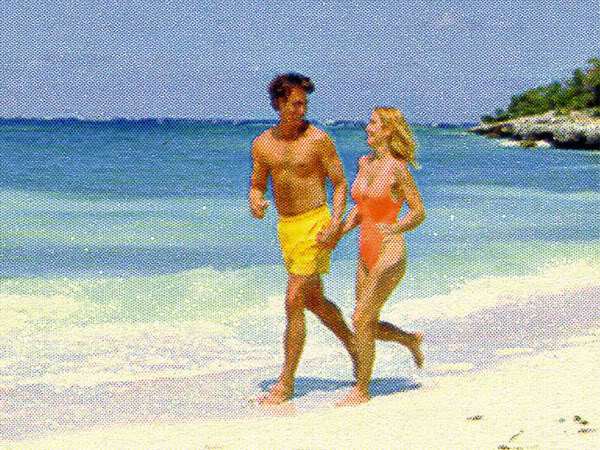
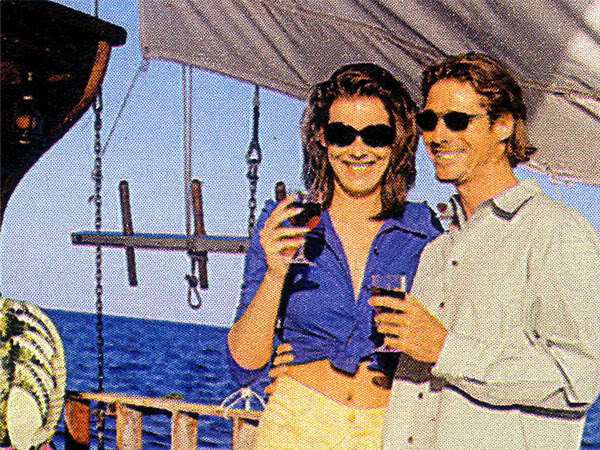
Work from Jennifer in Paradise. The letter below was posted on Rhizome.


Dear Jennifer,

Sometime in 1987, you were sitting on a beach in Bora Bora, looking at To’opua island, enjoying a holiday with a very serious boyfriend. The serious boyfriend, John, took a photograph of you sitting on the beach, not wearing your bikini top. John later became your husband and father to your children Sarah, Lisa, Alex and Jane.

This photograph of a beautiful moment in your personal history has also become a part of my history, and that of many other people; it has even shaped our outlooks on the world at large. John’s image of you became the first image to be publicly altered by the most influential image manipulation program ever. Of course, this is why I know the names of your children, and this is also why I know about the cool things you do trying to get a .green top level domain name to promote environmental sustainability. (Although, personally, I believe that the importance of the domain name has been reduced to a nostalgic, poetic value).

I still wonder if you felt the world change there on that beach. The fact that reality would be more moldable, that normal people could change their history, brighten up their past, and put twirl effects on their faces? That holiday image was distributed with the first demo editions of Photoshop, and your intimate beach moment became the reality for many people to play with. Two Jennifers, no Jennifer, less clouds, etc. In essence, it was the very first photoshop meme—but now the image is nowhere to be found online.

Did John ask you if he could use the image? Did you enjoy seeing yourself on the screen as much as he did? Did you think you would be the muse that would inspire so much contemporary image making? Did you ever print out the image? Would you be willing to share it with me, and so, the other people for whom it took on such an unexpected significance? Shouldn’t the Smithsonian have the negative of that image, not to mention digital backups of its endless variations?

All these questions have made me decide to redistribute the image ‘jennifer in paradise’ as well as I can, somewhat as an artist, somewhat as a digital archeologist, restoring what few traces of it I could find. It was sad to realize this blurry screen grab was the closest I could get to the image, but beautiful at the same time. How often do you find an important image that is not online in several different sizes already?

I have two exhibitions opening this coming Saturday in Berlin, Germany. Both of them are called Jennifer in Paradise. And you, or at least your depiction, play a central part in these exhibitions. A faint, blurry, pixelated focal point. To celebrate the time that you were young, and the world was young, as it still naïvely believed in the authenticity of the photograph.

Sometimes, when I am anxious about the future of our surveilled, computer-mediated world, when I worry about cultural imperialism and the politics behind software design, I imagine myself traveling back in time. just like the Terminator, to that important moment in technological world history, there on the beach in Bora Bora. And just sit there with you, watching the tide roll away.

Sincerely,

Constant Dullaart


“Jennifer in Paradise is a multiplatform exhibition that will take place simultaneously across physical and online environments. Material venues include Future Gallery and Import Projects. Constant Dullaart’s work explores contemporary modes of access, visibility and (mis)representation associated with global spread of information technologies. The title of this show by the Dutch artist references the first ever photoshopped image, Jennifer in Paradise [1]. Along with online transparency, hidden information and the multi-tiered infrastructure of the web, it is a catalyst for Dullaart’s meditations upon the act of translating between human and machine, image and code, part and whole.

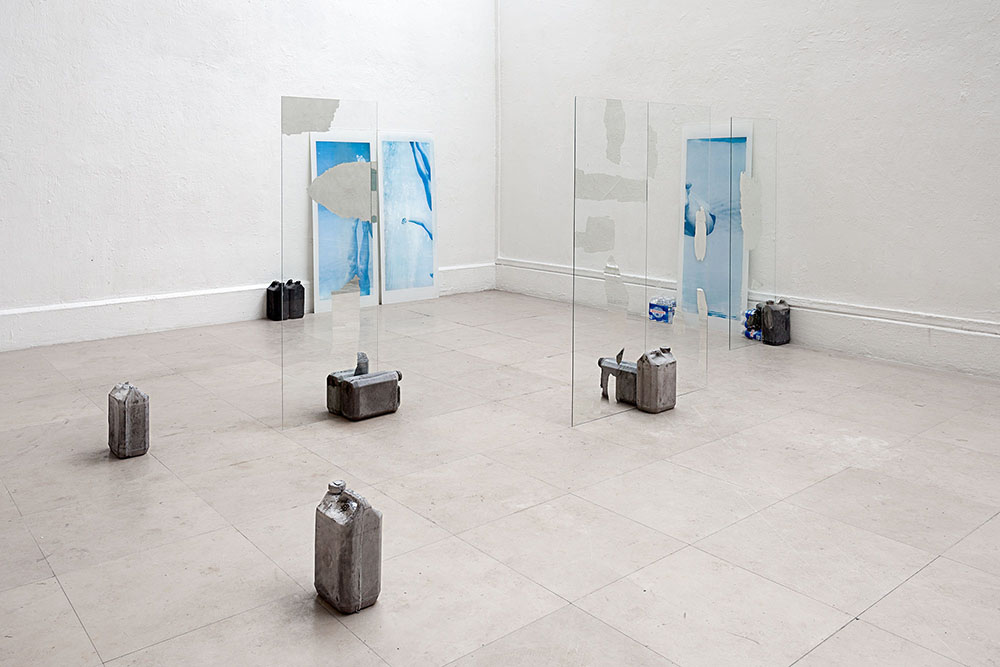
Most commonly used window glass, also known as float glass, has a light green shimmer in it due to the iron in the sand used in its production. Window glass produced prior to the 1950’s, before Alastair Pilkington developed the first industrially produced float glass, will slightly deform reality due to its irregular thickness. In our computer mediated reality, the perception of life through algorithms and filters does not only offer a distinctly expanded experience of life, enhancing our daily agency as if it was on steroids, but also carries various kinds of cultural deformations.

The deformation or distortion of information caused by its mode of communication, which is commonly accepted as medialization, could easily be compared to the deformation of reality whilst looking through glass. Perhaps this is why the analogy of ‘windows’ is commonplace within the computer environment. Everyday we look through different windows online. We have windows looking into our machine, and windows looking outwards, to the Internet. Google’s algorithms give us a different view on reality, or its representation, then for example Baidu (Chinese search engine). Keeping with the analogy, both are windows, with perhaps different types of ‘algorithmic’ glass. Each with a different way of structuring information, with political and commercial motives, shaping the way we look at information on the web. Selecting information for us by way of secret formulas, therefore tinting and shading our online social contacts, or research.

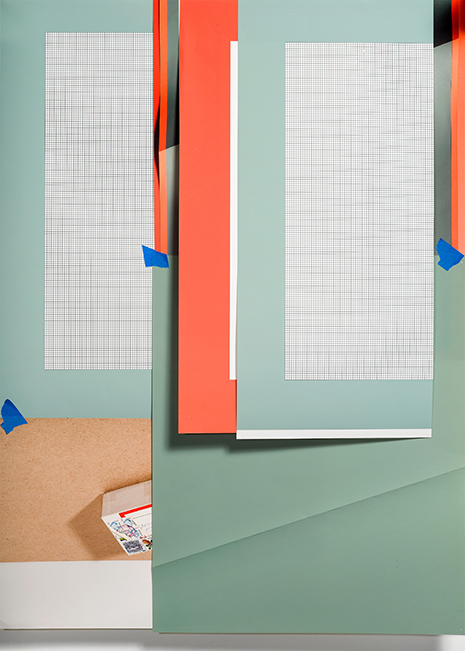
For this exhibition Dullaart presents a new body of glass works, which derive from the 2012 piece http://untitledinternet.com/. When clicking on the website one is taken directly to the Google search page, only there is an distinct brush stroke or sketch like overlay that masks certain parts of the visible information. These randomized filters, created and imposed by the artist, dramatically change the visual landscape of surf experience. The website can be seen as a comment on the way Google displays information, by obscuring the search giant’s web page, while simultaneously turning the entire web into a painted collage. In these new pieces Dullaart abstracts compositions of the filtered images via screenshots. In essence, photographing the web as seen through a dynamic overlaid filter. These images are then UV printed directly onto glass. The white aspects of the image remain unprinted and transparent. Dullaart has also taken the inverse approach by having similar brush stroke like gestures sandblasted or carved directly into sheets of glass. Here we have artifacts of digitally imposed filters made manifest through their visual blockages in transparency.” – Future Gallery

[1] Jennifer in Paradise is the name of the first picture ever to be photoshopped. Taken by John Knoll, co-creator – along with his brother Thomas – of the now ubiquitous software, it depicts his girlfriend on a tropical beach. The image was digitized by Kodak in 1987 and supplied with early versions of the program. Though initially ubiquitous, it has since become harder to track down. For the online component of this exhibition Dullaart is redistributing a version that contains a steganographically encrypted payload.

Cerith Wyn Evans

Schirn_Presse_Secret_Societies_Wyn_Evans_Acephale_2001_View_01Cerith_Wyn_Evans
2057.13839.banner
12858_artwork_detail

Cerith Wyn Evans

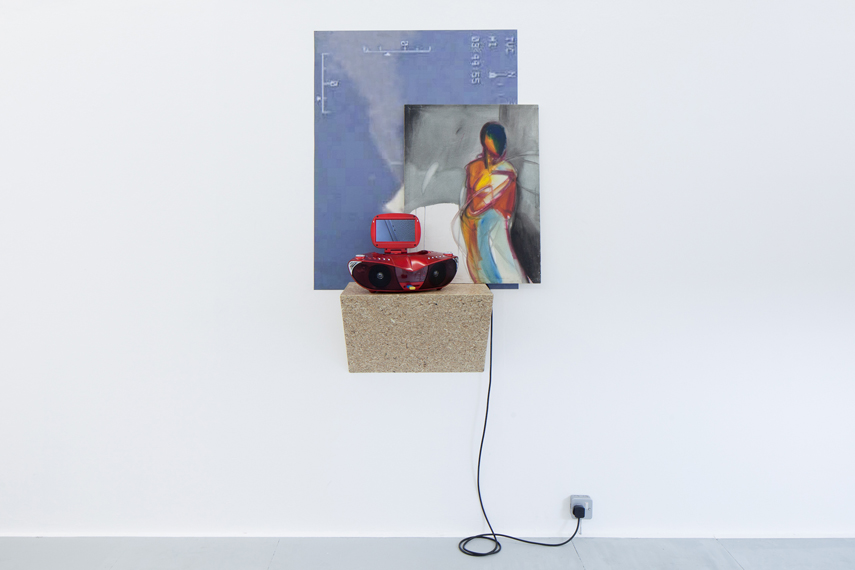
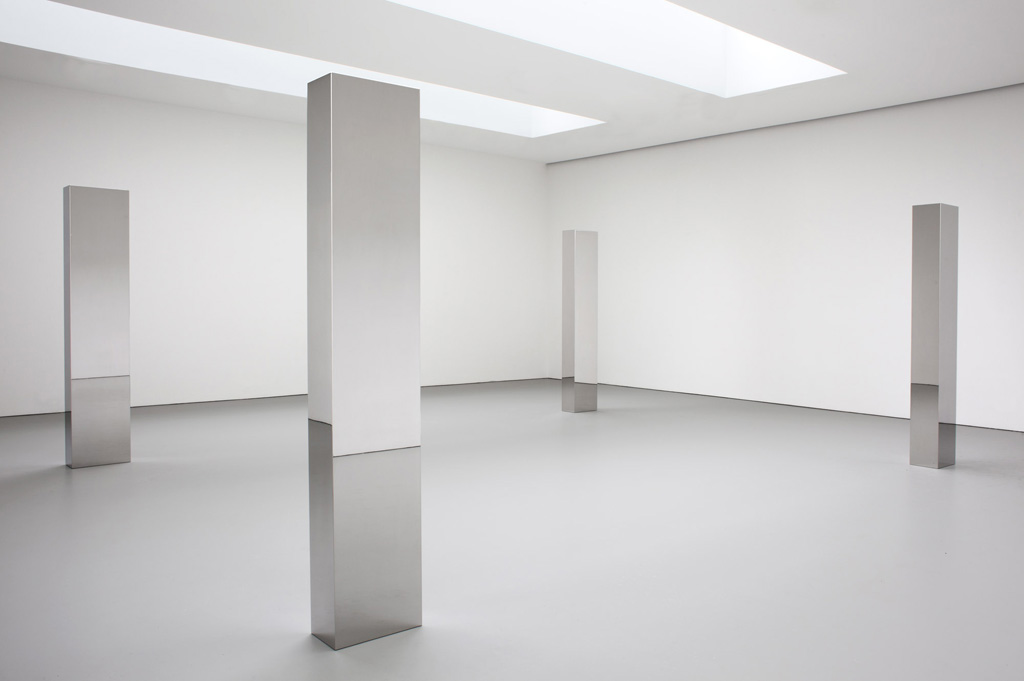
Work from his oeuvre.

“Although Wyn Evans moved to sculpture and installation in the early 1990s, the influence of film remained strong on his work.[3] Most of the artist’s work stems from his strong interest in language and communication, often using found or remembered texts from film, philosophy or literature combined with a clean aesthetic.[4] Writing in Frieze, in 1999, Jennifer Higgie said: “Wyn Evans’ use of repetition and elliptical meaning indicates endless possible readings his choice of a quote replete with both classical and personal implications placed at the junction of earth and sea nods to Platonic ideas about renewal, while the decaying beach reflects a more negative image of repetition as a kind of dead end, a form of stasis.”[5]” – Wikipedia

Everything Is Anything Else

tumblr_mr6p06EVjo1sp3iy8o1_1280
tumblr_mr6oy1mNxT1sp3iy8o1_1280
tumblr_mr6ozaXjou1sp3iy8o1_1280
tumblr_mr6ov7u2341sp3iy8o1_1280

Everything Is Anything Else (Jason Lukas, Zach Norman, and Aaron Hegert)

Work from their current Exhibition at the Mt. Comfort Gallery in Indianapolis, on view until September 21.

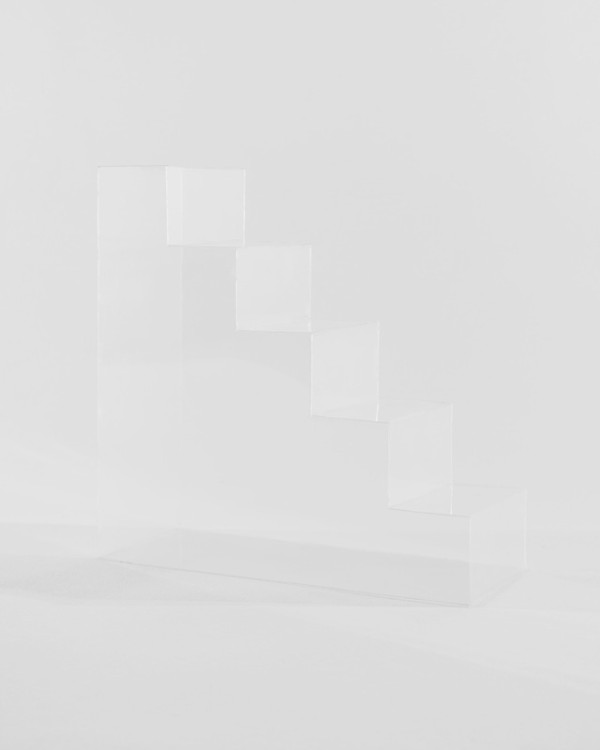
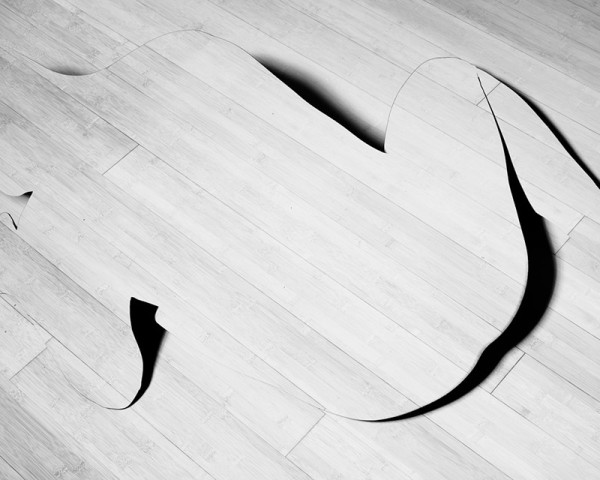
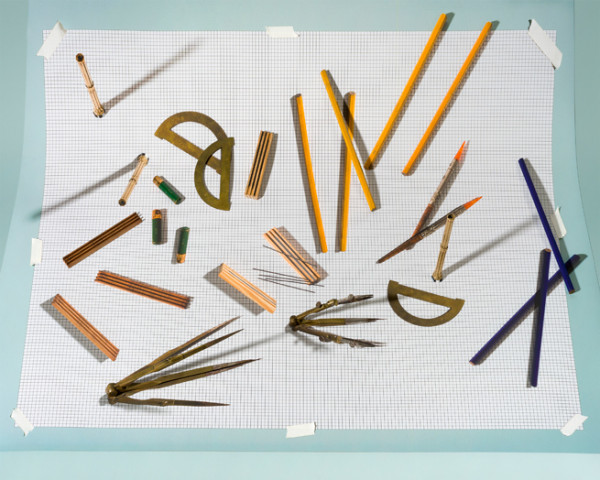
“EVERYTHING IS ANYTHING ELSE proposes the camera’s true muscularity is not in its ability to inform, but rather in its ability to redirect, transform, and diffuse the meanings and associations cloaking the physical matter of the banal world. Utilizing a cyclical structure of collaboration, EVERYTHING IS participates in a collective process of response and re-interpretation. Rather than considering the photographic “document” as stable and descriptively conclusive, the images propose questions, relationships, and a new language of associations separate from the subject matter’s original cultural and practical context. The visual matter describes a conflict of plausibility, through a simultaneous reference to both digital augmentation and the mystery of plain sight. Through a rigorous examination of the visual matter in question, the photographers have elevated the objects and surfaces to a level of scrutiny not normally afforded to physical manifestations of the mundane world. The result of this investigation is a canceling or emptying out of meaning, where the viewer is encouraged to enter into this ongoing conversation, and consider the shifting implications of our shared, perceptual existence. ” – Everything is Anything Else

James Bouché

1_Springsteen_Gallery_James_Bouche_Not_Yet_In_Ruin_11-1052x700 1_Springsteen_Gallery_James_Bouche_Not_Yet_In_Ruin_6-1052x700 1_Springsteen_Gallery_James_Bouche_Not_Yet_In_Ruin_16-465x700 1_Springsteen_Gallery_James_Bouche_Not_Yet_In_Ruin_10-1052x700 1_Springsteen_Gallery_James_Bouche_Not_Yet_In_Ruin_17-465x700 1_Springsteen_Gallery_James_Bouche_Not_Yet_In_Ruin_12-1052x700

James Bouché

Work from Not Yet In Ruin

“Throughout history, man has erected monuments to stand as physical manifestations of memories and ideals. They are constructed with the notion that so long as they stand, what they represent will not be forgotten. This work studies the formal structure and ominous presence these objects and spaces have when they are stripped of their familiarity and purpose.”

via Springsteen

Thomas Galler

DF-ST-84-05994
8441d1bcd11dc04593b7917bfedcc62a
127_brightstarfotodoks2
117_sunsets3sic
117_sunsetatthepresidentialpalacebaghdad

Thomas Galler

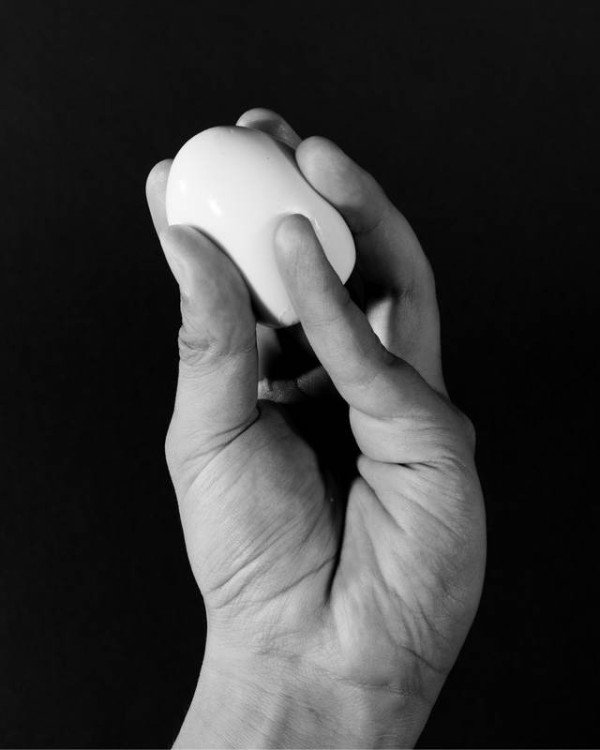
Work from Sunset Series / Bright Star at Hauser Gallery. Note for above images: Bright Star (first three images) precedes the Sunset Series (last two images).

“”There is nothing quieter than a loaded canon.” – Heinrich Heine

In his picture set, “The Sunset Series”, Thomas Galler juggles expertly with the products of the media age, creating new contextual settings by making invisible the core topics i.e., the war in Afghanistan and in Iraq. The chosen topics are snapshots of sunsets that throw up questions about longings, beauty, joy and time. The fact that the images are known to have been taken by soldiers, lends this aspect another weighting more reminiscent of the feeling of “calm before a storm” or “every day could be your last”. Despite the abstinence of war and time the images remain important documentary evidence both for world history and the history of every individual.

Galler’s work series “Bright Star” presents a collection of images depicting a formation of Egyptian and U.S. fighter jets flying over the pyramids of Gizeh. The conflict between Egypt and Israel, and the Camp David Peace Agreement are cited as the historical context. By way of stark contrast Thomas Galler had the subjects printed on postcards and distributed in Cairo. Placing jets deployed in military action in a touristic setting attests to the artist’s ironic treatment of forms of representation, but also calls into question societal norms and their controlling by the media presence.

Both bodies of work involve a shifting of meanings by altering the context or creating new ones. And by experimenting with reproduction and placing in new contexts Galler lets the observer explore new perspectives. This and his moving the topic of war into the context of art is simultaneously experienced as irritating and fascinating. Galler avails himself of a socially occassioned, thought-provoking voyeurism, which can prompt a new way of observing and exploring issues.” – Graziella Kuhn

Kraftwerk

815079
815077
kraftwerk-2
1040819

Kraftwerk

Work from 1 2 3 4 5 6 7 8 @ Spruth Magers.

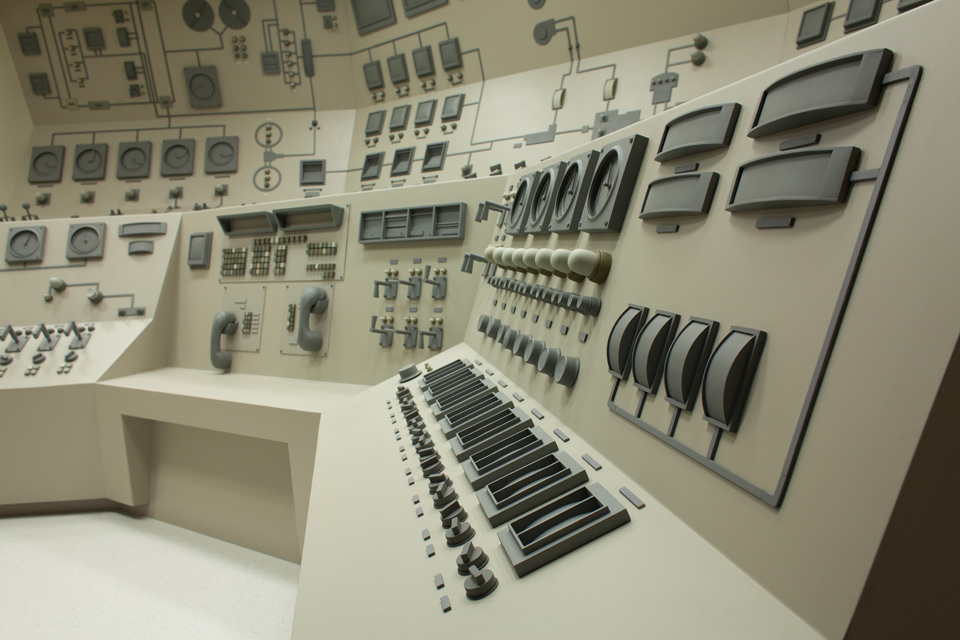
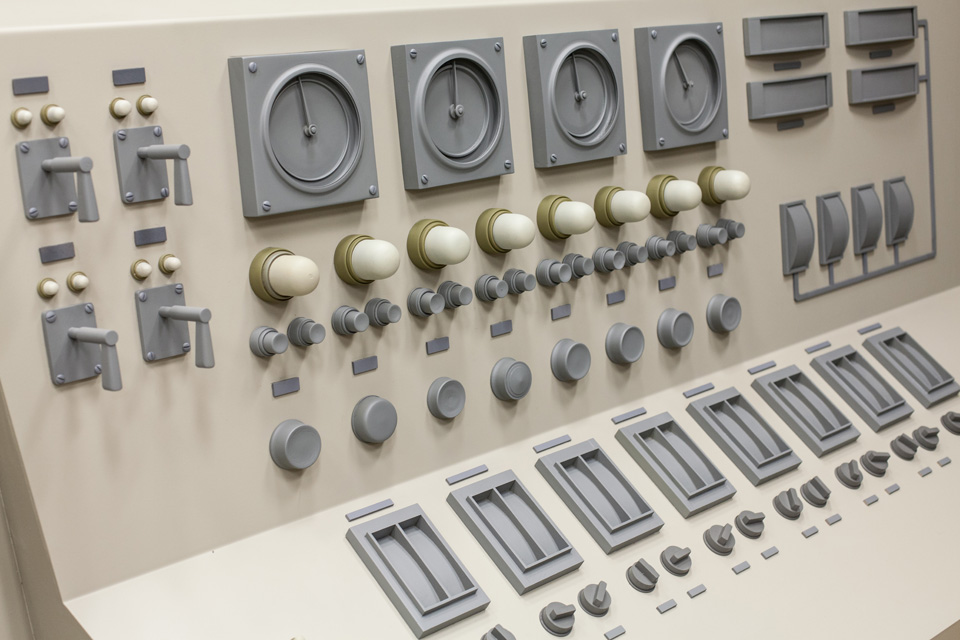
“Monika Sprüth and Philomene Magers are pleased to present the first solo exhibition of Kraftwerk in Berlin. On display is a 3-D video and sound installation entitled 1 2 3 4 5 6 7 8 specifically developed by Kraftwerk in 2013. The title refers to the works from The Catalogue ― 1 Autobahn (1974), 2 Radio-Activity (1975), 3 Trans Europe Express (1977), 4 The Man-Machine (1978), 5 Computer World (1981), 6 Techno Pop (1986), 7 The Mix (1991), 8 Tour de France (2003).

The multimedia project Kraftwerk was founded in 1970 by Ralf Hütter and Florian Schneider within the experimental art scene of the late Sixties in Düsseldorf. They set up their legendary electronic Kling Klang Studio where they composed and produced all the groundbreaking Kraftwerk albums. Numerous live performances took place during that time in museums and galleries of the surrounding Rhineland.

Kraftwerk are considered to be pioneers in electronic music and an endless source of inspiration for a wide range of musical genres: from Electro to Hip Hop, from Techno to SynthPop. They have made musical history and achieved recognition all over the world for more than four decades now. Kraftwerk created the soundtrack for the digital age of the 21st century. Since their beginnings in the early Seventies they worked with the latest achievement of modern technologies, produced revolutionary electronic “sound paintings” and experimented with synthetic sounds, voices and automatic mechanical rhythms. They composed sound poetry with highly reduced-condensed texts and programmed their robot image as an expression for the theme of a world dominated by machines and computers.

Right from the start, Kraftwerk regarded their concert performances as complete audio-visual events. The Kraftwerk sound and image has been a long-term influence not only in music, but also in the world of contemporary visual art. Texts, style, and media-reflective strategies incorporated the themes and issues of the information era, namely the interaction between men and machines.

With the concert appearance at the Biennale di Venezia 2005, Kraftwerk returned full circle to their sources in the art world. The multimedia presentations of Kraftwerk are considered to be a unique form of artistic performance in the context of contemporary art. With a 3-D video installation at the Kunstbau / Lenbachhaus in Munich (2011), and the 3-D concert series 1 2 3 4 5 6 7 8 at the MoMA in New York (2012), the Tate Modern in London (2013), and the Kunstsammlung NRW in Düsseldorf (2013), they have set new tones in the institutionalized context of museums.

For their first gallery exhibition at Sprüth Magers Berlin, Kraftwerk have arranged a special new 3-D installation with synchronised images and sounds. ” – Spruth Magers

Pablo Valbuena

8_timetilings[stuk]_pablovalbuena_19_web7_chrono-graphy_pablovalbuena_22_montse_web

7_chrono-graphy_pablovalbuena_23_montse_web

Pablo Valbuena

Work from his oeuvre.

“Pablo Valbuena is a visual artist with an architectural background. Born in Spain and currently based in the south of France (Toulouse).

He develops artistic projects and research focused on space, time and perception.

Some key elements of this exploration are the overlap of the physical and the virtual, the generation of mental spaces by the observer, the dissolution of the boundaries between real and perceived, the links between space and time and the use of light as prime matter.

These ideas are mostly developed site-specific, formulated as a direct response to the perceptual qualities, physical conditions and surrounding influences of a certain location or space.” – via pablovalbuena.com

Dread Pirate Roberts

Since May 1, ilikethisart has been operating with an experimental format, and many of you have noticed monthly aesthetic/topical shifts in the works posted. I want to take this opportunity to thank the previously anonymous (or at least unannounced) contributors that have kept the site running since May.

First and foremost, I would like to thank Wyatt Niehaus (May) and Jacob Riddle (July) – both of whom are longstanding editors/contributors. Jacob and Wyatt have been helping with ilikethisart since 2010, and have yet to be acknowledged for their continued efforts.

Additionally, I would like to extend my sincere thanks to Justine Ludwig (June) and Nicholas O’Brien (August) for their contributions in their respective months, and for sharing work that likely would have been otherwise overlooked.

As of today, we will return to the original format with posts from myself, Jacob, and Wyatt. Again, I want to thank everyone for their involvement and support.

Noam Rappaport

NR_1

NR_2

NR_3

NR_4

Noam Rappaport

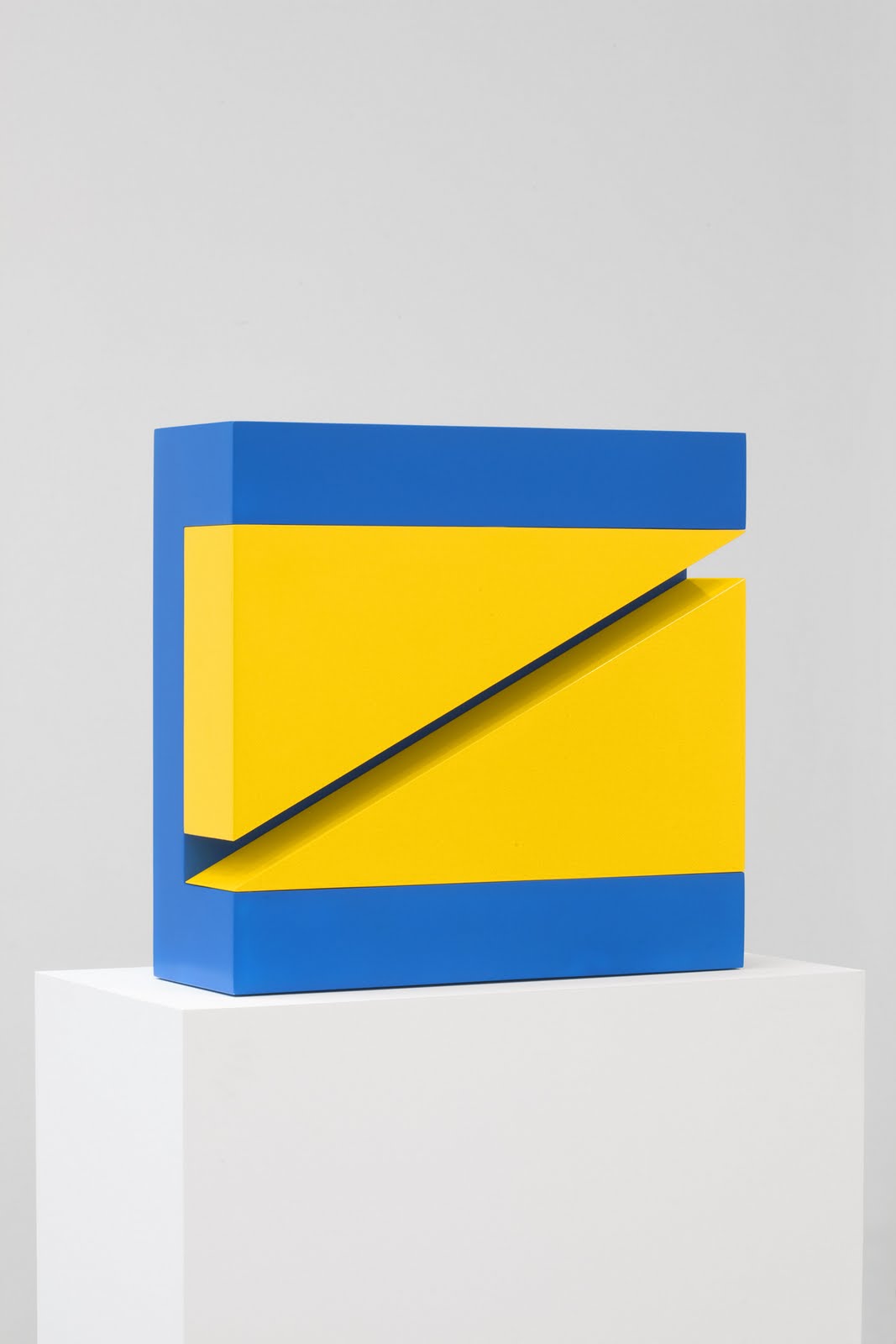
From top to bottom: Installation View at ATM Gallery, NYC (2008), 2×6 and Yellow and Blue (2010), Right Face  (2009), Installation View at Ratio 3 San Fransisco  (2013)

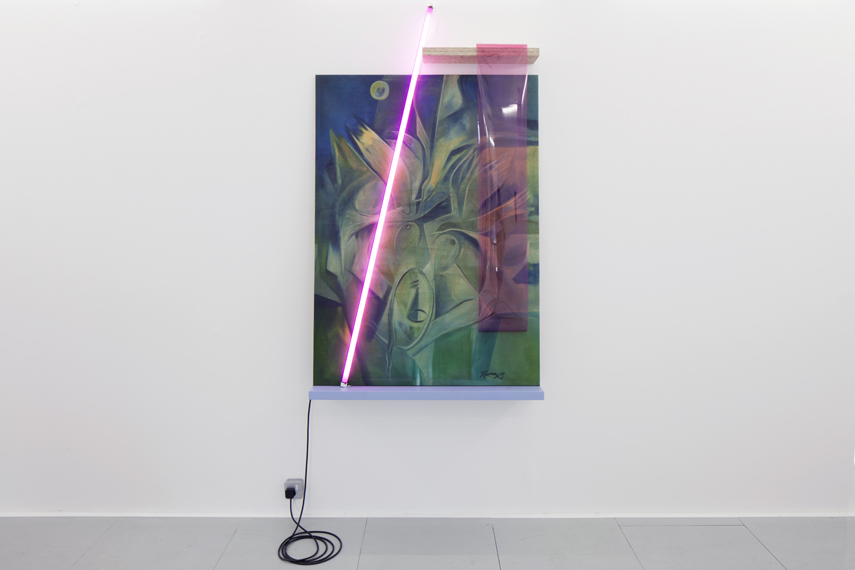
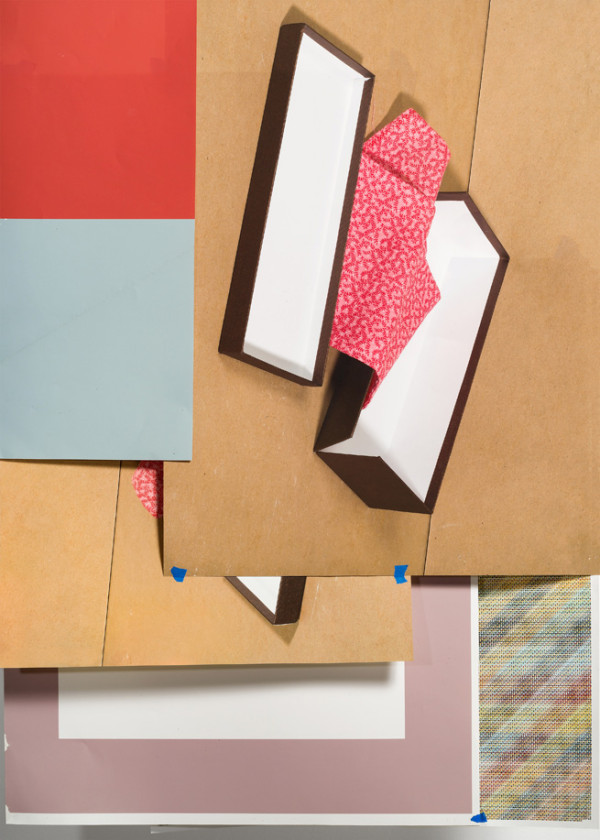
“Each detail in the eight works on view here—all part of Noam Rappaport’s debut show at James Fuentes—is remarkably self-possessed. By detail, I mean a dash or dab of paint; a single, slender line; a shred of gauzy fabric; or a spare, perfectly formed geometric shape, often cut a half an inch or so into the canvas. Rappaport is economical with such elements—in all the pieces here except one, there are never more than one or two, three at most—an artistic decision that keeps his works subtle and soft. In Greens (all works 2012), a reed painted hot purple swoops over thick swipes of pine and seaweed hues, cuts across a recessed ecru circle, and catapults the piece into an interim space somewhere between sculpture and painting. Likewise, the fulcrum of Untitled is a most lissome line of electric green, dividing fields of mint and cream-colored paint, both neatly tucked into orderly rectilinear forms.

Collection #8 (Victory Cap) is the anomaly, possessing not one but a plethora of details, all tiny objects stodgily tacked to a panel in neat rows—each a speck, a scrap, an abbreviation of some greater whole, a piece of linen, a block of wood, a sheet of paper, a fishing line—that, as abbreviations, teem with a certain confidence: Elision is enough. After all, the dynamism (and beauty) of art like Rappaport’s—and that of the rtistic giants he’s so frequently linked to, such as Richard Tuttle and B. Wurtz—hinge on the smallest of details: that line of bright lime which ever so subtly creeps along those vast plains of cream and mint. All of which makes Collection #8 (Victory Cap) especially revealing among this suspiciously post-Minimalist array of works—and Rappaport’s artistic practice as a whole—as it acts like a sort of treasure chest of suggestions, an archive of potential endings, each particle dangled like precious stock in a market, as if to say I can complete you.” Whether or not Rappaport is an artist’s artist (and the question is well worth considering), his works gently insist that confidence requires no more than a whisper.”

-Allese Thomson Baker for Art Forum

Christopher Meerdo

CM_3

CM_1

CM_2

CM_4

Christopher Meerdo

From top to bottom: Hveragerði (2013), Cipher (2011), Dark Data (2013), Sine Qua Non (2012)

“Interested in the evasive nature of photography, Christopher Meerdo utilizes photography, video, and installation to act as a mediator between memory and constructed reality. Through addressing political issues as well as confronting his own personal narratives, Meerdo creates visual representations of seemingly inaccessible information that examine perception, permanence, and entropy.

For Sine qua non (2012), Meerdo takes an opposite approach. Rather than restoring damaged photographs, he instead uses destruction as the process to create new images. Realizing the ephemeral disposition of digital technology, he spent the summer of 2011 using a camera manufactured in the 1990’s to photograph the sun thousands of times over. Through the process, the camera’s sensor eroded, leaving it incapable of photographing representational images and instead only able to record its own deterioration. Meerdo then printed these images in the order in which he took them, so that the viewer can see how the images change as the sensor erodes.

Continuing to explore how photography can aesthetically contextualize abstract information, Meerdo sources an encrypted 1.5 gigabyte file released for a short time on WikiLeaks, an anonymous activist website. Created by the site’s founder, Julian Assange, the file is intended to act as insurance in the event that Assange or WikiLeaks is ever jeopardized. Until Assange releases the encryption key, what is truly contained in the file, titled insurance.aes256, is ultimately unknown. Through data processing, Meerdo transforms the amorphous and essentially non-existent raw binary data of the file into a black and white image. He then prints the image in its entirety on an uninterrupted 100” x 350” piece of paper to show the scale of information included in the file, as well as inside handmade envelopes that recall patterns of security envelopes. Similarly, Chinga La Migra (Fuck the Border Patrol) (2011) sources 700 classified documents from the Arizona Border Patrol through teenage ‘hacktivist’ groups, whose intents include generating disorder on the Internet. Using the documents’ binary data, Meerdo converted the 1’s and 0’s into the RGB color spectrum–thereby exposing the documents through visual interpretation. Through creating corporeal visualizations through aesthetic interpretation, these two series both examine the idea of hidden data and the artist’s obsession with the unseen.”

-Excerpted from The Museum of Contemporary Photography