Namwoo Bae

7567693df441333cb388a80c90c90b31 b53363fb4e8177c932d9c4d1d43d4984 453d2094a4e9de762138f7704af6cc9e 056acd5bde3cbabcdbb2a79517e87848
[soundcloud url=”http://api.soundcloud.com/tracks/71183308″ params=”color=ff6600&auto_play=false&show_artwork=false” width=” 100%” height=”166″ iframe=”true” /]
[soundcloud url=”http://api.soundcloud.com/tracks/71184185″ params=”color=ff6600&auto_play=false&show_artwork=false” width=” 100%” height=”166″ iframe=”true” /]
[soundcloud url=”http://api.soundcloud.com/tracks/83322279″ params=”color=ff6600&auto_play=false&show_artwork=false” width=” 100%” height=”166″ iframe=”true” /]

Namwoo Bae

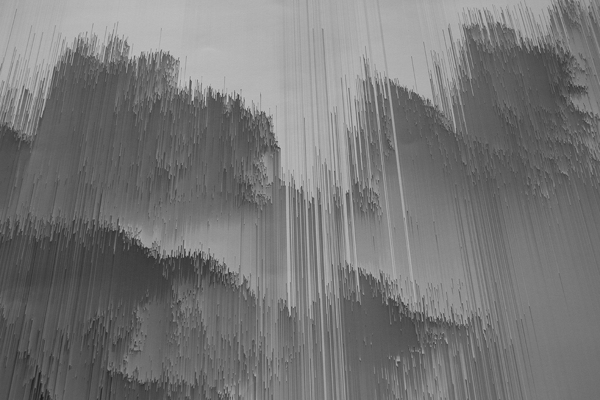
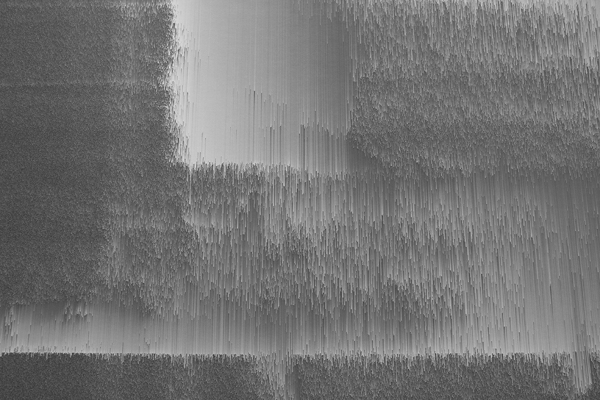
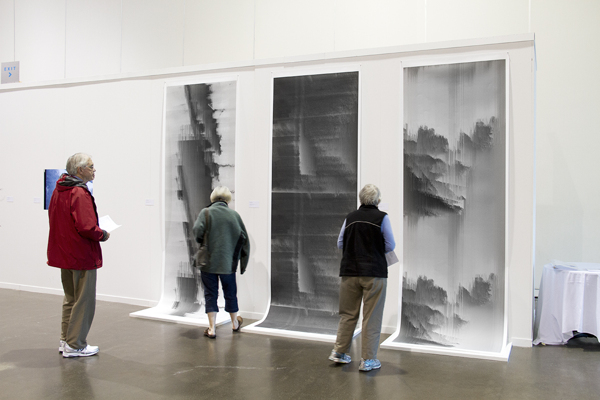
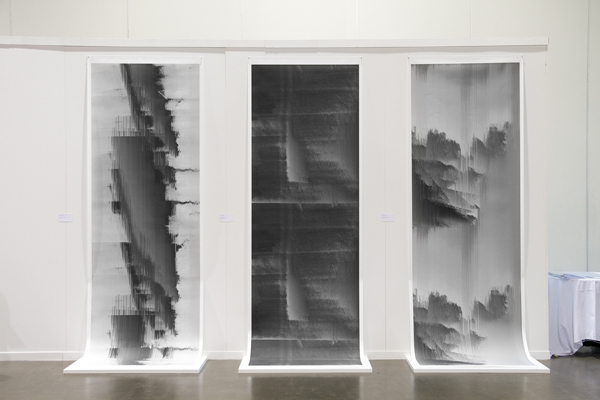
Work from The Curtain

“The Curtain is an experimental RAW data visualization. Through the cross over editing with raw data, like image editing with Audacity, I was able to get heart beating sound tracks from the original photographs. Then I printed the sound tracks out as digital still images.” –Namwoo Bae

Adam Broomberg & Oliver Chanarin

89_framed-01 89_framed-02 89_framed-03 93_brchinstalljan201218

Adam Broomberg & Oliver Chanarin

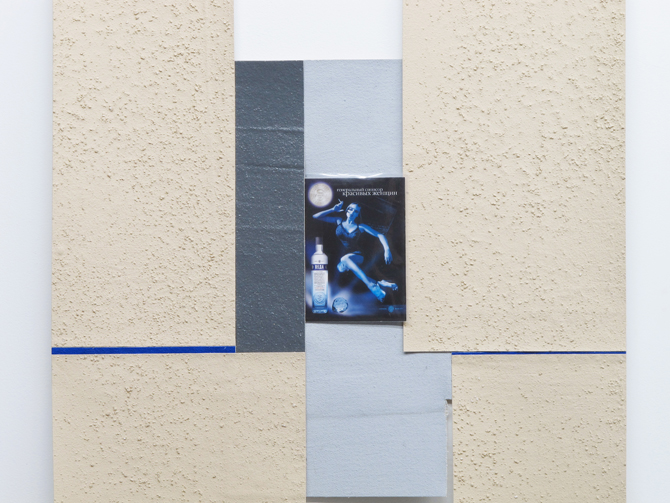
Work from Portable Monuments

“Portable Monuments continues the artists’ preoccupation with Brecht’s remarkable 1955 publication War Primer. Using a series of coloured blocks as a lexicon, Broomberg and Chanarin have developed a code that – like Brecht’s poems – has become a methodology for interrogating and deconstructing photographic press images. Their code has evolved through a series of workshops and is designed to function as a pedagogic tool. Each workshop is a collaborative effort to refine the code. The assemblages shown here are the results of these debates.” –Adam Broomberg & Oliver Chanarin


Darja Bajagić

darja9sm darja2sm darja4sm darja10sm darja6sm darja12sm

darja11sm

Darja Bajagić

Work from You Ve Been A Naughty Boy [C55]
1.e4 e5 2.♘f3 ♘c6 3.♗c4 ♘f6 4.d4 e×d4 5.0-0 ♗c5 6.e5 d5 7.e×f6 d×c4 8.♖e1+ ♔f8 9.♗g5 g×f6 10.♗h6+ ♔g8 11.♘×d4 ♗×d4 12.c3 ♗f5 13.c×d4 ♘×d4 14.♘c3 ♗g6 15.♖e8+! ♕×e8 16.♕×d4 ♕e5 17.♘d5!!, 1-0

at Appendix Project Space

“Book Excerpt:

Female Diversion. Unavoidable. Close the Door. No Hesitation at all Give him a move How does a Queen beat a Rook? Transatlantic Flight Morphy’s Immortal Game Pawn Block Unfortunate Mishap. All about 1. e4 e5 2. Nf3 f6? Patience Pays. The Philidor Position in R+P vs. R. A useful technique called Enfilade.

Kramnik in Top Form Go home early Miracles almost happen. Two rooks vs one. Energetic Teamwork Caught from all Sides Invincible Rook Only precision wins Take the initiative Try to go home early Don’t die Poisoned. Believe in Yourself. Can Mate in One be Tricky? Del Rio Theme Fritz 10 Teaser. A Magnificent Royal Tango Solve this Miniature

Remember Saavedra? The weak link. Don’t hurry. Think! A Lesson in Geometry How to Solve a Difficult Study B + N vs. K Pure Pawn Masterpiece The Prodigal Son She can’t hide A Strategy Master Class Logical Retro.

Philidor in the R+B vs. R Surrealistic Cavalry A Tough Nut to Crack

it will be clarified in it (in the book) the way the game goes, the basic rules and the more detailed and advanced settings, and there will be various chapters from the beginning of the a game till the end, scenarios, great games (44 complete settings, 91 *something* check), analysis of their moves, tricks and plots. All of it brought by great Alfans Pan (** it’s a name of a person. The name is how I read it. maybe will be written differently) and compiled from other books and educated chess players (** really guessing about *chess players*) in this war of check” –Darja Bajagić

Shinseungback Kimyonghun

install1main

Shinseungback Kimyonghun

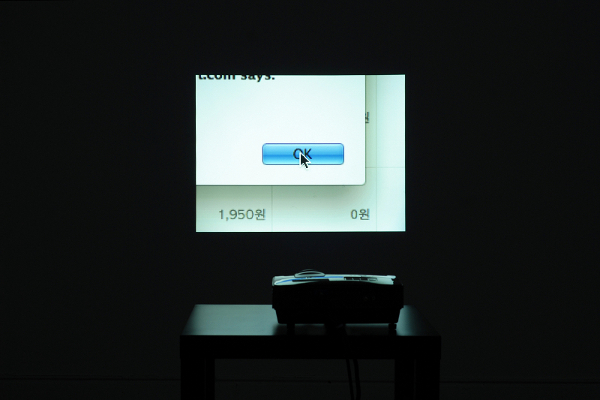
Work from Click

“Shinseungback Kimyonghun is a Seoul based artist group consisting of Shin Seung Back and Kim Yong Hun. Their collaborative practice explores expanding area of imaging and vision using image processing and computer vision.

How do we record the computer mediated lives of ours?

Open, Move, Log In, Select, Copy, Save, Quit… Mouse click symbolizes a special moment in time we spend with computers. A day of my computer mediated life had been recorded by capturing a screen shot of my desktop every time I clicked.” –Shinseungback Kimyonghun

Akihiko Miyoshi

_7845789582 _1292471010 _0194230029 _9558958754 053012c

Akihiko Miyoshi

Work from Abstract Photographs

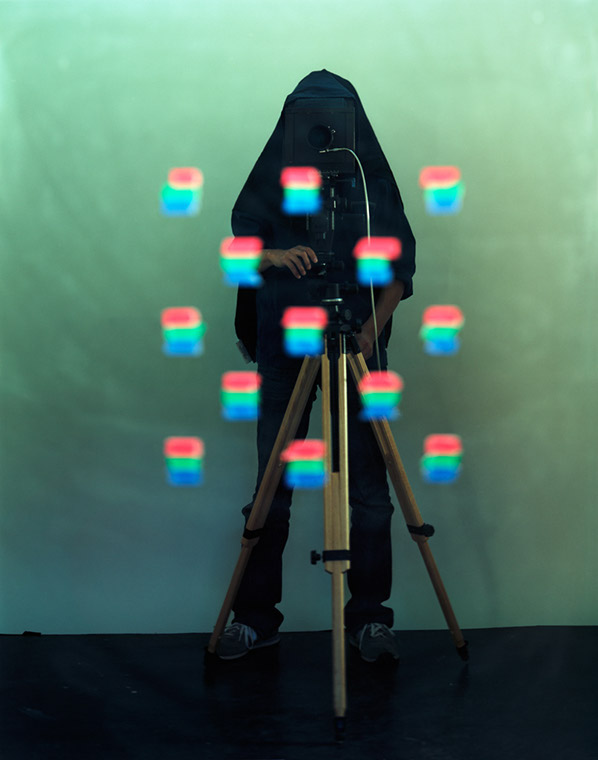
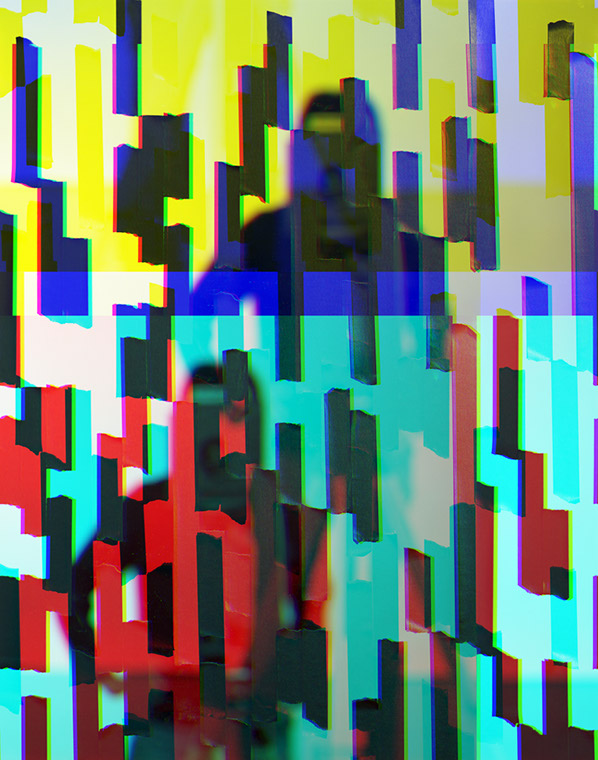
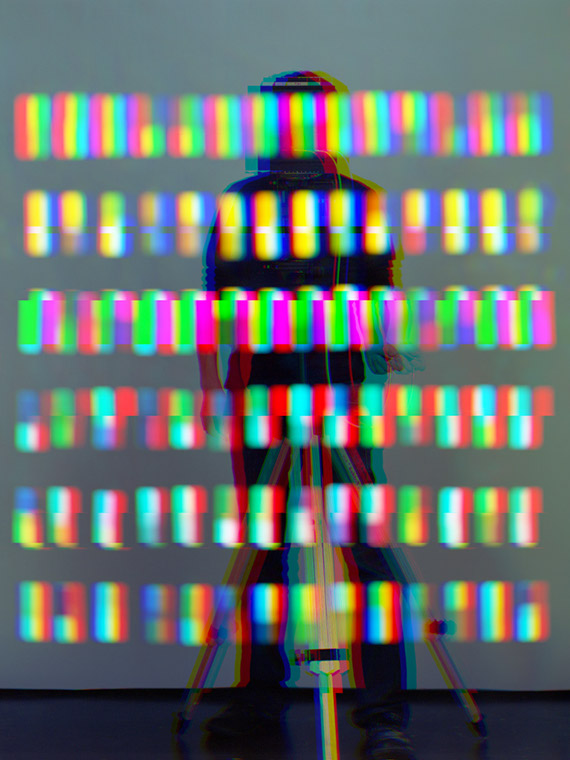
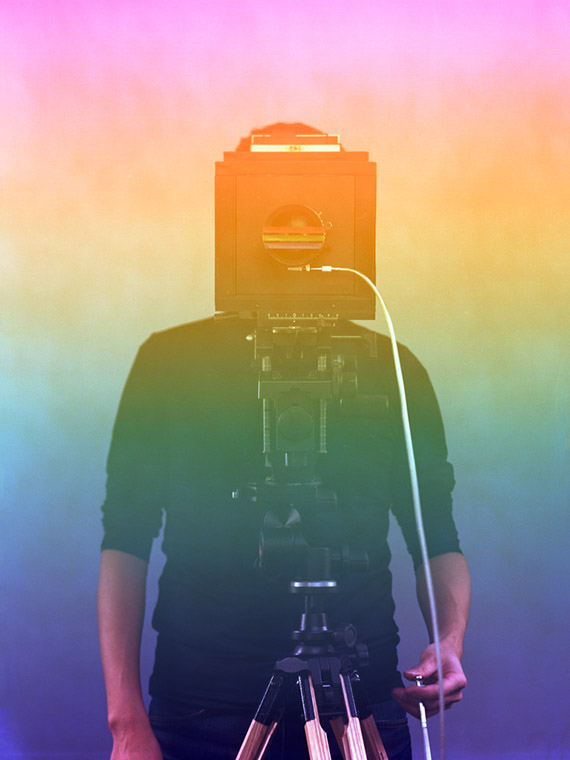
“Throughout my career I have been exploring the intersection between art and technology most frequently dealing with issues surrounding photographic representation. My works often reveal the conventions of perception and representation through tensions created by the use of computers and traditional photographic techniques.The photographs included here are of mirrors, paper and tape often adhered to the surface of the mirror taken with a large format camera as they attempt to unpack the structural mechanics of photographic representation.

While the images allude to formal abstraction with various shapes and colors, the photographic nature of the images are emphasized as the image plane is selectively focused and blurred through the use of depth of field. The usually referencelessness nature of abstraction is contradicted by the presence of minute details captured by the use of a large format camera such as dust and scratch marks found on the surface of the mirror or the texture of the tapes used which makes the images photographically real and almost sculptural. These images have a duality (and tension) of being simultaneously abstract and photographically real.

Further, as with many of my other works the photographs expresses my interest in the effect of digital technology in photography and its aesthetic. For example the choice of red, green, and blue tape is based on the three primary colors that constitute a pixel. From a far the tapes can be seen as the pixels glowing on the computer screen. While the images are made using primarily traditional photographic methods, they reference the new aesthetic that seems to be emerging as a result of the use of digital tools and technologies. Seen in this context, by always including only the silhouette of the photographer with his camera, the images remind the viewers of the presence/absence of the producer/author and the method ” –Akihiko Miyoshi

Baden Pailthorpe


Baden Pailthorpe

Work from Cadence I – IV

“The institution of the military is steeped in performative traditions, rituals and practices. Indeed the collective military body can be thought of as being characterized by a carefully calibrated choreography of movement.

Cadence (2013) is a series of four new-media artworks whose subject sits between war and performance. In these new video works, the figure of the Australian, US and Taliban soldier is placed within formal landscapes appropriated from pro-military cinema and military training simulators.

Rather than enacting standard military gestures or postures, the simulated soldier performs a slow and poetic dance. The usual politics of movement, discipline and posture of the military body are subverted, and instead rendered soft and expressive.

The seductive visual rhythm of cadence, camouflage and natural mimicry in these works gesture towards the dark mysticism of military history, where soldiers and psychedelics have often combined to disrupt landscapes and produce mystic escapes.” –Baden Pailthorpe

via Prosthetic Knowledge 

Philipp Ronnenberg

06-Social-Teletext-Network 05-Social-Teletext-Network Screen Shot 2013-07-14 at 10.23.26 PM 03-OpenPositioningSystem

Philipp Ronnenberg

Work from Post Cyberwar Series

“Post Cyberwar proposes three appropriate methods to prepare for the time after a cyberwar:

Introduction

An Internet kill switch is a countermeasure against cybercrime; it is based on the concept of activating a single shutting-off mechanism for all Internet traffic. The theory behind a kill switch is the creation of a single point of control managed by one authority in order to shut down the Internet to protect it from unspecified assailants.

The prospect of cyber warfare over the 2000s prompted US officials to draft special legislation for the Internet, but the implications of actually “killing” the Internet has spurred worldwide criticism. During the Arab Spring in Tunisia, Egypt, and Libya, access to the Internet was restricted in an effort to limit online peer networking that would facilitate self-organization. Despite the controversial effects of shutting off access to information, the activation of a kill switch remains an issue to be resolved.

Social Teletext Network

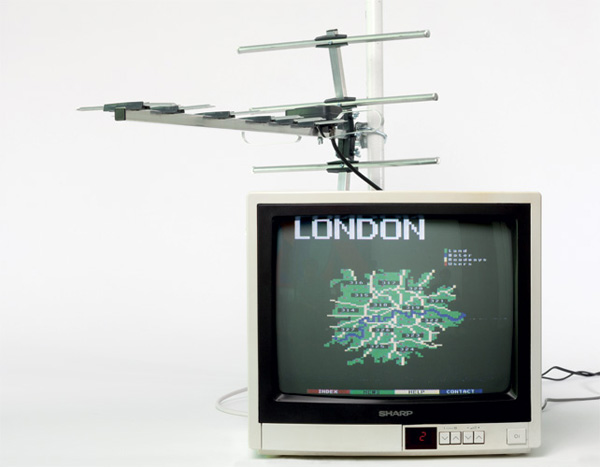
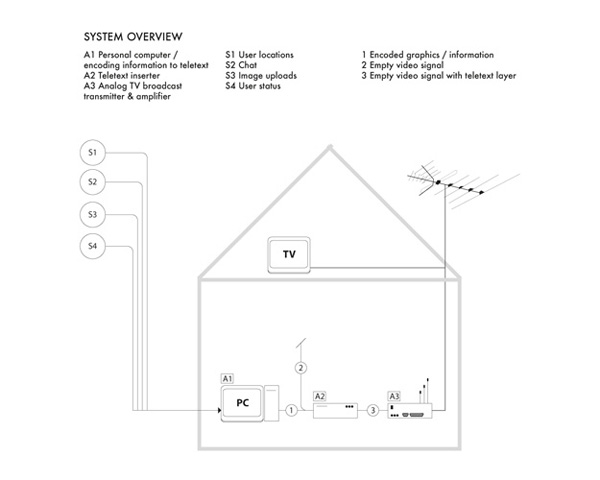
The Teletext Social Network uses analogue television broadcasting to provide a wireless communication infrastructure. Users can communicate without depending on network providers or governmental institutions. The network users themselves maintain the network.

In 2012, most of the broadcasting television channels in the UK switched from analogue to digital broadcasting, resulting in the analogue spectrum frequencies becoming free.

Sewer Cloud

The insertion of data into the DNA is developed, amongst other reasons, to solve the problem of data storage. 1 gram of DNA is capable of storing up to 700 terabytes of data. This scientific development could provide alternative uses and novel ways of exposure of data.

The Sewer Cloud project explores the possibilities of this discovery and how people in urban areas could use it.

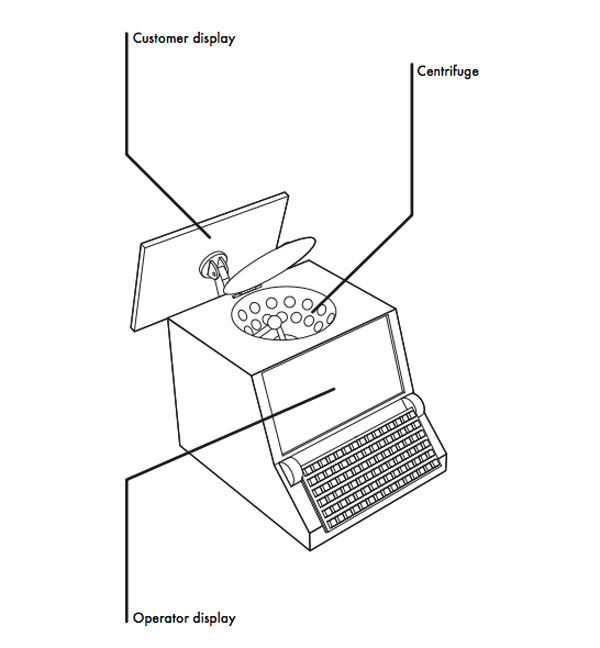
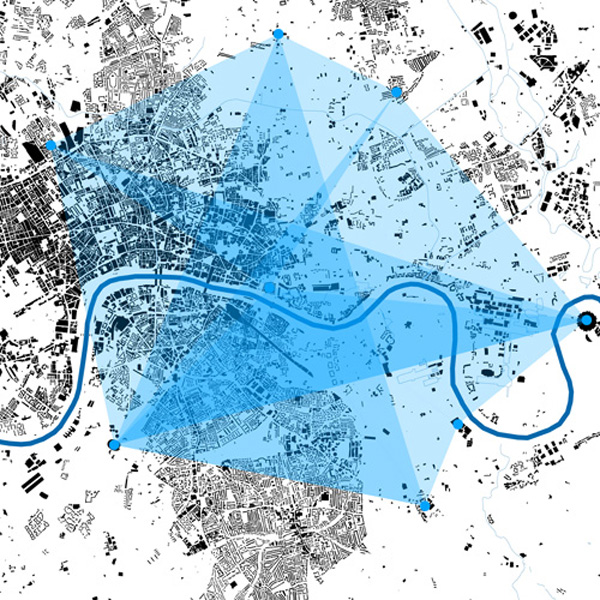
The Sewer Cloud is a living, self-reproducing data network in the sewerage system of London. This living network is based on the insertion and extraction of data into the algae species Anabaena bacteria, which lives in water.

Data insertion and extraction out of algae could be regarded as a ‘grey area’ act; it would be legal to do so, but a lot of content that one could find in this network could be illegal. Corner shops would be providing machines where the extractions and insertions would take place.

OpenPositioningSystem

The OpenPositioningSystem is an open navigation system. This means that it is not run or controlled by companies. The goal of the system is to gather interested people on the web platform OpenPS.info to develop the necessary software, hardware and testing processes. Anybody who is interested, from beginner to professional can participate and contribute their knowledge to the community and through this system.

The idea is to use seismic activity, produced by generators in power plants, turbines in pumping stations or other large machines running in factories. These generators, machines etc. are producing seismic waves, distributed through the ground. The sensor prototype can detect seismic waves on the ground and on walls.

When at least three signals are received and their positions on a map are known, one can calculate the position within these three signals via triangulation and the signal strength.” –Philipp Ronnenberg

Conall McAteer

HTT WEB 7_750 HTT WEB 4_750 HTT Rose 3_750 _DSC3659_1_750 Bapistry HTT 6_750

Conall McAteer

Work from Holier Than Thou

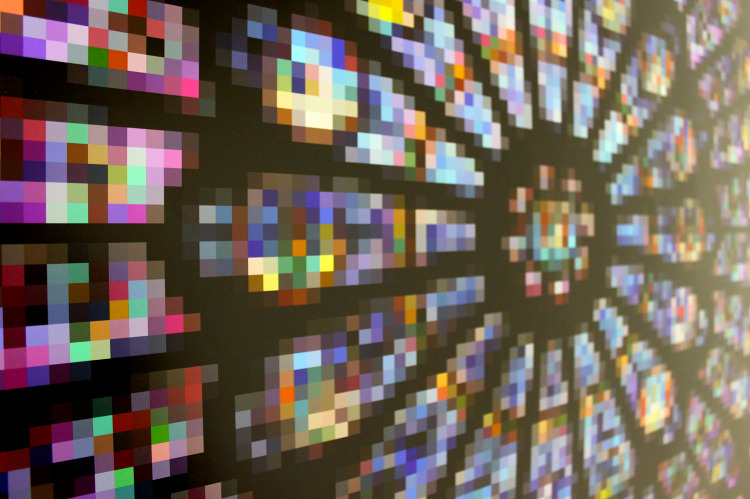
Holier Than Thou is a series composed of edited and overlapped candid images of religious iconography taken in the context where photography is restricted or forbidden. Describable as an act to control their reproduction and veneration as the church had previously held jurisdiction over the use of the colour blue and the reverence of gold. These communally available images, pieced together and raised in scale, are degraded as a result of their limitations.” –Conall McAteer


Sara VanDerBeek

SVB_172_view_010 SVB_1880 Install_View_046 SVB_1850 Install_View_035 SVB_1840

Sara VanDerBeek

Work from her oeuvre

Brian Sholis: In recent years you’ve made work in several US cities—Detroit, New Orleans, and your hometown, Baltimore. What are some of the differences you noticed when working in cities like Paris, Rome, and Naples?

Sara VanDerBeek: One big difference was in the way I navigated them. In America I chose to walk around and respond to the outdoor environment. I chose sites and spaces that resonated with the life of the city, or an impactful event in its recent past; for example, I made images of building foundations in the Lower Ninth Ward in New Orleans. But in Europe I worked mostly indoors, in various museums and collections. I’m not sure whether my familiarity with American cities allowed me to explore them with more confidence, or whether it was in part because I traveled to Europe with the specific purpose of exploring some of these pre-eminent collections of sculpture.

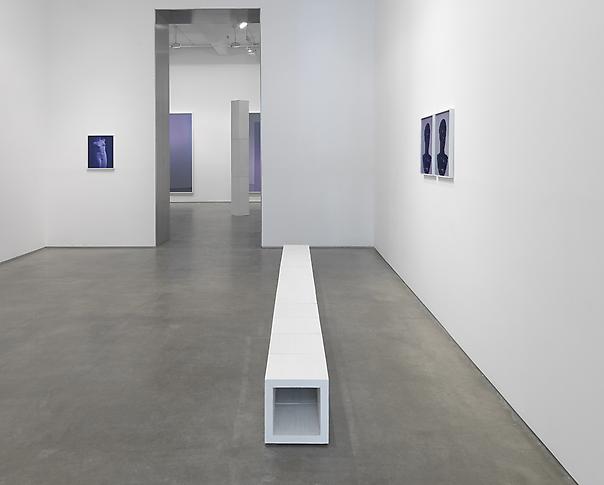
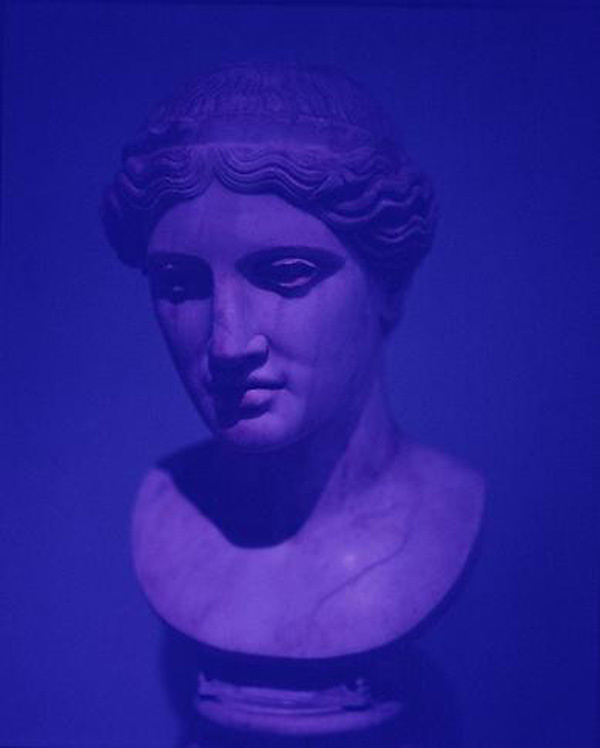
I will say, however, that I feel like history—as a larger, more abstract idea, as something taught and learned—suffuses European cities and museums, whereas a more specific and tangible history is present in the surfaces of American cities. That’s part of why I chose to focus on the ancient and neo-classical sculptures that are the subjects of some of the photographs in this exhibition. I wanted to explore figures that are already iconographic. Although they are three-dimensional, I think of them almost as images. I did engage and connect with the contemporary life of these European cities—I met and befriended a number of young artists and curators, and was very intrigued by their perspective on both the current and historical nature of their cities. But something about this whole endeavor led me to become focused on certain aspects of the past as they connected to the present. As I was photographing these sculptures and visiting different sites, I considered the changing depictions of the body, and how those depictions reflected larger changes in the cultures of their creation. The repetition of the figures was very intriguing to me, too. Most of all, I was interested in discovering, through the arrangement of the objects and the images in the show, a way to create an experience that in some way translated my original experience of visiting these sites.

BJS: Were you cognizant of being under the spell of these environments? Did you try to respond to them in terms other than those handed to you by art history books?

SV: I think “under the spell” is a good phrase. I was very inspired, or even mesmerized, at times. Sometimes the environments were dreamlike; at the very least they are different from what I have experienced of American institutions. Smaller collections in Rome, for example, allowed me extended time alone with the objects. I felt a connection to these figures, could begin to make sense of their gravitational force; I was able to move around them and study them intently. I was able to slow down, and I spent lots of time with each object so that my idea of them was formed out of direct observation and the camera’s view.

BJS: You also were not encumbered with a lot of equipment.

SV: I had a camera, but no tripod, and I used existing light. I tried to embrace the specific qualities of the objects emphasized by their environments, to understand how they were lit and staged. The tableaux are fascinating. However, after working in the museums, I did a lot of things during the printing and framing processes to alter the colors in the imagery, to try and re-create the imaginative, dreamlike way I experienced them.

I really enjoy the simplicity of this way of working. It was just me, with my camera, out in the world—I was trying to be present in the moment. This initial phase is the most exciting and invigorating part of the process; it’s when I get the ideas from which everything evolves, the sculptures, the overall installation, and the quality I hope to achieve in the final printed image.

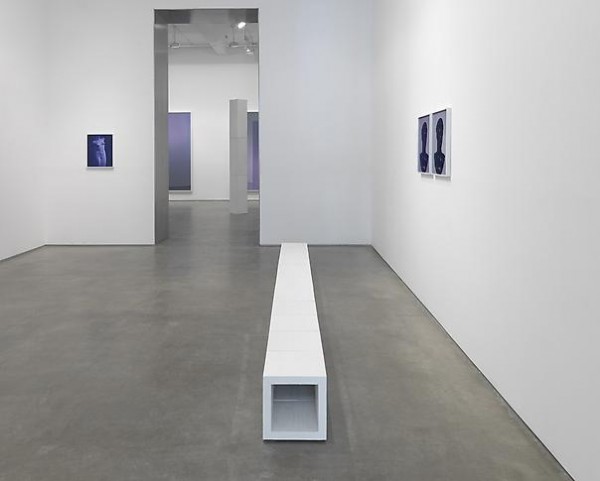
BJS: Let’s talk briefly about the presentation at Metro Pictures. The show marks the first time you’ve exhibited a large number of your sculptures in New York. You have also made very specific decisions regarding framing. The show can be understood as an exploration of the relationship between images and objects. Though you were working simply, you are not presenting straight, “documentary” photographs.

SV: When I began exhibiting the sculptures I had previously used only for my studio-based photographs, I was encouraged to further consider the photograph as an object. I have often thought about how prints themselves fluctuate between image and object, and I wanted my photographs to have some other, possibly three-dimensional quality.

I had been exploring these questions during the last year, but hadn’t worked out the details until I began thinking about how classical sculptures had at one point been painted. They were themselves a meeting of image and object. The paint, its colors, was a means of communication, a literal and symbolic adornment. Today we see these figures without most of their color. They have changed over time, and to see them now is to be able to contemplate those differences.

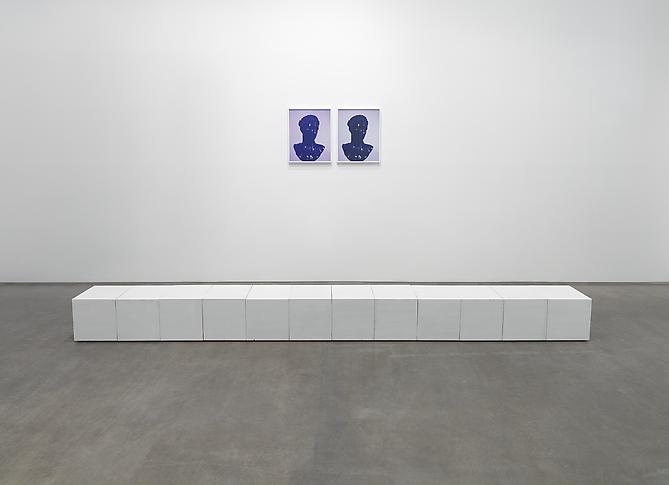
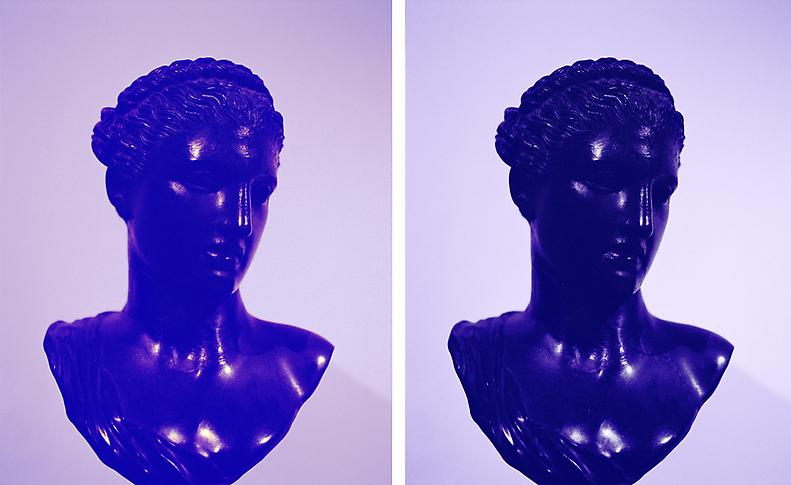
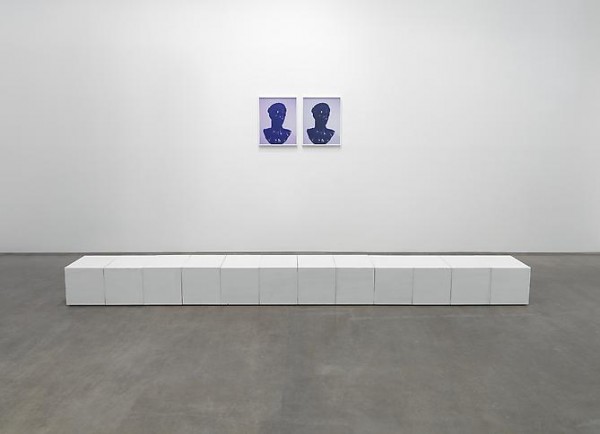
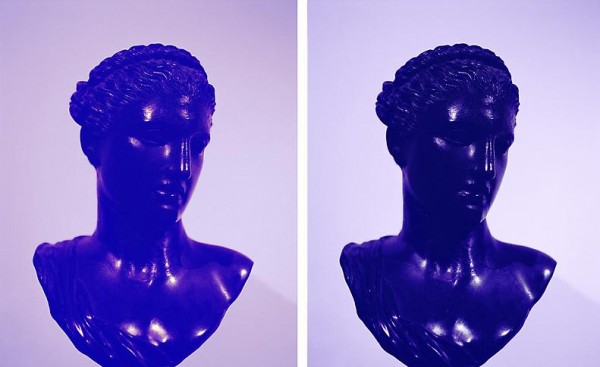
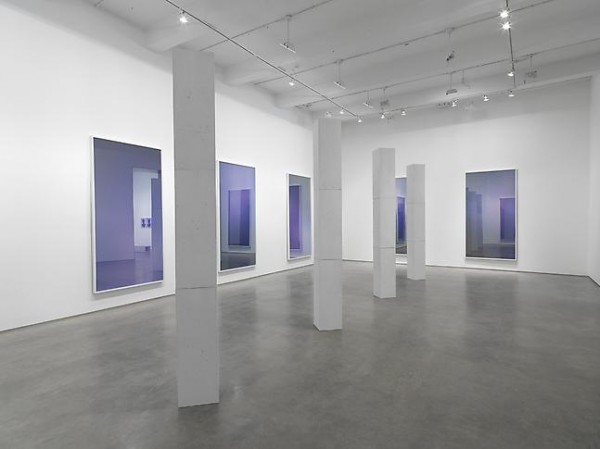
Coloring the photographs by placing them behind semitransparent Plexiglas emulates the original act of coloring the sculptures. The Plexiglas I chose is quite a dark, deep blue. The figures become more like shapes or apparitions; they are semi-abstract textures and forms, though still legible as figures. I have also used mirrored glass for the larger, abstract photographs I’m presenting in one room at Metro Pictures. With them I’m trying to create a fleeting, ephemeral experience, one that mirrors what I felt while trying to capture particular moments in these sites. I wanted images that would change and fluctuate. Your reflection in the mirrored glass does that, but the color and texture you can see behind it will change, too. I keep going back to notions of dreams, of dreamlike images. Dreams, too, are specific but not fixed.

BJS: You mentioned earlier that this careful calibration of works in Metro Pictures’s three separate galleries is an attempt, on some level, to re-create your experience of these museum collections in Europe. Can you explain that further?

SV: I tried to take into account shifts in scale, and the viewer’s relationship to the objects and photographs as he or she moves through the galleries. Some objects are composed of human-scale modules, while other sculptures are a little bit larger than human scale, as were the figures I saw in Naples, at the National Archeological Museum. I was surprised to discover how large some of the classical sculptures were—in particular the figures that had adorned the Baths of Caracalla in Rome. I had never seen classical figures that large, and I hope that in my exhibition you get a sense of the proportion and mass that I felt when viewing these sculptures, as well as the quality and changes in your sense of scale as you move around them.

I have always been interested in how photography affects the reading of scale, time, and place. It can be disorienting or confusing to encounter a photograph of something, but it can also usefully enlighten some little-perceived aspect of real-life experience.

BJS: It was sometimes difficult to discern the actual size of the studio-based constructions you photographed earlier in your career. Can you speak about the contrasts between your early work, which was primarily in the studio, and your recent work, which has mostly taken place out in the world?

SV: I enjoy mixing different ways of working. Working out in the world involves a level of reactiveness, of being open to chance, that wasn’t as much a part of my earlier practice. When shooting in these European museums and gardens I was moving fairly quickly, responding to the qualities of light I encountered. Despite this dependence on context, the process can be as gestural as creating and staging tableaux in the studio. And it has changed my work in the studio, as well. Today when I create still lifes in the studio, I often work with natural light, shoot fewer frames. And I’m more open to trying alternate vantage points. For the early photographs of layered assemblages, made circa 2005 or 2006, I would shoot rolls and rolls of film. I’ve become a little bit more focused now, and I think that has come from lessons learned while shooting out in the world.

The studio now functions for me in a manner similar to my understanding of these classical figures: it’s a meeting point of different times. I take images, print them out, bring them into the studio, and consider them alongside sculptures or other, earlier photographs—it creates a “still life” of various pasts in the present. We all recognize that the present is imbued with the past; what I hope is that the exhibition itself communicates a sense of the feedback loops I experience while working, whereby sculptures generate images and images generate sculptures. That loop is itself a metaphor for the continually evolving process of thinking, making, and interpretation that is any artist’s or individual’s experience in life. We are continually trying to understand and process our past as we address ongoing issues. I feel these works are representative of that kind of grappling, of coming to terms with the foundations on which we build.”

text from an interview with Brian Sholis for Aperture
Kate Bonner

max_height_max_height_Kate_Bonner4_1 max_height_legSkewed_1 max_height_max_height_L2_1 max_height_wrap4_1

Kate Bonner

Work from her oeuvre
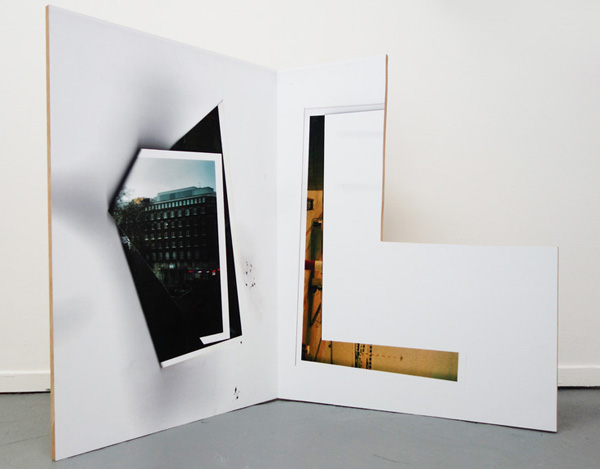
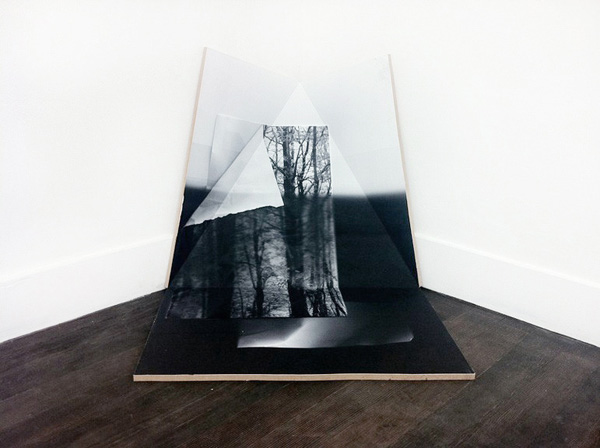
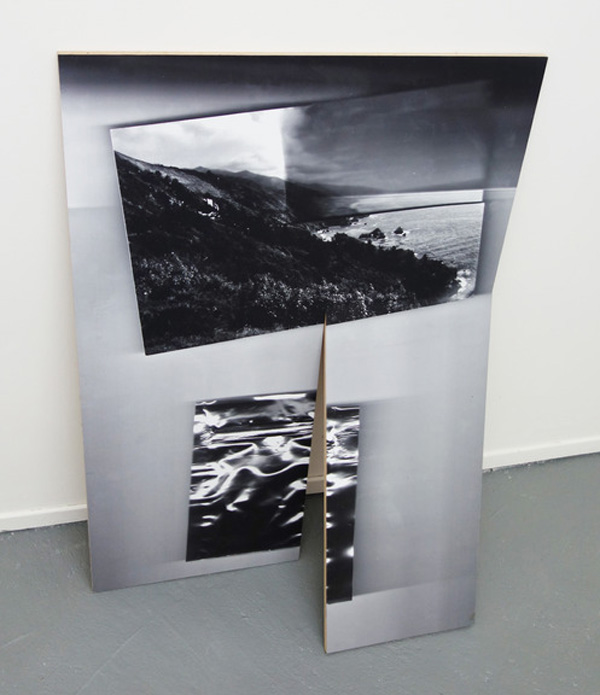
“Through a process of reduction and transformation, my work withholds explanation and proposes simple fictions. Language is a system we use to clear things up, to understand the bigger picture, but language can also conceal, withhold and confuse. What happens when pieces are taken away? I am interested in things that do not adhere. In fragmentation.
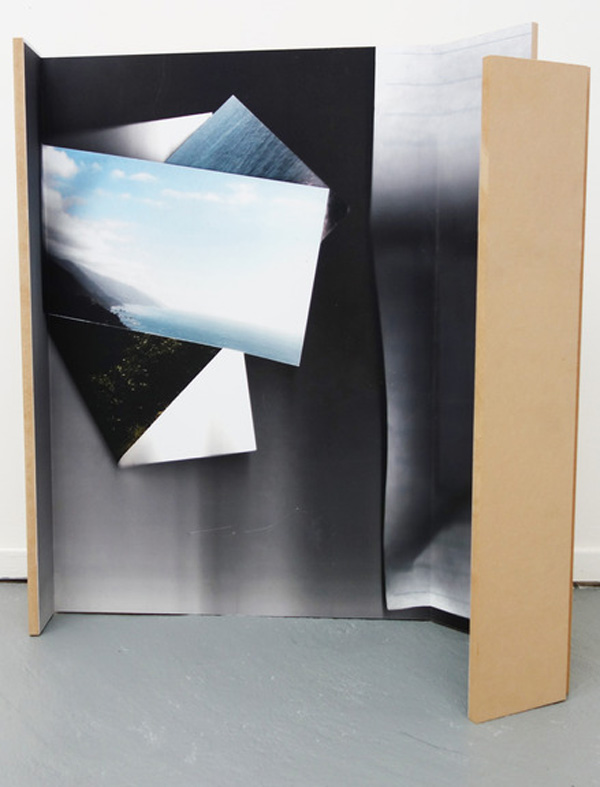
Made of degenerated photocopies, cuts, and MDF board these structures value perceptual failures, and contain real boundaries: literally walls and windows and frames that limit access” –Kate Bonner