Sunday, 3 March 2013
Corin Hewitt
Work from his oeuvre. Hewitt also has a really solid exhibition on right now at MOCA Cleveland.
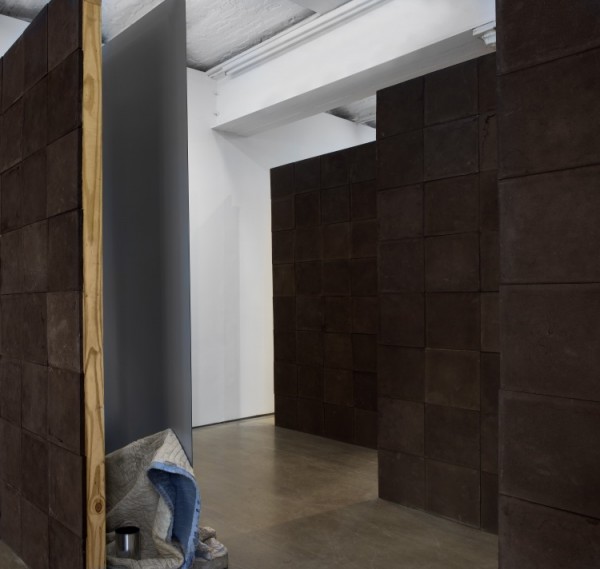
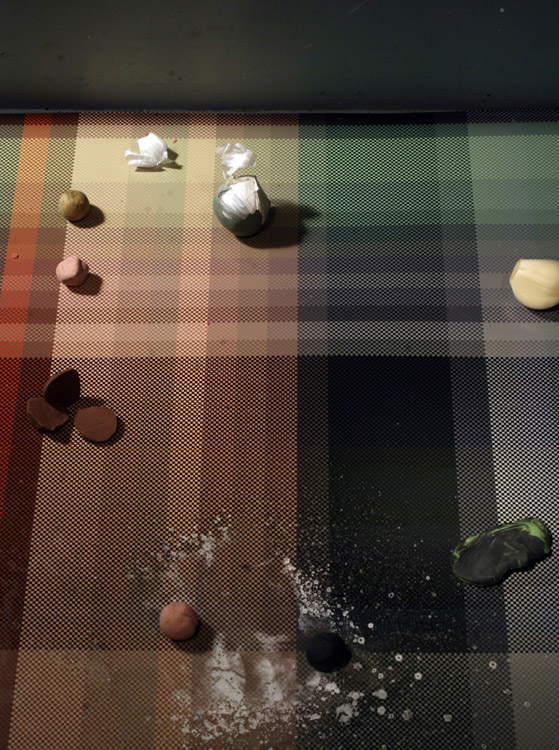
“Five staggered cast-dirt walls articulate the stage in Corin Hewitt’s exhibition, Medium/Deep. Behind each, a surrogate figure — off-stage actors composed of concrete, steel, wood, aluminum, simulated pegboard, aprons, makeup, scents and pigments — anticipates an entrance, or its discovery. This minimal scenery, the ground literally up-ended, reveals itself as part of an anxious proscenium: the liminal space of wings, off-stage areas, and what is referred to as crossovers. In a 1927 lecture-demonstration at the Bauhaus, Oskar Schlemmer considered the importance of the theater stage as an “orchestral organism” itself, a space where the metaphysical needs of man are met through illusions that create a transcendent reality. Here, the gallery becomes the backstage of a stalled metaphysical play and its dramatic subjects: the studio space, the artistic performance, and material itself.
Merging anthropomorphic postures with natural and artificial architectural materials, Hewitt’s works presuppose that self-performance is not limited to the living, and that the fixity of objects is also suspect. Following a series of recent performance-exhibitions, including Seed Stage at the Whitney Museum, Hewitt’s installation dismantles the framing devices that have thus far characterized his durational performances. Absent from the stage himself, the artist’s body is replaced by chimerical offspring, both sinister and playful conflations of raw material and dramatic pose — sculptural materials playing themselves.
The gridded, cast-earth screens are curious, fertile geometric blinds that not only conceal and bury, but also suggest growth and potential. Perfectly formed into uniform blocks for construction, Hewitt’s dirt tiles function as temporal and material units of measure while still redolent of mortality. Soil, an aggregate field, is both origin and end, constantly in decay yet giving way to life. These tiles, however, function only as façade, revealing their unfinished plywood backs. Similarly, the dramatic space of the theater and our collective suspension of disbelief locate perception, simulation and projection at the center of the work, simultaneously rejecting the idea of origin or the possibility of any space as real.
One catches the I-beam in the midst of putting on its make-up, the gallery’s column perfumed with the scent of its past, and the two-by-four caught in an awkward contraposto pose. The viewer becomes implicit in the stage as laboratory, and the unsettling consequences of the theater suspended in the wrong, unfinished moment.” – Laurel Gitlen
Tags: cleveland, hole, installation, MOCA, photo, radical, sculpture, void, wall
Posted in Uncategorized | Comments Off on Corin Hewitt
Friday, 1 March 2013

Esther Tielmans
Work from her oeuvre.
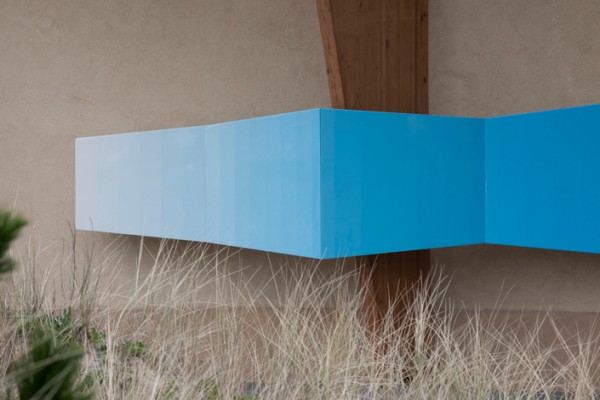
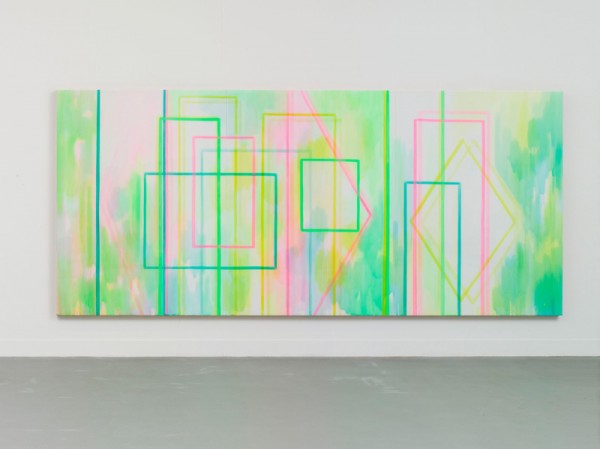
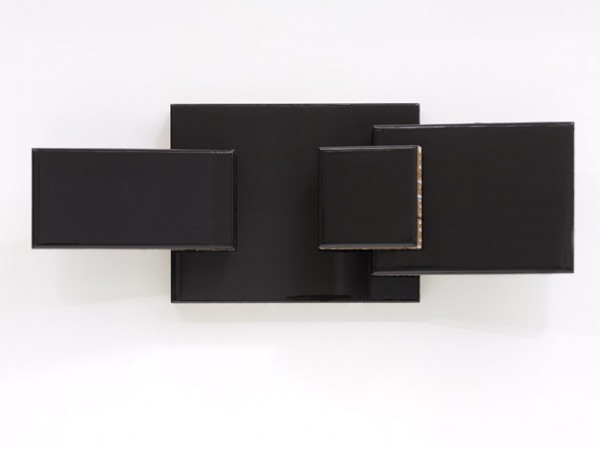
“Esther Tielemans has expanded the very concept of a landscape, culminating in installations of monumental dimensions such as the one she created at Eindhoven’s Van Abbemuseum on the invitation of Lily van der Stokker. From 2003 until today remarks Wilma Süto about Tieleman’s work, “painting as a medium has gradually evolved into a screen of reflections. (…) We sway along in an amazing pendulum-like movement on both sides of the surface of the water and the horizon, nature and culture, figurative and abstract, fake and real”. [1] Esther Tielemans alludes to the imposing landscapes of North America (the deserts of Nevada and New Mexico), where the stainless “beauty” of nature can induce a disturbing state of solitude. The painting becomes a panorama, a skyline. Groups of glossy coloured panels appear to float in front of the wall. Some of the wood panels on which the paintings are done attain the dimensions of walls arranged in space on the human scale. The nexus with nature and the outer world is inverted in the conception of inner space. And there are some hints of an explanation for this. At the start of the present decade, a number of Tielemans’ paintings were materially incorporated into installations that also included diverse objects. They gradually became “object-paintings”, on the frontier of “design”, and the represented space no longer had anything more than a distant connection to the reality of a landscape. At present Esther Tielemans’ paintings, whatever their size, are wholly shorn of scale. They seem, in fact, to float in weightlessness. Here is a theatrical experience. The exact reflection of a mental space whose deployment is only just beginning.” – Bernard Zürcher
Tags: color, geometric, landscape, painting
Posted in Uncategorized | Comments Off on Esther Tielmans
Thursday, 28 February 2013


OFFLINE ART: new2
curated by Aram Bartholl at Xpo Gallery
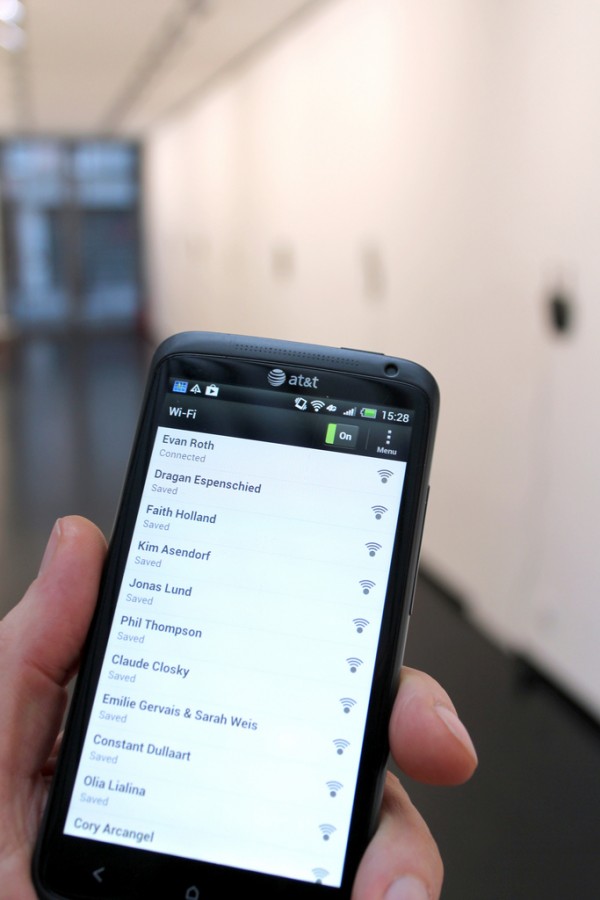
participating artists : Cory Arcangel, Kim Asendorf, Claude Closky, Constant Dullaart, Dragan EspenschiedFaith Holland, , JODI, Olia Lialina, Jonas Lund, Evan Roth, Phil Thompson, Emilie Gervais & Sarah Weis
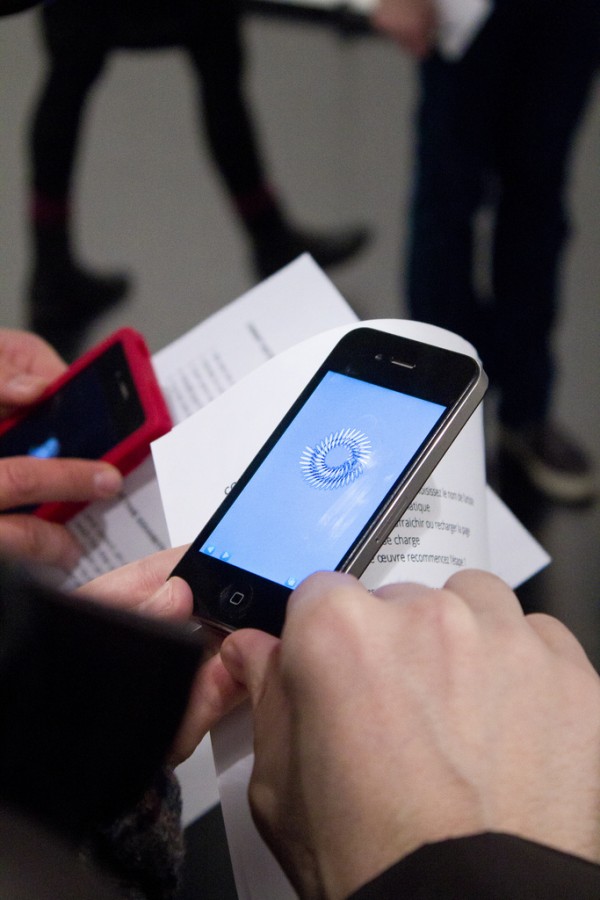
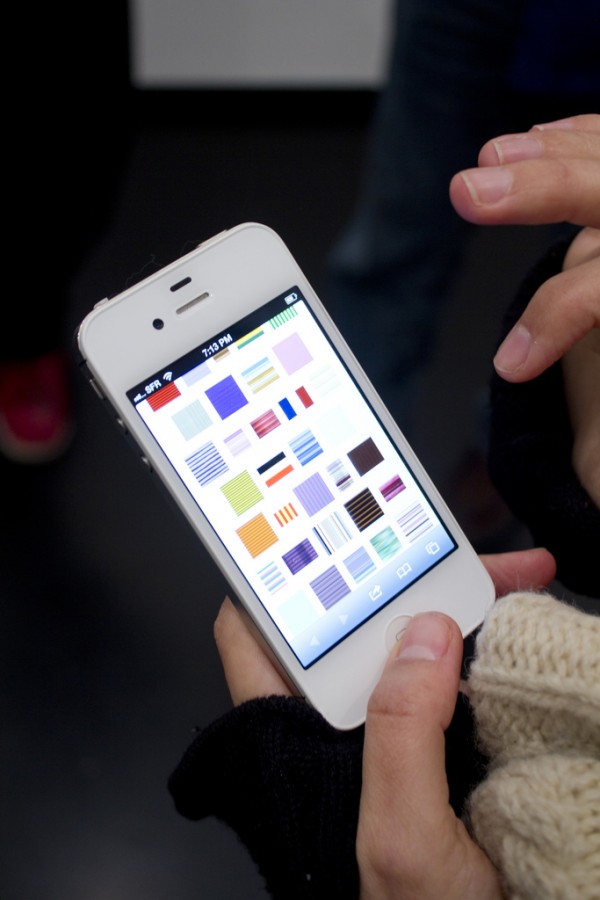
“new2” is the first show realized in the OFFLINE ART exhibition format.
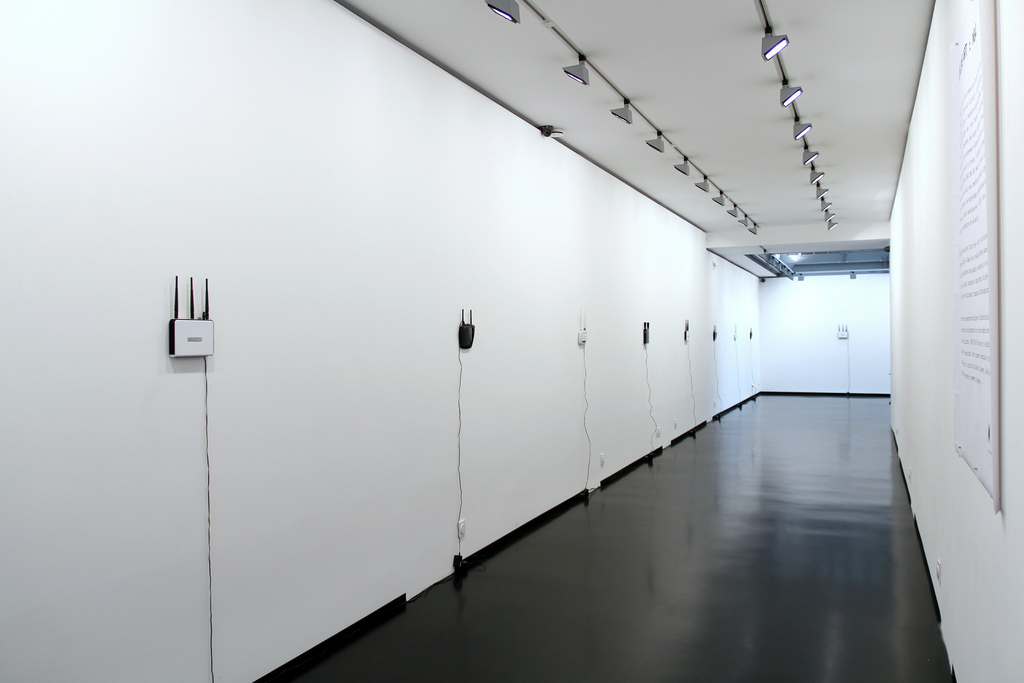
Web based art works will be accessible via wireless network but disconnected from the internet .A high profile selection of 14 artists of various ‘Internet generations’ – who are all working digitally and online – will present recent and new works. OFFLINE ART: new2 is a group show all about files, versions and copies that questions the endless ‘new’ in our era of the daily remix on the Internet. A digital file can be copied endlessly, without any loss of quality, and the web culture of nonstop creation, sharing and remixing of files has influenced a whole generation of artists.
Over the last two decades, internet artists have been constantly and prolifically creating web-based works. Often files are collected online, reused, recycled and remixed in varied and numerous ways. The next version is called ‘…-new.gif’ but is already outdated 5 minutes later, with the arrival of ‘…new2.gif’. Computers and the Internet don’t require a final version. ‘I still need to make some changes….’.
What is the current state of net art and what happens when works are taken offline?? What is the correct format in which to show a piece of art in a gallery space that has only previously existed on the web? And what is the relationship between internet art and the ever-growing number of mobile devices?
OFFLINE ART: new2 reflects recent discussions among artists and curators on how and if pieces should be available offline. All pieces in this show are browser based and at the same time only locally accessible. In the end it is the decision of each artist how and which version will also be available on the INTERNET.
The OFFLINE ART exhibition format:
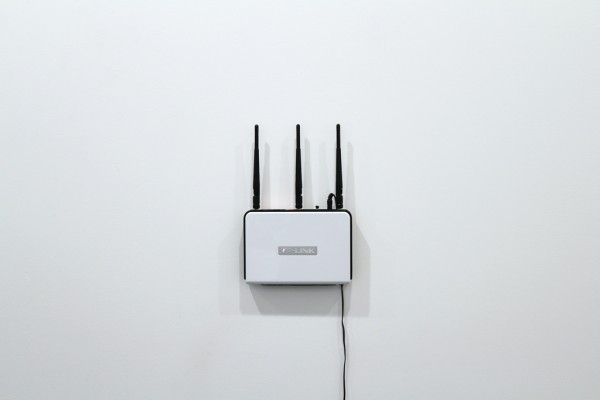
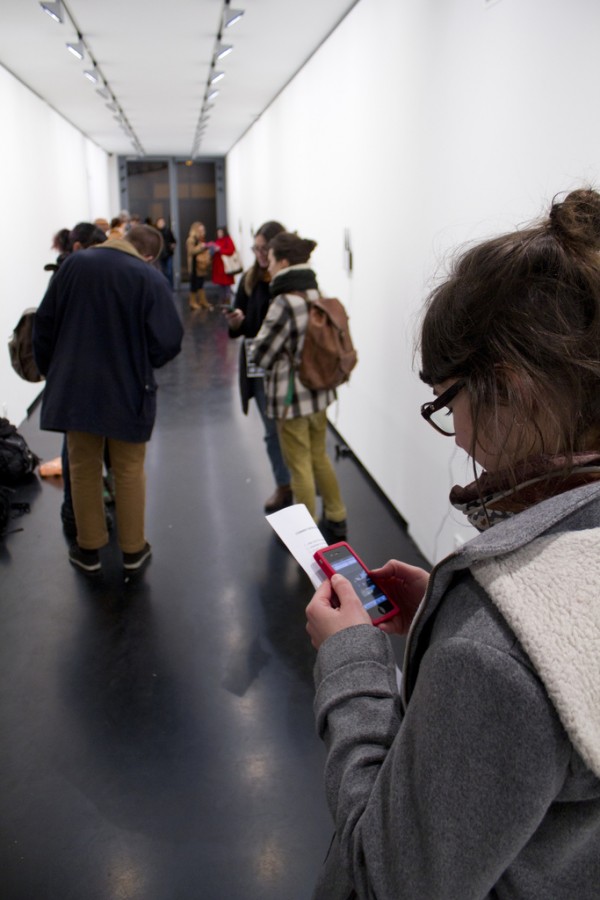
Browser-based digital art works are broadcast locally from wifi routers which are not connected to the Internet. Each art work is assigned a single wifi router which is accessible through any device, like smart-phones, tablets or laptops. To access the different art works, the visitor has to connect to each network individually. The name of the network reflects the name of the artist. No matter what URL is opened, only the specific artwork appears in the browser. A small web server holding the art piece is installed on a USB flash drive which is connected to the router. Like frames holding the art, the routers are hung in the exhibition space which is otherwise empty. The art itself becomes visible only on the visitor’s private screen.
The pieces are locally widely accessible but disconnected from the Internet
–Aram Bartholl
Tags: internet, offline, remix, wifi
Posted in Uncategorized | Comments Off on OFFLINE ART: new2
Wednesday, 27 February 2013

Ole Martin Lund Bø
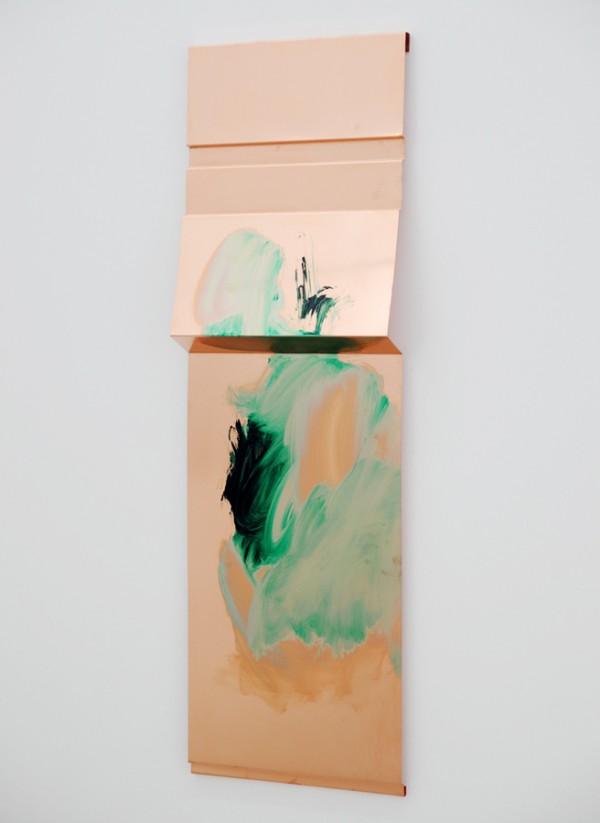
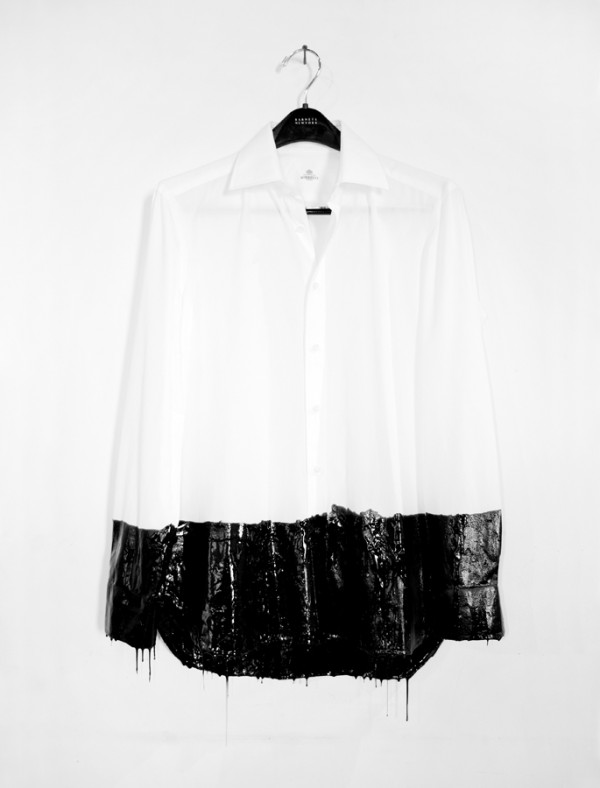
Work from his oeuvre. Bø has an exhibition opening at Denny Gallery in New York featuring some of the above pieces.
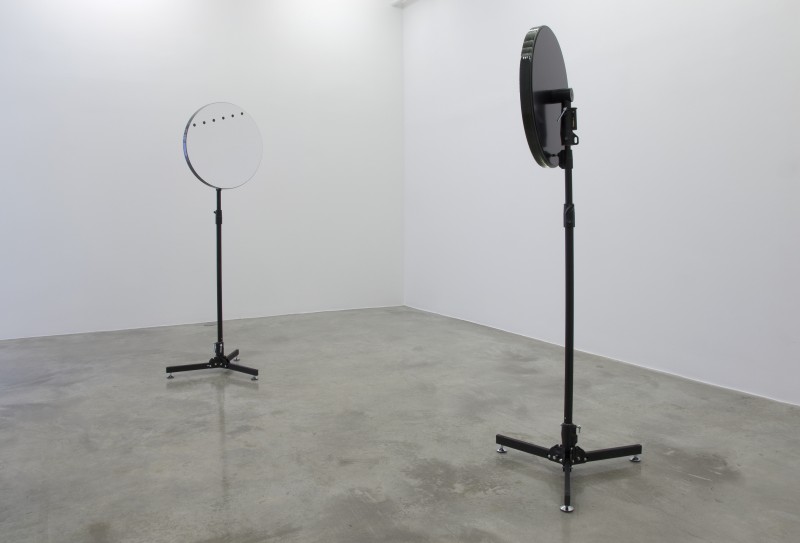
“Ole Martin Lund Bø has a minimal approach to his work. The materials he uses – such as tinted film for car glass, architectural fragments, structural excerpts and decorum elements – are inscribed with meaning, radiating power and desire.
The works themselves, however, are extractions rather than abstractions, merely suggesting an act or certain behaviour. His monochrome surfaces are stage sets, codes and catalysts, producing their own specific rules of engagement.” – Denny Gallery
Tags: brass, material, minimal, norway, paint, rad, upcoming
Posted in Uncategorized | Comments Off on Ole Martin Lund Bø
Tuesday, 26 February 2013
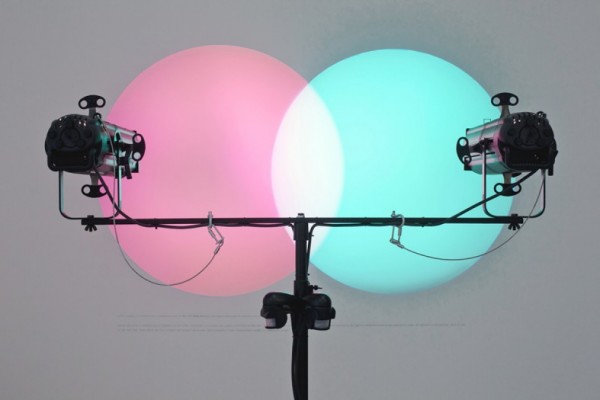

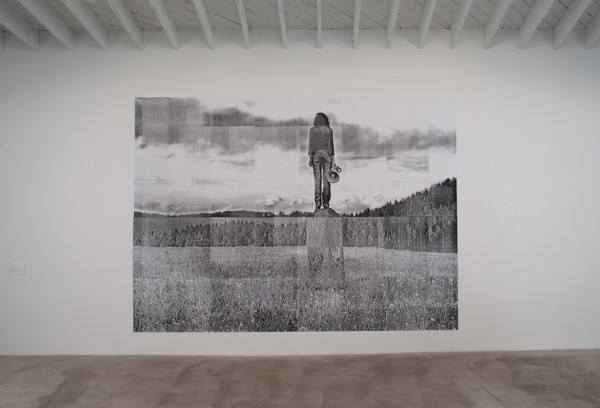
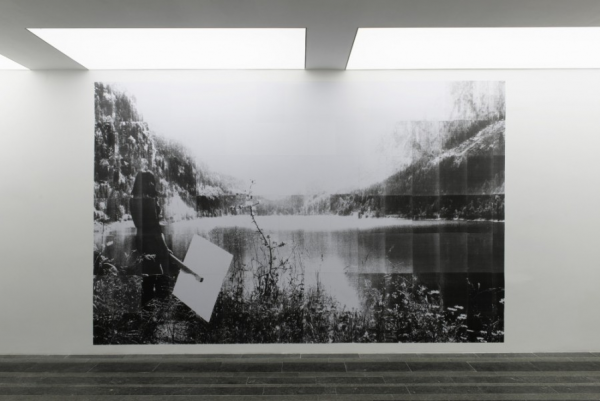
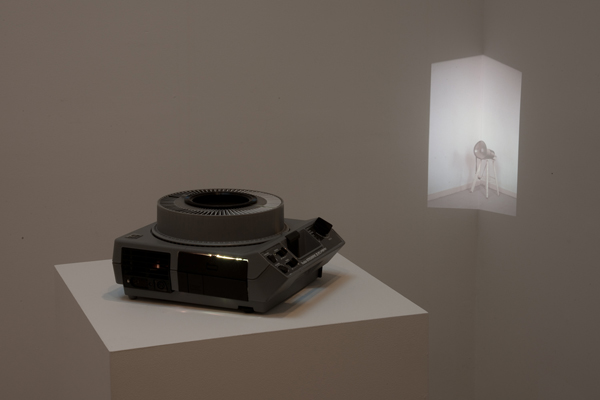
Amalia Pica
Work from her oeuvre.
“Using materials such as photocopies, light bulbs, drinking glasses, and cardboard, Amalia Pica (b. 1978, Argentina) confronts the failures, gaps, and slippages of communication. The act of delivering and receiving a verbal or nonverbal message, and the various forms that communicative exchange may take, along with the very limits of language, are central to her work.” – MIT List Visual Arts Center
Tags: 35mm, communication, projection, semaphore, symbol, xerox
Posted in Uncategorized | Comments Off on Amalia Pica
Monday, 25 February 2013
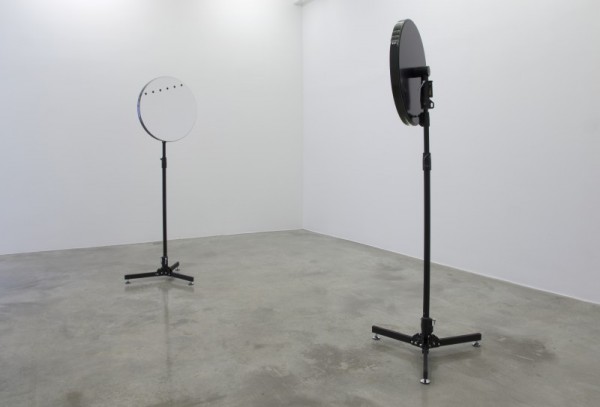
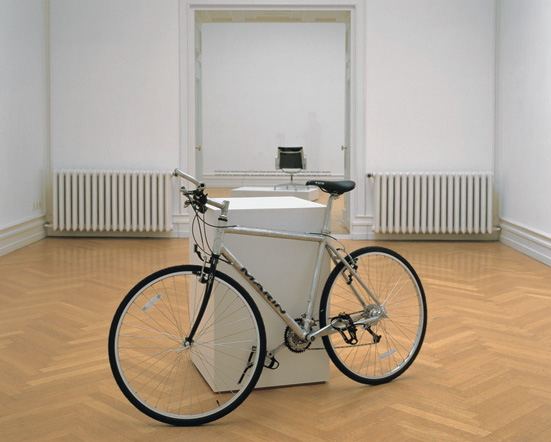
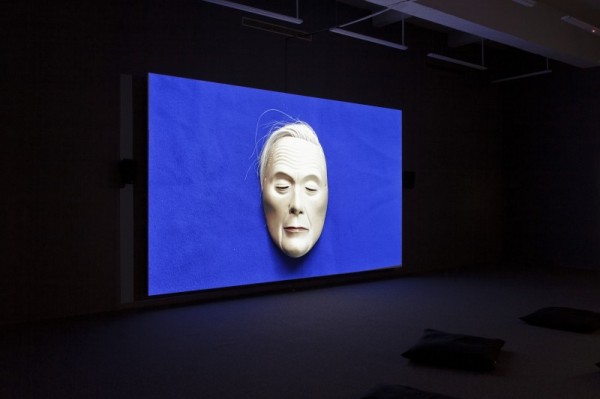
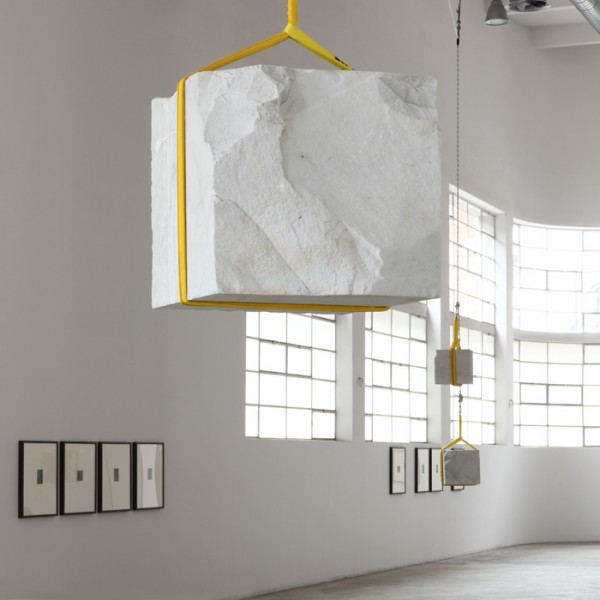
Simon Starling
Work from his oeuvre.
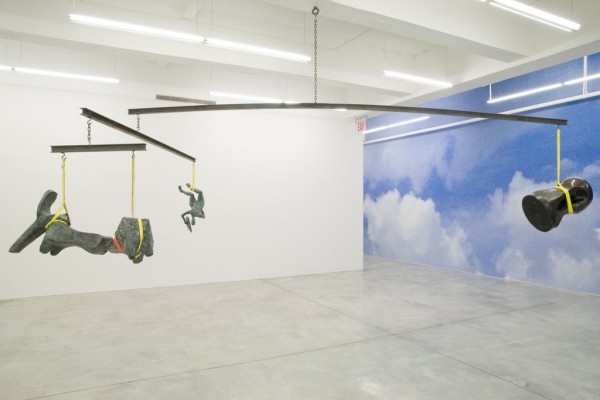
“Humor is little discussed in art criticism, though funny art abounds. Many of Simon Starling’s projects have been comic—slapstick and harebrained, funny ha-ha and funny peculiar—at the same time that they have been unimpeachably erudite. In his thought and work processes, Starling generally follows one thing with another, a third and a fourth. This shaggy-dog-story method places him in danger of establishing connections that come to feel contrived or attenuated—a risk of failure that he willingly assumes.
Born in Epsom, England, in 1967, Starling earned a degree in photography at Nottingham Polytechnic in 1990, and finished his studies in 1992 at the Glasgow School of Art. He had his first solo exhibition in 1995 in London, followed by one in Glasgow in 1997; since then, he has had more than 50 solo shows. In 2003, he was one of three artists in the first Scottish pavilion at the Venice Biennale, and he won the Turner Prize two years later.
Peripatetic (he now lives in Copenhagen) and formidably inventive, Starling ranges widely among installations, elegantly fabricated objects, rough-and-ready assemblages, photographs, short films, books and more. He is comfortable at diverse scales, keeps a big toolbox of conceptual and technical strategies, and is equally adept with the obvious and the obscure. Ecological concerns are pervasive. Possessed of a storyteller’s knack, a researcher’s zeal and a traveler’s nose for lucky finds, he nimbly links present and past in backstory narratives that are typically posted on gallery walls and/or printed in handouts.” –Art in America
Tags: english, found object, narrative, sculpture
Posted in Uncategorized | Comments Off on Simon Starling
Sunday, 24 February 2013
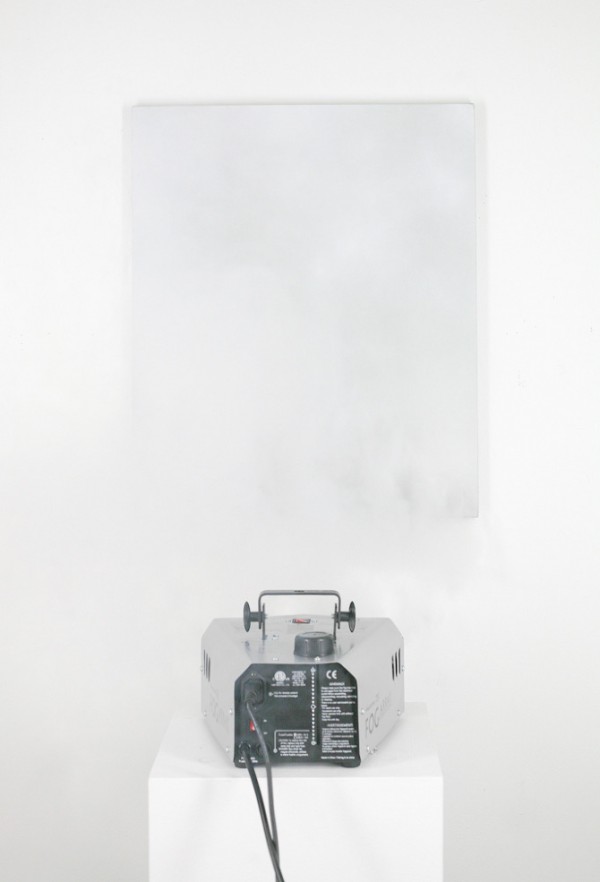
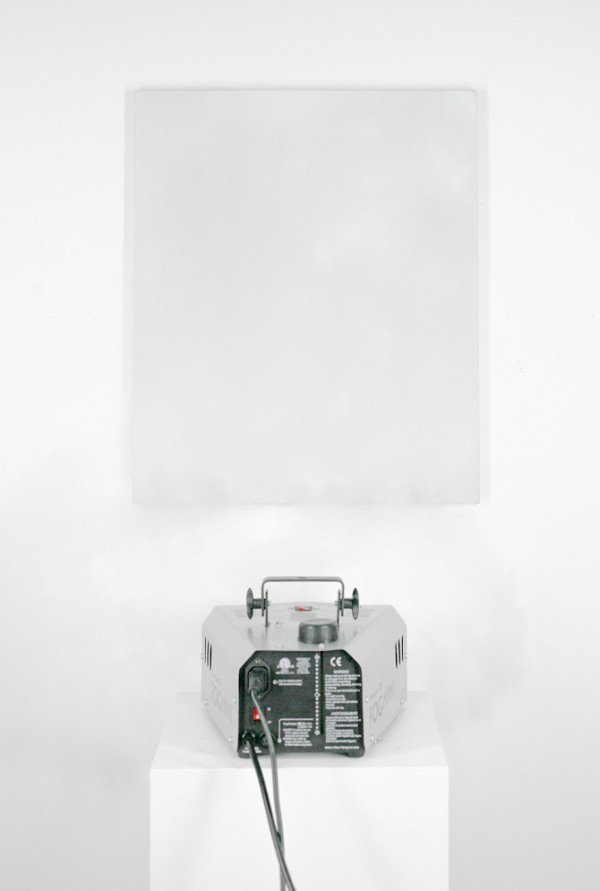
Luc Fuller
Work from his oeuvre.
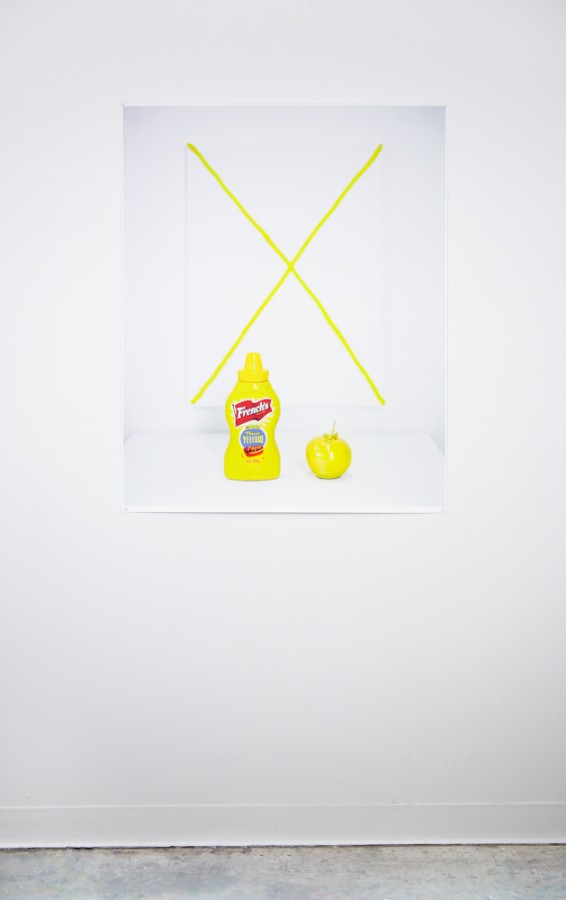
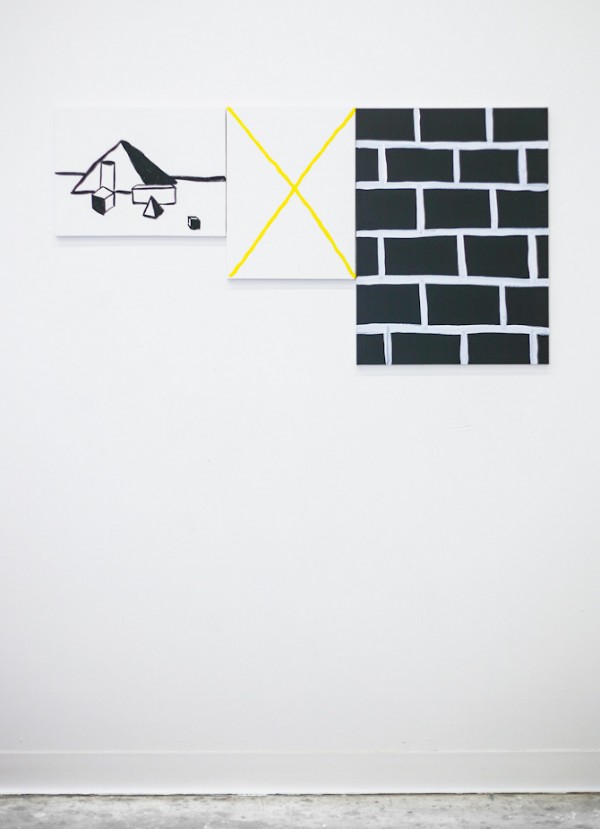
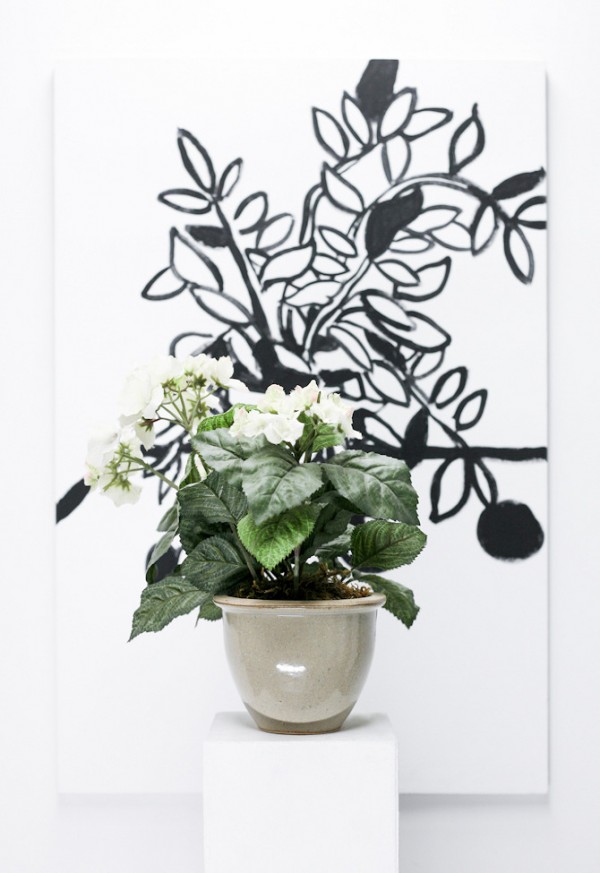
“I’m interested how images depend on and transform ways of thinking about language, communication, and meaning-making. I’m curious how conceptions and perceptions of image, viewer, and truth, are transformed through various contexts and cultures.
Employing a syntactical approach to image making, I paint signs, symbols, and shapes. The paintings – as objects that can be taken off the wall and rearranged or re-contextualized with other paintings, images, or objects – are much like the letters that make up words in language. And much like in language, images take on new forms of meaning depending on their context: who is viewing them and the culture in which they are viewed. These images are always in flux, taking on and providing new meanings over time. They are forever capable of being re-contextualized, redistributed, and re-appropriated. Thus, no image has the leisure of existing as a finite representation of something – as existing with only one definition or one meaning.
My work is playful and honest. It is intended to give images some serious thought, and look at all the ways in which they exist: pictorially, graphically, optically, perceptually, mentally, and verbally. I hope that through this process I provoke not only myself, but my audience to achieve a new heightened awareness of self, images, and the world we live in and perhaps begin to look at these things objectively. ” – Luc Fuller
Tags: fog, gallery, installation, light, space, white
Posted in Uncategorized | Comments Off on Luc Fuller
Friday, 22 February 2013
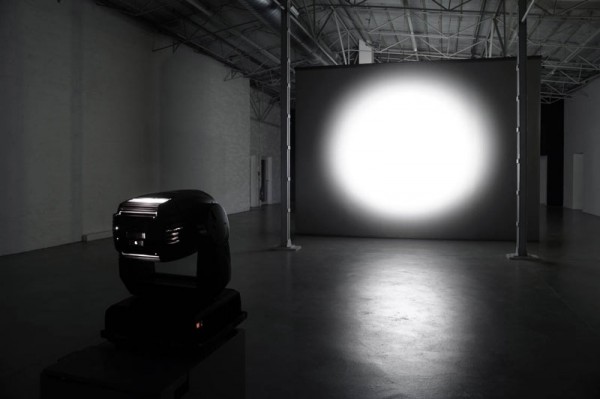
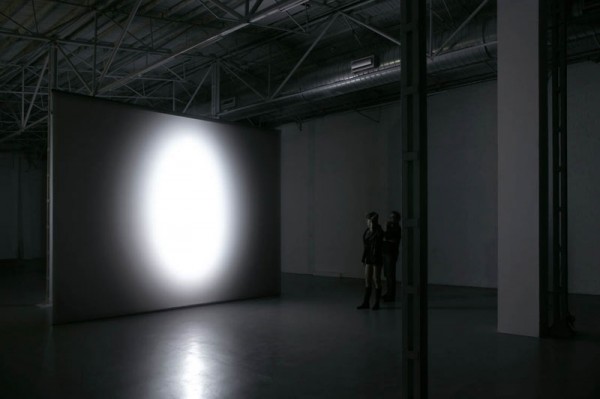
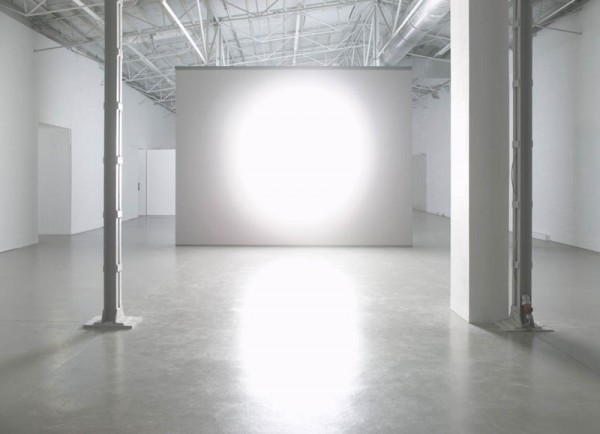
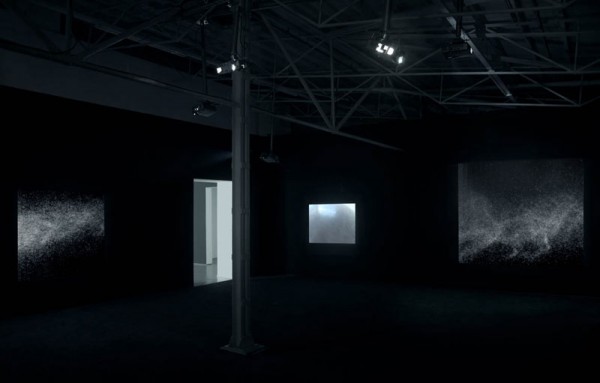
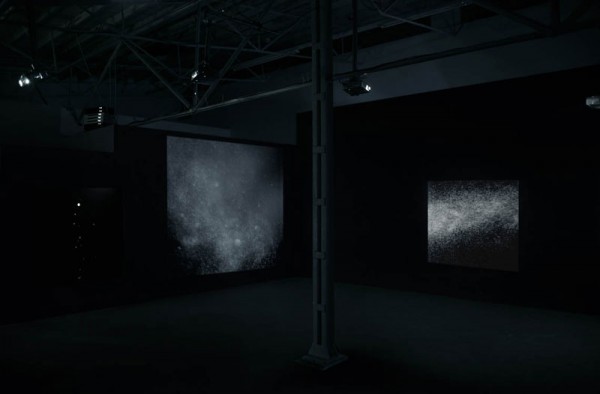
Ann Veronica Janssen
Work from her exhibition at Ausstellungshalle Zeitgenössische Kunst Münster.
“Ann Veronica Janssen’s artistic practice can be understood as a research expedition into the sensory experience of reality. The artist, who lives in Belgium, uses various artistic techniques and disciplines–installations, projections, films, urban interventions, photographs and sculptures–and invites the viewer to enter new frontiers of perception that can shift between such diverse experiences as vertigo or the disorientation of a blinding white-out. Her minimalist works emphasize the fleetingness, transience and impermanent character of the visible. Her use of all-encompassing light effects, blinding colors or translucent, reflective surfaces destabilize a sense of physical matter and reveal the ultimate instablility of the perception of time and space. In her often-jarring installations, Janssens finds sensual approximations for such nebulous ideas as emptiness, immateriality and the infinite.
For her exhibition in Münster, Ann Veronica Janssens will respond to the unique conditions and atmosphere of the exhibition architecture and develop various, site-related light-sculptures and light-installations with minimalistic objects. Along with older works, she will show new installations created specifically for this context.” – Ausstellungshalle Zeitgenössische Kunst Münster
Tags: architecture, atmosphere, light, monochrome
Posted in Uncategorized | Comments Off on Ann Veronica Janssens
Thursday, 21 February 2013


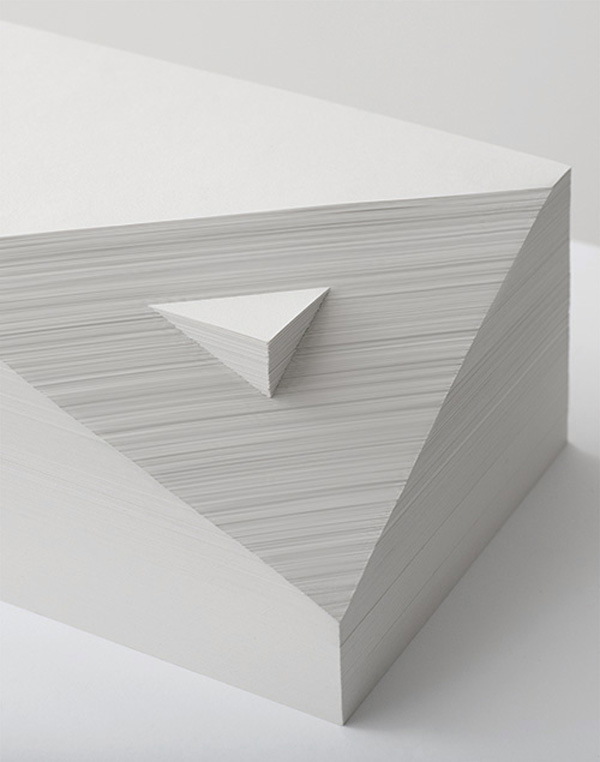
Bianca Chang
Work from her oeuvre
“Bianca Chang‘s minimalist and geometric based paper pieces are made by hand-plotting multiple sheets of 80gsm 100% post consumer waste recycled paper. Each layer of paper is hand plotted and cut using a pencil, surgical blade and ruler.” –Triangulation
Tags: australia, hand, paper, stacks, white
Posted in Uncategorized | Comments Off on Bianca Chang
Wednesday, 20 February 2013
Jessica Labatte
Work from her oeuvre.
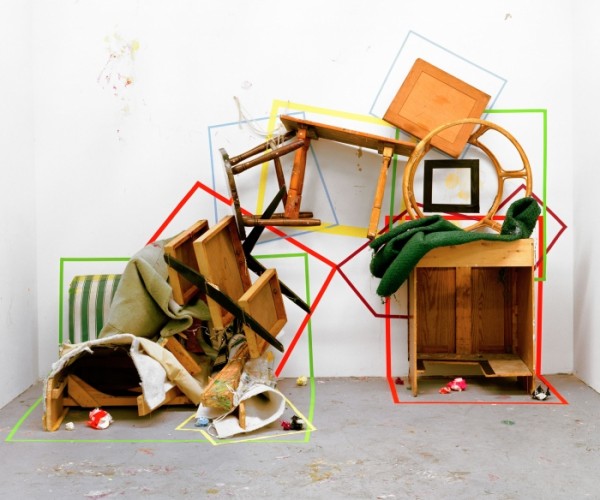
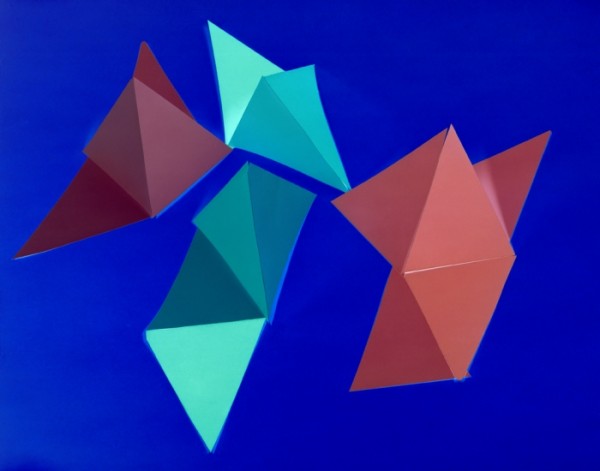
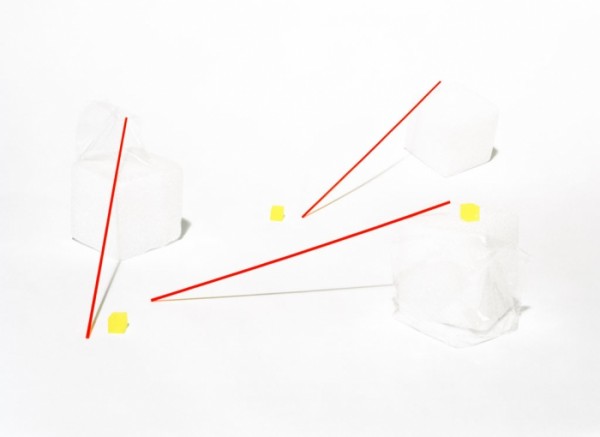
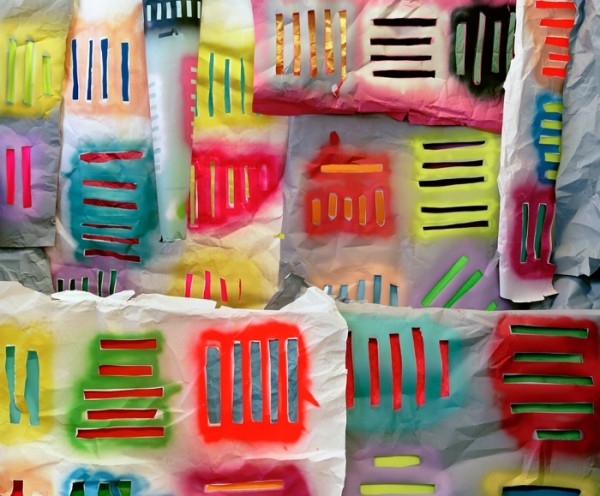
“JF: Without reducing you to a specific “school” of photography, you seem to be in company with a generation of young photographers interested in the physical process of photography, yet your work also deals with larger issues/metaphors related to illusion, performance and perception. Do you see your work being in dialog with that of say Jessica Eaton, Sam Falls, or Lucas Blalock? How do you see it standing apart? Do you see a dialog between early photographers like Man Ray as well? What do you think spawned this rebirth of process driven work?
JL: Photography is evolving as a medium, and things that were once uniquely photographic are now being questioned. I believe that the prevalence of process-oriented photography is a response to the saturation and ease of digital technologies. I don’t think that photographers are necessarily reacting against the digital technologies; more that we are inspired by the creative potentials new technology is opening up. There is a feeling of freedom to appropriate techniques from other mediums, as well as looking to the past for more tactile approaches to photography. The popularity of photograms and collage are good examples of this. I also think elaborate and complicated photographic processes are a way for artists to slow things down. Everything moves with such speed in our lives, creating works that require the investment of hours of labor seem to be a way to counteract this.
Even though, I am newly acquainted with the photographers you mentioned, there are others artists engaged in this kind of work, who were more on my radar. I am thinking of people like Sara VanDerBeek, Shane Huffman, and Waled Beshty. The fact that there are so many people out there making work in this way shows that there is something in this cultural moment that makes this approach relevant and important.
I attended graduate school at The School of the Art Institute of Chicago, where there is a dense concentration of photographers working in interdisciplinary ways. This encouraged us to differentiate ourselves, to highlight our unique interests, while also engage in a dialogue about the future potentials of the medium. The ways I am addressing illusion and perception are part of what sets my work apart. I am concerned with not only how the images are created but also the experience the viewer has when viewing the work. My tricks with focus, confusion of two and three dimensions, and deceiving sense of space, draw attention to the way our eyes oscillate between illusionistic space and the flatness of the image. By creating places in the image where it is hard to tell what is flat or has dimension, what is in fact real or could have been created in Photoshop, I am forcing the viewer to question all that they see. Hopefully this will inspire a more intentional seeing.
Much of your work is very performance oriented, or relates to implied actions. I’m specifically thinking of your staged installations etc, and in some ways feels like you are fusing traditional still life work with the conceptual or performative traditions of artists like Sophie Calle (though in a much materially different way), do you see this relationship? Can you talk a bit about the ideas you’re exploring here?
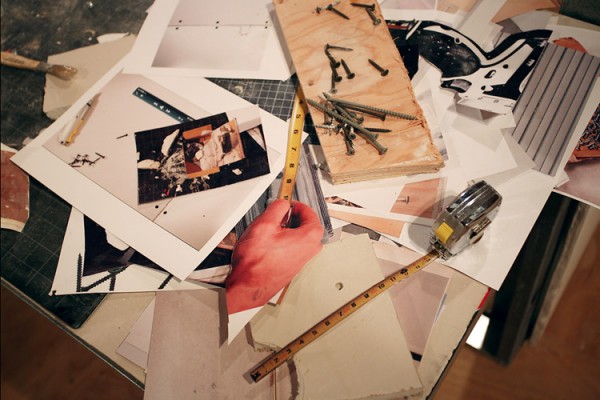
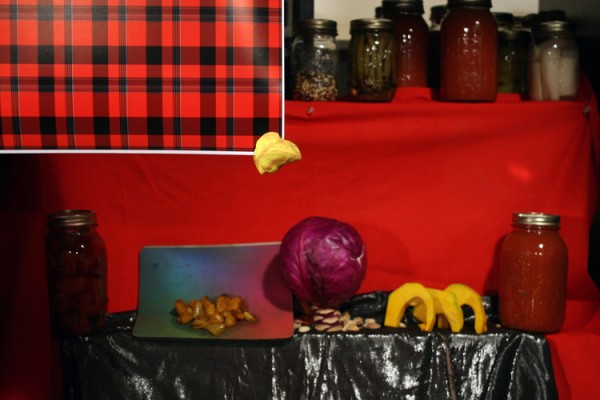
There is indeed a certain amount of performance in my pictures, although I don’t think of my images as documents of a performance. This activity begins when I collect objects. I am constantly on the lookout for new subjects. I scour the alleys and thrift stores for new materials and then accumulate these large collections of stuff in my studio. When I begin to arrange an assemblage, I take out my 4 x 5 camera and set it up in the position where it will remain for the duration of the construction of that image. I then begin to place objects, one after another, drawing on visual associations, working out compositions, but always referring back to the view in the camera for my final decisions. It is a process that takes time, and requires a lot of walking back and forth to the camera and the pile of objects. There is a lot of intuitive decision-making and a lot of sampling in and out of different objects. In this way it is a very different kind of performance than what happens in much conceptual photography. I am not enacting a predetermined conceptual framework. I am allowing many improvisational decisions to shape the final image. This encourages space for me to play with the visual analogies and allow purely formal associations to enter the work.” – Humble Arts Foundation
Tags: chicago, meta-photography, photo, photo sculpture
Posted in Uncategorized | Comments Off on Jessica Labatte