Monday, 30 November 2009


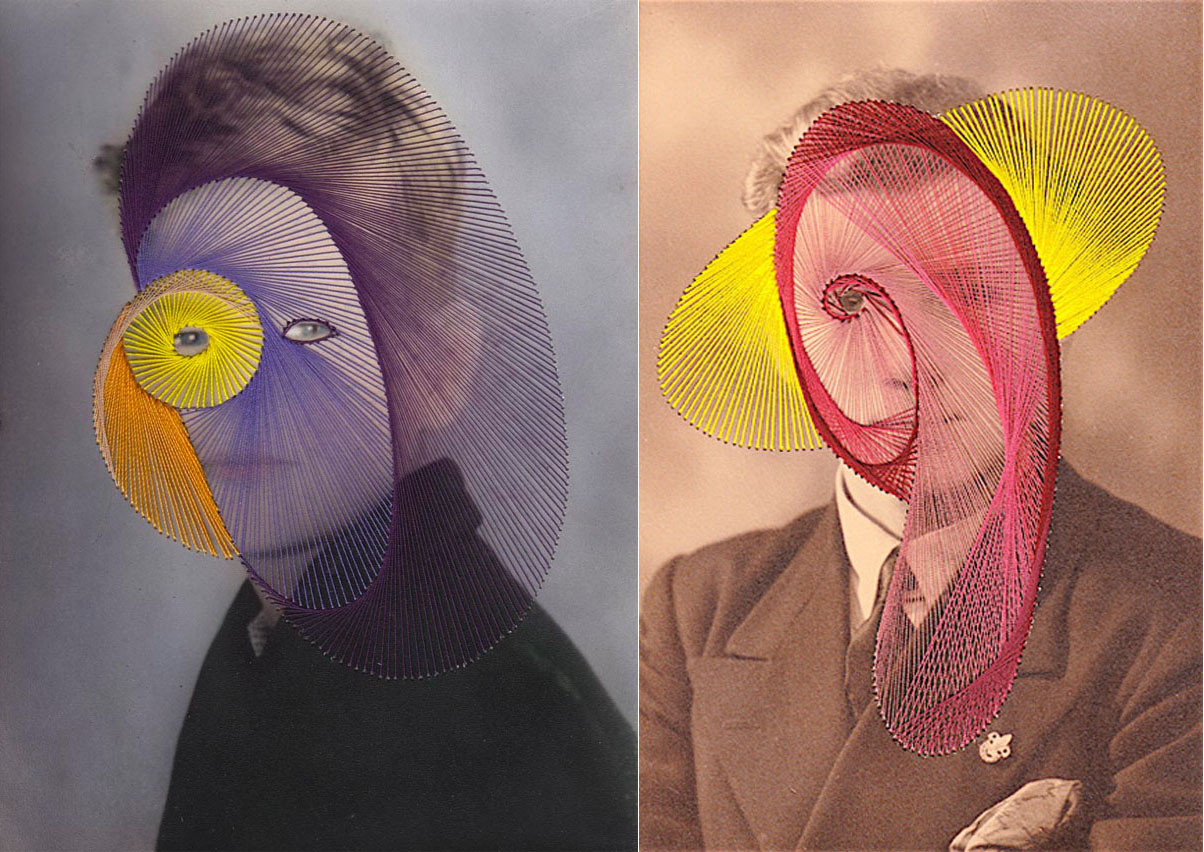
Maurizio Anzeri
Work from his oeuvre.
“Embroidery never seemed as dark and suggestive as in the art of London-based Italian artist Maurizio Anzeri. In his meticulous work, he transforms old discarded family photographs into three-dimensional objects with intense psychological evocations. “The intimate human action of embroidery is a ritual of making and reshaping stories and the history of these people,” he says. Anzeri uses synthetic hair as his thread of choice, which he stitches and sews to create a material and metaphorical medium representing bodily boundaries and biographies. The portraits he creates are both beautiful and unnerving. Masked faces of someone’s long-forgotten relatives radiate new expression, which reinvents old stories through an unexpected and new visual language…” – via Planet Magazine
Tags: altered, appropriation, art history, humor, nostalgia, photo paris, sewing, swelling up
Posted in altered, appropriation, art history, humor, nostalgia, photo paris, sewing, swelling up | No Comments »
Sunday, 29 November 2009


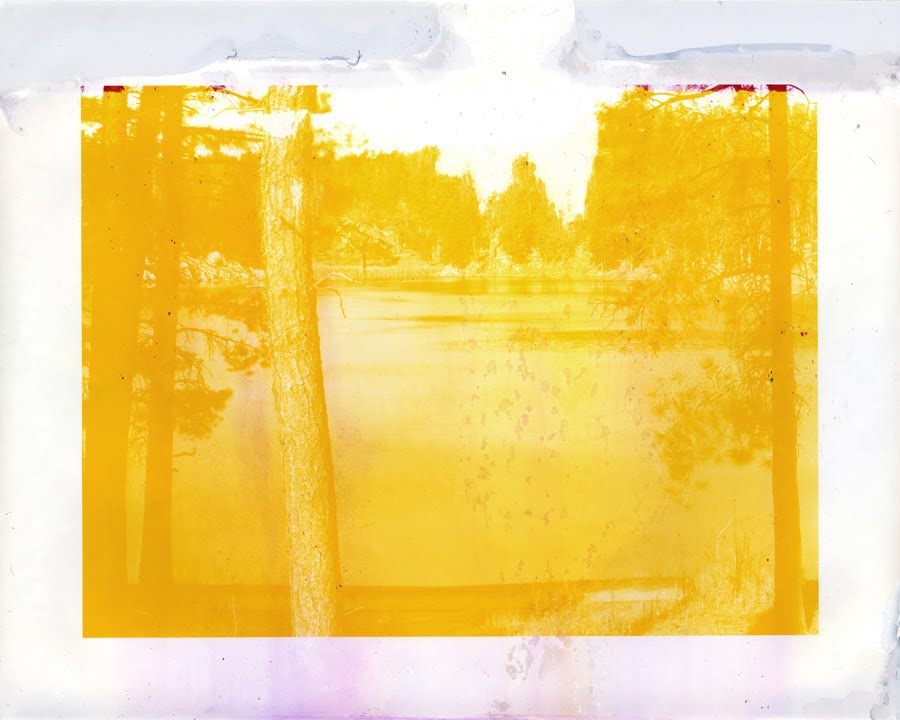
Matthew Brandt
Work from Lakes and Reservoirs 2.
This work is beautifully self-referential. Each image is soaked in the waters of where it was taken. It reminds me of the bleach treated works of Curtis Mann. I think the particular use of nature connecting these images is no mistake, as Brandt’s work shows, the familiar anchor that our photographic relationship with nature provides the artist with a narrow set of parameters to exploit while still providing the viewer a conceptual framework to function within.
Tags: curtis mann, lakes, print modification, reservior, self-reflexive, soaking/
Posted in curtis mann, lakes, print modification, reservior, self-reflexive, soaking/, water | No Comments »
Saturday, 28 November 2009



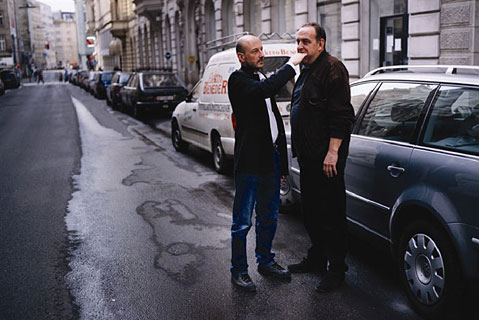
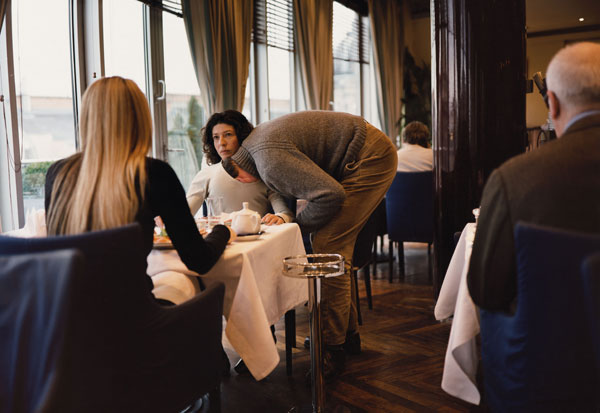
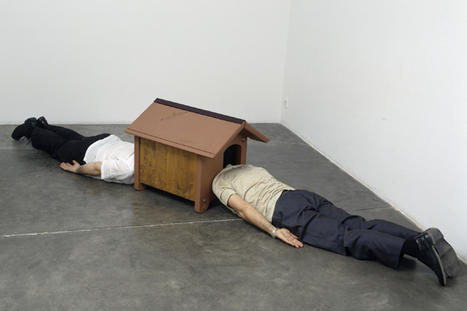
Erwin Wurm
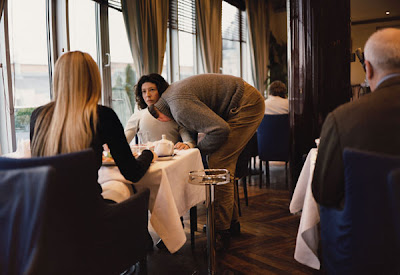
Work from One Minute Sculptures.
“Like Duchamp with his snow shovel, Austrian artist Erwin Wurm can make art with little more than a rubber band, a pickle or some dust. Wurm calls himself a sculptor, though many people might be more inclined to call what he does performance, and what viewers usually see are photographs or videos of these performative “sculptures,” or their related instructional drawings. With feet firmly planted in conceptual traditions of the 1960s and ’70s, Wurm riffs on those traditions with his own brand of comic conceptualism.
The artist is perhaps best known for his ongoing “Do It Yourself” and “One Minute Sculpture” series (begun in 1996 and ’98, respectively). These consist of written instructions and diagrams and any props needed to carry them out, such as “show your tongue,” “lie on the balls–no part of the body should touch the ground,” and “put the felt markers on top of your shoes, hold this for one minute and think of Rene Descartes.” Such is the popular appeal of his work that members of the music group The Red Hot Chili Peppers are seen carrying out the artist’s instructions for various pieces–including bassist Flea sporting markers up his nose and ballpoint pens in his ears–in the video for their recent song “Can’t Stop.”
Wurm’s One Minute Sculptures don’t always involve people. Chairs balancing on one leg or with two legs propped up on carrots, a banana suspended between sliding cabinet doors, and upended and stacked configurations of hotel furniture are all examples of Wurm’s fleeting sculptures.
Though his work has taken many forms since the early ’90s, the common thread is the question of what constitutes a sculpture. Is a person sticking out his tongue a sculpture? If that particular act exists only in a photograph, is it still a sculpture? Wurm’s works share strong affinities with those by German artist Franz Erhard Walther, who in his instructional pieces similarly describes an art work as an interconnected event between a human body, an act and an object. Certain examples by Ana Mendieta, Yoko Ono, Bruce Nauman, Joseph Kosuth, Charles Ray and Dennis Oppenheim also show an undeniable kinship. Wurm continues to explore issues similar to those of 1970s Conceptual or Body art pieces that only live on in documentation. Whereas some artists are content to allow their works to linger in the realm of pure concept, Wurm encourages the implementation of his ideas. To wit, viewers participating in the One Minute Sculptures can have a Polaroid photo taken by a gallery attendant for a nominal fee. For an extra $100, they can send the photo to the artist, which he will sign and validate as an art work…” – Stephanie Cash for Art in America the whole article is here.
Tags: austrailian, direction, humor, instructables, mega-famous, meta-art, performance, sculpture
Posted in austrailian, direction, humor, instructables, mega-famous, meta-art, performance, sculpture | No Comments »
Friday, 27 November 2009


Misha De Ridder
Work from Abendsonne.
“Sometimes natural phenomena can become so estranged and mysterious, that we are inclined to describe them as unreal realities. It might be the extraordinary shape of a tree, a mountain, a shadow, a cloud or the mirroring reflection of nature in a lake, but it is foremost the unfamiliarity of the natural aesthetics of reality. The photos published here literally refer to such an unfamiliar natural phenomenon, a phenomenon that appears twice a year during the end of the autumn and the beginning of spring for the period of one week in an area in the Swiss Alps. During the winter season a village is permanently covered by the shadow of a high mountain in the west, which eliminates all direct sunlight. A week before darkness falls, the sun appears one more time after it has set every evening. A mysterious phenomenon known as Abendsonne . Misha de Ridder s works can be seen as attempts to capture these temporary phenomena and atmospheres of nature within the still medium of photography. By seeking for the absence of human intervention, by waiting for the climax of the temporal aesthetic and by pushing the camera to its technical limits De Ridder s photographs become both exotic reports as autonomous artificial worlds. The photos published here are visual repetitions of the area where the Abendsonne appears, at a lake, known for it s flat, almost mirror-like surface, taken under different natural circumstances and originally presented in different printed scales. This juxtaposition of difference and equality evokes questions about authenticity, originality, reality and the representation of reality within the medium of photography.An ambiguous reference to the unreal reality of the Abendsonne .” – Unless You Will
Tags: absence, dutch, landscape, light, nature
Posted in dutch, landscape, light, nature | No Comments »
Thursday, 26 November 2009


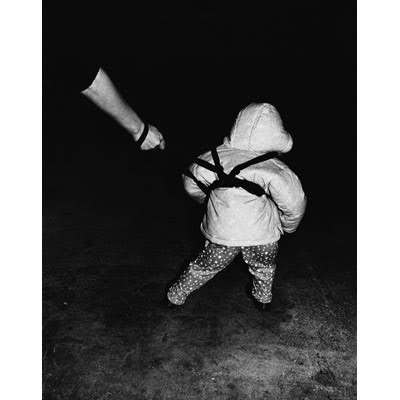
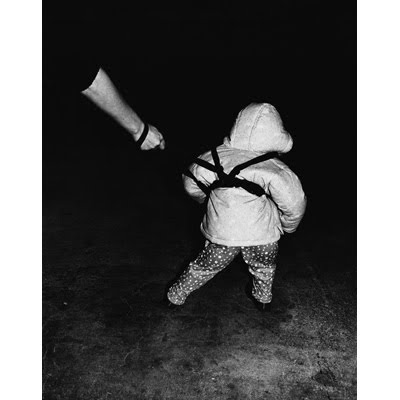
Clare Strand
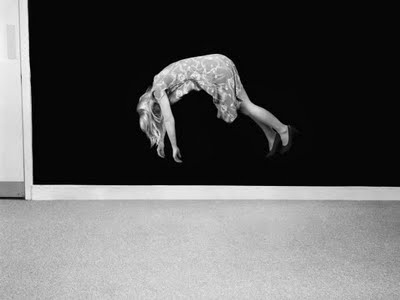
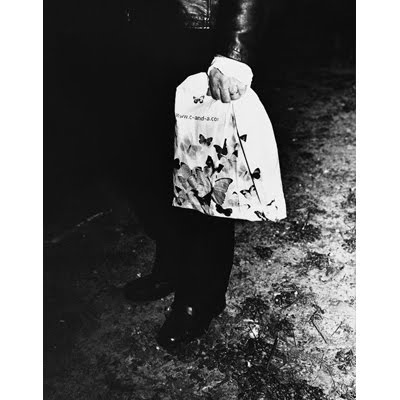
Work from Conjurations and Gone Astray.
“Over the last ten years, dissatisfied with the often complacent values of the photography world, Clare Strand has assembled a body of work that is both subversive and celebratory in its approach to photographic conventions. During this period Strand’s art has developed through a series of increasingly interesting and unique projects that have explored various photographic genres, from Victorian portraiture to crime scene and forensic photography. In these series she has dwelt on the oddity of photography’s strange backwaters, its utilitarian functions and its infiltration of every corner of our lives, to make us question the value and complex meanings of photographic images. This might be simply quirky and strange, but in Strand’s work it is resolved through photographs of incredible quality and genuine originality. In our photographically saturated times, Strand’s work remains distinctively new and difficult to place, and yet it is also uncannily familiar, drawing heavily on the genres she investigates. In recent years she has consistently worked in black and white and has exploited the traditional qualities of the fine print to startling effect. It is the wit, the irony and perverse logic of these formidable black and white series, with their continued clashing and mixing up of photographic ideas and sources, that has won her an international reputation” – via Steidl
Tags: abstract, black and white, british, flash, magic
Posted in black and white, british, flash, magic, vernacular | No Comments »
Wednesday, 25 November 2009
Tags: animated gif, computer manipulation, gif, humor, low-tech / high tech, net-art
Posted in animated gif, computer manipulation, gif, humor, low-tech / high tech, net-art, ubiquity, video | No Comments »
Tuesday, 24 November 2009


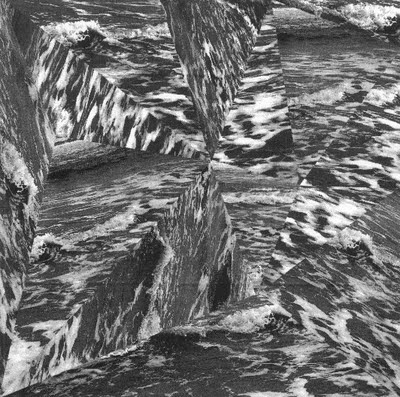

Michael Dean
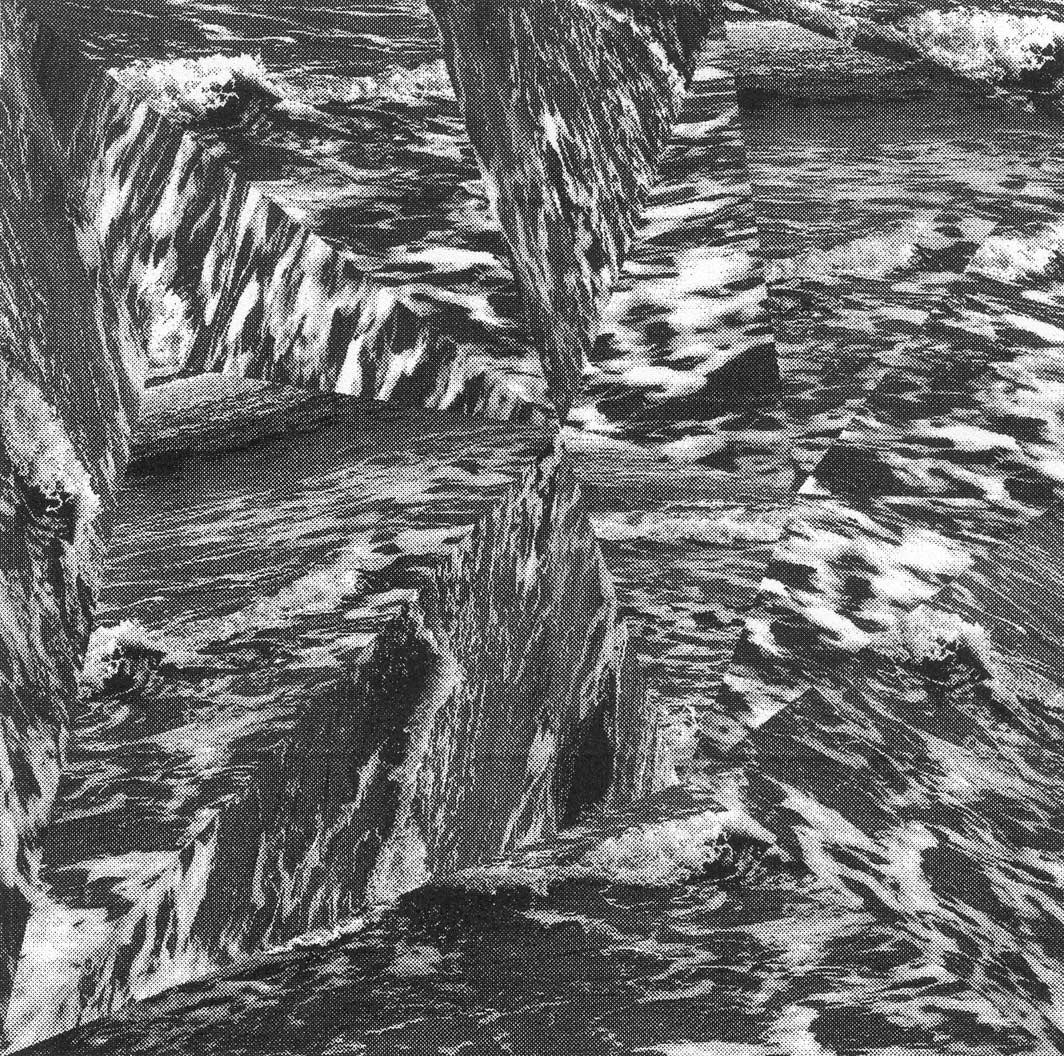
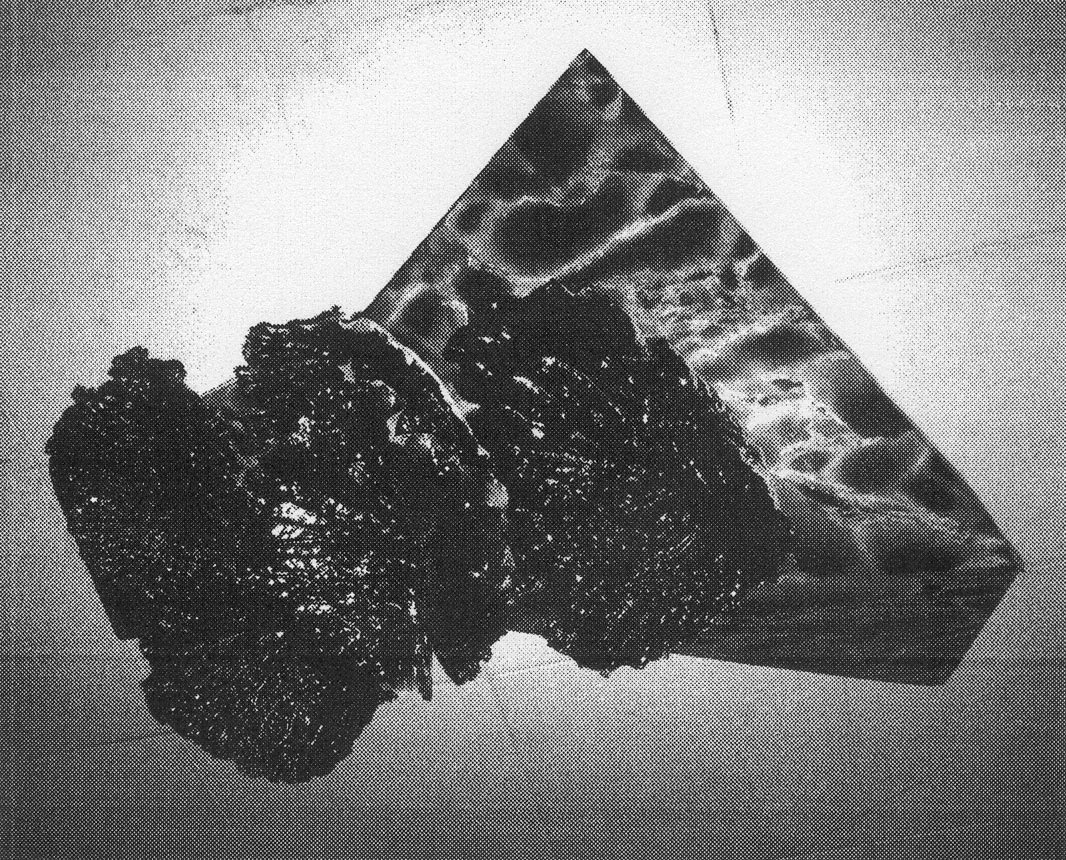
Work from his enigmatic and difficult to navigate website.
“Michael Dean starts from short texts written in original print formats to give rise to an almost physical linguistic space that is meant to urge the audience not only to read, but to take part — both visually and spatially — the meaning of the short aphorisms. In his sculptures, installations and urban interventions, written language is transformed into new signs and characters that the artists invents or borrows from basic geometric codes.” – Flash Art International
Tags: abstract, alternative process, british, geometry, photocopy
Posted in alternative process, british, geometry, photocopy, unsure, vague | No Comments »
Monday, 23 November 2009


Guro Olsdotter Gjøl
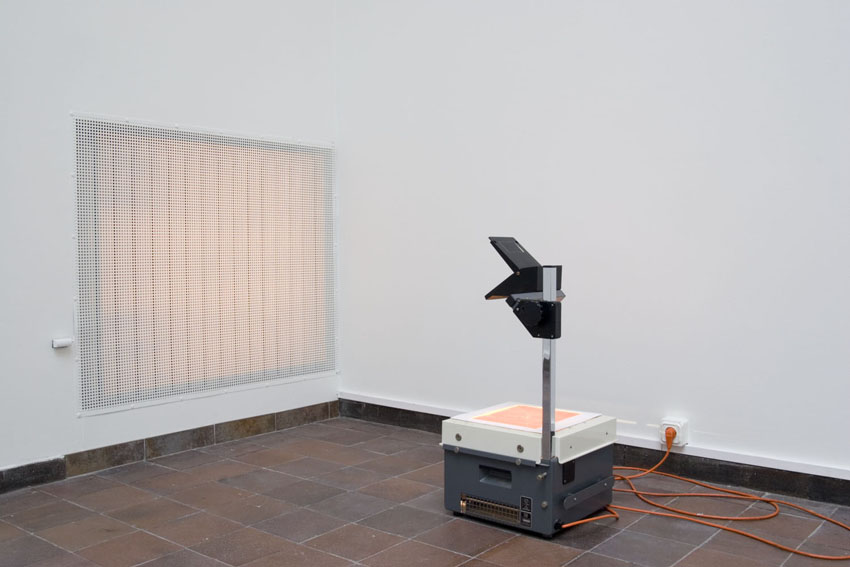
Work from Things to Forget.
“the piece things to forget consisted of four site specific incursions based on objects placed in different spaces in the art hall. objects typically associated with public spaces were used as props to stage scenes based on existing interior details. the objects were placed as natural parts of the space. what is usually seen as unimportant details in the rooms were intensified while the original functions of the objects were either missing or distorted.” – Guro Olsdotter Gjøl
via VVORK
Tags: camouflage, humor, installation, norweigan, observation, pattern, photo sculpture, swedish education
Posted in camouflage, humor, installation, norweigan, observation, pattern, photo sculpture, swedish education | No Comments »
Sunday, 22 November 2009
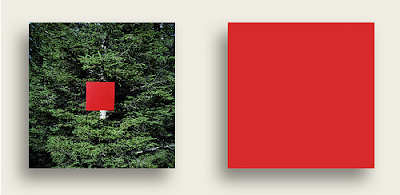


Marlon Kowalski
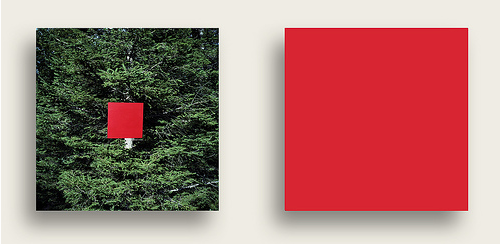
Work from Plates.
From what I can gather given the lack of contextual information on Kowalski’s Plates work, it is examining the nature of reproduction and photographic fidelity. The photograph, and photographed object hang side-by-side, now related to one another physically through the compelling referential reproduction and the existence of the “original”. This is the most important aspect of the work, we are presented with the photograph, and the photographed, thereby reinforcing notions of accurate mechanical reproduction (and the artist notes that his work is shot in film) that is a humorous and pointed nod to Benjamin on many levels. In this simple and pointed critique, the object becomes more precious than it was before, it is the object, the original, the impetus of the photograph.
Tags: benjamin, color, color theory, german, object, plates, reference, reproduction
Posted in benjamin, color, color theory, german, object, plates, reference, reproduction | No Comments »
Saturday, 21 November 2009


Leslie Grant
Work from Pointing.
Pointing is a collection of fantastic and enjoyable appropriations and recontextualizations of images found at flea markets and yard sales, and most likely various and sundry other places. Enjoy.
– via The Exposure Project.
Tags: appropriation, Canadian, curation, history, humor, pointing
Posted in appropriation, Canadian, curation, history, humor, pointing | No Comments »